Primary, Secondary, and Tertiary Prevention: What Is the Difference?

Primary prevention aims to stop disease before it starts. Secondary prevention focuses on early detection and prompt treatment.
Key Takeaways
- Primary prevention aims to stop disease before it starts.
- Secondary prevention focuses on early detection and prompt treatment.
- Tertiary prevention helps reduce complications and improve quality of life after diagnosis.
- All three levels are important and often work together over time.
- Vaccination, screening, and rehabilitation are common examples of different prevention levels.
Primary, secondary, and tertiary prevention describe three ways healthcare helps protect health at different stages of disease. Together, they aim to prevent illness, find problems early, and reduce the long-term effects of existing conditions.
Overview
Primary, secondary, and tertiary prevention are the three classic levels of prevention used in public health and clinical care. They describe when action is taken in relation to a disease or health problem. Understanding these levels can help people make sense of everyday health advice, from vaccines and healthy habits to screening tests and rehabilitation.
Primary prevention is used before a disease develops. Its goal is to lower the chance that a person will become ill in the first place. Secondary prevention is used when a condition may already be starting but has not yet caused clear symptoms. It focuses on finding disease early, when treatment may be simpler and outcomes may be better. Tertiary prevention is used after a diagnosis has been made. It aims to reduce complications, improve function, and support the best possible quality of life.
These levels are not separate boxes that apply to only one type of illness. The same person may benefit from all three at different times. For example, healthy eating can help prevent type 2 diabetes, screening can identify high blood sugar early, and long-term care can reduce the risk of complications in someone already living with diabetes.
What Is Primary Prevention?
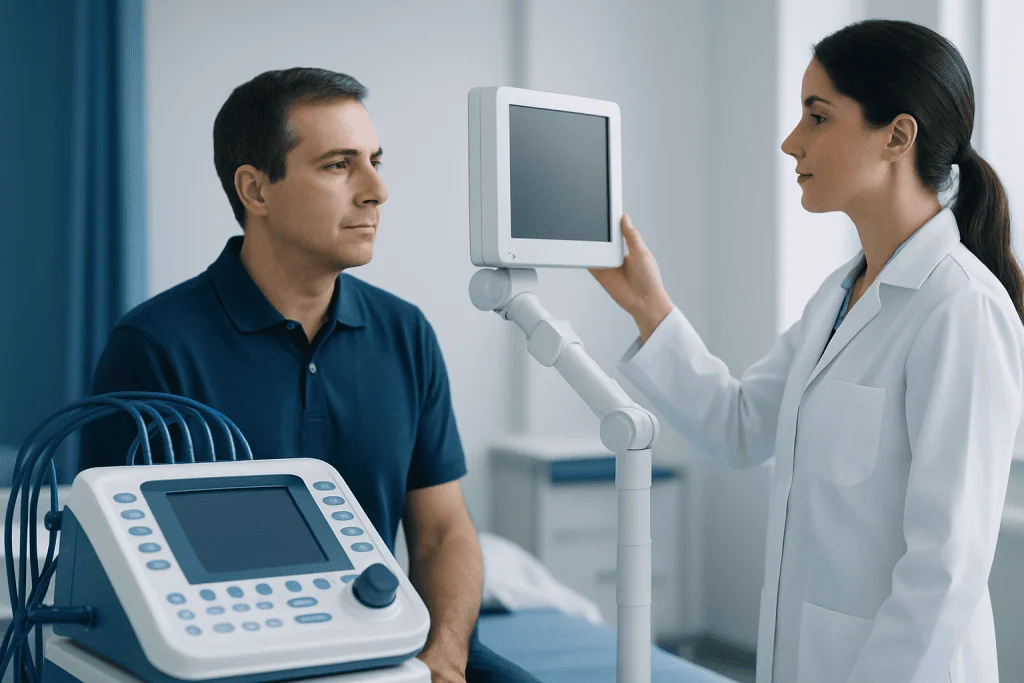
Primary prevention includes steps taken to avoid disease, injury, or harmful health changes before they happen. It focuses on risk reduction. This may involve personal habits, healthcare measures, and broader public health actions that make environments safer and healthier.
Common examples include vaccinations, regular physical activity, avoiding tobacco, using seat belts, managing stress, getting enough sleep, and eating a balanced diet. Public health measures such as clean water, food safety, smoke-free policies, and sun protection education also belong to primary prevention. In many cases, these actions reduce risk across several diseases at once rather than preventing only one condition.
Primary prevention often works best when started early and maintained over time. Small, consistent choices can have meaningful long-term effects on heart health, cancer risk, metabolic health, and overall well-being. It is also important to remember that not all risk factors are fully controllable. Genetics, age, and some environmental exposures can still affect health, which is why prevention should be practical and personalized rather than perfection-focused.
- Vaccines to prevent infectious disease
- Healthy nutrition and regular movement
- Not smoking and limiting alcohol
- Blood pressure and cholesterol management through lifestyle
- Injury prevention such as helmets, seat belts, and fall-proofing the home
What Is Secondary Prevention?

Secondary prevention aims to detect disease early, often before symptoms are noticeable, and to begin treatment quickly. The main idea is that early identification can prevent a condition from progressing or can lower the risk of serious complications. Screening tests are a central part of secondary prevention, but follow-up and timely care are just as important.
Examples include blood pressure checks, mammograms, cervical screening, colorectal cancer screening, cholesterol testing, and blood sugar tests for people at risk of diabetes. Secondary prevention can also include checking bone density in people at risk of osteoporosis or using eye exams to detect early changes from conditions such as diabetes or glaucoma. Screening recommendations vary by age, sex, family history, and overall risk profile.
Not every screening test is right for every person. Effective screening is usually targeted to groups where the benefits outweigh the risks, such as false-positive results, unnecessary worry, or additional testing. For this reason, doctors use evidence-based guidelines to recommend the right test at the right time. Secondary prevention works best when people attend recommended checkups and discuss their personal risk factors with a qualified healthcare professional.
What Is Tertiary Prevention?
Tertiary prevention begins after a disease or health condition has been diagnosed. Its goal is not simply to treat the disease itself, but also to limit its effects, prevent complications, preserve function, and support daily life. This level of prevention is especially important for chronic conditions and for recovery after major illness or injury.
Examples include cardiac rehabilitation after a heart attack, physical therapy after a stroke, regular foot and eye care in diabetes, medication plans to prevent worsening of chronic lung disease, and pain management or mobility support for arthritis. Tertiary prevention may also include emotional support, nutritional guidance, social services, and education that helps patients manage their condition more confidently.
This level of prevention can make a major difference in quality of life. Even when a disease cannot be cured, careful long-term management may reduce disability, lower the risk of hospitalizations, and help people stay independent for longer. Tertiary prevention often involves a team approach, including doctors, nurses, rehabilitation specialists, dietitians, psychologists, and other professionals depending on the condition.
How the Three Levels Work Together
Although the three levels of prevention are described separately, in real life they often overlap. A person may use primary prevention for one condition, secondary prevention for another, and tertiary prevention for a third. In addition, one healthcare visit can include elements of all three. For example, a person with high blood pressure may receive advice on exercise and diet, have screening for kidney damage, and get treatment to reduce the risk of stroke.
A helpful way to think about the differences is to focus on timing. Primary prevention happens before disease starts. Secondary prevention happens when early disease may be present but has not yet caused significant problems. Tertiary prevention happens after diagnosis to reduce harm and improve long-term outcomes. Each level answers a different question: how to avoid illness, how to find it early, and how to live as well as possible with it.
These levels also show why prevention is broader than lifestyle alone. Prevention includes medical care, public health policy, education, safe environments, and rehabilitation. It is relevant across many areas of medicine, from cardiovascular disease and cancer to mental health, infections, and injuries. In this way, prevention supports both individuals and communities.
- Primary: stop disease from developing
- Secondary: detect disease early
- Tertiary: reduce complications and improve function
Examples in Everyday Healthcare
Using real-life examples can make the differences easier to understand. In cardiovascular health, primary prevention may include not smoking, staying active, eating a heart-healthy diet, and controlling weight. Secondary prevention may include blood pressure checks, cholesterol testing, or scans and evaluations for people at increased risk. Tertiary prevention may include medicines, rehabilitation, and close follow-up after a heart attack or stroke.
In cancer care, primary prevention may include avoiding tobacco, limiting alcohol, protecting the skin from excessive sun exposure, and receiving vaccines that reduce the risk of certain infections linked to cancer. Secondary prevention may include screening tests such as mammography or colorectal screening. Tertiary prevention may involve treatment, follow-up care, symptom management, and rehabilitation to support recovery and daily functioning.
In diabetes, primary prevention may include maintaining a healthy weight, eating a balanced diet, and regular exercise. Secondary prevention can include blood tests to identify prediabetes or early diabetes before complications develop. Tertiary prevention may involve glucose management, kidney monitoring, foot care, eye exams, and support for living well with the condition. These examples show that prevention continues throughout the course of health and illness, not just before disease begins.
Why Prevention Matters
Prevention matters because it can reduce suffering, support independence, and improve long-term health. Many common diseases develop slowly over time and are influenced by a combination of lifestyle, environmental exposures, age, and inherited risk. When prevention is used well, it can either lower the chance of disease or reduce the impact of conditions that do occur.
Prevention also helps people take an active role in their health. This does not mean individuals are responsible for every outcome, since health is affected by many factors beyond personal control. However, understanding prevention can help people ask informed questions, keep up with recommended screenings, and work with their doctors on realistic goals.
Healthcare systems also benefit from prevention. Detecting health problems earlier may allow simpler treatment and fewer complications. Supporting people after diagnosis can reduce avoidable disability and improve day-to-day function. Near the end of the care journey, multidisciplinary support remains important; Acibadem International’s multidisciplinary specialists and JCI-accredited hospitals diagnose and treat many conditions for international patients, with prevention and follow-up forming part of comprehensive care.
How to Apply Prevention in Daily Life and When to Seek Medical Advice
For most people, a practical prevention plan starts with basics: staying up to date with vaccinations, attending age-appropriate screening, exercising regularly, eating a varied diet, avoiding tobacco, moderating alcohol, sleeping well, and managing stress. It also helps to know personal and family medical history, because some people need earlier or more frequent screening based on individual risk.
Regular checkups are useful even when a person feels well. A healthcare professional can review blood pressure, weight, medications, risk factors, and screening needs. People living with chronic conditions should also follow treatment plans and attend follow-up appointments, since this is a key part of tertiary prevention. Rehabilitation, mental health support, and self-management education may be valuable alongside medical treatment.
Medical advice should be sought if there are persistent symptoms, a strong family history of a serious condition, concern about personal risk, or uncertainty about which screenings are appropriate. Symptoms such as unexplained weight loss, ongoing fatigue, chest pain, blood in the stool, a new lump, or changes in vision should not be ignored. A doctor can help decide whether symptoms need evaluation and which preventive steps are most appropriate for the individual.
Frequently asked questions
What is the main difference between primary, secondary, and tertiary prevention?
The main difference is timing. Primary prevention happens before disease starts, secondary prevention looks for disease early, and tertiary prevention helps reduce complications after diagnosis. Each level supports health in a different way.
Is screening considered primary or secondary prevention?
Screening is usually a form of secondary prevention. It is used to detect disease or early changes before noticeable symptoms appear. The goal is to start treatment or monitoring promptly.
Are vaccines primary prevention?
Yes, vaccines are a classic example of primary prevention. They help prevent certain infections before a person becomes ill. In some cases, vaccination can also reduce the risk of later complications related to infection.
Can one person need all three levels of prevention?
Yes, many people benefit from all three at different times. For example, someone may exercise and avoid smoking for primary prevention, attend blood pressure checks for secondary prevention, and follow a treatment plan for an existing chronic condition as tertiary prevention. Prevention is often ongoing throughout life.
Does tertiary prevention mean a disease cannot be improved?
No, tertiary prevention does not mean improvement is impossible. It focuses on limiting the effects of disease, preventing further complications, and helping a person function as well as possible. Many people feel better and live more actively with good long-term management.
How can someone know which preventive steps are right for them?
The best approach depends on age, sex, family history, lifestyle, and existing medical conditions. A doctor can recommend appropriate vaccines, screenings, and follow-up care based on individual risk. Personalized advice is especially important when there is a strong family history or chronic illness.
References
- World Health Organization
- Centers for Disease Control and Prevention
- National Institutes of Health
- U.S. Preventive Services Task Force
- European Centre for Disease Prevention and Control
This article is for general information only and is not a substitute for professional medical advice. Please consult a qualified doctor about your individual situation.
Explore treatments in Turkey — costs, top hospitals & a free quote
JCI-accredited · board-certified surgeons · reply within 24h
Add us as a Preferred Source to see more of our trusted health content across Google Search, AI Overviews and Discover.
Check your numbers in seconds
BMI, calories, due date, blood pressure and 30+ more clinical calculators — free, instant, doctor-reviewed ranges.