Private health check in Turkey: Hospitals, Safety & What to Expect

A private health check is designed to identify health risks early and review general wellbeing; it is not a substitute for urgent medical care. A safe, useful check-up should be tailored after a clinician reviews medical history, medicines, family history and personal priorities.
Key Takeaways
- A private health check is designed to identify health risks early and review general wellbeing; it is not a substitute for urgent medical care.
- A safe, useful check-up should be tailored after a clinician reviews medical history, medicines, family history and personal priorities.
- Many assessments can be completed on the same day, although some imaging, specialist tests or result reviews may require additional time.
- Fasting, medication adjustments and preparation instructions vary by test, so patients should follow the hospital’s individual guidance.
- Abnormal results do not always mean disease, but they should be discussed with a qualified doctor who can recommend appropriate next steps.
A private health check in Turkey can provide coordinated preventive screening, medical consultation and follow-up advice within a planned hospital visit. The most suitable tests depend on a person’s age, sex, medical history, current symptoms and individual risk factors rather than a fixed package alone.
Overview: What Is a Private Health Check in Turkey?
A private health check in Turkey is a planned preventive assessment delivered in a private hospital or outpatient setting. It usually combines a medical history, physical examination, laboratory testing and selected imaging or specialist consultations. The aim is to assess current health, identify potentially modifiable risks and determine whether further evaluation is needed.
Rather than choosing tests solely by convenience, patients benefit most when a physician tailors the assessment to their age, sex, family history, lifestyle, existing diagnoses and symptoms. A person with high blood pressure, for example, may need a different evaluation from someone with a strong family history of cancer or early heart disease.
For visitors travelling from abroad, planning is especially important. A coordinated private health check can help organise consultations, testing and review of results within an appropriate timeframe, while still allowing for any follow-up that may be necessary after travel.
Who May Benefit and Who Needs Prompt Medical Care?
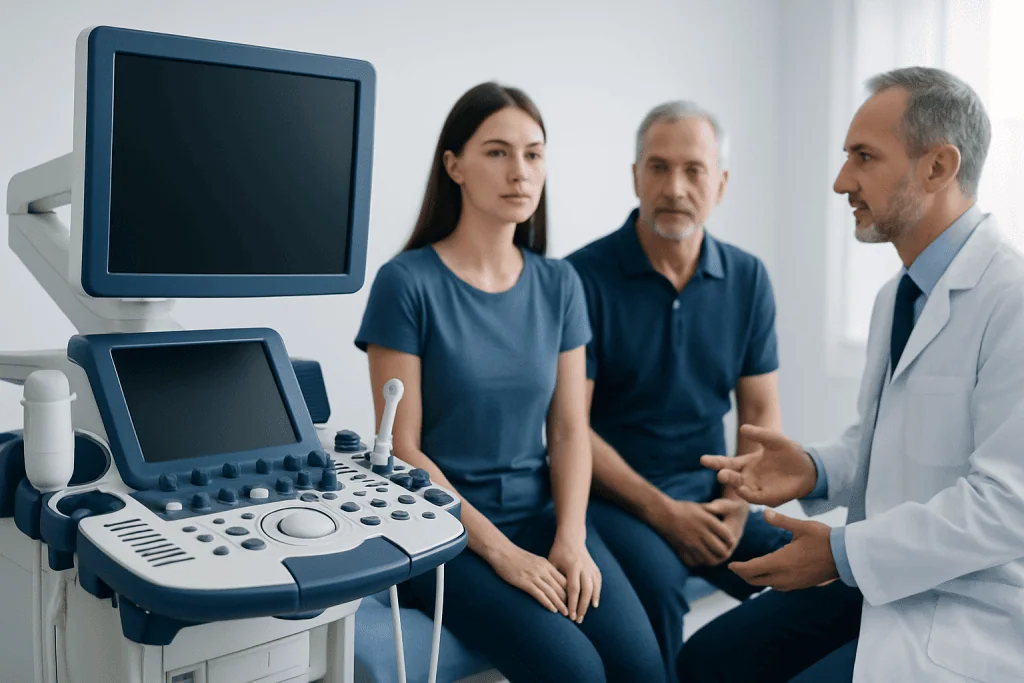
Preventive check-ups may be suitable for adults who want to review their health status, people with known risk factors such as smoking, obesity, high blood pressure or diabetes, and those with a family history of certain conditions. They can also be useful for people whose routine screening has been delayed or who want a structured discussion about nutrition, activity, sleep and long-term risk reduction.
A health check is not designed to diagnose every possible condition in someone without symptoms. Broad testing can sometimes reveal harmless changes that still require further tests, so clinicians should select investigations with a clear reason and explain what the results may mean.
People who are pregnant, have serious chronic illness, recently had surgery, take blood-thinning medicines or have allergies to contrast agents should notify the medical team in advance. This helps clinicians adapt testing safely and decide whether particular scans or procedures are appropriate.
Individuals with active symptoms may need a focused medical consultation rather than a standard screening programme. Symptoms such as ongoing chest discomfort, unexplained weight loss, persistent bleeding, severe fatigue or a new lump should be assessed according to their clinical urgency.
How the Health Check Process Works

The process usually begins before travel or before the appointment, with a health questionnaire and review of past records where available. Patients may be asked about previous operations, diagnoses, medicines, allergies, family history, tobacco and alcohol use, menstrual or reproductive history, and any current concerns. Sharing accurate information helps the team recommend appropriate tests and avoid unnecessary duplication.
On the day, registration is followed by basic measurements such as height, weight, blood pressure, pulse and sometimes waist circumference. A clinician then discusses the patient’s history, performs a targeted physical examination and confirms the final assessment plan. Depending on the individual programme, this may include blood and urine tests, heart assessment, ultrasound, X-ray-based imaging, vision testing or specialist review.
Some tests require preparation. Fasting may be needed for certain blood measurements, and instructions may differ for abdominal imaging, exercise testing or procedures involving sedation. Patients should ask specifically whether they should take their usual medicines on the morning of the appointment, particularly insulin, diabetes tablets, blood-pressure medicines and anticoagulants.
After testing, a physician reviews the available findings and explains what is normal, uncertain or needs follow-up. A written summary and results should be retained for the patient’s regular doctor, who can support ongoing care at home.
Tests That May Be Included—and Why They Are Individualised
Common components of a preventive assessment may include a complete blood count, kidney and liver markers, blood glucose or long-term glucose assessment, cholesterol testing, urine analysis and measurement of blood pressure. These can help identify common concerns such as diabetes risk, high cholesterol, anaemia or kidney-related changes, but results must always be interpreted in clinical context.
Additional tests may be considered according to age, symptoms and risk. Examples include an electrocardiogram for selected cardiovascular concerns, abdominal or thyroid ultrasound, bone-density assessment, eye examination, dermatology review or consultations in cardiology, gynaecology, urology or gastroenterology. Screening should follow evidence-based recommendations and individual discussions rather than being automatically applied to everyone.
Cancer screening is particularly personal. The right approach depends on factors including age, sex at birth, family history, inherited risk, prior results and country-specific screening guidance. A clinician may discuss whether screening such as cervical testing, breast imaging, colorectal screening or lung cancer screening is relevant; these are not interchangeable tests and may not be suitable for all patients.
Findings outside the usual range may result from temporary factors, medicines, hydration, recent illness or normal variation. The clinician may recommend repeating a test, arranging a focused specialist assessment or monitoring over time rather than assuming a diagnosis from one result.
Benefits, Limitations and Safety Considerations
The potential benefit of a well-planned health check is the opportunity to identify risk factors before they cause symptoms, update appropriate screening and discuss realistic prevention measures. It may also give patients a clear overview of their health information and support informed decisions with their usual healthcare professional.
However, preventive testing has limitations. No check-up can guarantee that a person is free of disease, and normal results do not eliminate the need to seek care for new symptoms later. Tests can also produce false-positive or false-negative results. A false-positive result may lead to anxiety and additional investigations, while a false-negative result may provide misplaced reassurance.
Most routine blood tests and non-invasive examinations carry little risk. Risks depend on the test: blood draws can cause brief discomfort or bruising, radiation-based scans involve exposure that should be medically justified, and contrast materials or sedatives can occasionally cause reactions. Patients should tell the team about kidney disease, pregnancy, possible pregnancy, allergies and previous contrast reactions.
Hospitals that follow established safety processes verify identity, check medical history, obtain consent and provide test-specific preparation information. JCI accreditation is one recognised hospital-quality and patient-safety framework, but patients should still ask how results, follow-up arrangements, language support and record sharing will be handled for their individual visit.
Travel, Accommodation and Recovery Timeline
Most health check components are outpatient tests and do not require a recovery period. Blood tests, examinations and many ultrasound studies allow patients to return to normal activities immediately. If fasting is required, eating and drinking after the relevant tests can help restore comfort and energy.
The appointment may last from several hours to more than one day depending on the planned investigations, specialist availability and whether results can be reviewed on the same day. Some laboratory or pathology results take longer, and certain studies may need a separate follow-up appointment. Travellers should avoid scheduling a departure so tightly that a clinically important result cannot be discussed.
If sedation is used for a specific procedure, patients should not drive, make important decisions alone or travel without appropriate support until the effects have fully worn off, according to their clinical team’s instructions. A companion and nearby accommodation may be advisable in these circumstances.
International patients should consider practical arrangements in advance, including medical records, travel insurance, prescription medicines in original packaging, translation needs and accommodation close enough for planned appointments. Acibadem International’s multidisciplinary specialists and JCI-accredited hospitals can coordinate diagnostic assessment and follow-up planning for international patients.
When to Seek Medical Care
A planned check-up should not delay urgent assessment. Emergency care is needed for symptoms such as sudden chest pain or pressure, severe shortness of breath, fainting, signs of stroke such as facial drooping or new weakness, heavy bleeding, a severe allergic reaction, or sudden confusion. Local emergency services should be contacted immediately in these situations.
Prompt medical review is also sensible for persistent or worsening symptoms, including a new breast or testicular lump, blood in urine or stool, unexplained weight loss, prolonged fever, continuing abdominal pain, persistent changes in bowel habits or new severe headaches. These concerns may require targeted testing rather than routine screening.
After a health check, patients should contact the treating team or their regular doctor if they do not understand a result, need help arranging follow-up, or develop symptoms after a test. Keeping a copy of the report supports continuity of care across countries and healthcare systems.
Frequently asked questions
Is a private health check in Turkey safe?
Safety depends on the hospital’s clinical governance, infection-control practices, qualified staff and whether testing is appropriate for the individual. Patients can ask about accreditation, consent procedures, language support, data handling and how urgent findings are managed. It is also important to disclose all health conditions, medicines and allergies before testing.
How long does a private health check take?
Many assessments are completed in one day, but the timetable depends on the number and type of tests. Some laboratory, pathology or specialist results may take longer, and additional appointments can be needed if a finding requires clarification. Travellers should leave enough time for a results consultation.
Do patients need to fast before a health check?
Some blood tests and imaging studies may require fasting, while others do not. The hospital should provide personalised preparation instructions before the appointment. Patients should not stop prescribed medicines unless a clinician specifically advises them to do so.
What happens if an abnormal result is found?
An abnormal result does not automatically mean that a person has a serious condition. The doctor will interpret it alongside symptoms, medical history and other findings, and may recommend repeating the test, monitoring it or arranging a specialist consultation. Patients should take their written results to their regular doctor for continued care after returning home.
Can a health check detect cancer?
Some evidence-based screening tests can identify certain cancers or precancerous changes in people who meet eligibility criteria. However, no general check-up can detect every cancer, and testing should be selected according to age, family history, personal risk and symptoms. New or concerning symptoms should be evaluated promptly, even after a normal check-up.
Should a person have a check-up if they feel well?
Preventive care can be useful even when a person feels well because some risk factors, such as high blood pressure or elevated cholesterol, may not cause early symptoms. The most appropriate schedule and tests vary between individuals. A doctor can help decide which screening is worthwhile and which tests are unlikely to add value.
References
- World Health Organization
- U.S. Preventive Services Task Force
- Centers for Disease Control and Prevention
- International Society for Quality in Health Care
- Joint Commission International
This article is for general information only and is not a substitute for professional medical advice. Please consult a qualified doctor about your individual situation.
Explore treatments in Turkey — costs, top hospitals & a free quote
JCI-accredited · board-certified surgeons · reply within 24h
Add us as a Preferred Source to see more of our trusted health content across Google Search, AI Overviews and Discover.
Check your numbers in seconds
BMI, calories, due date, blood pressure and 30+ more clinical calculators — free, instant, doctor-reviewed ranges.

More from the Health Library



Related Specialists

Fzt. İrfancan Velioğlu
Physical Medicine & Rehabilitation
Psk. Deniz Erden
Psychology
Assoc. Prof. Dr. Nezih Ziroğlu
Orthopedic Surgery & Traumatology
Prof. Dr. Ebubekir Şenateş
Gastroenterology