

Proctologist — Explained by Medical Evidence, Not Myths

A proctologist focuses on disorders of the anus, rectum, and lower digestive tract. Common reasons to visit include rectal bleeding, anal pain, hemorrhoids, fissures, fistulas, and persistent bowel habit changes.
Key Takeaways
- A proctologist focuses on disorders of the anus, rectum, and lower digestive tract.
- Common reasons to visit include rectal bleeding, anal pain, hemorrhoids, fissures, fistulas, and persistent bowel habit changes.
- Many anorectal symptoms have more than one possible cause, so proper examination matters.
- Diagnosis may involve a physical exam, anoscopy, sigmoidoscopy, colonoscopy, or imaging, depending on symptoms.
- Treatment ranges from diet and medication to office procedures and surgery.
- Early assessment can help relieve symptoms and identify conditions that need prompt care.
A proctologist is a doctor who diagnoses and treats conditions affecting the anus, rectum, and often the colon and pelvic floor. People may see a proctologist for symptoms such as rectal bleeding, pain, itching, constipation, lumps, or changes in bowel habits, and evaluation is guided by medical evidence rather than embarrassment or myths.
Overview: what a proctologist does
A proctologist is a doctor who evaluates, diagnoses, and treats conditions involving the anus, rectum, and, in many cases, the colon and pelvic floor. In modern practice, this field is often called colorectal surgery or colorectal medicine. The term proctologist is still widely used by patients, especially when symptoms involve rectal bleeding, hemorrhoids, anal pain, or difficulty with bowel movements.
This specialty covers both common and more complex problems. A proctologist may assess hemorrhoids, anal fissures, anal fistulas, abscesses, rectal prolapse, fecal incontinence, chronic constipation, inflammatory bowel disease affecting the rectum, and concerns about colorectal polyps or cancer. Their role is not limited to surgery; many conditions are managed first with lifestyle measures, medication, or small office-based procedures.
One reason this specialty is important is that similar symptoms can come from very different causes. For example, bleeding may result from hemorrhoids, but it can also be linked to inflammation, polyps, or cancer. A careful evaluation helps separate myths from medical facts and allows treatment to match the actual cause rather than assumptions.
Common symptoms a proctologist evaluates
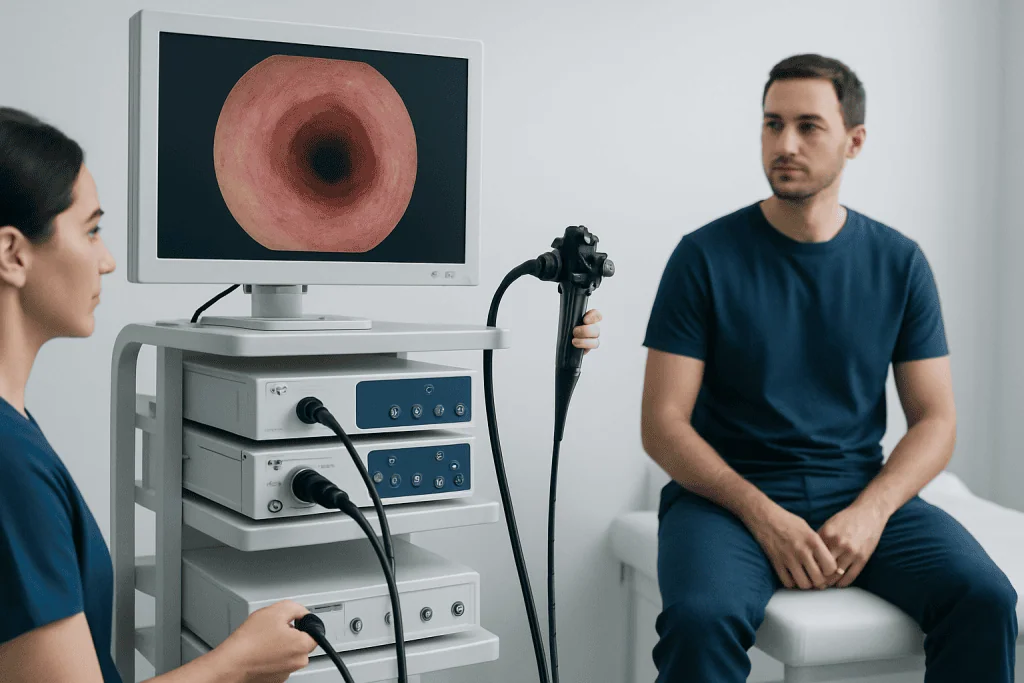
Many people delay care because anorectal symptoms can feel embarrassing, but these symptoms are common and often treatable. A proctologist typically sees patients with rectal bleeding, pain during bowel movements, itching around the anus, mucus discharge, swelling, a lump near the anus, or a sensation of incomplete emptying after passing stool.
Changes in bowel habits are another frequent reason for referral. These may include persistent constipation, diarrhea, narrowing of stools, straining, leakage of stool, or new urgency. Symptoms can be brief and mild, but when they continue or recur, a specialist assessment can clarify whether the problem is functional, inflammatory, structural, or related to the colon itself.
Some conditions are especially associated with these symptoms, including hemorrhoids, anal fissure, and anal fistula. Even when one of these seems likely, a proper medical evaluation is still useful because more than one condition can occur at the same time, and treatment choices depend on severity, duration, and overall health.
- Bright red blood on toilet paper or in the toilet bowl
- Sharp or burning pain with bowel movements
- Anal itching, irritation, or moisture
- A tender swelling or persistent lump
- Leakage of stool or difficulty controlling gas
- A change in bowel habits lasting more than a few weeks
Conditions treated by a proctologist
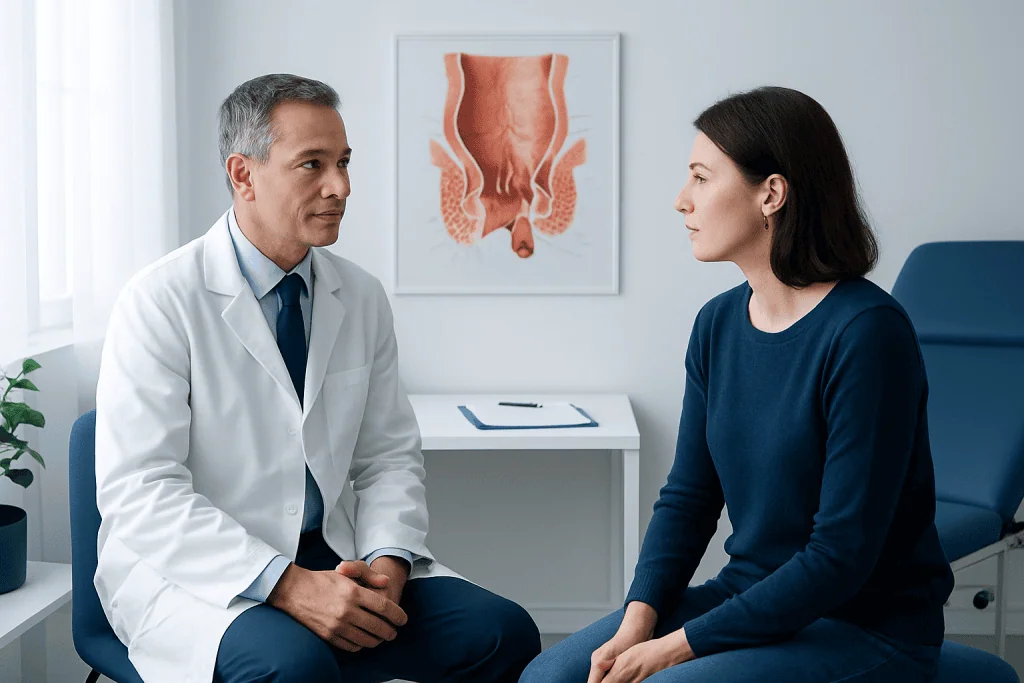
Hemorrhoids are among the best-known conditions in this specialty. They are swollen blood vessels in or around the rectum and anus and may cause bleeding, itching, discomfort, or prolapse. Many cases improve with fiber, fluids, bowel habit changes, and topical treatments, while persistent or more advanced cases may benefit from office procedures or surgery.
Anal fissures are small tears in the lining of the anus that often cause severe pain during or after a bowel movement, sometimes with streaks of blood. Anal fistulas are abnormal tunnels that usually develop after infection near the anus and may lead to drainage, swelling, or recurrent abscesses. These problems are treated differently, which is why a precise diagnosis matters.
A proctologist may also diagnose rectal prolapse, pilonidal disease, perianal abscesses, inflammatory bowel disease involving the rectum, diverticular complications, pelvic floor dysfunction, and concerns related to colorectal polyps or tumors. When needed, the specialist works together with gastroenterologists, radiologists, pathologists, and cancer teams so that both symptom relief and long-term care are addressed.
If symptoms are related to more extensive disease in the colon, the evaluation may lead to tests or treatments such as colonoscopy or coordinated care through colorectal surgery. This team-based approach is especially helpful when symptoms are persistent, recurrent, or not explained by a simple anorectal condition.
How diagnosis works: what to expect at the visit
A consultation usually begins with a detailed history. The doctor may ask when symptoms began, whether bleeding is bright red or dark, how bowel habits have changed, whether there is pain, leakage, fever, weight loss, or a family history of colorectal disease. Questions may feel personal, but they help narrow the likely cause and guide the safest next step.
The physical examination may include inspection of the anal area and a digital rectal exam. Depending on symptoms, the doctor may use a small lighted instrument called an anoscope to look inside the anal canal or recommend sigmoidoscopy or colonoscopy to examine the rectum and colon. These tests are chosen based on the person’s age, symptoms, medical history, and risk factors.
Additional tests are sometimes needed. Blood tests may be used when bleeding or anemia is a concern. Imaging such as ultrasound, MRI, or CT can help define abscesses, fistulas, prolapse, or more complex pelvic floor problems. In selected cases, anorectal manometry or defecography may be used to understand constipation or incontinence.
Most importantly, diagnosis is individualized. Not every patient needs every test, and not every episode of rectal bleeding means a serious disease. At the same time, symptoms should not be dismissed without assessment, especially if they are new, persistent, or associated with weight loss, fatigue, or significant change in bowel habits.
Treatment options based on the cause
Treatment depends on the diagnosis and symptom severity. Many common anorectal conditions improve with conservative care, such as increasing dietary fiber, drinking enough fluids, avoiding prolonged straining, responding to the urge to have a bowel movement, and using warm sitz baths. Medicines may include stool softeners, topical creams, pain relief, or treatment for infection or inflammation when appropriate.
Office-based procedures are often used when symptoms do not improve with self-care alone. For example, some hemorrhoids may be treated with rubber band ligation, sclerotherapy, or infrared coagulation. Abscesses may need drainage, and some fissures may require targeted medical therapy or, less commonly, surgery if they become chronic.
More complex conditions may require an operation. Examples include fistula repair, surgery for advanced hemorrhoids, treatment of rectal prolapse, or removal of suspicious growths and colorectal tumors. If a disease process extends beyond the anal canal, referral for hemorrhoid treatment or other specialist procedures may be part of the plan.
Treatment decisions are usually made after discussing symptom burden, the expected benefits, possible risks, recovery needs, and whether less invasive options are reasonable first. The goal is not only to treat the current problem but also to reduce recurrence by addressing bowel habits, underlying inflammation, pelvic floor issues, or other contributing factors.
Prevention, self-care, and reducing symptom flare-ups
Not every anorectal condition can be prevented, but daily habits can lower the chance of irritation and straining. A fiber-rich eating pattern, regular hydration, and physical activity often support easier bowel movements. For people who tend to be constipated, establishing a regular toilet routine and avoiding long periods on the toilet may help reduce pressure in the anal and rectal area.
Good anal hygiene matters, but gentle care is best. Harsh soaps, excessive wiping, and heavily scented products can worsen irritation. Soft, unscented cleansing and keeping the area dry may help with itching and discomfort. During symptom flare-ups, warm baths can be soothing, but they do not replace medical evaluation if bleeding or severe pain continues.
People with inflammatory bowel disease, recurrent fissures, or pelvic floor problems may need more structured follow-up. In these cases, prevention focuses on controlling the underlying condition, monitoring symptoms over time, and treating flare-ups early before complications develop. A proctologist can also advise on bowel retraining, pelvic floor therapy, or coordinated gastroenterology care when symptoms are not explained by a simple local problem.
Near the end of the care pathway, some patients benefit from multidisciplinary assessment. Acibadem International’s multidisciplinary specialists and JCI-accredited hospitals diagnose and treat anorectal and colorectal conditions for international patients when advanced evaluation or coordinated treatment is needed.
When to seek medical care
Medical care is appropriate whenever anorectal symptoms are persistent, recurrent, painful, or affecting daily life. A person should arrange an evaluation if rectal bleeding keeps happening, bowel habits change for more than a few weeks, there is a new lump, or symptoms do not improve with simple self-care. It is also sensible to seek advice if there is a family history of colorectal polyps, colorectal cancer, or inflammatory bowel disease.
Prompt medical attention is especially important if bleeding is heavy, black stools are present, severe pain develops, fever occurs, or there is significant swelling, pus, or inability to pass stool or gas. Unexplained weight loss, fatigue, or anemia also deserves evaluation because these features may suggest a problem higher in the digestive tract or a condition that needs more urgent testing.
Seeing a proctologist does not automatically mean surgery. In many cases, the visit provides reassurance, a clear diagnosis, and practical treatment that reduces discomfort and helps prevent complications. The key message is that anorectal symptoms are common medical issues, not personal failings, and they are best approached with evidence-based assessment rather than assumption.
Frequently asked questions
Is a proctologist the same as a gastroenterologist?
Not exactly. A gastroenterologist treats diseases of the digestive system broadly, while a proctologist focuses on conditions of the anus, rectum, and often the colon and pelvic floor. In many cases, these specialists work together.
Do hemorrhoids always need a proctologist?
Not always. Mild hemorrhoids often improve with fiber, fluids, and avoiding straining. If bleeding, prolapse, pain, or recurrence continues, a proctologist can confirm the diagnosis and discuss office procedures or surgery if needed.
Should rectal bleeding always be checked?
Rectal bleeding should not be ignored. It may come from a benign cause such as hemorrhoids, but it can also be related to inflammation, polyps, or cancer. A doctor can decide whether a local exam, anoscopy, or colonoscopy is appropriate.
What happens during a proctology exam?
The visit usually includes a discussion of symptoms and medical history, followed by a gentle physical examination. Depending on the problem, the doctor may perform a digital rectal exam or use a small instrument to look inside the anal canal. Further tests are only ordered when they are medically helpful.
When is surgery necessary?
Surgery is usually considered when symptoms are severe, recurrent, complicated, or not improving with conservative treatment. Examples include some fistulas, abscesses, prolapse, chronic fissures, advanced hemorrhoids, or suspicious growths. The exact approach depends on the diagnosis and overall health.
Can constipation cause anal problems?
Yes. Constipation and repeated straining can contribute to hemorrhoids, fissures, and a feeling of incomplete emptying. Managing bowel habits is often an important part of both treatment and prevention.
References
- American Society of Colon and Rectal Surgeons
- National Institute of Diabetes and Digestive and Kidney Diseases
- American College of Gastroenterology
- National Comprehensive Cancer Network
- Mayo Clinic
This article is for general information only and is not a substitute for professional medical advice. Please consult a qualified doctor about your individual situation.
Persistent digestive symptoms? Get evaluated in Turkey
JCI-accredited · board-certified surgeons · reply within 24h
Add us as a Preferred Source to see more of our trusted health content across Google Search, AI Overviews and Discover.

More from the Health Library



Related Specialists

Prof. Dr. Kerim Sarıyılmaz
Orthopedic Surgery & Traumatology
Prof. Dr. Fatih Oğuz Önder
Gastroenterology
Fzt. Hamdi Kandemir
Physical Medicine & Rehabilitation
Dr. Ertuğrul Yaltı
General Surgery