

Professional Teeth Cleaning: Plaque, Tartar, and Gum Health Benefits
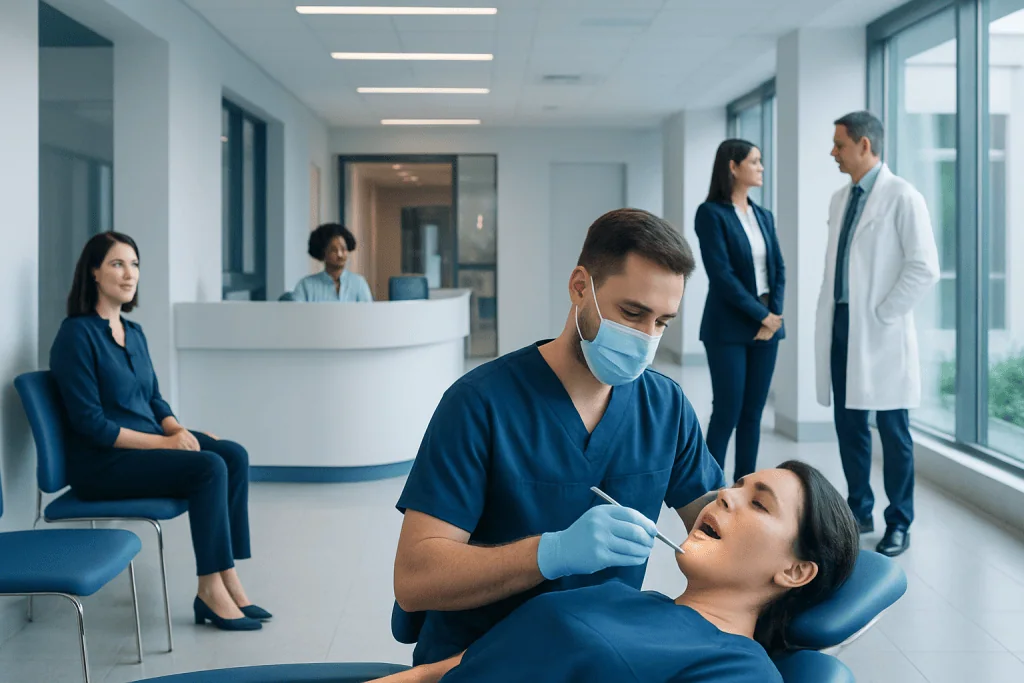
Professional teeth cleaning helps remove hardened tartar, which cannot be removed safely with a toothbrush at home. Cleanings reduce plaque buildup, a main contributor to cavities, gum inflammation, and bad breath.
Key Takeaways
- Professional teeth cleaning helps remove hardened tartar, which cannot be removed safely with a toothbrush at home.
- Cleanings reduce plaque buildup, a main contributor to cavities, gum inflammation, and bad breath.
- Healthy gums are important for keeping teeth stable and comfortable over time.
- Most people benefit from routine dental cleanings, but the ideal schedule depends on individual gum health and risk factors.
- Professional cleaning works best when combined with consistent home care, including brushing, flossing, and regular dental checkups.
Professional teeth cleaning removes plaque and tartar that daily brushing and flossing cannot fully control. Regular cleanings support healthier gums, fresher breath, and earlier detection of dental concerns.
Overview
Professional teeth cleaning, also called dental prophylaxis, is a routine preventive dental procedure performed by a dentist or dental hygienist. Its main purpose is to remove plaque and tartar from the teeth, especially in areas that are difficult to clean well at home. The appointment may also include polishing, flossing, gum assessment, and personalized oral hygiene advice.
Even with careful brushing and flossing, plaque can collect along the gumline, between teeth, and around dental restorations such as crowns, bridges, or fillings. Over time, plaque may harden into tartar, also known as calculus. Tartar sticks firmly to tooth surfaces and usually requires professional instruments for safe removal.
Professional teeth cleaning is not only about making teeth feel smooth or look brighter. It is an important part of maintaining gum health and reducing the risk of common dental problems, including gingivitis, periodontitis, cavities, and persistent bad breath. For many people, routine cleaning appointments also provide a valuable opportunity to detect early changes before they become more complex to treat.
Plaque, Tartar, and Gum Health
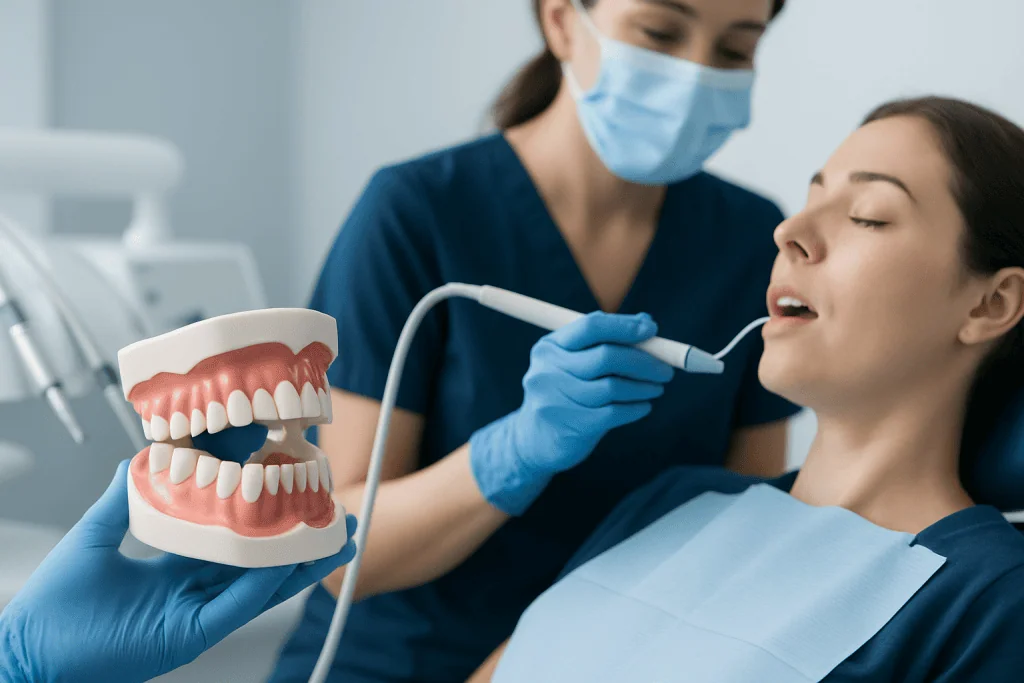
Plaque is a soft, sticky film of bacteria that forms naturally on teeth throughout the day. When foods and drinks containing sugars or starches are consumed, bacteria in plaque produce acids that can weaken enamel and irritate the gums. If plaque is not removed regularly, it can contribute to tooth decay and gum inflammation.
Tartar forms when plaque remains on the teeth long enough to mineralize. It can appear as a yellow, brown, or chalky deposit, commonly near the gumline or behind the lower front teeth. Unlike plaque, tartar cannot be brushed away and may create a rough surface where more plaque can collect.
Gum health depends on keeping the area where the tooth meets the gum as clean as possible. Early gum inflammation, known as gingivitis, may cause redness, swelling, tenderness, or bleeding during brushing or flossing. At this stage, gum changes are often reversible with improved home care and professional cleaning.
If gum inflammation progresses, it can affect the supporting tissues and bone around the teeth. This condition is called periodontitis and requires more detailed assessment and treatment. Regular professional cleaning helps reduce bacterial buildup and supports early identification of gum problems.
Benefits of Professional Teeth Cleaning
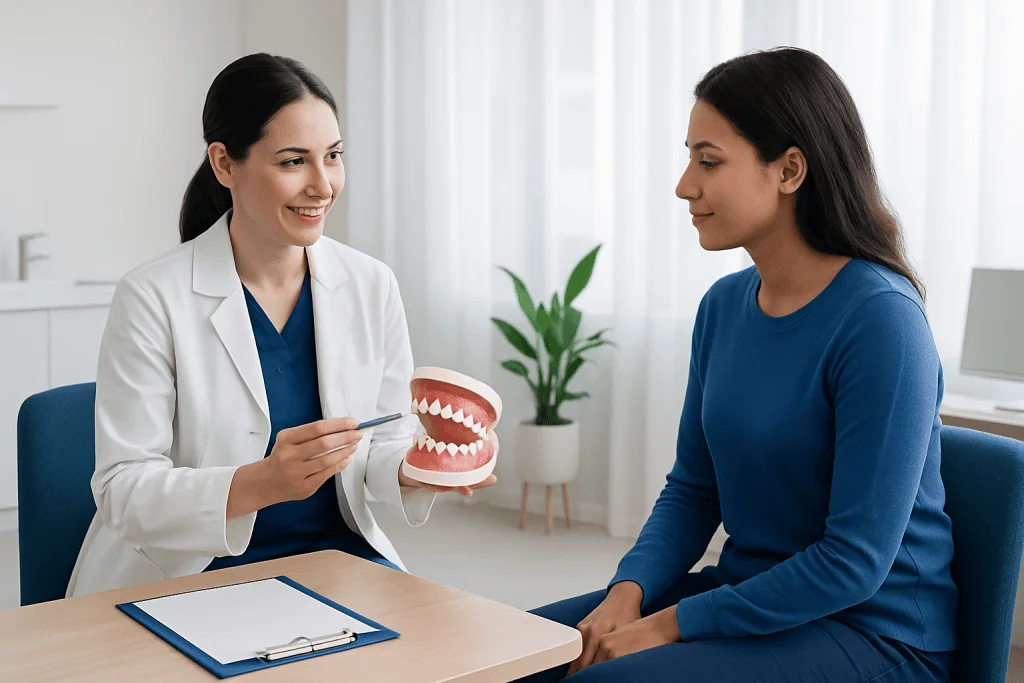
The most important benefit of professional teeth cleaning is the safe removal of plaque and tartar from areas that are hard to reach at home. Dental professionals use specialized instruments to clean around the gumline, between teeth, and along surfaces where buildup commonly occurs. This helps lower the bacterial load in the mouth and supports healthier gums.
Professional cleaning can also help reduce gum bleeding caused by plaque-related inflammation. Many patients notice that their gums feel less tender and brushing becomes more comfortable after regular cleanings and improved daily hygiene. Cleaner tooth surfaces may also make it easier to maintain oral hygiene between visits.
Additional benefits may include fresher breath, removal of some surface stains, and a smoother feeling on the teeth. While professional cleaning is not the same as teeth whitening, polishing can remove external stains from coffee, tea, tobacco, or certain foods. The result is often a cleaner, brighter appearance without changing the natural tooth color.
A cleaning appointment is also a preventive health visit. The dentist or hygienist may check for cavities, cracked teeth, worn fillings, signs of gum disease, oral lesions, bite problems, and other concerns. Early detection can make treatment simpler and more predictable.
What Happens During a Cleaning Appointment
A professional teeth cleaning usually begins with a review of dental and medical history. The dental team may ask about medications, pregnancy, chronic conditions, smoking, dry mouth, bleeding gums, tooth sensitivity, or recent dental symptoms. This information helps guide safe and appropriate care.
The clinician then examines the teeth and gums. Gum measurements may be taken with a small probe to check the depth of the spaces around teeth. Shallow, healthy gum pockets are easier to clean, while deeper pockets may suggest gum disease and may require more advanced periodontal care.
Cleaning commonly includes scaling, which removes plaque and tartar using hand instruments or ultrasonic devices. Ultrasonic instruments use gentle vibration and water spray to loosen deposits. After scaling, the teeth may be polished with a special paste to remove surface stains and make the enamel feel smooth.
Depending on the patient’s needs, the appointment may also include flossing, fluoride application, oral hygiene coaching, or recommendations for interdental brushes, special floss, or other tools. If signs of gum disease are present, the dentist may recommend periodontal treatment rather than a standard preventive cleaning.
How Often Should Teeth Be Professionally Cleaned?
The ideal frequency of professional teeth cleaning varies from person to person. Many adults with healthy gums are advised to have routine dental visits about twice a year, but this is a general guide rather than a rule for everyone. The best schedule should be based on a dentist’s assessment of oral health, plaque control, gum condition, and risk factors.
Some people may need more frequent cleanings. This may include individuals with a history of gum disease, heavy tartar buildup, diabetes, dry mouth, smoking or tobacco use, orthodontic appliances, many dental restorations, or difficulty cleaning between teeth. Pregnancy, certain medications, and reduced saliva flow can also affect gum health and plaque control.
Children and teenagers also benefit from preventive dental visits. Their cleaning schedule may depend on cavity risk, diet, brushing habits, orthodontic treatment, and tooth eruption. Early dental education can help children build confident, lifelong oral hygiene habits.
It is helpful to think of cleaning frequency as a personalized prevention plan. A dentist or dental hygienist can explain whether routine maintenance is enough or whether a shorter interval would better support gum stability and cavity prevention.
Prevention and Self-care Between Cleanings
Professional teeth cleaning is most effective when combined with daily oral hygiene at home. Brushing twice a day with fluoride toothpaste helps remove plaque from tooth surfaces and supports enamel strength. A soft-bristled toothbrush is usually recommended because it cleans effectively without irritating the gums when used with gentle technique.
Cleaning between the teeth is essential because a toothbrush cannot fully reach these spaces. Dental floss, interdental brushes, water flossers, or other devices may be recommended depending on the size of the gaps, gum condition, and presence of braces, bridges, or implants. The best tool is the one a person can use correctly and consistently.
Helpful habits for plaque control and gum health include:
- Brushing for about two minutes, paying attention to the gumline.
- Cleaning between teeth once daily.
- Limiting frequent sugary snacks and drinks.
- Drinking water, especially after meals or acidic beverages.
- Avoiding tobacco products, which increase the risk of gum disease and oral health problems.
- Replacing toothbrushes or brush heads regularly, especially when bristles become worn.
People who experience tooth sensitivity, bleeding gums, or persistent bad breath should not simply brush harder. Aggressive brushing can damage gum tissue and enamel. A dental professional can identify the cause and recommend safer techniques or products.
When to See a Dentist
Routine dental visits are recommended even when there is no pain. Many early dental and gum problems develop quietly, and professional examination can identify changes before symptoms become noticeable. A person should also arrange a dental appointment if gums bleed frequently, teeth feel loose, gums appear to be receding, or there is ongoing bad breath or a bad taste in the mouth.
Dental care should also be sought for tooth sensitivity, pain when biting, swelling, broken teeth, lost fillings, sores that do not heal, or sudden changes in the mouth. People with diabetes, heart conditions, immune system concerns, pregnancy, or a history of periodontal disease may benefit from coordinated dental and medical guidance.
For international patients seeking evaluation or treatment, Acibadem International’s multidisciplinary specialists and JCI-accredited hospitals provide diagnosis and dental care pathways, including preventive and periodontal services. As with any health decision, patients should consult a qualified dentist for advice tailored to their individual needs.
Frequently asked questions
Is professional teeth cleaning painful?
Most people find professional teeth cleaning comfortable or only mildly uncomfortable. Sensitivity may occur if there is gum inflammation, exposed root surfaces, or heavy tartar buildup. Patients should tell the dental team if they feel discomfort so the technique can be adjusted.
Can tartar be removed at home?
Tartar should not be scraped off at home because improper tools or technique can damage enamel and gums. Once plaque hardens into tartar, it usually requires professional dental instruments for safe removal. Daily brushing and cleaning between teeth help prevent new tartar from forming.
Does professional cleaning whiten teeth?
Professional cleaning can remove some surface stains and make teeth look cleaner and brighter. However, it does not change the natural internal color of the teeth in the way whitening treatments do. A dentist can explain safe options if a patient wants a whiter shade.
Why do gums bleed during or after cleaning?
Bleeding often happens when gums are inflamed due to plaque buildup. After tartar is removed and home care improves, bleeding usually decreases over time. Persistent or heavy bleeding should be discussed with a dentist, especially if there are medical conditions or blood-thinning medications.
How long does a dental cleaning take?
A routine cleaning appointment often takes less than an hour, but the exact time depends on plaque and tartar levels, gum condition, and whether X-rays or a detailed examination are needed. Patients with gum disease or heavy buildup may require longer or additional visits.
Is professional cleaning safe for dental implants, crowns, or braces?
Yes, professional cleaning is important for people with implants, crowns, bridges, and braces. These areas can trap plaque and require careful cleaning with appropriate instruments. The dental team may recommend special home-care tools to protect restorations and surrounding gums.
References
- American Dental Association
- Centers for Disease Control and Prevention
- National Institute of Dental and Craniofacial Research
- World Health Organization
- European Federation of Periodontology
This article is for general information only and is not a substitute for professional medical advice. Please consult a qualified doctor about your individual situation.
FESS in Turkey — costs, top hospitals & a free quote
JCI-accredited · board-certified surgeons · reply within 24h
Add us as a Preferred Source to see more of our trusted health content across Google Search, AI Overviews and Discover.

Dental & Oral Health
Full-scope dental care from implants and aesthetics to oral and maxillofacial surgery.
158 specialists in this unitRelated Treatments
More from the Health Library



Related Specialists

Assoc. Prof. Dr. Ferit Bayram
Oral & Dental Health
Dt. Alara Naz Kenir
Oral & Dental Health
Dt. Gonca Katmer
Oral & Dental HealthDt. Doğa Baysal
Oral & Dental Health