Prolapsed Anus Treatment: How It Works, Results and What to Expect

A prolapsed anus usually refers to rectal prolapse, in which part or all of the rectum protrudes through the anus. Complete rectal prolapse in adults usually does not resolve permanently without medical assessment and often requires surgery.
Key Takeaways
- A prolapsed anus usually refers to rectal prolapse, in which part or all of the rectum protrudes through the anus.
- Complete rectal prolapse in adults usually does not resolve permanently without medical assessment and often requires surgery.
- Treatment may include managing constipation, pelvic-floor rehabilitation and a tailored surgical repair.
- Surgical approaches may be abdominal or perineal, with the choice guided by health, anatomy and prolapse severity.
- Urgent assessment is needed if protruding tissue cannot be returned, becomes dark, severely painful or is associated with heavy bleeding.
Prolapsed anus treatment depends on whether rectal tissue is temporarily protruding, partially prolapsed, or fully prolapsed through the anal opening. A specialist can confirm the cause and recommend bowel-care measures, pelvic-floor support or surgery when symptoms are persistent or the prolapse is complete.
Overview: how prolapsed anus treatment works
The term “prolapsed anus” commonly describes rectal prolapse. This occurs when the rectum, the final part of the large bowel, slips downward and may protrude through the anal opening. Prolapsed anus treatment aims to relieve symptoms, protect the protruding tissue and, when needed, restore the rectum to its usual position.
For a small internal prolapse or early symptoms, treatment may focus on improving bowel habits and reducing straining. However, a full-thickness rectal prolapse in adults generally needs evaluation by a colorectal surgeon because conservative measures may improve comfort but usually cannot provide a permanent anatomical correction.
Care is individualized. The clinician considers the type of prolapse, constipation or diarrhea, leakage of stool, age, overall health, previous pelvic surgery and the person’s goals. The most appropriate plan may involve gastroenterology, colorectal surgery, pelvic-floor physiotherapy and, in some cases, urogynecology or urology.
What do doctors do for a prolapsed anus?
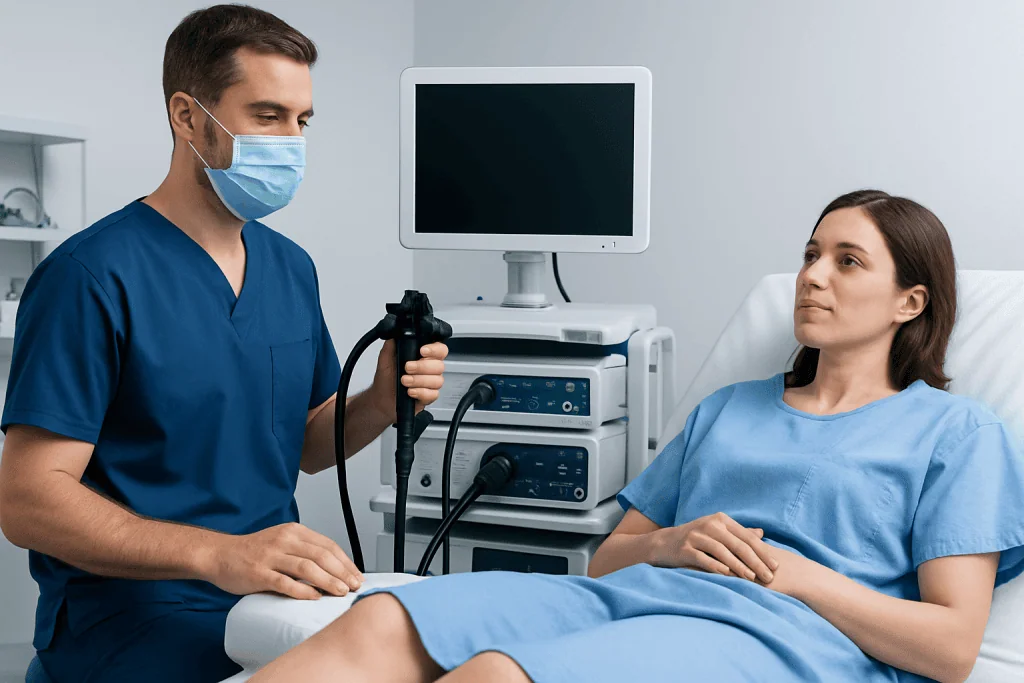
Doctors first confirm that the problem is rectal prolapse rather than hemorrhoids, a prolapsing polyp, or another anal or pelvic-floor condition. They ask about a visible bulge, mucus or blood discharge, difficulty controlling gas or stool, constipation, incomplete emptying and discomfort. A physical examination, sometimes while the person bears down, is central to diagnosis.
Further tests may be used to plan care. These can include colonoscopy to examine the bowel and exclude other causes of bleeding or change in bowel habits; defecography or dynamic pelvic imaging to assess how the pelvic floor works during evacuation; and anal manometry to measure muscle function. Not every person needs every test.
Initial care commonly addresses stool consistency and straining. A clinician may recommend adequate fluids, dietary fiber when appropriate, a bowel routine, and treatment for constipation or diarrhea. Pelvic-floor physiotherapy may help improve coordination and continence symptoms, particularly when pelvic-floor weakness contributes. These measures are important before and after surgery, but they do not reliably correct a complete external rectal prolapse.
When surgery is advised, the aim is to secure the rectum and reduce the chance of recurrent prolapse while preserving bowel function. An experienced colorectal team can discuss the available approaches and their likely benefits and limitations for the individual.
Will a prolapsed anus go back to normal?

A small amount of rectal tissue may sometimes retract after a bowel movement, especially early in the condition. However, repeated protrusion should not be ignored. Over time, prolapse may occur more often, remain out longer, and become associated with mucus leakage, bleeding, irritation or difficulty controlling bowel movements.
In adults, a complete rectal prolapse usually does not return to normal permanently on its own. A person may be able to gently reduce a prolapse after it occurs, but this is not a cure. They should receive individualized instructions from a healthcare professional about safe reduction and bowel management.
Children can develop rectal prolapse for different reasons, and it may resolve when the underlying trigger—such as constipation or diarrhea—is treated. Children should nevertheless be assessed by a pediatric clinician, particularly if prolapse recurs, bleeding occurs, or growth and nutrition are concerns.
Candidacy and the main treatment procedures
Surgery is commonly considered for full-thickness prolapse, recurring external prolapse, trapped or difficult-to-reduce tissue, significant bleeding or ulceration, troublesome leakage, or symptoms that substantially affect daily life. The decision is not based on appearance alone. A surgeon weighs symptom burden against surgical risks and the person’s general fitness for anesthesia and recovery.
Abdominal rectopexy is one broad group of operations. Using open, laparoscopic or robotic techniques, the surgeon works through the abdomen to lift and secure the rectum. Some procedures also remove a section of sigmoid colon when longstanding constipation or bowel anatomy suggests this may be helpful. Minimally invasive techniques may allow smaller incisions and a faster early recovery for suitable patients.
Perineal procedures are performed through the area around the anus and may remove or fold part of the prolapsed bowel. They can be particularly useful for people for whom abdominal surgery carries greater risk. The best procedure varies, and recurrence rates, recovery and effects on constipation or continence differ between techniques.
Preparation can include blood tests, review of medications, bowel preparation when indicated, and discussion of anesthesia. Patients should tell the team about blood thinners, diabetes medicines, heart or lung conditions, previous abdominal operations and any difficulties with anesthesia. Rectal prolapse treatment may include a tailored surgical plan and coordinated management of bowel and pelvic-floor symptoms.
How the procedure is performed and what recovery involves
On the day of surgery, the care team confirms the plan, reviews consent and provides anesthesia. For abdominal surgery, small incisions may be made in the abdomen for a camera and surgical instruments, or a larger incision may be needed in selected circumstances. The rectum is gently mobilized, repositioned and secured; additional bowel surgery is performed only when planned and clinically appropriate.
For a perineal repair, the surgeon accesses the prolapse through the anus and removes or reconstructs the affected tissue as needed. The exact duration of any operation varies with the procedure, anatomy, prior surgery and whether additional pelvic-floor repair is required. The surgeon can explain the expected approach before treatment.
Hospital stay ranges from a short stay after some minimally invasive procedures to longer observation after more extensive surgery or when medical conditions need monitoring. Early walking, breathing exercises, pain control and gradual return to food and fluids support recovery. The team watches for bowel function to return and provides guidance on wound care, bathing, activity and medication.
Most people need to avoid heavy lifting and straining for a period advised by their surgeon. A soft, regular stool is especially important during healing. Follow-up visits review recovery, bowel habits, continence and any symptoms that might suggest recurrence. Recovery timing varies, so patients should follow their own surgical team’s instructions rather than comparing progress with others.
Benefits, possible risks and protecting long-term results
The potential benefits of repair include stopping or reducing the visible prolapse, less mucus leakage and irritation, improved comfort and better control of bowel movements for some people. Results vary. Existing constipation or fecal incontinence may improve, remain unchanged, or occasionally worsen, depending on the underlying pelvic-floor function and the procedure used.
All operations carry possible risks, including bleeding, infection, blood clots, injury to nearby organs, anesthesia-related complications and the need for further treatment. Procedure-specific risks can include urinary difficulties, bowel obstruction, constipation, persistent leakage or recurrence of prolapse. A surgeon explains the risks that are most relevant to the planned operation and the person’s medical history.
Long-term self-care supports the repair and overall bowel health. Helpful measures may include responding to the urge to pass stool, avoiding prolonged sitting and straining on the toilet, maintaining hydration, following personalized fiber advice, staying physically active when cleared, and treating chronic cough or constipation. Pelvic-floor therapy can be useful when recommended by the care team.
Patients should contact their clinician after surgery for fever, worsening pain, persistent vomiting, inability to pass urine, increasing abdominal swelling, heavy rectal bleeding, wound concerns, or a recurrent bulge. Prompt communication helps the team assess whether symptoms are expected during healing or need treatment.
What happens if you don't fix a prolapsed anus?
Without treatment, rectal prolapse may remain stable for a time, but it often becomes more frequent or more difficult to reduce. Repeated exposure of rectal lining can lead to swelling, mucus discharge, bleeding, soreness and skin irritation. Some people develop or experience worsening difficulty controlling stool or gas.
In some cases, the protruding rectum can become trapped outside the body. Swelling may then make it hard to return the tissue to its usual position. Rarely, the blood supply can be compromised, which is an urgent medical problem. This is why new, recurrent or persistent prolapse should be assessed rather than managed alone.
Not everyone requires immediate surgery, particularly if symptoms are mild or other health conditions make surgery unsuitable. Even then, medical follow-up is valuable to manage bowel habits, monitor changes and make a plan if symptoms progress.
Is fixing a prolapse a big operation? When to seek medical care
Fixing rectal prolapse can range from a relatively less invasive perineal procedure to a more substantial abdominal operation. Whether it is considered a “big operation” depends on the technique, whether bowel is removed, the need for open versus minimally invasive surgery, and the person’s overall health. A careful preoperative assessment helps match the procedure to the individual and reduce avoidable risk.
A person should arrange a medical appointment for a new anal bulge, recurrent tissue protrusion, unexplained rectal bleeding, mucus leakage, bowel-control changes, chronic constipation, or a feeling that the bowel does not empty. These symptoms can have several causes, so an accurate diagnosis is important.
Urgent medical care is needed if the prolapse cannot be gently reduced, appears dark purple, black or very swollen, causes severe or increasing pain, or is accompanied by heavy bleeding, fainting, fever or severe abdominal symptoms. These signs do not always indicate a serious complication, but they require prompt assessment.
Acibadem International’s multidisciplinary specialists at JCI-accredited hospitals diagnose and treat rectal prolapse for international patients, coordinating surgical and supportive care when appropriate.
Frequently asked questions
What is the difference between rectal prolapse and hemorrhoids?
Rectal prolapse involves part or all of the rectal wall moving down through the anus. Hemorrhoids are swollen blood vessels in or around the anus and may also protrude, but they are different conditions. A clinician can usually distinguish them through examination.
Can constipation cause a prolapsed anus?
Chronic straining from constipation is a recognized contributor to rectal prolapse and pelvic-floor dysfunction. It is not the only cause; aging, prior pelvic surgery, neurologic conditions and chronic cough may also play a role. Treating constipation is an important part of care, whether or not surgery is needed.
Can exercise make rectal prolapse worse?
Activities that markedly increase abdominal pressure, especially heavy lifting with straining, may aggravate symptoms in some people. Gentle movement is generally beneficial, but activity should be tailored to symptoms and medical advice. After surgery, the surgeon will give specific restrictions and a return-to-exercise plan.
How long does it take to recover from rectal prolapse surgery?
Early recovery varies according to the operation and the person’s health. Some people return to lighter daily activities within a few weeks, while full healing and return to unrestricted activity may take longer. The surgical team provides the most reliable timeline based on the procedure performed.
Can rectal prolapse come back after surgery?
Yes, recurrence is possible after any repair, although surgery is intended to provide lasting correction. The likelihood depends on the procedure, tissue and pelvic-floor factors, bowel habits and overall health. Ongoing follow-up and avoiding chronic straining can help support long-term results.
Is rectal prolapse surgery painful?
Discomfort is expected after surgery, but pain management is a routine part of hospital and home recovery. The team may use several approaches to keep pain controlled while supporting early movement and bowel function. Increasing or uncontrolled pain should be reported promptly.
References
- American Society of Colon and Rectal Surgeons
- National Institute of Diabetes and Digestive and Kidney Diseases
- Mayo Clinic
- NHS
This article is for general information only and is not a substitute for professional medical advice. Please consult a qualified doctor about your individual situation.
Persistent digestive symptoms? Get evaluated in Turkey
JCI-accredited · board-certified surgeons · reply within 24h
Add us as a Preferred Source to see more of our trusted health content across Google Search, AI Overviews and Discover.