Proton Therapy for Lymphoma: How It Works, Results and What to Expect

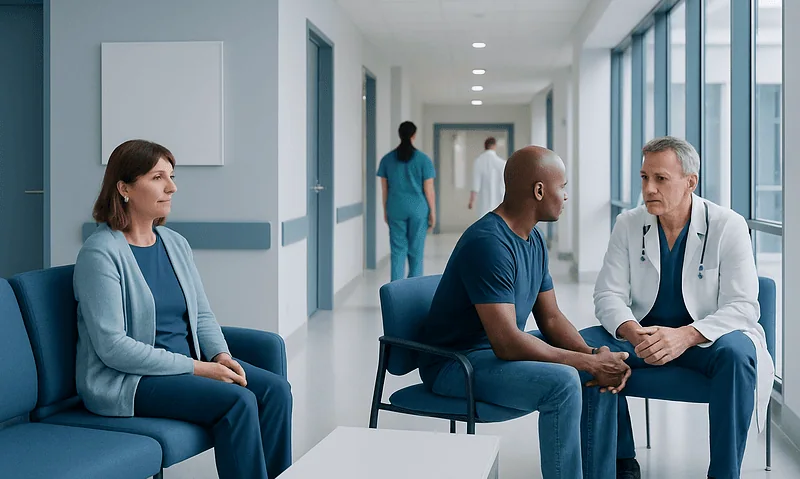
Proton therapy may be considered when lymphoma is close to radiation-sensitive organs or tissues. It is planned individually and is commonly used as part of combined treatment with chemotherapy, immunotherapy or other care.
Key Takeaways
- Proton therapy may be considered when lymphoma is close to radiation-sensitive organs or tissues.
- It is planned individually and is commonly used as part of combined treatment with chemotherapy, immunotherapy or other care.
- Treatment itself is painless, usually delivered on weekdays over several sessions, and does not make a person radioactive.
- Potential side effects depend mainly on the treatment area and can include fatigue, skin changes and temporary irritation of nearby tissues.
- A radiation oncologist can explain whether proton therapy offers a meaningful advantage over modern photon radiation for an individual treatment plan.
Proton therapy for lymphoma is a type of external-beam radiation treatment that uses proton particles rather than X-rays. For carefully selected patients, it can deliver the prescribed dose to lymphoma while reducing radiation reaching nearby healthy structures, such as the heart, lungs, breasts, thyroid or spinal cord.
Overview: What Is Proton Therapy for Lymphoma?
Proton therapy for lymphoma is an advanced form of radiation therapy that can treat lymphoma cells with highly targeted energy. It may be particularly helpful when treatment is needed in areas close to important organs, including the chest, neck, upper abdomen or pelvis. The central aim is the same as with other radiation approaches: to control or eliminate lymphoma in the planned treatment area while protecting healthy tissue as much as possible.
Unlike standard photon radiation, which uses X-rays, proton therapy uses positively charged particles called protons. Protons release most of their energy at a planned depth in the body and then stop. This physical property can reduce the radiation dose delivered beyond the target, although the best approach depends on the exact location and shape of the lymphoma, the person’s age, previous treatments and the overall treatment goal.
Lymphoma is a cancer of the lymphatic system and includes Hodgkin lymphoma and non-Hodgkin lymphoma. Radiation may be used alone in selected early-stage cases, after systemic therapy to treat remaining disease sites, or for symptom relief in certain situations. Proton therapy is one possible radiation technique within a wider care plan for lymphoma.
How Proton Treatment Works
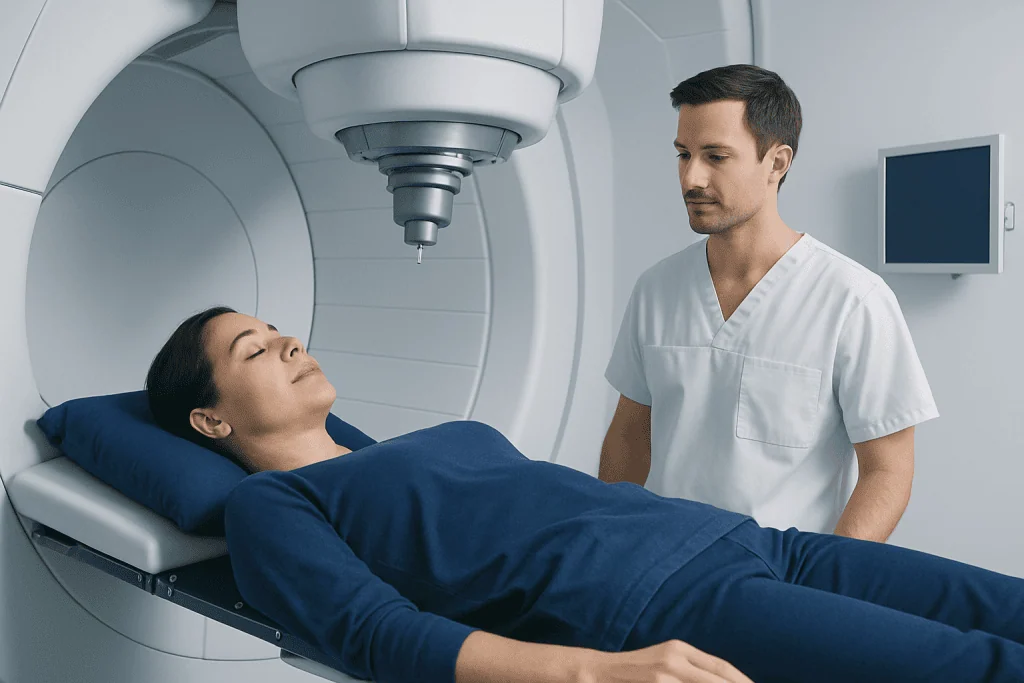
Radiation damages the DNA inside cancer cells, making it harder for them to keep growing and dividing. Lymphoma cells are often sensitive to radiation, which is why radiotherapy remains an important treatment tool for some lymphoma subtypes and stages. The radiation oncology team uses imaging and computerized planning to define the treatment target and the normal tissues that need protection.
With proton therapy, a machine accelerates protons and directs them into the body from carefully selected angles. The treatment plan is designed so that the protons deposit their highest dose in the intended target. In comparison, photon radiation delivers dose as it enters the body, within the target and as it exits on the other side. Both methods can be effective; the practical advantage of protons is often lower unwanted dose to certain nearby organs.
This difference can matter for lymphoma involving lymph nodes in the chest, especially near the heart, lungs or breasts. It can also be relevant for disease near the head and neck, spine, kidneys or reproductive organs. However, proton therapy is not automatically better for every person with lymphoma. A plan comparison between proton and advanced photon techniques may help the clinical team identify the safest and most appropriate option.
Who May Be a Candidate?

Candidacy for proton therapy for lymphoma is decided by a multidisciplinary cancer team, usually including a hematologist or medical oncologist, radiation oncologist, radiologist, pathologist and other specialists as needed. The team considers the lymphoma subtype, stage, involved sites, response to previous treatment, general health and the reason radiation is being recommended.
Proton therapy may be considered when the planned radiation field is close to organs that are sensitive to radiation. Younger patients, people with a long expected survival after treatment, and those who have received radiation before may also be assessed carefully, because limiting dose to normal tissues may be especially valuable over the long term. Children and adolescents require specialized planning because developing tissues can be more sensitive to radiation effects.
Not every patient needs proton therapy. Modern photon approaches, such as intensity-modulated radiation therapy and image-guided radiation therapy, can also shape dose very precisely and may be appropriate in many cases. The decision should be based on an individualized comparison of expected tumor coverage, normal-tissue exposure, treatment availability and the person’s wider care needs.
- Early-stage lymphoma in the chest or neck may be evaluated for highly conformal radiation planning.
- Residual lymphoma after chemotherapy may be treated when radiation is clinically indicated.
- Relapsed disease or prior radiation treatment may require detailed review by an experienced radiation oncology team.
What Happens During the Procedure?
Before treatment begins, the person attends a planning appointment called simulation. This commonly includes a CT scan in the treatment position and may include PET/CT or MRI information to help define the target. A customized support device, such as a head mask, cushion or body mold, may be made to help the person stay comfortably still and reproduce the same position each day.
The radiation team then creates a detailed treatment plan. They map the lymphoma area and nearby organs, calculate beam angles and verify the intended dose. In some chest treatments, a breath-hold technique may be used to increase the distance between the heart and the treatment field. Planning can take days to weeks, depending on the complexity of the case and whether plan comparison is needed.
During each treatment visit, the person lies on a treatment table while therapists position the body and take verification images. The proton beam is delivered from outside the body; it is painless and cannot be felt. Staff observe and communicate from a nearby control room. A visit may last around 30 to 60 minutes because of positioning and checks, while the actual beam delivery is generally shorter.
Treatment is commonly given once daily on weekdays for a number of sessions determined by the treatment plan. The schedule varies according to lymphoma type, stage, treatment intent and whether radiation follows systemic treatment. The patient does not become radioactive and can safely be around family members after each session.
Expected Benefits, Side Effects and Recovery Timeline
The potential benefit of proton therapy is reduced radiation exposure outside the target area, particularly beyond the point where the proton beam stops. For suitable lymphoma cases, this may lower dose to organs such as the heart, lungs, breasts, thyroid, esophagus, kidneys or bowel. Reducing unnecessary dose is an important planning goal, but it does not mean side effects are absent or that outcomes are guaranteed.
Short-term effects depend on the body region being treated and are usually manageable with support from the care team. Fatigue may build gradually during treatment and improve over several weeks afterward. Skin in the treated area can become dry, red or sensitive. Radiation to the neck may cause a sore throat or dry mouth, while chest treatment can cause temporary swallowing discomfort or cough. Abdominal or pelvic radiation may lead to nausea, loose stools, bladder irritation or reduced appetite.
Most people continue many everyday activities during treatment, adjusting their schedule as fatigue develops. Side effects may peak near the end of treatment or shortly afterward, then begin to settle in the following weeks. Follow-up appointments allow the team to assess recovery, manage symptoms and coordinate ongoing lymphoma surveillance.
Late effects are less common but can occur months or years later and vary by the tissues exposed. Depending on the treatment area, they may include changes affecting the heart, lungs, thyroid, fertility or risk of a second cancer. These risks are influenced by age, prior chemotherapy, radiation dose and other health factors. Proton planning seeks to lower exposure where feasible, but long-term follow-up remains important for all lymphoma survivors receiving radiation.
Preparation, Self-Care and Follow-Up
Before radiation starts, patients should tell their team about all medicines, supplements, allergies, previous cancer treatments and implanted medical devices. It is also helpful to discuss practical needs, such as transportation, work arrangements, fertility preservation, nutrition support and emotional wellbeing. A dentist, cardiologist, fertility specialist or other clinician may be involved when the treatment area or individual health history makes this appropriate.
During treatment, gentle self-care can support comfort. Patients are usually advised to rest when needed, remain physically active within their energy level, drink fluids and eat regular nourishing meals. The radiation team can provide specific skin-care advice; in general, the treated area should be protected from strong sun, heat and friction, and no creams or products should be applied without checking with the team.
Follow-up care is shared between radiation oncology and the lymphoma team. It may include physical examinations, blood tests and imaging when clinically appropriate. Follow-up also addresses late-effect monitoring, vaccinations where indicated, healthy lifestyle support and emotional recovery. Acibadem International’s multidisciplinary specialists and JCI-accredited hospitals diagnose and treat lymphoma for international patients, including individualized radiation planning where appropriate.
When to Seek Medical Care
Patients should contact their oncology or radiation team promptly if treatment side effects are difficult to manage, such as persistent vomiting, inability to drink enough fluids, severe pain, worsening shortness of breath, fever, rapidly spreading skin changes, significant diarrhea or new symptoms that are concerning. The team can advise whether symptoms can be managed at home, need an urgent clinic assessment or require emergency care.
Emergency medical help is needed for severe breathing difficulty, chest pain, confusion, fainting, uncontrolled bleeding, signs of a serious allergic reaction or any sudden, severe deterioration. People receiving chemotherapy or other systemic lymphoma treatments should also follow their oncology team’s instructions about fever or possible infection, as these may require urgent evaluation.
For anyone newly diagnosed with lymphoma or considering radiation treatment, a consultation with a hematology and radiation oncology team can clarify the role of treatment, likely benefits, possible side effects and alternatives. Questions about proton therapy are best answered after the team has reviewed the individual’s scans, pathology results and previous treatment history.
Frequently asked questions
Is proton therapy effective for lymphoma?
Proton therapy can be an effective way to deliver prescribed radiation for selected lymphoma cases. Its main potential advantage is reducing radiation dose to nearby healthy tissues, while maintaining coverage of the lymphoma target. Whether it improves the overall treatment plan for an individual requires expert review.
Does proton therapy hurt?
The proton beam itself is painless and cannot be felt. People must lie still during positioning and treatment, which can be uncomfortable for some, but the team provides supports to improve comfort. Side effects, if they occur, usually develop gradually during or after the course of treatment.
How long does proton therapy for lymphoma take?
The number of treatment sessions varies according to lymphoma type, stage, treatment goal and previous therapies. Treatments are often given on weekdays over one or more weeks. The radiation oncologist provides the exact schedule after completing treatment planning.
Can proton therapy replace chemotherapy for lymphoma?
It depends on the lymphoma subtype and stage. Some early, localized lymphomas may be treated with radiation alone, while many people need chemotherapy, immunotherapy or other systemic treatment before or alongside radiation. Proton therapy is a radiation delivery method, not a substitute for systemic treatment when systemic treatment is indicated.
Will I be radioactive after proton therapy?
No. External-beam proton therapy does not leave radiation in the body. After each treatment session, patients can safely be near other people, including children and pregnant family members.
What are the long-term risks of proton therapy for lymphoma?
Long-term risks depend on the area treated, radiation dose, age, previous therapies and individual health factors. Possible concerns can include effects on nearby organs, such as the heart, lungs or thyroid, and a small risk of second cancers. Proton therapy may reduce radiation exposure to some normal tissues, but ongoing follow-up remains important.
References
- National Cancer Institute
- American Cancer Society
- International Lymphoma Radiation Oncology Group
- American Society for Radiation Oncology
- National Comprehensive Cancer Network
This article is for general information only and is not a substitute for professional medical advice. Please consult a qualified doctor about your individual situation.
Lymphoma in Turkey — costs, top hospitals & a free quote
JCI-accredited · board-certified surgeons · reply within 24h
Add us as a Preferred Source to see more of our trusted health content across Google Search, AI Overviews and Discover.

Medical Oncology Department
Medical treatment of cancer with chemotherapy, immunotherapy and targeted therapies under a multidisciplinary tumor board.
60 specialists in this unit