Proton Therapy: How It Works, Who May Be a Candidate, and Side Effects
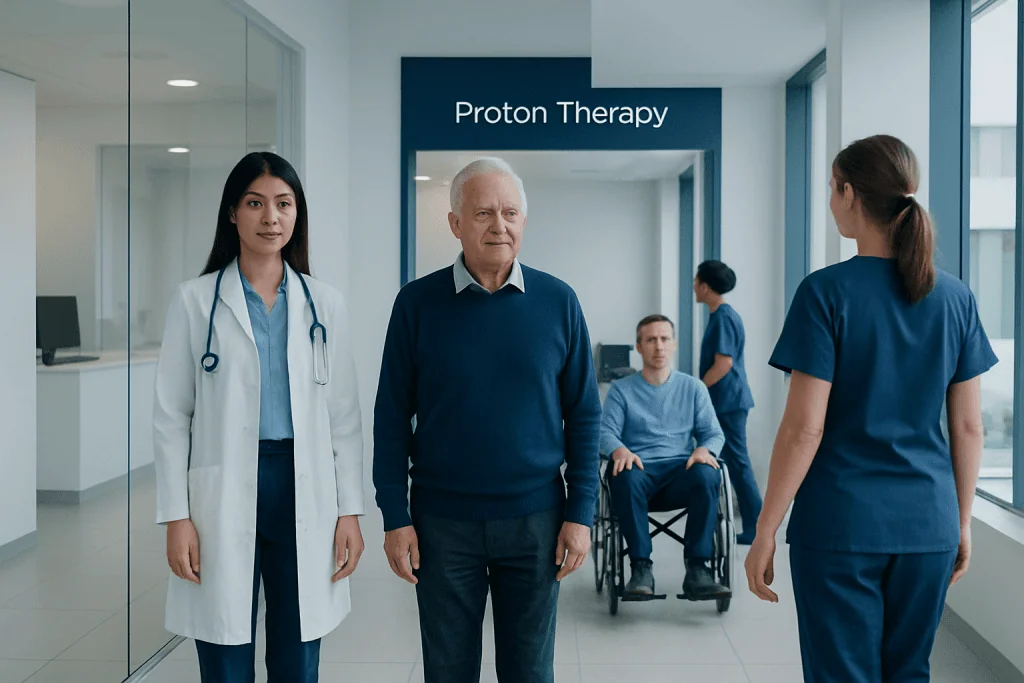
Proton therapy uses positively charged particles to deliver radiation to a tumor with high precision. It may be especially helpful when a tumor is close to vital organs or in children, where protecting healthy tissue is particularly important.
Key Takeaways
- Proton therapy uses positively charged particles to deliver radiation to a tumor with high precision.
- It may be especially helpful when a tumor is close to vital organs or in children, where protecting healthy tissue is particularly important.
- Not every person with cancer needs proton therapy; candidacy depends on tumor type, location, prior treatments, and overall treatment goals.
- Side effects can still occur, but they are often related to the body area being treated and may differ from standard radiation therapy.
- Treatment planning is individualized and usually involves imaging, simulation, and a multidisciplinary cancer team.
Proton therapy is an advanced type of radiation treatment that delivers energy directly to a tumor with greater precision than conventional radiation in some situations. It may help reduce radiation exposure to nearby healthy tissues, making it an important option for selected patients.
Overview of Proton Therapy
Proton therapy, also called proton beam therapy, is a highly specialized form of radiation treatment used for certain cancers and some noncancerous tumors. Like other types of radiation, its purpose is to damage the DNA of abnormal cells so they can no longer grow and divide. What makes proton therapy different is the kind of particle it uses: protons instead of X-rays.
With conventional radiation therapy, X-rays pass through the body and deposit energy both before and after reaching the tumor. Proton therapy can be planned so that most of the radiation is released at a specific depth, known as the Bragg peak. This feature can help limit unnecessary radiation exposure to tissues beyond the target.
Because of this precision, proton therapy may be considered when a tumor is close to sensitive structures such as the brain, spinal cord, eyes, heart, lungs, or bowel. It is also often discussed for children, who may be more vulnerable to the long-term effects of radiation on developing tissues. However, it is not automatically the best choice for every cancer, and the decision depends on careful review by specialists.
How Proton Therapy Works
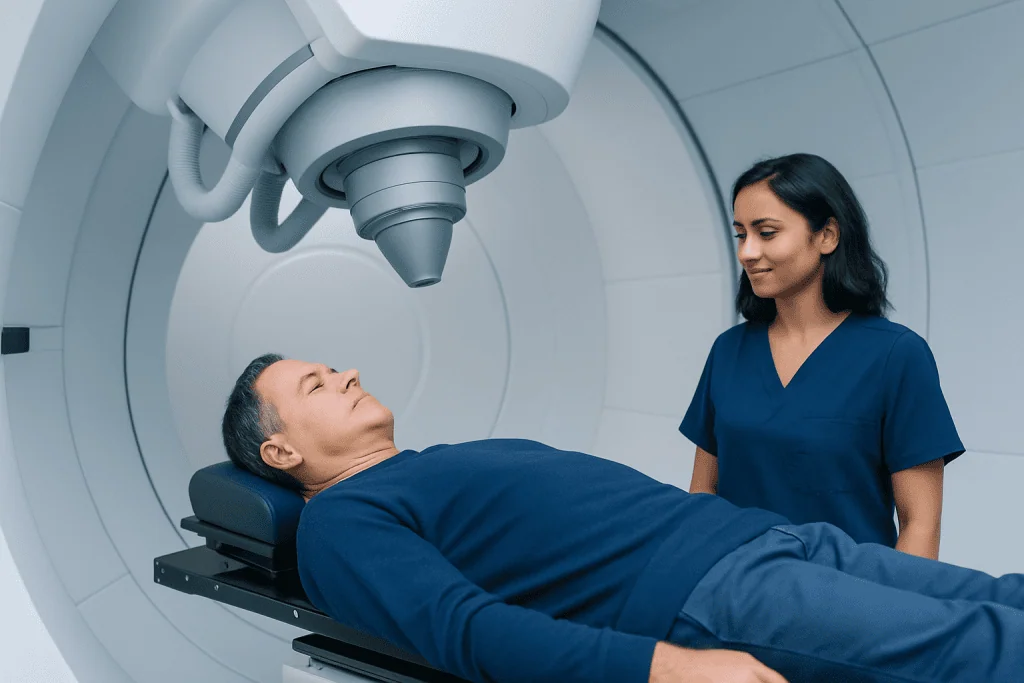
In proton therapy, protons are accelerated to high speeds in specialized equipment and then directed toward the treatment area. The treatment team shapes and guides the proton beam to match the size, shape, and depth of the tumor. This is done using detailed imaging and advanced planning software.
The main advantage of proton therapy is that the radiation dose can be concentrated more tightly within the tumor. In selected cases, this can lower radiation exposure to nearby normal tissues compared with conventional photon radiation. Reducing this dose may be particularly valuable when the goal is to preserve organ function or limit long-term complications.
Proton therapy is still radiation therapy, so it shares the same overall purpose as other radiation methods. It may be used alone or as part of a broader cancer plan that can include radiation oncology, surgery, chemotherapy, immunotherapy, or targeted therapy. The right combination depends on the cancer type, stage, and the person’s general health.
Some tumors that may be evaluated for proton therapy include selected brain tumors, head and neck cancers, prostate cancer, certain lung cancers, spinal tumors, liver tumors, sarcomas, and pediatric cancers. For some people, proton therapy may also be considered if they have already received radiation in the same area before and further treatment must be planned very carefully.
Who May Be a Candidate
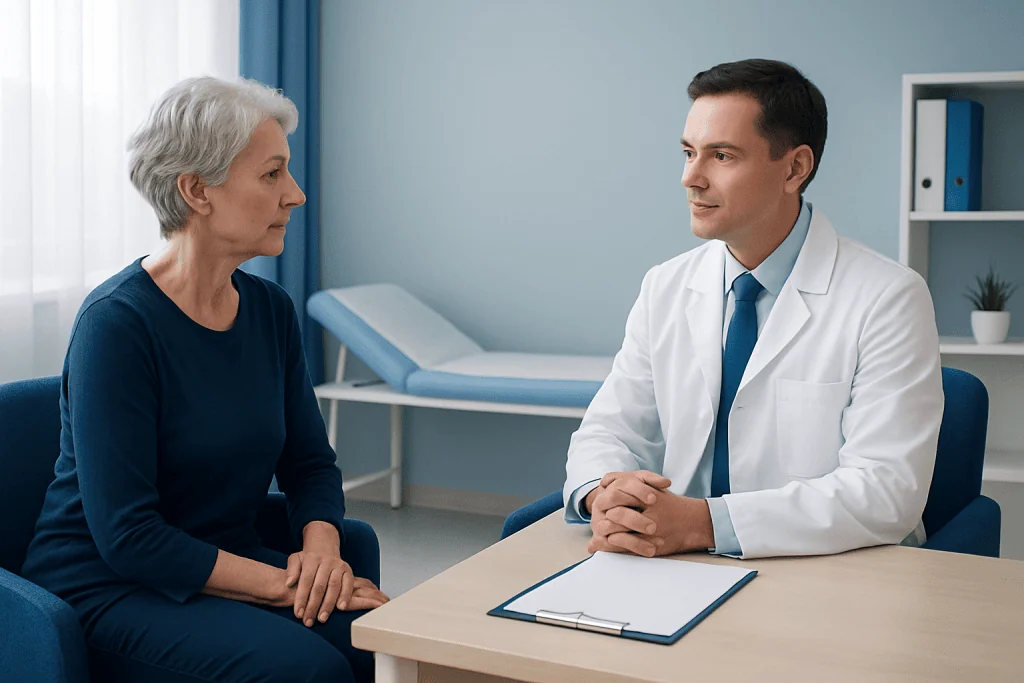
Candidacy for proton therapy is individualized. Doctors usually consider it when there is a reasonable chance that proton treatment can control the tumor while reducing radiation to important nearby organs. This can be especially relevant for tumors near the brainstem, optic nerves, spinal cord, heart, or bowel, or for patients who may be at higher risk of long-term side effects.
Children are often carefully evaluated for proton therapy because growing tissues can be more sensitive to radiation. Lowering radiation exposure to healthy organs may help reduce the risk of developmental effects or other late complications. In adults, proton therapy may be useful when a standard radiation plan would expose too much normal tissue to radiation.
Doctors also consider the exact diagnosis, whether the cancer is localized or has spread, whether surgery is possible, and whether other treatments are needed. A person may be more likely to benefit if the tumor is well-defined and located in an area where precision matters greatly. In some situations, standard radiation can provide equally effective treatment, so proton therapy is not always necessary.
A multidisciplinary team usually reviews these factors together. This may include specialists in medical oncology, surgery, radiology, and pathology. If there is concern about spread to the brain or the need for highly targeted management, related conditions such as brain tumor may be discussed as part of the evaluation.
What to Expect Before and During Treatment
Before treatment begins, patients usually have a planning appointment called simulation. During this visit, the care team helps position the body in a way that can be reproduced every day. Custom masks, cushions, or other supports may be used to keep the treatment area still, especially for tumors in the head, neck, or chest.
Imaging is a key part of planning. Doctors may use CT, MRI, or other scans to define the tumor and nearby normal tissues. In some cases, PET-CT can help clarify the extent or activity of disease and improve radiation planning. The team then designs a treatment plan that aims to deliver the prescribed dose to the target while minimizing exposure to healthy structures.
Treatment itself is usually painless. During each session, the patient lies on a treatment table while the machine delivers the proton beam from one or more angles. A session often lasts longer for setup and positioning than for the actual beam delivery. Most patients go home the same day and continue normal daily activities as they are able.
Proton therapy is often given over multiple sessions, called fractions, spread across days or weeks. The exact schedule depends on the type of cancer, the treatment goal, and whether proton therapy is being combined with other approaches such as surgery or systemic therapy. Throughout treatment, the team monitors side effects and may adjust supportive care as needed.
Benefits and Limitations
The main potential benefit of proton therapy is improved dose distribution. In carefully selected cases, this can reduce radiation to healthy tissues around and beyond the tumor. That may be helpful for preserving quality of life, lowering the chance of certain side effects, and reducing long-term risks in patients expected to live many years after treatment.
Potential advantages may be particularly meaningful for tumors near critical organs, tumors requiring re-irradiation, and many pediatric cancers. For example, limiting dose to the heart, lungs, salivary glands, bowel, or reproductive organs may matter greatly depending on the tumor location. Precision can also support treatment of complex areas such as the skull base or spine.
At the same time, proton therapy has limitations. It requires highly specialized equipment and expertise, and not every center offers it. It also does not guarantee better outcomes in every situation. For some cancers, conventional radiation therapy may offer similar tumor control with acceptable side effects.
Another important point is that proton therapy still requires precise planning because even small changes in body position, breathing, weight, or anatomy can affect dose delivery. That is why regular imaging, quality checks, and close follow-up are essential. Patients should discuss expected benefits and uncertainties with their radiation oncologist before deciding on treatment.
Possible Side Effects
Although proton therapy is designed to spare healthy tissue when possible, side effects can still occur because radiation affects both cancer cells and some normal cells in the treated area. The type and severity of side effects usually depend on where the treatment is given, the total radiation dose, the number of sessions, and whether chemotherapy or other therapies are used at the same time.
Common general side effects may include tiredness, mild skin irritation in the treated area, and temporary discomfort related to inflammation. These effects are often manageable and may improve gradually after treatment ends. However, proton therapy to different body areas can cause different symptoms. For example, treatment to the head and neck may lead to sore throat or dry mouth, while treatment to the chest may cause cough or swallowing discomfort.
Doctors also consider possible late effects, which may appear months or years after treatment. These vary depending on the site treated and may include tissue stiffness, hormonal changes, bowel or urinary symptoms, or effects on growth and development in children. One reason proton therapy is sometimes chosen is the possibility of lowering some of these long-term risks by reducing dose to surrounding tissues.
- Skin redness, dryness, or tenderness in the treated area
- Fatigue during or after the course of treatment
- Hair loss only in the area receiving radiation
- Site-specific symptoms such as nausea, bowel changes, urinary symptoms, or mouth irritation
- Less commonly, delayed effects depending on the organ treated
Patients should promptly report side effects to their treatment team. Supportive care, nutrition advice, medications, and symptom management can often make treatment more comfortable and help prevent complications.
Follow-Up, Self-Care, and When to Seek Medical Advice
Follow-up after proton therapy is an important part of care. Doctors use follow-up visits and imaging to check how the tumor has responded, monitor healing, and look for side effects that may appear later. In some cases, additional tests such as MRI or PET-CT may be used during surveillance, depending on the cancer type and location.
During and after treatment, self-care can support recovery. Patients are usually advised to rest as needed, stay hydrated, eat a balanced diet, protect treated skin from irritation and sun exposure, and follow the team’s instructions about activity and symptom management. It is also helpful to keep a record of any new symptoms and bring questions to follow-up appointments.
Medical advice should be sought promptly for symptoms such as severe pain, persistent vomiting, fever, difficulty breathing, confusion, heavy bleeding, or sudden worsening of symptoms in the treated area. People should also contact their doctor if they are unable to eat or drink well, or if fatigue becomes much more severe than expected.
When proton therapy is being considered, care at an experienced center can help patients understand the potential role of this technology in their treatment plan. Acibadem International’s multidisciplinary specialists and JCI-accredited hospitals diagnose and treat cancer for international patients, including selected cases where advanced radiation approaches may be appropriate.
Frequently asked questions
Is proton therapy the same as regular radiation therapy?
No. Both are forms of radiation treatment, but proton therapy uses protons instead of X-rays. Its main difference is that it can release most of its energy at a chosen depth, which may reduce radiation exposure to nearby healthy tissues in selected cases.
Does proton therapy hurt?
The treatment itself is usually painless. Patients do not feel the beam during delivery, although holding still and attending daily sessions can be tiring over time. Some side effects may develop gradually depending on the area treated.
Who benefits most from proton therapy?
People with tumors close to critical organs, children, and some patients needing re-irradiation may benefit most. However, the decision is individualized and depends on whether proton therapy is likely to offer a meaningful advantage over standard radiation.
Are side effects always milder with proton therapy?
Not always. Proton therapy may reduce radiation dose to some healthy tissues, but side effects can still happen and depend on the treatment site, dose, and other therapies used. It is best viewed as a precision tool rather than a guarantee of fewer side effects.
How long does proton therapy take?
The overall course varies by cancer type and treatment plan. Many patients receive treatment over several days or weeks, with each visit including setup, positioning, and beam delivery. The treatment team explains the expected schedule before therapy begins.
Can proton therapy be combined with other cancer treatments?
Yes. Proton therapy may be combined with surgery, chemotherapy, immunotherapy, or other treatments depending on the cancer. The combination is planned by a multidisciplinary team to match the diagnosis and treatment goals.
References
- National Cancer Institute
- American Cancer Society
- American Society for Radiation Oncology
- National Comprehensive Cancer Network
- International Atomic Energy Agency
This article is for general information only and is not a substitute for professional medical advice. Please consult a qualified doctor about your individual situation.
Oncology care in Turkey — second opinion and treatment plan
JCI-accredited · board-certified surgeons · reply within 24h
Add us as a Preferred Source to see more of our trusted health content across Google Search, AI Overviews and Discover.

More from the Health Library



Related Specialists

Dr. Mahmut Baktir
Pediatrics
Assoc. Prof. Dr. Mehmet Sürmeli
Otorhinolaryngology
Dr. F. Rabia Ay
Psychiatry
Asst. Prof. Dr. Berkhan Yilmaz
Aesthetic Plastic & Reconstructive Surgery