

Pseudotumor Cerebri: Headache, Blurred Vision, and Neuro-Ophthalmology Evaluation

Pseudotumor cerebri causes increased pressure inside the skull without a brain tumor. Common symptoms include headache, blurred vision, brief vision dimming, and pulsating noise in the ears.
Key Takeaways
- Pseudotumor cerebri causes increased pressure inside the skull without a brain tumor.
- Common symptoms include headache, blurred vision, brief vision dimming, and pulsating noise in the ears.
- Eye examination is essential because swelling of the optic nerve can threaten vision if untreated.
- Diagnosis often involves eye assessment, brain imaging, and lumbar puncture.
- Treatment may include weight management, medications to lower pressure, and sometimes procedures or surgery.
Pseudotumor cerebri, also called idiopathic intracranial hypertension, is a condition in which pressure around the brain rises without a tumor or other visible mass. It often causes headache and visual symptoms, so early assessment by eye and neurology specialists is important to protect vision.
Overview
Pseudotumor cerebri is a condition in which the pressure of the fluid surrounding the brain becomes too high, even though there is no brain tumor causing it. The name means “false brain tumor” because the symptoms can resemble those of a tumor, especially headache and visual changes. Doctors now often use the term idiopathic intracranial hypertension, or IIH, particularly when no clear cause is found.
The condition is important because raised pressure can affect the optic nerves, which carry visual information from the eyes to the brain. Swelling of the optic nerve, called papilledema, may lead to blurred vision, brief episodes of vision loss, and in some cases lasting damage if pressure remains high for too long. For this reason, symptoms should not be ignored.
A neuro-ophthalmology evaluation is often central to diagnosis and follow-up. Neuro-ophthalmologists assess how the nervous system and eyes work together, looking for optic nerve swelling, visual field loss, and other signs of pressure-related injury. Care may also involve neurologists, radiologists, and sometimes neurosurgeons.
Symptoms
Symptoms of pseudotumor cerebri can develop gradually or become more noticeable over time. Headache is one of the most common complaints. It may be daily, worse in the morning, or more noticeable with coughing, straining, or bending over. Some people describe pressure behind the eyes or a headache that feels different from previous headaches.
Vision-related symptoms are especially important. These may include blurred vision, double vision, brief dimming or blacking out of vision when standing or changing position, and reduced side vision. Some people also notice flashing lights or difficulty focusing. Because vision changes may come and go at first, they can be easy to dismiss.
Other symptoms can include a pulsating “whooshing” sound in the ears that matches the heartbeat, called pulsatile tinnitus, as well as nausea, neck pain, or dizziness. Not everyone has the same pattern of symptoms, and some people are found to have papilledema during an eye exam before they realize their vision is affected.
- Persistent or recurring headache
- Blurred or double vision
- Brief episodes of vision dimming
- Pulsatile tinnitus
- Pain behind the eyes or with eye movement
Causes and Risk Factors

In many cases, the exact cause of pseudotumor cerebri is not identified. That is why the term idiopathic intracranial hypertension is often used. The condition is thought to involve an imbalance in the production, circulation, or absorption of cerebrospinal fluid, leading to increased pressure inside the skull.
Several risk factors are recognized. It is more often diagnosed in women of childbearing age, particularly in people living with overweight or obesity. Recent weight gain may also increase risk. However, pseudotumor cerebri can occur in men, children, and people of any body size, so symptoms should always be assessed based on the full clinical picture.
Some medicines and medical conditions may contribute to raised intracranial pressure or a similar syndrome. Examples can include certain vitamin A derivatives, tetracycline-class antibiotics, growth hormone, and steroid withdrawal. Doctors also consider related conditions that can mimic or contribute to the problem, such as hormonal disorders, sleep apnea, anemia, or narrowing of the brain’s venous drainage pathways. Part of the evaluation is ruling out other causes of increased pressure, including brain tumor and blood vessel problems.
How Diagnosis Is Made
Diagnosis begins with a careful review of symptoms, medical history, and a physical examination. The eye exam is especially important. An ophthalmologist or neuro-ophthalmologist looks for papilledema and checks visual acuity, eye movements, and side vision with visual field testing. Even when central vision seems normal, peripheral vision can already be affected.
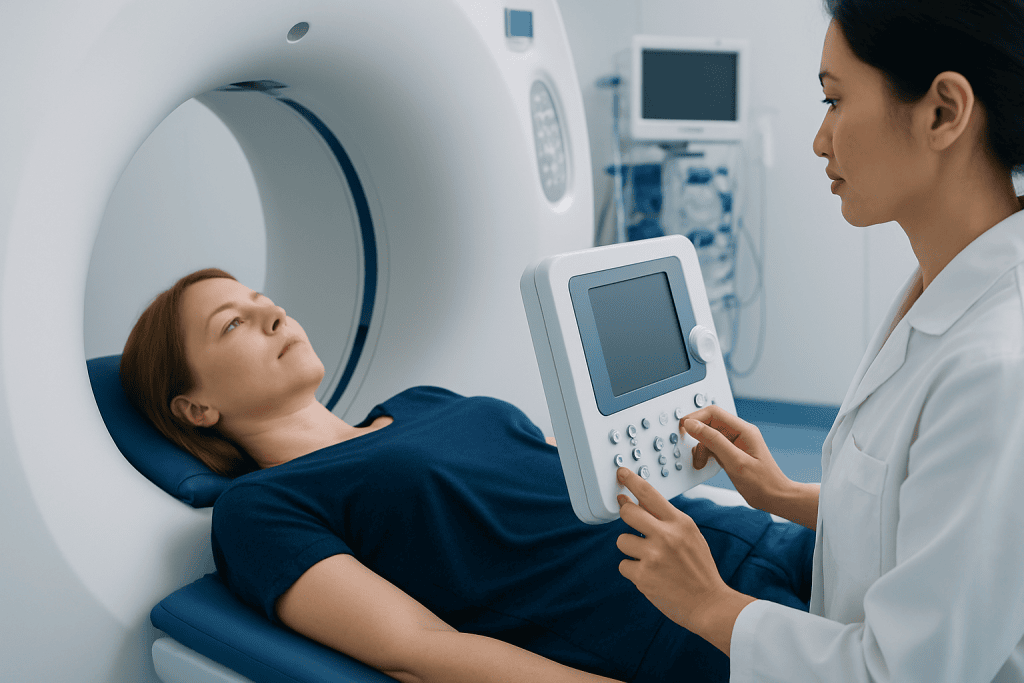
Brain imaging is usually needed to exclude other causes of increased pressure, such as a mass, hydrocephalus, or blood clot in the veins around the brain. Depending on the situation, doctors may recommend MRI and sometimes magnetic resonance venography to assess the venous sinuses. In some settings, CT scan may be used first, especially when rapid imaging is needed, but it does not replace a full evaluation.
If imaging does not show another explanation, lumbar puncture may be performed to measure the opening pressure of the cerebrospinal fluid and analyze the fluid. This helps confirm raised pressure and rule out infection or inflammation. The diagnosis of pseudotumor cerebri is made after considering symptoms, eye findings, imaging results, and lumbar puncture findings together.
Because headache can have many causes, doctors also distinguish pseudotumor cerebri from conditions such as migraine and hydrocephalus. This is one reason a structured neuro-ophthalmology and neurology assessment is so valuable.
Treatment Options
Treatment aims to protect vision, lower intracranial pressure, and improve symptoms. The best approach depends on the severity of optic nerve swelling, the degree of visual loss, how troublesome the headaches are, and whether an underlying trigger is present. If a medicine may be contributing, the prescribing doctor may review whether it can be safely changed or stopped.
For many patients, doctors recommend weight management if excess body weight is a factor, because even modest weight reduction can help lower pressure in some cases. Medicines that reduce cerebrospinal fluid production are commonly used, and a doctor will explain possible benefits and side effects. Headache treatment may also be needed, especially if migraine-like features are present.
When vision is worsening despite medical treatment, procedures or surgery may be considered. Options can include repeated lumbar puncture in selected short-term situations, optic nerve sheath fenestration to protect vision, or cerebrospinal fluid shunting procedures. In some patients with venous sinus narrowing, endovascular treatment may be discussed after specialist evaluation. If surgery is being considered, care may involve neurosurgery alongside neurology and ophthalmology teams.
Ongoing follow-up is essential. Visual field tests and optic nerve examinations help doctors judge whether treatment is working and whether pressure-related damage is stabilizing or improving. Near the end of the care journey, some international patients may choose centers such as Acibadem International, where multidisciplinary specialists in JCI-accredited hospitals evaluate and treat pseudotumor cerebri.
Prevention and Self-Care
There is no guaranteed way to prevent pseudotumor cerebri, but reducing modifiable risk factors may help. If a person is carrying excess weight, gradual, medically guided weight loss can be an important part of treatment and may lower the chance of recurrence. Crash dieting or unsupervised supplement use is not advised.
It is also helpful to review medicines with a doctor, especially if symptoms began after starting a new treatment. No one should stop a prescribed medicine on their own, but asking whether any drug could be contributing is reasonable. Managing related health issues, such as sleep apnea or anemia, may also support overall recovery.
At home, patients should monitor symptoms and attend all follow-up appointments, even if they feel better. Vision changes can be subtle, and formal eye testing may detect problems earlier than a patient can notice them. Keeping a symptom diary for headaches, vision changes, and tinnitus can help the care team track progress.
When to See a Doctor
A doctor should assess persistent headaches that are new, changing, or associated with blurred vision, double vision, or a pulsating sound in the ears. Prompt evaluation is particularly important when symptoms are affecting daily life or becoming more frequent. Because vision can be at risk, people should not wait for severe vision loss before seeking care.
Urgent medical attention is needed for sudden or marked loss of vision, severe headache with vomiting, confusion, weakness, seizures, or other new neurological symptoms. These symptoms can have causes other than pseudotumor cerebri and need immediate evaluation. If papilledema is suspected during a routine eye exam, timely specialist follow-up should be arranged.
Many causes of headache are not dangerous, but it is safest to have troubling symptoms assessed by a qualified clinician. Early diagnosis often makes treatment more effective and helps protect long-term visual function.
Frequently asked questions
Is pseudotumor cerebri a real tumor?
No. Pseudotumor cerebri does not mean there is a brain tumor. The name reflects that the symptoms can resemble those caused by a tumor, but the problem is increased pressure around the brain without a mass lesion.
Can pseudotumor cerebri cause permanent vision loss?
Yes, it can if the raised pressure damages the optic nerves over time. That is why blurred vision, papilledema, and visual field changes need prompt specialist attention. With timely treatment and follow-up, many patients can stabilize and protect their vision.
Who is most at risk for pseudotumor cerebri?
It is more commonly diagnosed in women of childbearing age, especially when overweight or recent weight gain is present. Still, it can also affect men, children, and people outside this group, so symptoms should always be evaluated on their own merits.
What tests are used to diagnose pseudotumor cerebri?
Diagnosis usually includes a detailed eye exam, visual field testing, brain imaging, and lumbar puncture to measure cerebrospinal fluid pressure. Doctors use these results together to confirm the condition and rule out other causes of raised pressure.
Does losing weight help pseudotumor cerebri?
For some patients, medically supervised weight loss can reduce intracranial pressure and improve symptoms. It is not the only treatment, but it can be an important part of care when excess weight is a contributing factor. A doctor or dietitian can advise on a safe, realistic plan.
Are headaches from pseudotumor cerebri the same as migraines?
Not always. The headaches can resemble migraines, but pseudotumor cerebri has a different underlying cause: increased pressure around the brain. Some patients may also have both conditions, which is one reason a careful neurological and eye evaluation is useful.
References
- National Eye Institute
- National Institute of Neurological Disorders and Stroke
- American Academy of Ophthalmology
- American Academy of Neurology
- Mayo Clinic
This article is for general information only and is not a substitute for professional medical advice. Please consult a qualified doctor about your individual situation.
Heart care in Turkey — expert evaluation and treatment
JCI-accredited · board-certified surgeons · reply within 24h
Add us as a Preferred Source to see more of our trusted health content across Google Search, AI Overviews and Discover.

More from the Health Library



Related Specialists

Fzt. Kezban Ataş
Physical Medicine & Rehabilitation
Dr. Metin Bayramoğlu
Emergency Service
Assoc. Prof. Dr. Hüseyin Cahit Yılmaz
General Surgery
Büşra Zeybek
Physical Medicine & Rehabilitation