

Psoas Muscle: A Complete Medical Overview
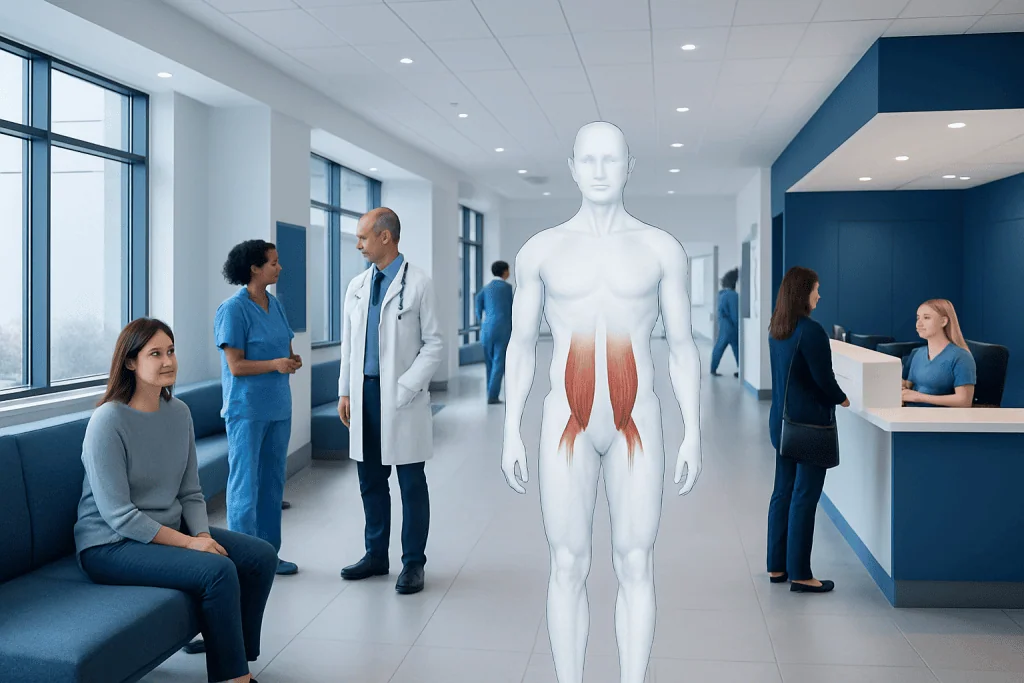
The psoas muscle is a major hip flexor and an important stabilizer of the lower spine and pelvis. Psoas-related problems may cause deep pain in the front of the hip, groin, lower abdomen, pelvis, or lower back.
Key Takeaways
- The psoas muscle is a major hip flexor and an important stabilizer of the lower spine and pelvis.
- Psoas-related problems may cause deep pain in the front of the hip, groin, lower abdomen, pelvis, or lower back.
- Symptoms can overlap with spine, hip joint, abdominal, and sports injuries, so diagnosis often requires a physical exam and sometimes imaging.
- Treatment usually begins with rest, activity adjustment, physical therapy, and guided stretching or strengthening.
- Persistent, severe, or unexplained pain should be assessed by a qualified doctor to rule out other conditions.
The psoas muscle is a deep core and hip muscle that helps lift the thigh, stabilize the spine, and support posture during sitting, standing, and walking. When it becomes tight, strained, irritated, or inflamed, it can contribute to hip, groin, pelvic, or low back pain that often needs a careful medical assessment to distinguish from other causes.
Overview: what the psoas muscle is and why it matters
The psoas muscle is a deep muscle that runs from the lower spine through the pelvis to the upper thigh. It joins with the iliacus muscle to form the iliopsoas, one of the body’s main hip flexors. In simple terms, it helps bring the knee toward the chest, supports walking and climbing stairs, and contributes to balance and posture.
Because of where it sits, the psoas muscle connects the trunk and the legs in a unique way. It helps stabilize the lumbar spine, influences pelvic position, and works together with the abdominal, back, and gluteal muscles during movement. This is why psoas dysfunction can sometimes be felt not only in the hip, but also in the lower back, groin, pelvis, or even the front of the thigh.
People often search for the psoas muscle when they have vague deep pain or stiffness that is hard to pinpoint. The challenge is that psoas-related symptoms can mimic other problems, including hip joint disorders, muscle strains, tendon irritation, sports injuries, or some forms of back pain such as herniated disc. A clear diagnosis depends on the full clinical picture rather than symptoms alone.
What the psoas muscle does in everyday movement
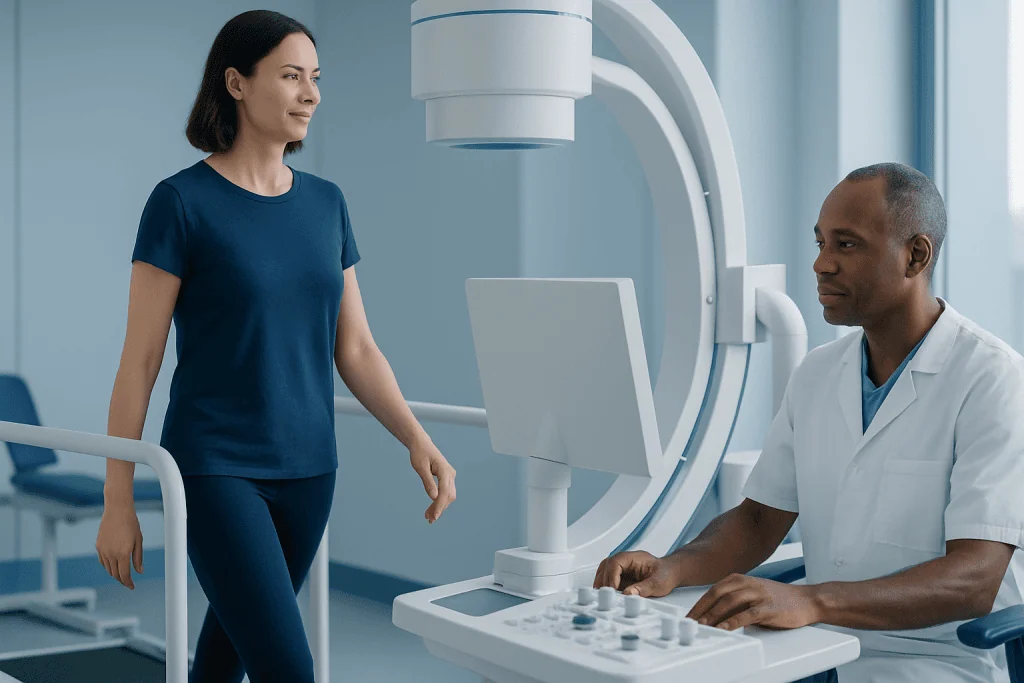
The psoas muscle is most widely known for hip flexion. This means it helps lift the leg during walking, running, getting into a car, stepping onto stairs, or rising from a lying position. It is active in many ordinary movements that people rarely notice until pain or tightness develops.
It also helps control posture. During sitting, standing, and shifting weight from one leg to the other, the psoas works with surrounding muscles to steady the trunk and pelvis. If it becomes shortened, weak, overworked, or painful, mechanics in the lower back and hips may change. This can lead to stiffness, movement compensation, and discomfort elsewhere.
The muscle may become irritated in athletes, dancers, runners, and people who do repeated hip flexion. It can also be affected in people with prolonged sitting, deconditioning, poor movement patterns, or after injury. In some patients, psoas irritation is part of a wider pattern involving the hip flexors, lower back, and core muscles rather than a single isolated problem.
Symptoms of psoas muscle problems

Psoas muscle symptoms can vary depending on whether the issue is tightness, strain, tendon irritation, overuse, or inflammation. A common description is a deep ache in the front of the hip or groin. Some people feel pain in the lower abdomen, pelvis, or low back, while others notice pulling or pinching when standing up straight after sitting.
Discomfort may worsen when lifting the knee, climbing stairs, walking uphill, running, getting out of bed, or standing after long periods of sitting. In some cases, the hip may feel stiff or weak, and certain positions can create a sensation of tightness deep inside the body rather than on the surface. Athletes may notice reduced stride length or pain with sudden acceleration.
Possible symptoms include:
- Deep pain in the front of the hip or groin
- Lower back discomfort linked to movement or posture
- Stiffness after prolonged sitting
- Pain when lifting the knee or bending at the hip
- Reduced flexibility or a feeling of tightness in the front of the hip
- Clicking or snapping at the front of the hip in some cases
These symptoms are not specific to the psoas muscle alone. Similar complaints may occur with hip labral problems, arthritis, tendon injuries, abdominal wall strain, or sciatica. For that reason, persistent symptoms should be assessed medically rather than self-diagnosed.
Causes and risk factors
Psoas muscle problems often develop from overuse, muscle imbalance, repetitive strain, or prolonged positioning. One common pattern is excessive sitting, which may place the hip in a flexed position for many hours each day. Over time, this can contribute to shortening, stiffness, or altered movement patterns, especially if the gluteal and core muscles are underactive.
Sports and exercise can also play a role. Running, kicking, dance, gymnastics, martial arts, and activities that involve repeated hip flexion may overload the psoas or iliopsoas tendon. A sudden increase in training intensity, inadequate warm-up, or poor technique can raise the risk of strain. Direct injury is less common but can happen during abrupt twisting, slipping, or forceful movement.
Medical causes should also be considered. Pain near the psoas region may reflect problems in the lumbar spine, hip joint, sacroiliac area, or, less commonly, infection or inflammation involving deeper tissues. In postoperative patients or those with systemic symptoms, doctors may consider broader causes rather than assuming a simple muscle issue.
Risk factors include:
- Prolonged sitting or sedentary work
- Sudden changes in exercise volume or intensity
- Repetitive running, kicking, or dancing movements
- Weak core or gluteal muscles
- Previous hip or low back injury
- Poor flexibility or limited movement control
How doctors diagnose psoas muscle pain
Diagnosis starts with a detailed history. A doctor will ask where the pain is felt, what movements trigger it, whether it began gradually or suddenly, and whether there are symptoms such as numbness, fever, digestive complaints, or pain at night. This is important because deep hip and pelvic pain can come from several structures.
The physical examination usually includes posture, walking pattern, hip range of motion, lower back assessment, and specific maneuvers that load the hip flexors. Doctors may gently test for pain with resisted hip flexion, stretching of the front of the hip, or tenderness in the groin area. They also check for signs that point more strongly toward a joint, nerve, abdominal, or spine-related cause.
Imaging is not always needed for mild, straightforward cases. However, ultrasound, X-ray, or MRI may be recommended when symptoms are severe, last longer than expected, follow trauma, or suggest another diagnosis. MRI can be especially helpful when there is concern for muscle strain, tendon pathology, or associated hip and spine conditions. If symptoms overlap with back pain, a clinician may evaluate whether a patient could benefit from a fuller spine surgery assessment, though most psoas-related complaints do not require surgery.
Treatment options for psoas muscle conditions
Treatment depends on the underlying problem. Many people improve with conservative care, especially when the issue is muscle tightness, overuse, or a mild strain. Early treatment often focuses on reducing irritation through temporary activity modification, avoiding painful repetitive movements, and using a gradual return-to-activity plan. A doctor may advise short-term pain relief measures when appropriate.
Physical therapy is often central to recovery. Therapy may include guided stretching, mobility work, strengthening of the core and gluteal muscles, movement retraining, and correction of exercise mechanics. The goal is not only to calm symptoms, but also to improve the way the trunk, pelvis, and hips work together. This can help reduce the chance of recurrence.
Some patients benefit from further evaluation by orthopedic, sports medicine, or rehabilitation specialists when symptoms persist or when another hip disorder is suspected. In selected cases, clinicians may consider image-guided injection, especially if iliopsoas tendon irritation or bursitis is thought to be the main pain source. If deeper structural hip problems are identified, a specialist may discuss options in the setting of broader orthopedics and traumatology care.
Surgery for isolated psoas muscle problems is uncommon. When an operation is considered, it is usually because a different underlying hip or spine condition has been found. Treatment plans are individualized and should be guided by a qualified clinician rather than based on stretching routines alone.
Prevention and self-care
Many psoas-related problems can be reduced through balanced conditioning and healthy movement habits. Long periods of sitting should be broken up with regular standing and walking. People who exercise regularly may benefit from gradual training progression, good warm-up routines, and attention to hip, core, and gluteal strength rather than focusing only on flexibility.
Self-care should be gentle and consistent. Stretching can be useful for some people, but aggressive stretching may worsen symptoms if the area is irritated or if the diagnosis is uncertain. Controlled strengthening, postural awareness, and improving hip movement patterns are often just as important. If pain is significant, exercise should be adjusted instead of pushed through.
Helpful prevention strategies include:
- Changing position frequently during the day
- Building core and hip stability gradually
- Warming up before sports or exercise
- Increasing activity levels progressively
- Addressing low back or hip pain early
- Working with a physical therapist when symptoms recur
For people with ongoing musculoskeletal symptoms, a broader rehabilitation plan may help identify contributing factors above and below the hip. In some settings, this may include structured physical therapy and rehabilitation to restore mobility, strength, and movement confidence.
When to seek medical care
Medical care should be sought if hip, groin, pelvic, or lower back pain is severe, keeps returning, or does not improve with rest and activity modification. Assessment is also important if symptoms begin after a fall, sports injury, or sudden twisting movement, or if walking becomes difficult.
Prompt evaluation is advisable when pain is accompanied by fever, unexplained weight loss, significant weakness, numbness, bowel or bladder changes, abdominal symptoms, or pain that wakes a person at night. These features may suggest that the cause is not a simple muscle problem and should not be ignored.
A careful diagnosis can prevent unnecessary delay and help guide the right treatment. Near the end of the care pathway, some patients may need coordinated assessment from rehabilitation, orthopedic, hip, or spine specialists. Acibadem International’s multidisciplinary specialists in JCI-accredited hospitals diagnose and treat musculoskeletal and spine-related conditions for international patients when more detailed evaluation is needed.
Frequently asked questions
What is the psoas muscle?
The psoas muscle is a deep muscle that connects the lower spine to the upper thigh. Together with the iliacus, it forms the iliopsoas, which helps flex the hip and stabilize the trunk during movement.
Can the psoas muscle cause low back pain?
Yes, psoas dysfunction can contribute to low back pain because the muscle is closely connected to the lumbar spine and pelvis. However, not all low back pain comes from the psoas, so a medical evaluation may be needed if symptoms persist.
How does psoas muscle pain feel?
People often describe psoas muscle pain as a deep ache or tightness in the front of the hip, groin, pelvis, or lower back. It may worsen with sitting for long periods, climbing stairs, running, or lifting the knee.
What causes psoas muscle tightness?
Common causes include prolonged sitting, repetitive hip flexion, sports overuse, muscle imbalance, and limited conditioning of the core and gluteal muscles. Tightness may also develop as part of compensation for hip or back problems.
Do psoas muscle problems go away on their own?
Mild irritation or temporary tightness may improve with rest, movement changes, and gradual exercise adjustment. If pain is strong, recurrent, or lasts more than a short period, professional assessment is recommended to confirm the cause.
Is stretching the best treatment for the psoas muscle?
Not always. Stretching may help some people, but others need strengthening, posture correction, or treatment for a different underlying hip or spine condition. A personalized plan is usually more effective than stretching alone.
When should someone see a doctor for psoas muscle symptoms?
A doctor should be seen if pain is severe, follows an injury, limits walking, or does not improve with basic self-care. Urgent assessment is important if symptoms occur with fever, numbness, weakness, bowel or bladder changes, or unexplained weight loss.
This article is for general information only and is not a substitute for professional medical advice. Please consult a qualified doctor about your individual situation.
Joint and spine care in Turkey — expert assessment & treatment
JCI-accredited · board-certified surgeons · reply within 24h
Add us as a Preferred Source to see more of our trusted health content across Google Search, AI Overviews and Discover.

More from the Health Library

White Toes: A Complete Medical Overview

Vastus Lateralis: A Complete Medical Overview

Skin Discoloration: An Evidence-Based Guide for Patients
Adrenal Cortex: What Patients Need to Know

Parenchymal: An Evidence-Based Guide for Patients

Tricuspid Valve Regurgitation — Explained by Medical Evidence, Not Myths
Orthopedic Surgery & Traumatology Specialists at Acibadem

Dr. Alp Er Tunga Bölükbaşı
Orthopedic Surgery & Traumatology
Dr. Alper Gölpınar
Orthopedic Surgery & Traumatology
Prof. Dr. Alper Kaya
Orthopedic Surgery & Traumatology
Fzt. Alperen Mustafa Oğuz
Physical Medicine & Rehabilitation