Psp Treatment: How It Works, Results and What to Expect

There is no cure for PSP yet, but symptom-focused treatment can improve daily comfort, function and safety. Physical, occupational, speech and swallowing therapy are central parts of PSP care.
Key Takeaways
- There is no cure for PSP yet, but symptom-focused treatment can improve daily comfort, function and safety.
- Physical, occupational, speech and swallowing therapy are central parts of PSP care.
- Medication may provide limited benefit for stiffness or slowness in some people, especially early in the condition.
- Falls, choking and aspiration-related chest infections are important risks that should be addressed proactively.
- PSP usually progresses faster than typical Parkinson's disease, although the rate varies between individuals.
PSP treatment cannot currently stop or reverse progressive supranuclear palsy, but it can help manage movement, vision, speech, swallowing and mood-related symptoms. Early multidisciplinary care, regular reassessment and practical support can help a person maintain safety, comfort and independence for as long as possible.
PSP Treatment: How It Works
Progressive supranuclear palsy (PSP) is a rare neurodegenerative condition that affects movement, balance, eye movements, speech, swallowing, thinking and behavior. PSP treatment is supportive rather than curative: it aims to reduce troublesome symptoms, lower the risk of complications and help the person remain as active and independent as possible.
A care plan is individualized because PSP affects people differently. It commonly brings together a neurologist with expertise in movement disorders, physiotherapists, occupational therapists, speech and language therapists, dietitians, eye specialists, mental health professionals and palliative care clinicians when needed. Treatment is reviewed over time as symptoms and priorities change.
PSP belongs to a group of conditions called atypical Parkinsonism. It can resemble Parkinson’s disease early on, but early falls, difficulty looking up or down, speech and swallowing changes, and a limited response to Parkinson’s medicines may suggest PSP. A specialist assessment is important for accurate diagnosis and planning.
Benefits, Limits and Who May Benefit From Treatment
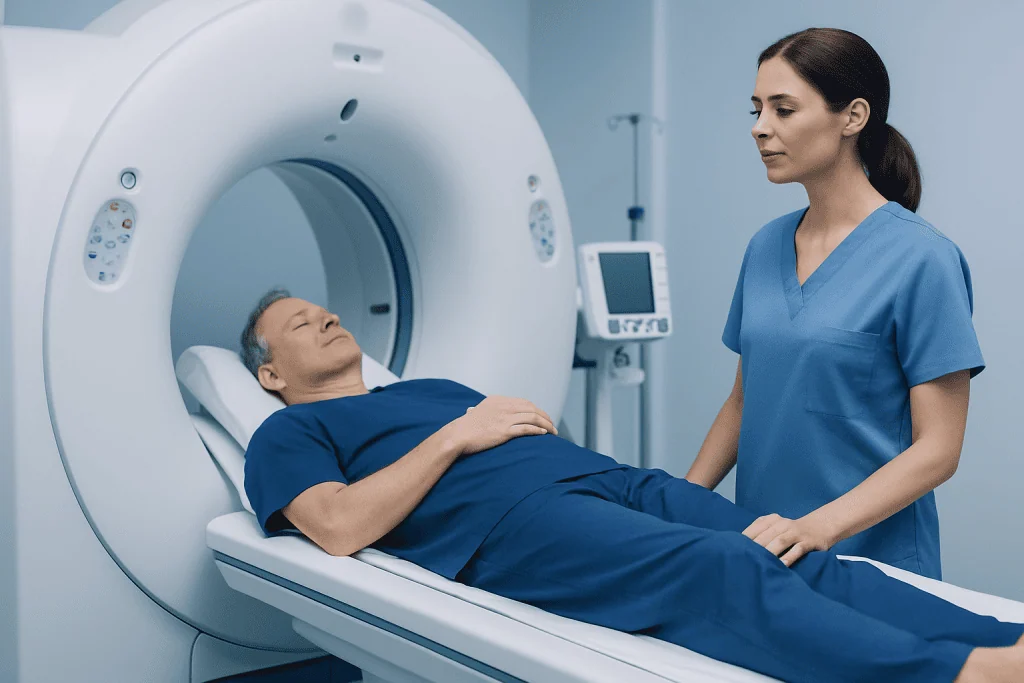
Nearly everyone with PSP can benefit from some form of supportive treatment, even when symptoms are mild. Early intervention can identify home hazards, teach safer ways to move, address communication changes and monitor swallowing before complications develop. Family members and caregivers are also an important part of the care plan.
The possible benefits include fewer falls, improved confidence with transfers and walking, clearer communication strategies, better nutrition and hydration, and support for sleep, mood, constipation or bladder symptoms. Treatment may also help a person and family prepare for changing practical needs.
It is important to have realistic expectations. Current treatments do not remove the abnormal tau protein changes thought to underlie PSP, and they do not reliably slow progression. A trial of medication may help selected symptoms in some people, but the benefit is often less pronounced and less sustained than in typical Parkinson’s disease.
- People with early balance or walking problems may benefit from a falls-prevention assessment.
- People with coughing during meals, weight loss or repeated chest infections need prompt swallowing evaluation.
- People with eye movement difficulties may benefit from neuro-ophthalmology input and practical visual adaptations.
- People with memory, planning, mood or behavior changes may benefit from cognitive and psychological support.
What Does PSP Treatment Involve Step by Step?
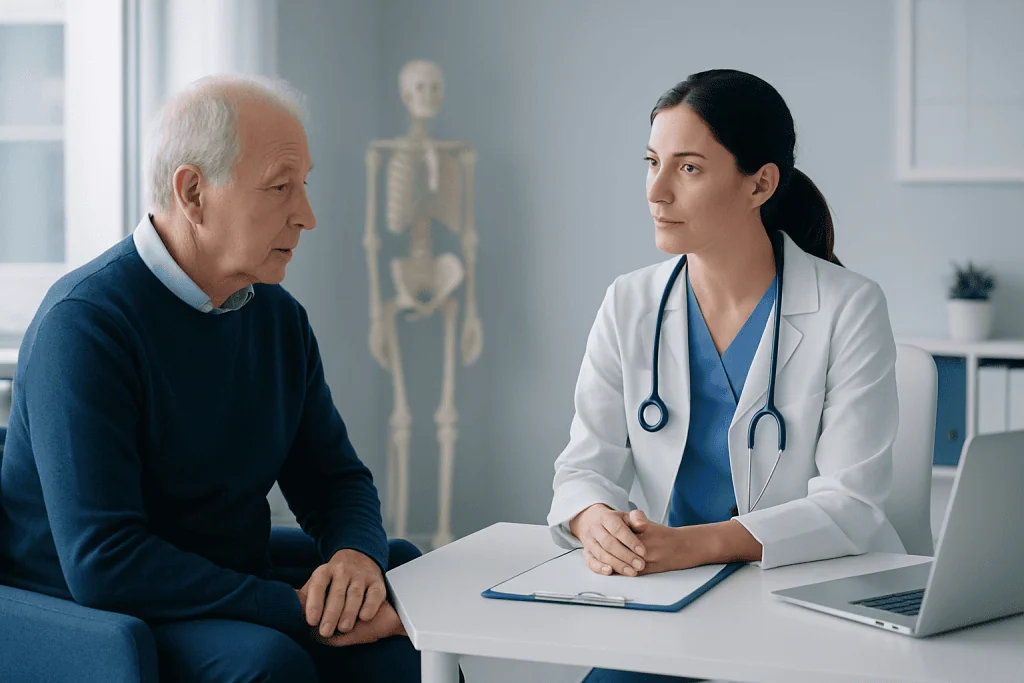
PSP care usually begins with a detailed neurological review. The clinician asks about falls, stiffness, slowness, eye movement changes, speech, swallowing, sleep, bowel and bladder function, mood and thinking. Examination of movement, balance, gaze and cognition helps establish a baseline and identify immediate safety concerns.
Tests may be used to exclude other conditions or support the clinical diagnosis. Brain MRI can help rule out structural causes of symptoms and may show patterns that are consistent with PSP, although no single scan or blood test confirms the condition in every case. A swallowing assessment, cognitive evaluation, vision review or physiotherapy assessment may be arranged according to symptoms.
The next step is a personalized management plan. A clinician may recommend a carefully monitored trial of levodopa or another Parkinson’s medicine for stiffness and slowness. If benefit is limited or side effects outweigh improvement, the medication may be adjusted or stopped under medical supervision. Other medicines may be considered for symptoms such as depression, sleep disturbance, constipation, urinary urgency or excessive saliva.
Regular follow-up is essential. At each visit, the team reviews falls, mobility aids, speech and swallowing, nutrition, caregiver strain and future planning. Changes in symptoms do not mean a treatment has failed; they often indicate that the plan needs to be adapted to current needs.
Rehabilitation, Daily Support and Recovery Timeline
PSP is progressive, so there is not a recovery timeline in the usual sense. Instead, care is organized around maintaining function and responding early to new difficulties. After an assessment, therapy may start promptly, with review intervals tailored to the person’s symptoms, goals and rate of change.
Physiotherapy can focus on posture, transfers, turning, strength, flexibility and safer walking. Because backward falls are common in PSP, a therapist may recommend specific balance strategies, caregiver training and an appropriate walking aid. Some people find a weighted walker more stable than a standard frame, but the choice should be individualized.
Occupational therapy helps make daily activities safer and more manageable. This may include bathroom equipment, seating adjustments, dressing aids, home modifications and strategies for fatigue. Speech and language therapy addresses quieter or less clear speech and evaluates swallowing. It may suggest pacing, posture changes, food texture adjustments or communication devices when appropriate.
Nutrition support becomes particularly important if eating is slow, tiring or unsafe. A dietitian can help maintain adequate calories and fluids while respecting personal preferences. If swallowing becomes significantly impaired, the person, family and clinical team can discuss feeding options carefully, including expected benefits, limitations and personal goals of care.
Risks, Side Effects and Safety Considerations
The main health risks in PSP arise from the condition and its complications rather than from one specific procedure. Recurrent falls can cause fractures or head injuries. Impaired swallowing can lead to dehydration, weight loss and aspiration, where food, drink or saliva enters the airway and may contribute to pneumonia.
Medicines used for Parkinsonian symptoms can sometimes cause nausea, dizziness, low blood pressure, confusion, sleepiness or hallucinations. These effects are not inevitable, but they should be reported promptly. Medication changes should be made with a qualified clinician rather than independently.
Practical safety measures can reduce avoidable risk. These include removing loose rugs and clutter, improving lighting, using supportive footwear, avoiding rushing when standing or turning, and ensuring that mobility equipment is correctly fitted. Caregivers should also receive guidance on safe assistance with transfers and meals.
Advance care planning can be introduced gradually and respectfully. Discussing preferences for future care, emergency contacts, legal arrangements and support services early may reduce uncertainty later. Palliative care can be involved alongside neurological treatment to help manage symptoms and support quality of life; it is not limited to the final stage of illness.
How Quickly Does PSP Disease Progress?
PSP typically progresses over years, but the pace varies considerably from person to person and among PSP subtypes. Balance problems and falls often appear early, and difficulties with gaze, speech, swallowing and everyday activities may become more noticeable over time. A neurologist can explain the likely pattern based on the person’s symptoms, but cannot predict an exact timeline.
Compared with typical Parkinson’s disease, disability related to balance, posture and swallowing often develops sooner in PSP. Regular review allows mobility support, swallowing strategies and home adaptations to be introduced at the right time rather than waiting for a crisis.
New or rapidly worsening symptoms should always be assessed. A sudden decline may be related to an infection, dehydration, medication side effect, injury or another treatable problem rather than PSP progression alone.
Does PSP Progress Faster Than Parkinson's Disease?
In general, PSP tends to progress faster than typical Parkinson’s disease, particularly in relation to falls, walking difficulties, eye movement problems and swallowing changes. People with PSP also often have less improvement from levodopa than people with Parkinson’s disease, although an individual medication trial may still be appropriate.
However, neither condition follows exactly the same course in every person. The diagnosis, symptom pattern, other health conditions, access to rehabilitation and available support all influence day-to-day function. It is more helpful to plan around current needs and foreseeable risks than to compare one person’s course with another’s.
A movement disorders specialist can distinguish PSP from conditions with overlapping symptoms and coordinate care. Acibadem International’s multidisciplinary specialists and JCI-accredited hospitals support diagnosis and treatment planning for international patients with complex neurological conditions.
Is PSP Considered Dementia and When to Seek Medical Care?
PSP is not defined solely as dementia, but it can affect thinking, behavior and emotions. Some people develop slowed thinking, reduced concentration, difficulty planning, impulsivity, apathy or changes in social behavior. Memory may be less affected at first than in some other dementias, but cognitive changes can still interfere with work, safety and daily life.
Assessment by a neurologist or neuropsychology professional can clarify which cognitive abilities are affected and identify useful support strategies. Clear routines, simplified instructions, written reminders and caregiver education can be valuable. Mood symptoms such as depression, anxiety or irritability also deserve medical attention and may be treatable.
Medical care should be sought promptly after a fall with injury, sudden confusion, fever, shortness of breath, repeated coughing or choking with meals, signs of dehydration, unexplained weight loss, or a major decline in mobility. Urgent evaluation is especially important if there may be a head injury, breathing difficulty or a possible stroke.
For non-urgent concerns, a person should arrange a neurological review when new falls, visual difficulties, speech changes, swallowing problems, sleep disturbance or cognitive changes begin to affect daily life. Early assessment helps the team introduce the right supports and address reversible causes of worsening symptoms.
Frequently asked questions
What is the most effective PSP treatment?
There is no single treatment that is effective for every symptom of PSP. The most helpful approach usually combines neurological care, physiotherapy, occupational therapy, speech and swallowing therapy, medication trials when appropriate, nutrition support and falls prevention. The plan should be reviewed regularly as symptoms change.
Can levodopa help PSP symptoms?
Levodopa may improve stiffness or slowness in some people with PSP, particularly earlier in the condition. The response is often more limited than in typical Parkinson's disease, and not everyone benefits. A clinician may recommend a monitored trial and assess whether the benefit justifies continued use.
What is the most common cause of death in patients with PSP?
Complications related to swallowing difficulty, especially aspiration pneumonia, are a common cause of death in advanced PSP. Falls and their complications, infections and general frailty can also contribute. Swallowing assessments, nutrition support and prompt treatment of respiratory symptoms are important parts of care.
Is PSP considered dementia?
PSP is a movement disorder and neurodegenerative disease that can also cause cognitive and behavioral changes. Some people develop a form of cognitive impairment that affects planning, attention, judgment or behavior, while others have milder changes. A formal assessment can help identify individual needs and support.
How quickly does PSP disease progress?
PSP commonly progresses over several years, but there is substantial individual variation. Falls, eye movement problems and swallowing difficulties may emerge earlier than they do in typical Parkinson's disease. Regular specialist follow-up helps anticipate and manage changes safely.
Does PSP progress faster than Parkinson's disease?
PSP generally progresses faster than typical Parkinson's disease, especially with respect to balance, falls, posture and swallowing. It also usually responds less strongly to standard Parkinson's medicines. Nevertheless, progression differs between individuals, so personal monitoring and planning remain essential.
References
- National Institute of Neurological Disorders and Stroke
- CurePSP
- Mayo Clinic
- Parkinson's Foundation
- Merck Manual Consumer Version
This article is for general information only and is not a substitute for professional medical advice. Please consult a qualified doctor about your individual situation.
Explore treatments in Turkey — costs, top hospitals & a free quote
JCI-accredited · board-certified surgeons · reply within 24h
Add us as a Preferred Source to see more of our trusted health content across Google Search, AI Overviews and Discover.

More from the Health Library



Related Specialists
Prof. Dr. Faruk Buyru
Gynecology & Obstetrics
Öznur Tanişman
Physical Medicine & Rehabilitation
Prof. Dr. Mehmet Cıncık
Vitro Fertilization and Reproductive Medicine Center
Dr. Okan Acicbe
Aesthetic Plastic & Reconstructive Surgery