Psychogenic Seizures: An Evidence-Based Guide for Patients

Psychogenic seizures are genuine medical events and are not faked or done on purpose. They differ from epilepsy because brain wave testing during an episode does not show epileptic seizure activity.
Key Takeaways
- Psychogenic seizures are genuine medical events and are not faked or done on purpose.
- They differ from epilepsy because brain wave testing during an episode does not show epileptic seizure activity.
- Diagnosis usually relies on a careful history and video-EEG monitoring, often with both neurology and mental health input.
- Treatment focuses on education, therapy, and addressing triggers or related conditions rather than anti-seizure medicines alone.
- Prompt medical assessment is important, especially for a first seizure-like episode or if injury, breathing problems, or prolonged unconsciousness occurs.
Psychogenic seizures are real, involuntary episodes that look like epileptic seizures but are not caused by abnormal electrical activity in the brain. The condition is now often called psychogenic nonepileptic seizures, or PNES, and it can improve with a clear diagnosis, supportive education, and appropriate mental health and neurological care.
Understanding psychogenic seizures
Psychogenic seizures are episodes that can resemble epileptic seizures, with shaking, unresponsiveness, staring, or sudden loss of control, but they are not caused by the abnormal electrical discharges seen in epilepsy. They are most commonly described medically as psychogenic nonepileptic seizures, or PNES, and many specialists also use the term functional seizures.
These events are real and involuntary. A person is not pretending, “making it up,” or able to stop the episode by willpower. The symptoms arise from changes in how the brain and body function under stress, distress, or other psychological and physical influences, which is why the condition sits at the intersection of neurology and mental health.
Because psychogenic seizures can look very similar to epilepsy, diagnosis can take time. Some people are treated for epilepsy first and only later learn that their episodes fit epilepsy less well than PNES. A clear explanation from clinicians is important because understanding the diagnosis is often a first step toward improvement.
What symptoms can occur
Psychogenic seizures vary from person to person. Episodes may involve rhythmic or irregular shaking, stiffening, limpness, staring, eye closure, unresponsiveness, crying, vocal sounds, or a sense of being detached from surroundings. Some people remember parts of the event, while others do not.
Symptoms can last from seconds to several minutes and may happen rarely or many times a week. Some individuals notice warning signs such as a wave of fear, dizziness, chest tightness, tingling, or a feeling that an episode is about to start. Others experience fatigue, headache, confusion, or emotional distress afterward.
Although only testing can confirm the cause, clinicians may suspect PNES when episodes have features that are less typical of epileptic seizures, such as long duration, waxing and waning movements, tightly closed eyes, or preserved awareness during some body movements. Still, appearances can be misleading, so a person should not diagnose themselves based on symptoms alone.
- Shaking or jerking of the arms and legs
- Staring spells or reduced responsiveness
- Sudden collapse or weakness
- Body stiffening or arching
- Crying, shouting, or other vocalizations
- Post-episode tiredness, soreness, or emotional upset
Why psychogenic seizures happen

Psychogenic seizures do not have one single cause. They are usually understood as a functional neurological condition in which the nervous system is not working normally even though standard brain structure tests may be normal. Episodes may be linked to the way the brain processes stress, emotion, attention, bodily sensations, and past experiences.
Possible contributing factors include anxiety, depression, panic symptoms, trauma, sleep problems, chronic pain, relationship stress, work strain, or other medical illness. Some people have a history of adverse life experiences, while others do not. In some cases, psychogenic seizures appear after a concussion, infection, a frightening health event, or a period of repeated stress.
It is also important to know that psychogenic seizures and epilepsy can occur together in the same person. This is one reason expert assessment matters. A neurological review may also look for related functional symptoms such as weakness, tremor, sensory changes, or faint-like events that overlap with movement-related neurological symptoms or other brain and nervous system conditions before a final diagnosis is made.
How doctors make the diagnosis
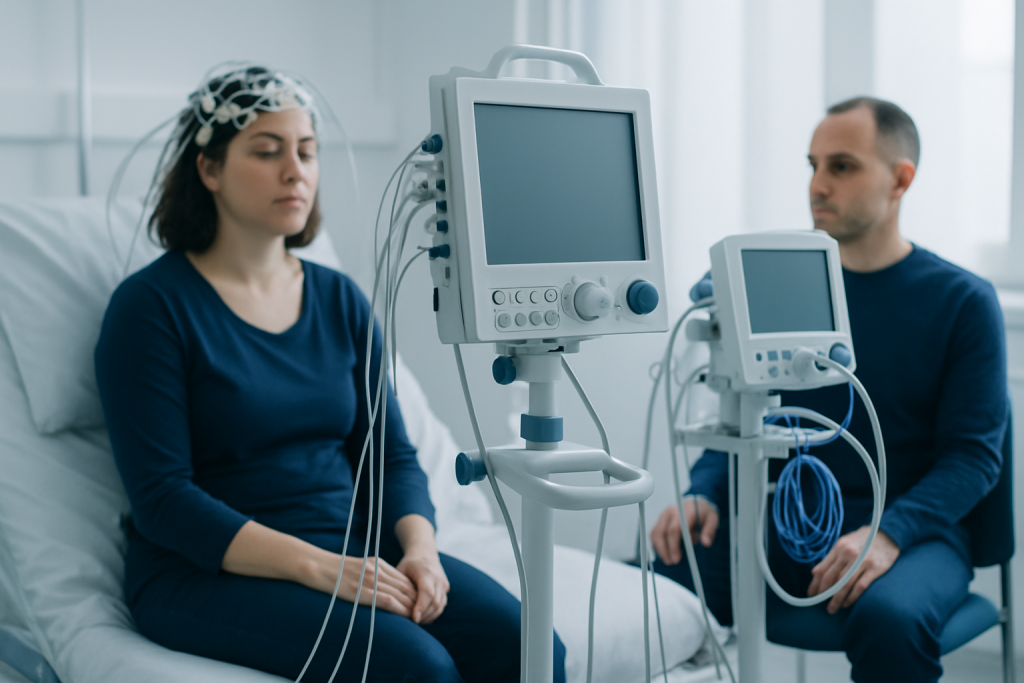
The most reliable way to diagnose psychogenic seizures is to record a typical event and compare the physical behavior with brain wave activity. This is often done with video-electroencephalography, commonly called video-EEG. If an episode occurs during testing and there is no epileptic brain activity matching the event, clinicians may diagnose PNES.
Diagnosis also includes a detailed history from the patient and, when possible, from someone who has witnessed the episodes. Doctors ask about triggers, body movements, awareness, recovery time, past medical history, medications, and emotional health. They may request blood tests or brain imaging to rule out other causes when appropriate. In some situations, electroencephalography (EEG) testing is part of a broader neurological workup.
A thoughtful explanation of results is essential. Many patients have felt dismissed before receiving the diagnosis, so clear communication matters. The goal is not simply to say what the episodes are not, but to explain what they are, why they happen, and how treatment can help. In centers with combined expertise, a neurology review may be supported by neurology care and mental health assessment to build a practical care plan.
Treatment and recovery
Treatment for psychogenic seizures focuses on reducing episodes, improving daily function, and addressing the factors that keep symptoms going. For many people, an accurate diagnosis delivered in a supportive way is the first therapeutic step. Once patients understand that the episodes are real but not epileptic, they can begin a more targeted treatment plan.
Psychological therapy is often central to treatment. Depending on the person, clinicians may recommend cognitive behavioral therapy, trauma-informed therapy, stress-management approaches, or treatment for anxiety, depression, or panic symptoms. Good sleep, regular routines, and learning early warning signs can also help reduce episode frequency. If another mental health condition is present, treating it can improve overall recovery.
Anti-seizure medicines do not treat PNES unless the person also has epilepsy. Stopping or changing these medicines should only happen under medical supervision. Some people benefit from a team approach that may include neurology, psychiatry, psychology, rehabilitation, and when needed, brain and nerve specialists to evaluate overlapping neurological concerns. Near the end of the care pathway, multidisciplinary centers such as Acibadem International may support international patients through diagnosis and treatment in JCI-accredited hospitals.
Self-care, daily life, and support
Living with psychogenic seizures can affect work, school, driving, relationships, and confidence. Many patients feel frustrated because the condition is not visible between episodes and may be misunderstood by others. Education for the patient and family can make a major difference. Loved ones often need reassurance that the condition is genuine and that recovery is possible.
Practical self-care includes keeping a symptom diary, noting triggers, improving sleep habits, staying physically active when safe, eating regularly, and reducing alcohol or recreational drug use. Relaxation exercises, paced breathing, mindfulness skills, and a structured day may help some people. These strategies do not replace treatment, but they can support it.
Family and caregivers can help by staying calm during an episode, protecting the person from injury, and avoiding arguments about whether the event is “real.” They can also encourage follow-up appointments and therapy attendance. If episodes are frequent or daily life is heavily affected, formal psychological support and rehabilitation planning may be especially useful.
When to seek medical care
Anyone with a first seizure-like episode should seek medical attention promptly. Urgent evaluation is especially important if the person is pregnant, has diabetes, has had a head injury, develops breathing problems, turns blue, remains unconscious for an unusual length of time, or is seriously injured during the event.
Immediate medical help is also needed if an episode lasts much longer than usual, repeated events happen without recovery between them, or there are new neurological symptoms such as one-sided weakness, trouble speaking, severe headache, or fever. Even if psychogenic seizures are already diagnosed, new or changing symptoms still deserve review because not every future event is necessarily the same as earlier ones.
For non-urgent care, a person should book an appointment if episodes are recurring, interfering with work or school, causing anxiety or depression, or if current treatment is not helping. Early specialist input may shorten the time to a correct diagnosis and more effective support.
Frequently asked questions
Are psychogenic seizures the same as epilepsy?
No. Psychogenic seizures can look like epilepsy, but they are not caused by the same abnormal electrical activity in the brain. Some people can have both conditions, which is why a specialist assessment is important.
Are psychogenic seizures intentional or fake?
No. These episodes are real and happen involuntarily. The person is not choosing to have them, and they should be treated with the same seriousness and respect as other medical conditions.
What test confirms psychogenic seizures?
The most helpful test is usually video-EEG monitoring, which records brain waves and behavior at the same time. A diagnosis is strongest when a typical episode is captured and does not show epileptic seizure activity.
Can psychogenic seizures be cured?
Many people improve significantly, and some stop having episodes altogether. Recovery often depends on receiving a clear diagnosis, engaging with treatment, and addressing contributing factors such as stress, trauma, anxiety, sleep problems, or depression.
Should a person with psychogenic seizures take anti-seizure medication?
Anti-seizure medicines usually do not help PNES unless epilepsy is also present. Medication changes should never be made without medical supervision, because some people have mixed seizure disorders or other reasons for treatment.
What should family members do during an episode?
They should focus on safety by moving away sharp objects, cushioning the head if needed, and staying calm. They should not restrain the person or put anything in the mouth, and they should call emergency services if there is injury, breathing trouble, or an unusually prolonged event.
This article is for general information only and is not a substitute for professional medical advice. Please consult a qualified doctor about your individual situation.
Explore treatments in Turkey — costs, top hospitals & a free quote
JCI-accredited · board-certified surgeons · reply within 24h
Add us as a Preferred Source to see more of our trusted health content across Google Search, AI Overviews and Discover.

More from the Health Library

Zepbound Doses: What Patients Need to Know

Burn From Cigarette — Explained by Medical Evidence, Not Myths

Premenstrual Stress: A Complete Medical Overview

Dmt Drug: A Complete Medical Overview

Ophthalmoplegia: A Complete Medical Overview