PT Medical Abbreviation — Explained by Medical Evidence, Not Myths

PT has more than one accepted medical meaning. In clinic and rehabilitation settings, PT often refers to physical therapy or a physical therapist.
Key Takeaways
- PT has more than one accepted medical meaning.
- In clinic and rehabilitation settings, PT often refers to physical therapy or a physical therapist.
- In lab testing, PT usually means prothrombin time, a blood clotting test.
- The surrounding words, test names, and specialty area usually reveal the correct meaning.
- If an abbreviation is unclear on a report or discharge summary, a qualified clinician or pharmacist can explain it safely.
PT medical abbreviation most often means physical therapy, physical therapist, or prothrombin time. The correct meaning depends on where the term appears, such as a clinic note, prescription, blood test result, or hospital chart.
Overview: what PT means in medicine
The pt medical abbreviation does not have one single meaning. In everyday healthcare use, it commonly stands for physical therapy or physical therapist. In laboratory medicine, it often means prothrombin time, which is a blood test that shows how long blood takes to clot.
Less commonly, “Pt” or “pt” may also be used informally in notes to mean patient. Because abbreviations can vary between hospitals, specialties, and countries, the safest way to understand PT is to look at the full context of the note, order, or test result rather than guessing from the letters alone.
This matters because the meaning changes the message completely. For example, “referred to PT” usually means a person is being sent for rehabilitation care, while “PT elevated” generally refers to an abnormal clotting test. Understanding the context helps patients read records more confidently and ask better questions during medical visits.
The most common meanings of PT
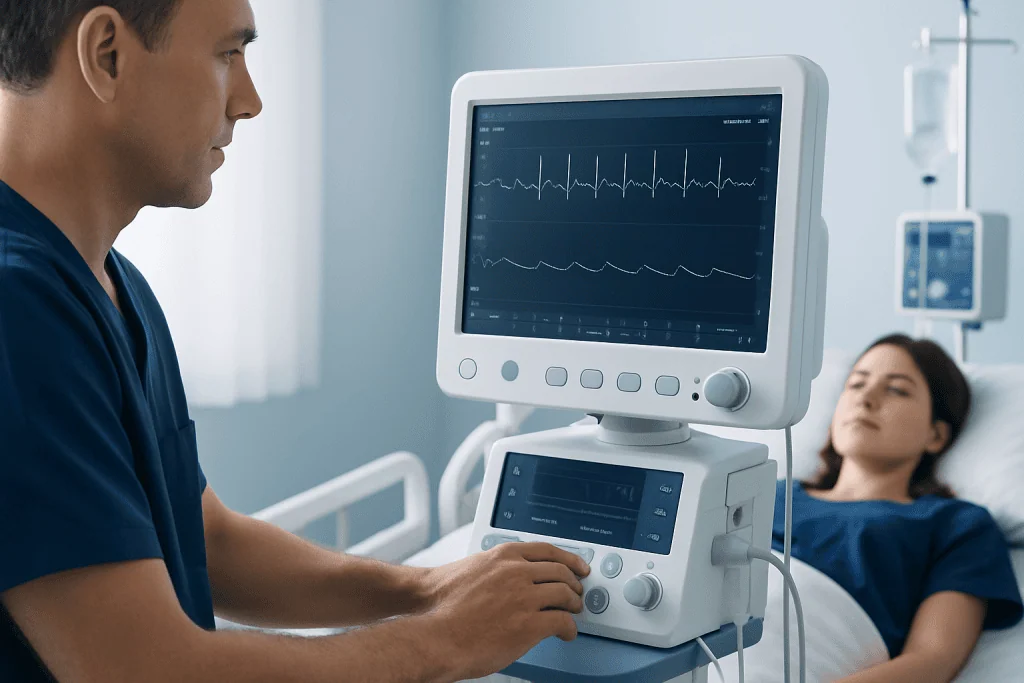
In musculoskeletal care, neurology, orthopedics, and rehabilitation, PT usually refers to physical therapy or a physical therapist. A doctor may write that someone should start PT after surgery, injury, stroke, back pain, or balance problems. In that setting, PT involves exercises, movement training, pain relief techniques, and a plan to restore function.
In blood testing, PT means prothrombin time. This test is used to assess part of the body’s clotting system. It may be ordered before surgery, during evaluation of bleeding or bruising, in people taking certain blood-thinning medicines, or when doctors are checking liver function and clotting health.
In some records, especially brief handwritten or legacy chart notes, “Pt” may also mean patient. For example, a note might say, “Pt reports dizziness” or “Pt advised to rest.” This shorthand is common in clinical documentation, but many institutions now encourage clearer wording to reduce confusion.
- PT = physical therapy: a type of rehabilitation care
- PT = physical therapist: the healthcare professional providing that care
- PT = prothrombin time: a blood clotting test
- Pt = patient: informal chart shorthand in some notes
How to tell which PT your doctor means

The easiest way to interpret PT is to check the surrounding words. If PT appears next to terms like exercise program, range of motion, gait training, mobility, injury, or rehabilitation, it usually means physical therapy. If it appears beside INR, clotting, bleeding, liver tests, anticoagulants, or preoperative labs, it almost always means prothrombin time.
The specialty also offers clues. In orthopedics, sports medicine, rehabilitation, and neurology clinics, PT more often refers to therapy services. In hematology, emergency care, surgery, and internal medicine, PT may refer to the lab value. A discharge summary can even use both meanings in different sections, which is why careful reading is important.
Patients should not feel uncomfortable asking for clarification. Medical records are full of abbreviations, and many can have multiple meanings. If a result or instruction is unclear, a doctor, nurse, pharmacist, or therapist can explain what PT means in that exact situation and whether any follow-up is needed.
PT as physical therapy or physical therapist
When PT means physical therapy, it refers to a treatment approach that helps improve strength, movement, balance, flexibility, and everyday function. A physical therapist evaluates symptoms, watches how the body moves, and builds a personalized plan. PT may be recommended after an operation, after a fracture, for persistent neck or back pain, or for recovery after certain neurological conditions.
Physical therapy is not only for athletes or surgical recovery. It can also help people with joint stiffness, posture problems, dizziness related to movement, walking difficulties, or weakness after a hospital stay. In some cases, PT is part of care for conditions such as stroke recovery or chronic lower back pain.
Treatment may include guided exercise, stretching, manual techniques, balance training, and education on safe daily activity. Depending on the diagnosis, some people may also be referred for broader physical therapy and rehabilitation services. The goal is usually to reduce symptoms, improve independence, and prevent further strain or injury.
PT as prothrombin time on a blood test
When PT means prothrombin time, it is a laboratory test that measures how quickly blood forms a clot through part of the clotting pathway. It is often reported together with INR, a standardized way of interpreting the result. Doctors use PT and INR to monitor certain blood-thinning medicines and to investigate problems such as unexplained bleeding, easy bruising, or abnormal clotting.
A PT result can be influenced by several factors, including medications, liver disease, vitamin K deficiency, and some clotting disorders. An abnormal result does not always indicate a serious problem, but it does need interpretation by a qualified clinician who understands the person’s symptoms, medication list, and overall health history. The result is not meant to be judged in isolation.
If a doctor is checking why someone bruises easily or bleeds longer than expected, PT may be part of a broader workup that includes platelet and other clotting studies. In some cases, clinicians also investigate related conditions such as hemophilia, although hemophilia is typically assessed with additional specialized tests rather than PT alone.
Why abbreviation confusion happens
Abbreviations save time in busy clinical settings, but they can be hard for patients to decode. PT is a good example because it spans different fields of medicine: rehabilitation, laboratory testing, and chart documentation. The same letters may mean one thing in a referral letter and another in a blood test report from the same hospital visit.
Another reason for confusion is that capitalization is not always consistent. Some records use PT, some use Pt, and some use lowercase forms. Electronic health records, dictation software, and older handwritten notes may all format abbreviations differently, so the letters alone may not be enough to determine the meaning.
Healthcare organizations increasingly encourage plain language to improve safety. Even so, abbreviations remain common. Patients can protect themselves by asking for copies of visit summaries, reviewing the section titles of reports, and requesting an explanation whenever instructions involve tests, medicines, or therapies they do not fully understand.
When to seek medical care
Most questions about the meaning of PT are not emergencies, but medical care should be sought promptly if symptoms suggest a health problem rather than simple paperwork confusion. Urgent evaluation is important for signs such as unusual bleeding, vomiting blood, black stools, sudden severe weakness, chest pain, shortness of breath, or symptoms of a possible stroke such as facial droop, trouble speaking, or one-sided numbness.
Medical advice should also be sought if a test report mentions an abnormal PT or INR and there is active bleeding, a recent fall, a head injury, or use of blood-thinning medication. In rehabilitation settings, a person should contact a clinician if pain suddenly worsens, new numbness appears, walking becomes unsafe, or recovery after injury or surgery is not progressing as expected.
For non-urgent concerns, it is reasonable to ask the ordering clinician, therapist, or primary care doctor to explain the abbreviation and its relevance. Near the end of the care journey, some international patients may also choose to consult multidisciplinary specialists at Acibadem International, where JCI-accredited hospitals diagnose and treat complex rehabilitation and clotting-related concerns, including services such as hematology and orthopedics and traumatology when appropriate.
Practical tips for reading medical records safely
When patients see PT in a report, the first step is to identify the document type. A laboratory report usually points toward prothrombin time, while a referral, progress note, or discharge plan may point toward physical therapy. Looking at nearby terms such as INR, exercise, mobility, anticoagulant, or therapist can quickly narrow the meaning.
It also helps to keep an updated list of diagnoses, medicines, and recent treatments. If a person is taking a blood thinner, PT in the lab section is especially relevant. If a person recently had surgery, joint pain, weakness, or difficulty walking, PT in the plan section may refer to rehabilitation and recovery support.
Patients should ask for plain-language explanations of any unfamiliar term before leaving an appointment. Writing down questions, bringing a family member, and reviewing after-visit summaries can make conversations easier. Clear communication reduces misunderstanding and supports safer, more confident participation in care.
Frequently asked questions
What does PT mean in medical terms?
PT most commonly means physical therapy, physical therapist, or prothrombin time. The correct meaning depends on the clinical setting and the words around it in the note or test report.
Does PT always mean physical therapy?
No. In many clinic notes it does mean physical therapy, but in lab medicine PT often means prothrombin time, a blood clotting test. Some records also use Pt as shorthand for patient.
What is PT on a blood test?
On a lab report, PT usually means prothrombin time. This test helps assess how quickly blood clots and may be interpreted together with INR, especially in people taking certain blood thinners.
Why would a doctor order PT?
A doctor may order PT to check bleeding or clotting function, monitor anticoagulant treatment, or evaluate liver-related clotting changes. The reason depends on symptoms, medication use, and medical history.
How can a patient know which PT is meant in a report?
The document type and nearby words usually provide the answer. Terms like INR, bleeding, and anticoagulants suggest prothrombin time, while words like exercise, mobility, and rehabilitation suggest physical therapy.
Should patients worry if they see PT in their records?
Not necessarily. PT is a common abbreviation, and in many cases it is simply part of routine care or documentation. If the meaning is unclear or the report includes abnormal results or troubling symptoms, a clinician should explain it.
References
- MedlinePlus
- U.S. National Library of Medicine
- Centers for Disease Control and Prevention
- National Institutes of Health
- American Physical Therapy Association
This article is for general information only and is not a substitute for professional medical advice. Please consult a qualified doctor about your individual situation.
Explore treatments in Turkey — costs, top hospitals & a free quote
JCI-accredited · board-certified surgeons · reply within 24h
Add us as a Preferred Source to see more of our trusted health content across Google Search, AI Overviews and Discover.

More from the Health Library

Saline Drops for Newborn Congestion: A Complete Medical Overview

Mycobacterium Avium Complex — Explained by Medical Evidence, Not Myths

Buckle Kneed — Explained by Medical Evidence, Not Myths

Tea Tree Oil for Hair: What Patients Need to Know

Thoracic Cavity — Explained by Medical Evidence, Not Myths