Pueraria Mirifica: An Evidence-Based Guide for Patients

Pueraria mirifica contains phytoestrogens that may have estrogen-like effects. Research in humans is limited, so benefits and long-term safety are not fully established.
Key Takeaways
- Pueraria mirifica contains phytoestrogens that may have estrogen-like effects.
- Research in humans is limited, so benefits and long-term safety are not fully established.
- It may interact with hormones, hormone-sensitive conditions, and some medicines.
- Supplements can vary in quality, dose, and purity because they are not standardized like prescription drugs.
- People with unusual bleeding, breast changes, or a history of hormone-related disease should seek medical advice before using it.
Pueraria mirifica is a plant-based supplement that contains phytoestrogens, or compounds that can act somewhat like estrogen in the body. Some people use it for menopausal symptoms or breast-related cosmetic goals, but human evidence is limited and it is not risk-free, especially for people with hormone-sensitive conditions.
Overview
Pueraria mirifica is a plant native to Thailand and nearby regions. Its tuberous root contains phytoestrogens, including compounds such as miroestrol and deoxymiroestrol, which may produce estrogen-like activity in the body. Because of this, it is sold in some countries as a supplement for menopausal symptoms, skin changes, vaginal dryness, or breast enhancement.
For patients, the most important point is that pueraria mirifica is not the same as prescribed hormone therapy. It is an herbal product, and the amount of active compounds can vary widely from one product to another. While some small studies suggest possible effects on symptoms related to lower estrogen levels, the evidence is not strong enough to confirm clear benefits, ideal dosing, or long-term safety.
A practical way to think about pueraria mirifica is as a biologically active supplement rather than a harmless “natural” product. Natural products can still affect hormones, trigger side effects, or interfere with medical conditions and treatments. Anyone considering it should review personal risks with a qualified clinician, especially if there is a history of breast, uterine, or ovarian disease.
How pueraria mirifica may affect the body
Pueraria mirifica attracts attention because its plant compounds can bind to estrogen receptors. Estrogen receptors are found in many tissues, including the brain, breasts, bones, skin, and reproductive organs. This helps explain why users sometimes report changes in hot flashes, vaginal comfort, breast tenderness, or skin texture.
However, estrogen-like activity can be helpful in one setting and unwanted in another. For example, a mild estrogenic effect might be relevant to menopausal symptoms, but the same effect could be a concern in someone with fibroids, endometriosis, unexplained vaginal bleeding, or a hormone-sensitive cancer history. It is therefore important not to assume that all “phytoestrogens” are gentle or universally safe.
Another challenge is that supplements are not identical. Different extracts may use different plant parts, processing methods, and concentrations. This makes it hard for researchers and doctors to compare results or predict how a particular product will behave in an individual patient.
- Possible target effects: hot flashes, night sweats, vaginal dryness, skin changes
- Possible unwanted effects: breast tenderness, bleeding changes, headaches, nausea
- Main uncertainty: product quality and long-term hormone-related safety
What the evidence says about benefits

The strongest interest in pueraria mirifica relates to menopause. Small clinical studies have explored whether it may help with hot flashes, vaginal dryness, or other symptoms linked to lower estrogen levels. Some results suggest modest symptom improvement in certain patients, but the studies are generally small, short-term, and use different preparations, so conclusions remain limited.
Claims about breast enlargement are much less well supported. Marketing often goes beyond what medical evidence can confirm. A patient should be cautious with products promoted for cosmetic body changes, especially when those claims rely on anecdotal reports rather than consistent, high-quality human research.
There is also interest in possible effects on bone, skin, and cholesterol. At present, these areas remain investigational. Pueraria mirifica should not replace evidence-based care for osteoporosis risk, bothersome menopause, or other medical concerns. Patients who need a formal assessment for hormone-related symptoms may benefit from specialist evaluation, including menopause care when appropriate.
In short, the current evidence does not prove that pueraria mirifica is broadly effective, and it does not establish that it is safer than conventional treatment. This does not mean it has no effect; rather, it means the benefits and risks are not fully defined.
Side effects, risks, and who should avoid it
Because pueraria mirifica may act like estrogen, side effects can resemble hormone-related effects. Reported concerns include breast tenderness, bloating, nausea, headaches, mood changes, and changes in menstrual or vaginal bleeding. Some people may also experience skin reactions or stomach upset.
It may be unsuitable for patients with conditions that can worsen with estrogen exposure. This may include a personal history of breast cancer, uterine cancer, ovarian cancer, endometriosis, uterine fibroids, unexplained vaginal bleeding, or certain liver problems. People who are pregnant, trying to conceive, or breastfeeding should avoid using it unless a doctor specifically advises otherwise.
Caution is also needed for anyone taking hormone therapy, birth control, fertility medication, or medicines that affect blood clotting. Although not every interaction is fully studied, combining biologically active supplements with prescription treatment can complicate symptom control and monitoring. Patients with breast symptoms should not self-treat while delaying assessment for breast cancer.
- Avoid self-use if there is unexplained vaginal bleeding
- Discuss use before combining with hormone therapy or contraception
- Stop and seek advice if new breast lumps, severe headaches, or significant bleeding occur
How doctors evaluate safety concerns
If a patient is already taking pueraria mirifica or is considering it, a doctor will usually begin with the reason for use, symptom pattern, menstrual history, current medicines, and past medical history. This helps distinguish whether symptoms are likely related to menopause, another hormone imbalance, or a separate gynecologic issue that needs direct evaluation.
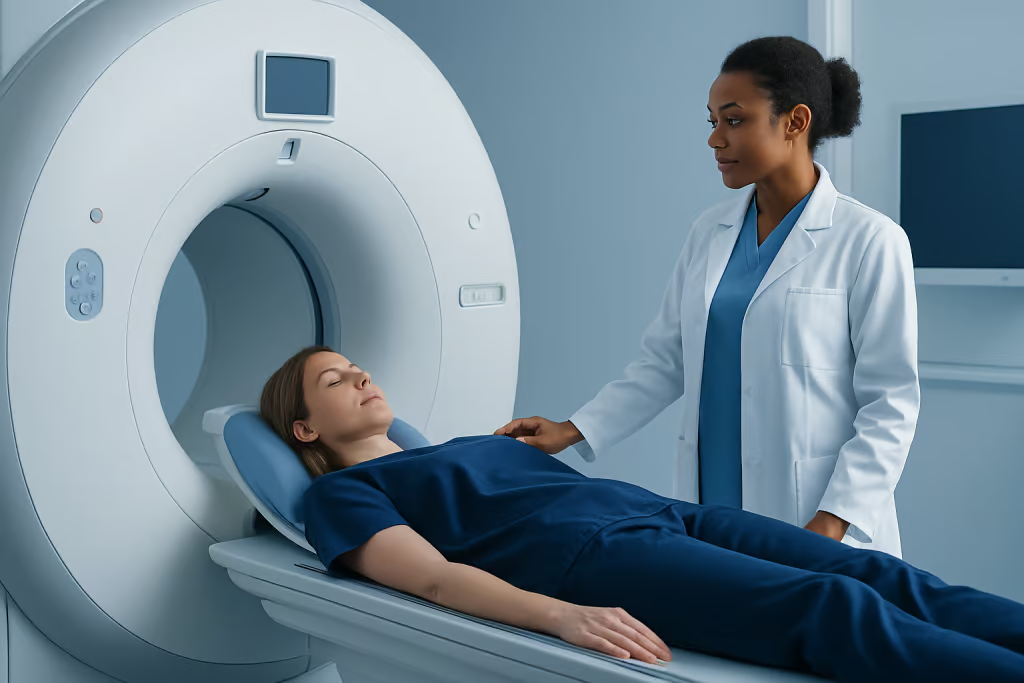
Depending on the symptoms, assessment may include a physical examination, blood tests, or imaging. For example, abnormal uterine bleeding may need gynecologic review, while a breast lump or nipple discharge may require breast imaging and specialist follow-up. If symptoms are severe or unclear, it is usually better to identify the underlying cause before trying supplements.
In some cases, patients looking for hormone-related advice may need evaluation by specialists in gynecology or endocrinology. The aim is not simply to approve or reject a supplement, but to understand whether the person has a condition that needs established treatment, monitoring, or a safer alternative.
Safer use, self-care, and alternatives
For patients who still wish to discuss pueraria mirifica, the safest approach is to treat it like any other active therapy: review it with a clinician, choose products carefully, and monitor for side effects. It is sensible to use only products from reputable manufacturers that clearly list ingredients and avoid exaggerated claims. Even then, quality and concentration may still vary.
Non-supplement strategies can also help many people with menopausal or hormone-related symptoms. These may include maintaining a comfortable sleep environment, reducing triggers for hot flashes, stopping smoking, staying physically active, and using vaginal moisturizers or lubricants when dryness is a concern. These measures do not replace medical care, but they can support symptom control.
When symptoms are persistent or affect quality of life, established medical options may be more predictable and easier to monitor than herbal products. Depending on the person’s age, medical history, and symptom profile, doctors may discuss evidence-based approaches such as lifestyle changes, nonhormonal medicines, or carefully supervised hormone therapy.
Near the end of the decision-making process, some patients seek care in centers with coordinated women’s health services. Acibadem International’s multidisciplinary specialists in JCI-accredited hospitals diagnose and treat hormone-related concerns for international patients when further evaluation is needed.
When to seek medical care
Medical advice is important before starting pueraria mirifica if the patient has a history of hormone-sensitive disease, takes hormone-related medicines, or is pregnant or breastfeeding. A doctor should also be consulted if the reason for using the supplement is not clear, such as when fatigue, mood changes, irregular periods, or vaginal symptoms may have several possible causes.
Prompt medical review is especially important for warning signs such as unexplained vaginal bleeding, bleeding after menopause, a new breast lump, nipple discharge, pelvic pain, severe headache, chest pain, or shortness of breath. These symptoms should not be assumed to be caused by a supplement or by menopause without proper evaluation.
If a patient has been using pueraria mirifica and notices new or worsening symptoms, it is wise to stop the product and arrange a medical review. Bringing the supplement container or ingredient list to the appointment can help the clinician assess possible ingredients and interactions.
Frequently asked questions
Is pueraria mirifica safe?
Pueraria mirifica is not automatically safe simply because it is plant-based. It may have estrogen-like effects, and safety depends on the person’s medical history, current medicines, and the quality of the product. People with hormone-sensitive conditions should be especially cautious.
Does pueraria mirifica really help menopause symptoms?
Some small studies suggest it may help certain menopause-related symptoms, such as hot flashes or vaginal dryness. However, the research is limited and products are not standardized, so benefits are not certain. It should not replace medical evaluation when symptoms are significant or unusual.
Can pueraria mirifica increase breast size?
Claims about breast enlargement are widely marketed but not strongly supported by high-quality medical evidence. Any apparent change may be temporary, subtle, or related to hormone-like effects rather than true tissue growth. Patients should be careful with supplements promoted for cosmetic results.
Who should avoid pueraria mirifica?
People who are pregnant, breastfeeding, or trying to conceive should generally avoid it unless advised otherwise by a doctor. It may also be inappropriate for those with unexplained vaginal bleeding, hormone-sensitive cancers, fibroids, endometriosis, or certain liver conditions.
Can pueraria mirifica interact with medications?
Yes, it may interact with hormone therapy, birth control, fertility treatment, or other medicines affected by hormone activity. Not all interactions are well studied, which adds uncertainty. Patients should tell their doctor or pharmacist about all supplements they use.
How is pueraria mirifica different from prescribed hormone therapy?
Prescribed hormone therapy uses regulated medications with known ingredients, dosing, and monitoring guidance. Pueraria mirifica is an herbal supplement, and the amount of active compounds can differ between products. That makes its effects less predictable and harder to compare with standard treatment.
References
- National Center for Complementary and Integrative Health
- Office on Women's Health
- North American Menopause Society
- World Health Organization
- U.S. Food and Drug Administration
This article is for general information only and is not a substitute for professional medical advice. Please consult a qualified doctor about your individual situation.
Explore treatments in Turkey — costs, top hospitals & a free quote
JCI-accredited · board-certified surgeons · reply within 24h
Add us as a Preferred Source to see more of our trusted health content across Google Search, AI Overviews and Discover.
Check your numbers in seconds
BMI, calories, due date, blood pressure and 30+ more clinical calculators — free, instant, doctor-reviewed ranges.