Pulmonary Hypertension Treatment: Medicines, Monitoring, and When Procedures Are Needed

Pulmonary hypertension is high pressure in the blood vessels that carry blood from the heart to the lungs. Treatment depends on the underlying cause and may include oxygen, diuretics, blood thinners, and disease-specific medicines.
Key Takeaways
- Pulmonary hypertension is high pressure in the blood vessels that carry blood from the heart to the lungs.
- Treatment depends on the underlying cause and may include oxygen, diuretics, blood thinners, and disease-specific medicines.
- Regular follow-up is important because symptoms and heart strain can change over time.
- Some people may need procedures or surgery, especially when a valve problem, clot, or congenital heart condition is involved.
- Early evaluation of breathlessness, chest discomfort, fainting, or swelling can help guide timely treatment.
Pulmonary hypertension treatment is tailored to the cause, severity, and effect on the heart and lungs. Care often combines medicines, regular monitoring, healthy lifestyle steps, and selected procedures when needed.
Overview of Pulmonary Hypertension Treatment
<a href="https://acibademinternational.com/diseases/pulmonary-hypertension/”>Pulmonary hypertension is a condition in which pressure is higher than normal in the arteries of the lungs. Over time, this can make the right side of the heart work harder to push blood forward. Treatment aims to reduce symptoms, improve daily function, slow progression, and address the reason the pressure has increased.
There is no single treatment plan for everyone. Pulmonary hypertension can develop for different reasons, including lung disease, blood clots, heart valve disease, congenital heart problems, or disorders that affect the pulmonary arteries directly. Because of this, doctors first identify the type and cause before choosing therapy.
Many people do well with a combination of medicines, oxygen if needed, physical activity at a safe level, and regular checkups. In more complex cases, advanced therapies, catheter-based procedures, or surgery may be considered. A clear treatment plan and careful monitoring can make day-to-day life more manageable and help protect heart function.
Symptoms and How the Condition Affects Daily Life
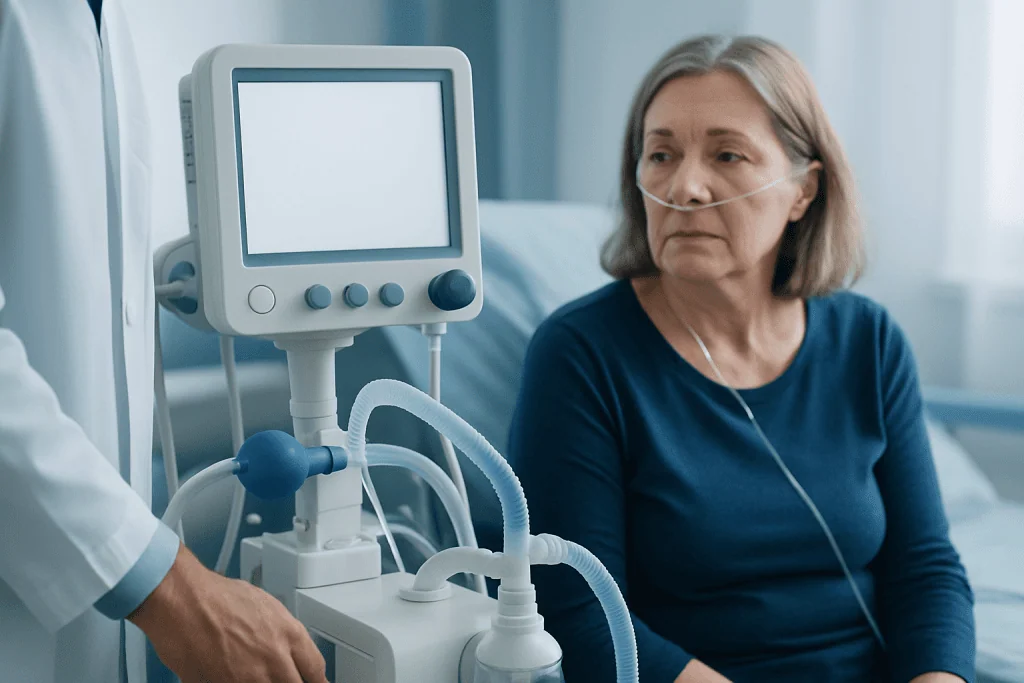
Symptoms of pulmonary hypertension often develop gradually and can be easy to confuse with other heart or lung conditions. Shortness of breath during activity is common. Some people also notice fatigue, reduced exercise tolerance, chest pressure, lightheadedness, fainting, ankle swelling, or a racing heartbeat.
As the condition becomes more demanding on the heart, symptoms may appear with less activity or even at rest. Swelling in the legs or abdomen can happen when the right side of the heart is under strain. Daily tasks such as climbing stairs, walking quickly, or carrying groceries may become more difficult.
These symptoms do not always mean pulmonary hypertension, but they do deserve medical attention, especially if they are new, worsening, or limiting routine life. Some people with pulmonary hypertension also have related conditions such as heart failure or valve disease, which can add to tiredness or breathlessness.
Causes and Risk Factors

Pulmonary hypertension is not one disease but a group of conditions with a shared effect: increased pressure in the lung circulation. Doctors often classify it according to the underlying cause. It may be linked to diseases of the pulmonary arteries, left-sided heart disease, chronic lung disease, sleep-related breathing problems, chronic blood clots, or less common systemic disorders.
Heart-related causes are especially important to recognize. Problems such as valve disease, cardiomyopathy, congenital heart defects, or long-standing high blood pressure can change how blood moves through the heart and lungs. Some people develop pulmonary hypertension because of chronic thromboembolic disease, where older clots continue to obstruct the lung arteries. This is different from a simple one-time clot and often needs specialist assessment.
Risk factors vary with the cause and can include connective tissue disease, liver disease, family history, obesity, sleep apnea, smoking history, advanced age, and prior blood clots. Certain appetite suppressants or drug exposures have also been associated with some forms. Identifying the cause is one of the most important steps, because the best pulmonary hypertension treatment depends on it.
How Pulmonary Hypertension Is Diagnosed and Monitored
Diagnosis usually starts with a medical history, physical examination, and basic tests that help rule out common causes of breathlessness. An electrocardiogram, chest imaging, blood tests, lung function tests, and an echocardiogram are often used early in the evaluation. These can suggest whether the right side of the heart is under strain and whether lung or valve disease may be involved.
The key test to confirm pulmonary hypertension is right heart catheterization. This test directly measures pressures inside the heart and lung arteries and helps doctors distinguish between different types of pulmonary hypertension. Additional tests may include a walking test, CT imaging, sleep studies, or scans to look for chronic blood clots.
Monitoring continues after diagnosis. Follow-up may include repeat echocardiograms, blood tests, exercise assessments, oxygen checks, and symptom review. These visits help doctors judge whether treatment is working, whether the condition is stable, and whether changes in therapy are needed. In specialized centers, evaluation may involve invasive cardiology assessment when direct pressure measurement or a detailed hemodynamic study is necessary.
Medicines Used in Pulmonary Hypertension Treatment
Medicines are chosen according to the type of pulmonary hypertension and the patient’s symptoms, test results, and other health conditions. Supportive treatment may include diuretics to reduce fluid retention, oxygen therapy for low oxygen levels, and anticoagulants in selected cases, especially when chronic clot-related disease is present. Some people also need treatment for irregular heart rhythms or for the underlying heart or lung condition contributing to elevated pressure.
For pulmonary arterial hypertension, doctors may prescribe targeted therapies that relax or widen the pulmonary arteries and improve blood flow. These can include endothelin receptor antagonists, phosphodiesterase-5 inhibitors, soluble guanylate cyclase stimulators, prostacyclin pathway therapies, or combinations of these medicines. The exact regimen depends on severity, risk profile, tolerance, and response over time.
When pulmonary hypertension is caused by another condition, treating that cause is essential. This may mean optimizing care for cardiomyopathy, valve disease, chronic lung disease, or sleep apnea rather than using pulmonary arterial hypertension drugs. Because some medicines are only appropriate for specific forms of pulmonary hypertension, treatment should be guided by a clinician with experience in this condition.
Regular monitoring is part of medication treatment. Doctors check symptom changes, exercise ability, blood pressure, oxygen levels, kidney and liver function, and possible side effects. Medicines may be adjusted gradually, and combination therapy may be used if a single drug is not enough.
When Procedures or Surgery May Be Needed
Procedures are not needed for every patient, but they can be very important in selected cases. If pulmonary hypertension is related to a structural heart problem, such as a congenital defect or valve abnormality, correcting that issue may improve pressure in the lungs or reduce strain on the heart. Some patients benefit from congenital heart defect correction when an underlying defect is contributing to abnormal blood flow.
For chronic clot-related pulmonary hypertension, specialized interventions may be considered to remove or reduce obstruction in the pulmonary arteries. Depending on the individual situation, care may involve blood thinners, expert imaging, and sometimes catheter-based or surgical approaches. In broader cardiovascular practice, minimally invasive options such as endovascular surgery may be part of treatment planning when vascular disease needs procedural management.
Some people need procedures because another heart condition is worsening breathlessness and cardiac strain. Valve interventions, repair of congenital disease, or advanced surgery can be considered after careful assessment by a multidisciplinary team. In rare severe cases that continue to progress despite treatment, referral to an expert center for advanced therapies, including transplant evaluation, may be appropriate.
Because pulmonary hypertension can affect both the heart and lungs, decisions about procedures are usually made by cardiology, pulmonology, imaging, anesthesia, and surgical specialists together. At Acibadem International, multidisciplinary specialists in JCI-accredited hospitals diagnose and treat pulmonary hypertension for international patients, including advanced evaluation through interventional cardiology when appropriate.
Prevention, Self-care, and Living Well With the Condition
Not all cases of pulmonary hypertension can be prevented, but self-care still matters. Following the treatment plan, taking medicines consistently, and attending follow-up visits can help reduce complications and keep symptoms under better control. People should also talk with their doctor before starting new medicines, supplements, or intense exercise programs.
Healthy lifestyle steps can support overall heart and lung function. These include not smoking, avoiding secondhand smoke, staying up to date with recommended vaccinations, eating a balanced diet, limiting excess salt if fluid retention is a problem, and maintaining a healthy weight. Gentle, supervised activity may be beneficial for many people, but exercise should be individualized.
Travel, altitude, pregnancy planning, and infections may require extra discussion with a clinician. Some people need oxygen during sleep, air travel, or activity. Emotional support is also important, since living with a chronic condition can affect confidence and quality of life. Patients should ask about rehabilitation, symptom tracking, and practical ways to pace activities without becoming overly inactive.
- Take medicines exactly as prescribed.
- Monitor swelling, breathlessness, weight changes, and exercise tolerance.
- Avoid smoking and discuss alcohol use with a doctor.
- Ask before pregnancy, high-altitude travel, or strenuous activity.
- Seek regular follow-up even when symptoms feel stable.
When to See a Doctor
Medical review is important for unexplained shortness of breath, fatigue that is getting worse, chest discomfort with activity, fainting, or swelling in the legs or abdomen. These symptoms may have many causes, but they should not be ignored, especially in someone with known heart or lung disease. Early evaluation can help identify pulmonary hypertension or another condition before symptoms become more limiting.
People already diagnosed with pulmonary hypertension should contact their care team if symptoms increase, medicines seem less effective, or side effects appear. New dizziness, fainting spells, fast heartbeat, worsening swelling, or oxygen levels dropping lower than usual may mean the treatment plan needs adjustment.
Emergency care is needed for severe chest pain, sudden major breathing difficulty, blue lips, collapse, or signs of a blood clot such as sudden shortness of breath with chest pain. Prompt attention can be critical. Even when symptoms are mild, ongoing communication with a qualified doctor is the safest way to manage this condition.
Frequently asked questions
Can pulmonary hypertension be cured?
Some cases improve significantly when the underlying cause is treated, such as certain valve problems, congenital heart defects, or chronic clot-related disease. However, many forms are managed as long-term conditions with medicines, monitoring, and supportive care. The goal is to improve symptoms, protect heart function, and slow progression.
What is the best treatment for pulmonary hypertension?
The best pulmonary hypertension treatment depends on the type and cause. Some people need targeted pulmonary artery medicines, while others benefit most from oxygen, diuretics, blood thinners, or treatment of the underlying heart or lung disease. A specialist evaluation is important because the wrong medication approach may not help certain forms.
How serious is pulmonary hypertension?
Pulmonary hypertension is a serious condition because it can place extra strain on the right side of the heart. That said, severity varies widely, and many people do better with early diagnosis and a personalized treatment plan. Regular follow-up is important to detect changes before they become more significant.
Do all patients with pulmonary hypertension need oxygen?
No, oxygen is not needed for everyone. It is usually recommended when oxygen levels are low at rest, during activity, during sleep, or during travel in some cases. A doctor can assess oxygen needs using pulse oximetry, blood gas testing, or sleep and exercise studies.
Is exercise safe with pulmonary hypertension?
In many cases, gentle and supervised exercise can be helpful, but it should be tailored to the individual. Very strenuous activity may not be appropriate for some patients, especially if symptoms are unstable. A doctor or rehabilitation team can advise on the safest level of physical activity.
When are procedures considered for pulmonary hypertension?
Procedures are considered when there is a treatable structural or vascular cause, or when symptoms remain significant despite medical therapy. Examples include correction of certain congenital heart defects, treatment of valve disease, or specialized intervention for chronic clot-related obstruction. Decisions are usually made by a multidisciplinary team after detailed testing.
References
- World Health Organization
- European Society of Cardiology
- European Respiratory Society
- American Heart Association
- National Heart, Lung, and Blood Institute
This article is for general information only and is not a substitute for professional medical advice. Please consult a qualified doctor about your individual situation.
Pulmonary Hypertension in Turkey — costs, top hospitals & a free quote
JCI-accredited · board-certified surgeons · reply within 24h
Add us as a Preferred Source to see more of our trusted health content across Google Search, AI Overviews and Discover.
Check your numbers in seconds
BMI, calories, due date, blood pressure and 30+ more clinical calculators — free, instant, doctor-reviewed ranges.

Cardiology Department
Diagnosis and treatment of heart and vascular conditions, from prevention to advanced interventional procedures.
90 specialists in this unit