Pupil Surgery: Procedure, Recovery and Results

Pupilloplasty is a common pupil reconstruction technique that uses fine sutures to reshape the iris opening. Pupil surgery may help reduce glare, light sensitivity, double vision and cosmetic concerns caused by an irregular pupil.
Key Takeaways
- Pupilloplasty is a common pupil reconstruction technique that uses fine sutures to reshape the iris opening.
- Pupil surgery may help reduce glare, light sensitivity, double vision and cosmetic concerns caused by an irregular pupil.
- Recovery commonly involves eye drops, activity restrictions and follow-up visits to monitor eye pressure, healing and vision.
- The final visual result depends on the health of the cornea, lens, retina and optic nerve, not only on pupil shape.
- Sudden vision loss, severe pain, increasing redness or flashes and floaters after surgery require urgent eye assessment.
Pupil surgery is an umbrella term for operations that repair, reconstruct or reduce the pupil when it is damaged, irregular or excessively enlarged. The approach, recovery and expected results depend on the cause of the pupil problem and whether other eye conditions, such as cataract or retinal disease, also need treatment.
Overview: What Is Pupil Surgery?
Pupil surgery describes procedures that alter the opening in the center of the iris, the colored part of the eye. The pupil controls how much light enters the eye. When it is too large, misshapen, displaced or damaged, light may scatter inside the eye and cause glare, halos, reduced visual quality, light sensitivity or sometimes double vision.
The most established form is pupilloplasty, also called pupil reconstruction surgery. During this microsurgery, an ophthalmic surgeon places very fine sutures in the iris to create a rounder, more centered or smaller pupil. The operation can be performed on its own, but it is often combined with surgery for a traumatic eye injury, cataract, lens problem or retinal condition.
Although the pupil may look more regular after healing, the aim is not purely cosmetic. A better-shaped pupil can improve control of incoming light and may make vision more comfortable. Whether vision improves depends on the underlying eye health, including the cornea, retina and optic nerve.
How Pupil Reconstruction and Reduction Surgery Work
The iris is a thin, delicate tissue with muscles that normally widen and narrow the pupil. Injury, previous surgery, inflammation, congenital differences or certain eye diseases can leave a gap in the iris or cause the pupil to become permanently enlarged or irregular. In these situations, pupil reconstruction surgery changes the iris shape rather than replacing the entire iris.
For pupilloplasty, the surgeon generally makes tiny incisions at the edge of the cornea and uses microscopic instruments to pass a fine suture through the iris. The suture is tightened carefully to bring iris tissue together. Depending on the problem, this may close an iris tear, center a distorted pupil or perform pupil reduction surgery for a very large pupil.
Some people need a different or additional procedure. For example, an artificial iris implant may be considered in selected cases with major iris loss, while cataract extraction or lens fixation may be needed when the natural lens or an intraocular lens is unstable. The treatment plan is individualized after a detailed eye examination.
Who May Be a Candidate for Pupil Surgery?

A person may be considered for pupil surgery when an abnormal pupil causes troublesome symptoms or affects eye function. Typical concerns include disabling glare in daylight or at night, marked sensitivity to light, halos, reduced contrast, monocular double vision, or a visible irregular pupil after trauma or previous surgery.
Common reasons for a pupil after surgery to remain irregular include complicated cataract surgery, iris injury during eye surgery, inflammation inside the eye, or problems related to an implanted lens. Trauma can also tear the iris or damage the muscles that control the pupil. In some cases, a large pupil is present from birth or occurs after certain medications or neurologic conditions; these causes require careful assessment before surgery is considered.
Before recommending surgery, the ophthalmologist evaluates visual acuity, eye pressure, corneal health, iris structure, lens position and the back of the eye. Testing may include slit-lamp examination, imaging and retinal assessment. Surgery may not be appropriate if symptoms are mild, if inflammation is active, or if another untreated condition is the main reason for reduced vision.
- Symptoms should be linked clearly to the pupil abnormality.
- The eye should be sufficiently stable for intraocular surgery.
- Potential benefits should outweigh risks such as inflammation, pressure changes or further visual disturbance.
Pupil Surgery: Step by Step
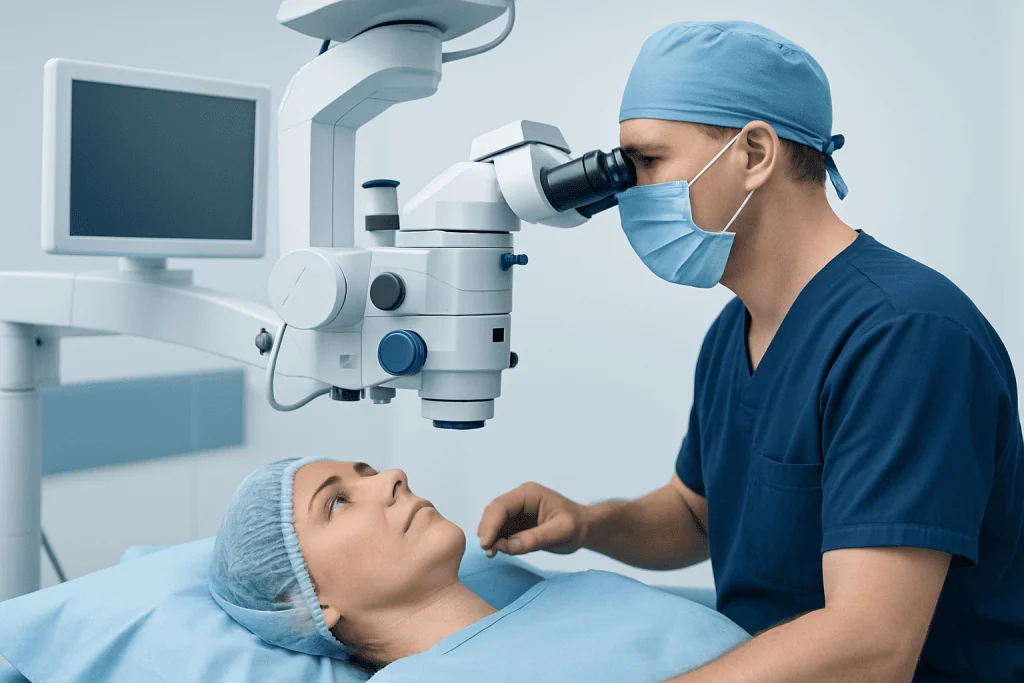
Pupil surgery is usually performed in an operating room by an ophthalmologist with expertise in anterior-segment or complex eye surgery. It may be done under local anesthesia with sedation, although anesthesia choices depend on the procedure, the person’s health and the complexity of the case. The eye is cleaned and covered with a sterile drape, and the eyelids are gently held open.
The surgeon makes very small incisions, typically near the corneal edge, and injects a protective gel into the front chamber of the eye. Using a microscope, the surgeon evaluates the iris and places one or more fine sutures to reshape the pupil. If cataract removal, lens repair, vitrectomy or another procedure is needed, the order of steps is planned around the eye’s specific anatomy.
At the end of the operation, the surgeon checks the pupil shape, wound closure and eye pressure. A protective shield may be placed over the eye. Most people go home the same day, but they need someone else to accompany them and should follow the prescribed eye-drop schedule closely.
Pupilloplasty Recovery Time and Expected Results
Pupilloplasty recovery varies according to whether it was performed alone or alongside cataract, retinal or trauma surgery. Mild scratchiness, watering, blurred vision and sensitivity to light are common in the first few days. The eye may look red, and the pupil can appear slightly uneven while swelling settles. Prescribed anti-inflammatory and antibiotic drops help support healing and reduce infection risk.
Many people can resume light daily activities after a few days, but vision may fluctuate for several weeks. The surgeon may advise avoiding eye rubbing, swimming, heavy lifting, strenuous exercise and dusty environments for a defined period. Follow-up appointments are important because the care team checks wound healing, eye pressure, inflammation, pupil position and retinal health.
Results may include a rounder or smaller pupil, less glare and improved comfort in bright environments. However, pupil surgery cannot reverse damage to the retina or optic nerve, remove all glare in every case, or guarantee better visual acuity. Glasses, tinted lenses or further treatment may still be useful after the eye has stabilized.
Acibadem International’s multidisciplinary ophthalmology specialists and JCI-accredited hospitals assess complex iris, lens and retinal conditions for international patients, including planning where combined eye procedures are appropriate.
Related Recovery Questions After Cataract and Vitrectomy Surgery
How long does it take for the pupil to return to normal after cataract surgery? A dilated pupil caused by preoperative or postoperative eye drops usually becomes smaller as the medication wears off, often within hours and sometimes by the following day. The pupil may remain temporarily irregular after complex cataract surgery or iris manipulation, and recovery can take longer when there has been inflammation or pre-existing iris damage. A pupil that remains very large, painful or associated with worsening vision should be assessed promptly.
What is the biggest complaint after cataract surgery? Blurred or fluctuating vision in the early healing period is among the most common concerns, often accompanied by dryness, glare or sensitivity to light. These symptoms commonly improve as the eye heals, but persistent blur can have several causes, including dry eye, residual prescription error, inflammation, corneal swelling or changes at the back of the eye. A postoperative review helps identify the reason and the appropriate treatment.
How many days should I rest after eye surgery? Most people need a quiet recovery period of at least the first day or two and can often return gradually to light, non-strenuous activity within several days. The exact restriction period differs for pupil surgery, cataract surgery, retinal surgery and trauma repair. The operating surgeon’s instructions should take priority, especially if there is a gas bubble, retinal repair or an eye-pressure concern.
What should I expect 4 weeks after a vitrectomy? At four weeks, many people are still noticing gradual visual improvement, particularly if the surgery involved a gas bubble or treatment of a retinal problem. Vision may remain blurred until a gas bubble is absorbed, and the final outcome can take several months depending on the original retinal condition. Redness, mild dryness and use of drops may continue, but increasing pain, worsening vision, new flashes or a curtain-like shadow need urgent review.
Benefits, Risks and When to Seek Medical Care
The potential benefits of pupil surgery include better pupil symmetry, reduced glare, improved light tolerance and improved visual quality when the abnormal pupil is a significant cause of symptoms. In a damaged eye, reconstruction may also support the wider surgical repair plan. The surgeon will discuss what improvement is realistic based on the full eye examination.
As with all intraocular procedures, risks can include infection, bleeding, inflammation, raised or low eye pressure, corneal swelling, suture-related problems, persistent pupil irregularity, retinal complications and the need for additional surgery. There may also be no significant improvement in vision if another part of the eye limits sight. These risks are considered carefully before treatment.
When to seek medical care: Patients should contact their eye surgeon urgently for severe or increasing pain, a sudden decrease in vision, increasing redness, thick discharge, nausea with eye pain, new flashes of light, a sudden increase in floaters, or a dark curtain or shadow in the visual field. These symptoms do not always indicate a serious complication, but prompt assessment helps protect vision.
Regular eye follow-up is also important for people with previous eye trauma, cataract surgery, retinal surgery or chronic inflammatory eye disease. Ongoing monitoring can identify changes in eye pressure, lens position, corneal health or retinal status before they become more disruptive.
Frequently asked questions
Is pupil surgery the same as cataract surgery?
No. Cataract surgery removes a cloudy natural lens and replaces it with an artificial lens. Pupil surgery repairs or reshapes the iris opening, although both procedures can sometimes be performed during the same operation when clinically appropriate.
Is pupilloplasty painful?
The procedure is performed with anesthesia, so pain during surgery is usually minimized. Mild discomfort, grittiness or light sensitivity can occur afterward and is typically managed with prescribed drops and the surgeon’s recovery guidance.
How long does pupilloplasty recovery take?
Initial healing often takes days to a few weeks, while vision and inflammation may continue to stabilize over several weeks or longer. Recovery is often longer when pupilloplasty is combined with cataract, trauma or retinal surgery.
Can pupil surgery improve glare at night?
It may help when glare is caused by a large, irregular or displaced pupil that allows excess light to enter the eye. Night-vision symptoms can also come from corneal, lens or retinal issues, so a complete eye assessment is needed to determine the likely benefit.
Will the pupil look perfectly round after reconstruction surgery?
The goal is usually to create a more functional and cosmetically regular pupil, but a perfectly round appearance is not always possible. The final result depends on the amount and location of iris damage, healing response and any other eye procedures performed.
Can an irregular pupil after eye surgery be treated without another operation?
Sometimes. Depending on the cause and symptoms, options may include observation, tinted glasses, contact lenses, treatment of inflammation or adjustment of related eye problems. Surgery is generally considered when symptoms are significant or when reconstruction is needed for eye function.
References
- American Academy of Ophthalmology
- National Eye Institute
- Royal College of Ophthalmologists
- Mayo Clinic
This article is for general information only and is not a substitute for professional medical advice. Please consult a qualified doctor about your individual situation.
Explore treatments in Turkey — costs, top hospitals & a free quote
JCI-accredited · board-certified surgeons · reply within 24h
Add us as a Preferred Source to see more of our trusted health content across Google Search, AI Overviews and Discover.