Radiation for Skin Cancer: How It Works, Results and What to Expect
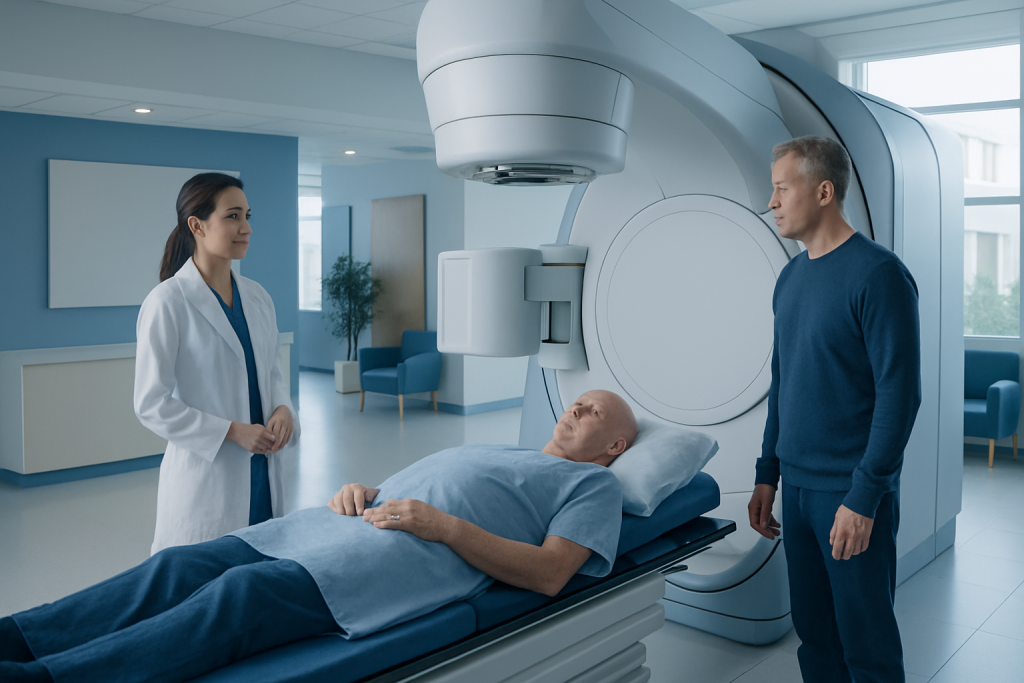
Radiotherapy is most commonly used for basal cell carcinoma and squamous cell carcinoma, particularly in locations where surgery may affect function or appearance. Treatment is planned individually and is usually delivered in short outpatient sessions over days or weeks.
Key Takeaways
- Radiotherapy is most commonly used for basal cell carcinoma and squamous cell carcinoma, particularly in locations where surgery may affect function or appearance.
- Treatment is planned individually and is usually delivered in short outpatient sessions over days or weeks.
- Skin redness, tenderness, dryness and fatigue are common temporary effects; the treated area may take weeks to heal after treatment ends.
- Radiation controls cancer only in the treated area, so follow-up skin checks remain important.
- The best treatment choice depends on cancer type, size, location, depth, previous treatment and the person's overall health.
Radiation for skin cancer is a local treatment that directs high-energy radiation at a tumor or surgical area to damage cancer cells while protecting nearby healthy tissue as much as possible. It can be used instead of surgery in selected cases, or after surgery when there is concern that cancer cells may remain.
Overview: how radiation for skin cancer works
Radiation for skin cancer, also called radiotherapy, uses carefully targeted high-energy beams to damage the DNA inside cancer cells. Cancer cells are less able than healthy cells to repair this damage, so they gradually stop dividing and die. The body then clears these cells over time, which means the full response is not always immediate.
It is mainly used for non-melanoma skin cancers, especially basal cell carcinoma and squamous cell carcinoma. Depending on the situation, it may be a primary treatment when surgery is not the preferred option, or an additional treatment after surgery if the cancer has features associated with a higher chance of returning locally.
Radiotherapy treats a defined area rather than the whole body. It does not make a person radioactive, and it is safe to be around family members, including children, after an external-beam treatment session. A radiation oncologist works closely with dermatology, surgical and pathology teams to select the most appropriate approach.
Who may be a candidate for radiotherapy?
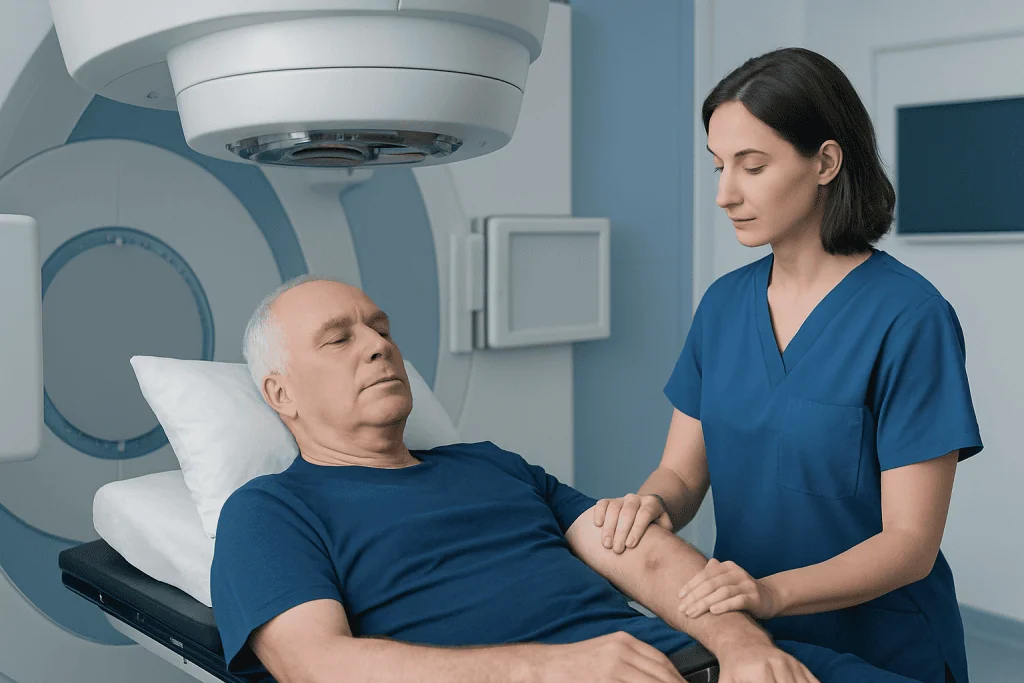
Radiotherapy may be considered when a skin cancer is on an area where surgery could be difficult or may significantly affect appearance or function, such as the eyelid, nose, ear, lip or scalp. It can also be helpful for people who are not suitable for an operation because of other health conditions, medication-related bleeding risks or personal circumstances.
After surgery, radiation may be advised for selected squamous cell cancers with high-risk features, such as involvement of nearby nerves, close or involved surgical margins when further surgery is not appropriate, recurrence, or spread to nearby lymph nodes. Decisions are made by reviewing the pathology report, examination findings and imaging where needed.
Radiotherapy is not the best option for every skin cancer. Surgery often provides immediate removal and tissue confirmation, and may be preferred for many small, low-risk lesions. Some cancers, including many melanomas, are usually managed primarily with surgery and other systemic or local treatments rather than radiation alone. Patients with certain inherited radiation-sensitivity conditions or connective-tissue disorders need individualized assessment.
People with a new or changing lesion should have an expert diagnosis before treatment. This may involve a skin examination and biopsy, which identifies the cancer type and helps guide care for conditions such as skin cancer.
What happens during radiation treatment for skin cancer?
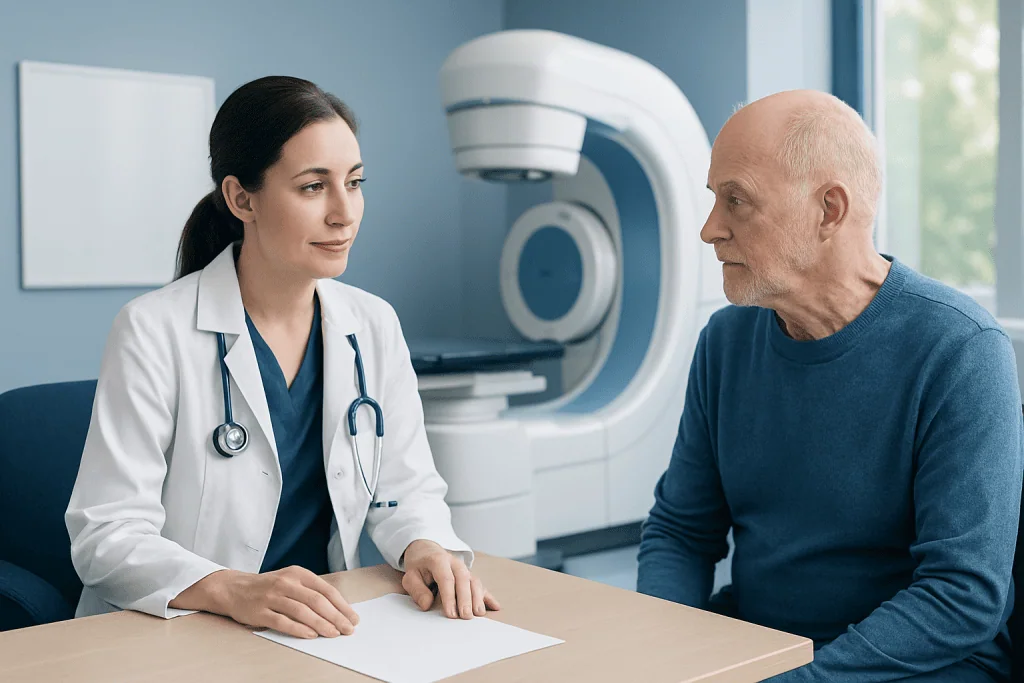
Before treatment begins, the radiation oncology team carries out a planning appointment. The clinician examines the treatment area and may use photographs, small skin marks, a custom support device or imaging to ensure the same position can be reproduced accurately each day. The plan defines the tumor or surgical bed and a small surrounding margin where microscopic cells could be present.
Most skin cancers are treated with external-beam radiation. Depending on the site and depth, the team may use superficial radiation, electron beams, photons or another technique that delivers dose near the skin surface while limiting exposure to deeper tissues. In some settings, brachytherapy, in which a radiation source is placed close to the skin for a short period, may be considered.
At each session, the patient lies or sits in the planned position while the radiographers align the treatment area. The machine does not touch the patient during most external-beam treatments, and the treatment itself is painless. Each visit commonly takes only a short time, although positioning and safety checks take longer than the radiation delivery.
A course may be given daily on weekdays over several weeks, or in fewer, somewhat longer sessions for carefully selected patients. The schedule depends on the tumor type, site, size, prior treatment and the need to protect nearby structures. The radiation oncologist will explain the expected schedule before treatment starts.
How successful is radiation for skin cancer?
Radiation can provide effective local control for appropriately selected basal cell and squamous cell skin cancers. Success depends on factors including the exact cancer type, its size and depth, location, whether it has returned after earlier treatment, and whether radiotherapy is being used as the main treatment or after surgery.
For many small, well-defined non-melanoma skin cancers, radiotherapy can achieve long-term control. However, surgery may be favored in some cases because it removes the lesion immediately and allows the laboratory to assess margins. For certain higher-risk cancers, combining surgery with postoperative radiation can lower the chance of cancer returning in the treated region.
No treatment eliminates every possibility of recurrence. Regular clinical follow-up is important because a treated cancer can occasionally return, and people who have had one skin cancer have an increased likelihood of developing another elsewhere. The care team will recommend an individual surveillance plan.
How long does radiation last for skin cancer?
The duration of radiation for skin cancer varies widely. An individual treatment session is usually brief, but the full course may range from several treatments over about one to two weeks to daily weekday treatment over three to six weeks. Some postoperative or more complex cases may require a longer schedule.
The purpose of dividing radiation into separate sessions, called fractions, is to allow normal tissues time to repair between treatments while continuing to damage cancer cells. A shorter course is not automatically better or worse; the schedule is chosen to balance effectiveness, convenience and the expected skin reaction.
The visible response continues after the final treatment. The treated skin may worsen temporarily for one to two weeks after the course ends before it begins to settle. Healing often takes several weeks, while color and texture changes can continue to improve gradually over months.
How will I feel after 5 days of radiotherapy?
After five days of radiotherapy, some people feel little different, while others notice early skin changes in the treatment field. The skin can become pink or red, warm, mildly swollen, dry, itchy or tender. These reactions are localized to the treated area and usually build gradually as treatment continues.
Some people also experience tiredness, particularly if they are attending daily appointments, coping with anxiety or have other medical conditions. Fatigue is usually manageable with rest, regular meals, hydration and gentle activity when comfortable. Radiotherapy to a small skin area generally does not cause nausea or hair loss elsewhere on the body.
The radiotherapy team will give specific skin-care instructions. In general, patients should avoid rubbing or scratching the area, protect it from sun exposure, avoid perfumes or unapproved products on the treatment field, and ask the team before using creams, dressings or pain medicines. Blistering, significant pain, fever, drainage or rapidly worsening symptoms should be reported promptly.
Benefits, risks and recovery after treatment
A key benefit of radiotherapy is that it can treat cancer without an operation and may preserve function in sensitive areas. It is noninvasive, performed as an outpatient treatment and can be tailored to the shape and depth of a lesion. When used after surgery, it can target an area at risk for remaining microscopic disease.
Short-term side effects commonly include redness, soreness, peeling, crusting, dryness and temporary hair loss within the radiation field. These effects generally peak near the end of treatment or shortly afterward. The skin may need simple dressings or prescribed topical care while it heals, and the clinical team can advise how to manage discomfort safely.
Longer-term changes may include lighter or darker skin color, small visible blood vessels, thinning of the skin, reduced hair growth in the treated area, and changes in texture. Less commonly, delayed wound healing or tissue damage can occur, especially with higher doses, treatment over poorly healing areas or previous radiation. The team discusses these risks in relation to the specific body site.
Follow-up appointments assess healing and look for recurrence or new lesions. Sun protection remains essential: use shade, protective clothing and broad-spectrum sunscreen as advised, and continue regular self-examination. Dermatology care may also include assessment and treatment of sun-damaged spots when appropriate.
Can cancer spread after radiation?
Radiation treatment does not cause skin cancer to spread. It is designed to control cancer cells in the area being treated. If cancer is found later in lymph nodes, another part of the body or a different skin location, this reflects the biology and stage of the original cancer or the development of a new cancer, not an effect of radiation.
Some skin cancers have a higher risk of spreading than others. Squamous cell carcinoma can occasionally spread, particularly when it is large, deep, recurrent, affects nerves, occurs in immunosuppressed people or develops in certain locations. Basal cell carcinoma rarely spreads but can cause local damage if left untreated.
Ongoing follow-up helps identify concerns early. Depending on the cancer and its risk features, the team may examine nearby lymph nodes, recommend imaging, or coordinate care with surgical oncology, dermatology and medical oncology. Acibadem International’s multidisciplinary specialists in JCI-accredited hospitals diagnose and treat skin cancer for international patients.
When to seek medical care
A person should arrange a medical assessment for a sore that does not heal, a spot that repeatedly bleeds or crusts, or a changing mole or skin lesion. Other reasons to seek care include a lump that is growing, a scar-like patch that enlarges, persistent tenderness, or a previously treated area that develops a new change.
During or after radiotherapy, patients should contact their treatment team if they develop severe or rapidly increasing pain, extensive blistering, bleeding that does not stop with gentle pressure, foul-smelling drainage, fever, or signs of infection. Urgent medical help is appropriate for severe allergic symptoms, trouble breathing or other sudden serious symptoms, although these are not typical effects of external-beam radiation.
Regular skin examinations are important after treatment, even when the treated area appears healed. A clinician can advise how often follow-up is needed based on the cancer type, treatment received and individual risk factors.
Frequently asked questions
Is radiation for skin cancer painful?
External-beam radiation is not painful while it is being delivered. Over the following days or weeks, the treated skin may become sore, itchy, dry or tender, similar to a localized sunburn. The treatment team can recommend skin care and symptom relief suited to the treatment site.
Can radiation replace surgery for skin cancer?
In selected cases, radiotherapy can be used instead of surgery, particularly when surgery is not suitable or could affect function or appearance. Surgery remains the preferred option for many skin cancers because it removes the lesion and permits margin assessment. The choice should be made with a dermatology and cancer care team.
Does radiation for skin cancer leave a scar?
Radiotherapy does not create a surgical scar, but it can cause lasting changes in skin color, texture, small blood vessels or hair growth in the treatment field. The degree of change varies according to the body site, radiation plan and individual healing. These issues should be discussed before treatment.
Can cancer spread after radiation?
Radiation does not make cancer spread. It treats cancer cells in the targeted area, but it cannot treat cancer cells outside that field unless those areas are also treated. Follow-up checks are used to monitor for local recurrence, lymph node involvement or new skin cancers.
How long does it take skin to heal after radiotherapy?
Skin reactions may continue to develop for one to two weeks after the last session. Many people see substantial healing over several weeks, although changes in pigmentation and texture can take months to settle. Healing may take longer in areas with limited blood supply or after previous surgery.
Can I go outside during radiation treatment for skin cancer?
Yes, but the treated skin should be protected from sunlight and irritation. The care team may recommend protective clothing, shade and a suitable sunscreen once the skin condition allows. It is best to ask before applying any product directly to an irritated treatment area.
References
- American Cancer Society
- National Cancer Institute
- National Comprehensive Cancer Network
- American Academy of Dermatology
- European Society for Medical Oncology
This article is for general information only and is not a substitute for professional medical advice. Please consult a qualified doctor about your individual situation.
Skin Cancer in Turkey — costs, top hospitals & a free quote
JCI-accredited · board-certified surgeons · reply within 24h
Add us as a Preferred Source to see more of our trusted health content across Google Search, AI Overviews and Discover.

More from the Health Library
Related Specialists
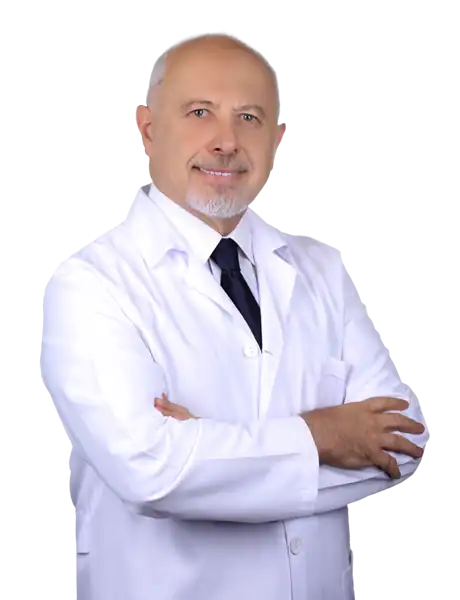
Prof. Dr. Fikret Aksoy
General Surgery
Dt. Barış Konuk
Oral Dental & Maxillofacial Surgery
Dr. Cem Öz
Aesthetic Plastic & Reconstructive Surgery
Dr. Nihan Ölmez
Radiology