Radiation Oncology: What It Is and When It Is Used
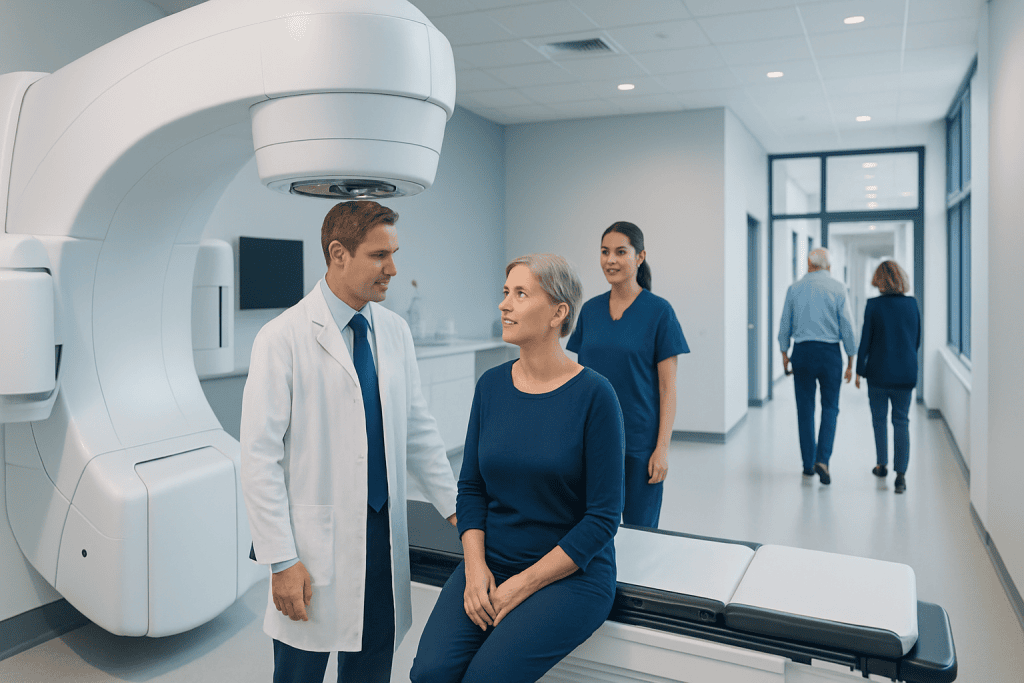
Radiation oncology uses high-energy radiation to destroy cancer cells or stop them from growing. It can be used to cure cancer, lower the risk of recurrence, or relieve symptoms such as pain or bleeding.
Key Takeaways
- Radiation oncology uses high-energy radiation to destroy cancer cells or stop them from growing.
- It can be used to cure cancer, lower the risk of recurrence, or relieve symptoms such as pain or bleeding.
- Treatment is personalized and may involve external beam radiation, internal radiation, or highly focused techniques.
- Side effects vary by the part of the body treated and are often manageable with supportive care.
- Careful planning helps protect healthy tissue while delivering an effective dose to the tumor.
Radiation oncology is the medical specialty that uses carefully planned radiation to treat cancer and, in some cases, ease symptoms caused by tumors. It may be used alone or together with surgery, chemotherapy, immunotherapy, or other treatments depending on the cancer type and stage.
Overview of Radiation Oncology
Radiation oncology is a branch of medicine focused on treating disease with radiation, most often cancer. The goal is to deliver a precise dose of high-energy radiation to a tumor while limiting exposure to nearby healthy tissue. This treatment can damage the DNA of cancer cells, making it harder for them to grow, divide, and survive.
Radiation therapy is used in many situations. For some people, it is the main treatment. For others, it is given before surgery to shrink a tumor, after surgery to reduce the chance of cancer returning, or together with medicines such as chemotherapy. It may also be used to relieve symptoms if a cancer cannot be fully removed or cured.
The specialty involves a team approach. Radiation oncologists work closely with medical oncologists, surgeons, radiologists, pathologists, physicists, dosimetrists, and radiation therapists. Together, they plan treatment based on the cancer type, its location, the person’s overall health, and treatment goals.
When Radiation Therapy Is Used
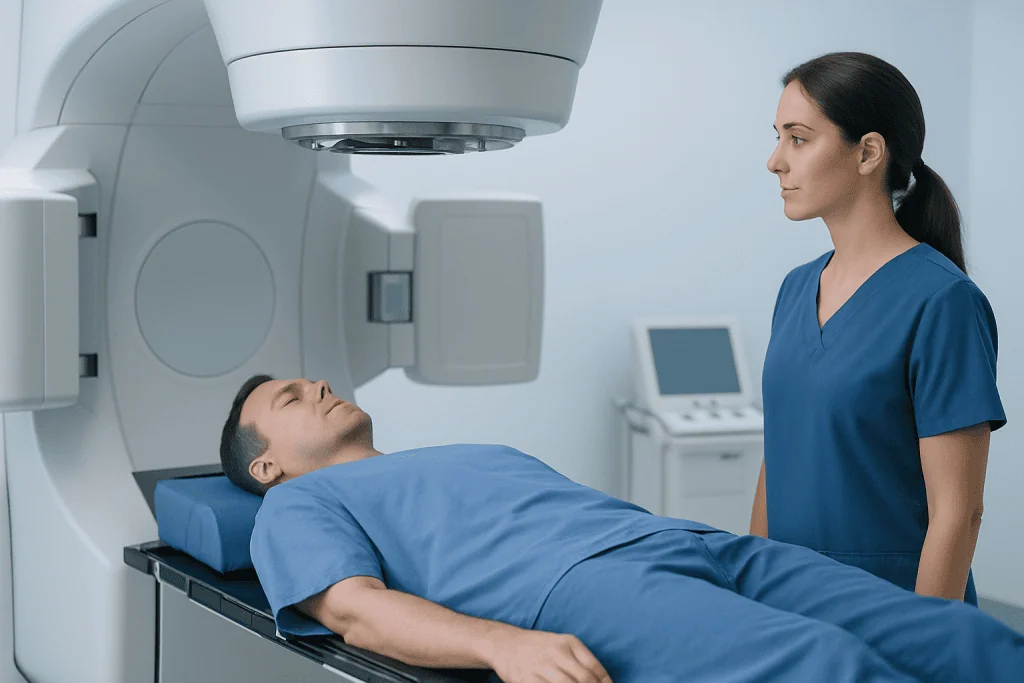
Radiation therapy is used for many kinds of cancer, including cancers of the breast, prostate, lung, head and neck, brain, cervix, rectum, skin, and more. Some blood cancers and certain noncancerous conditions may also be treated with radiation in selected cases, but cancer treatment is its main role.
Doctors may recommend radiation for different reasons. In curative treatment, the aim is to destroy all cancer cells. In adjuvant treatment, radiation is used after surgery to lower the risk that microscopic cancer cells remain. In neoadjuvant treatment, it may be given before surgery to make the tumor smaller and easier to remove.
Radiation can also be used for symptom relief, often called palliative radiation. This can help shrink tumors that are causing pain, pressure, bleeding, difficulty swallowing, or breathing problems. For people with advanced cancer, symptom control can greatly improve daily comfort and quality of life.
Because treatment plans differ widely, the best timing and type of radiation depend on the individual case. A doctor may discuss radiation alongside other options such as chemotherapy, immunotherapy, or cancer surgery when building a complete care plan.
Types of Radiation Oncology Treatment
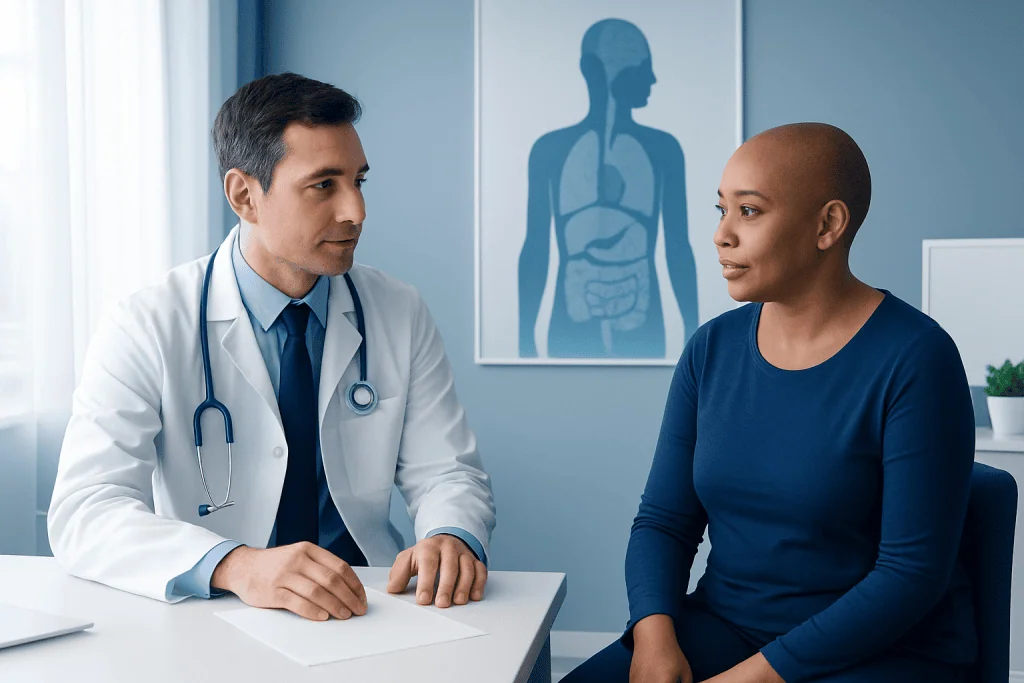
The most common form of radiation treatment is external beam radiation therapy. In this approach, a machine outside the body sends radiation to the tumor from carefully selected angles. Treatment is usually painless and is often given over several sessions so healthy tissues have time to recover between doses.
Internal radiation therapy, also called brachytherapy, places a radiation source inside or very close to the tumor. This allows a high dose to reach the target area while reducing exposure to surrounding tissues. It is commonly used for certain prostate, gynecologic, breast, and other cancers.
Some people may receive systemic radiation therapy, in which a radioactive substance is swallowed or injected and then travels through the body to target specific cells. This is used in selected conditions, such as some thyroid cancers and a limited number of other situations.
Radiation oncology also includes highly specialized techniques. These may include intensity-modulated radiation therapy, image-guided radiation therapy, stereotactic radiosurgery, stereotactic body radiation therapy, and proton therapy. These advanced methods can improve precision and may be helpful for tumors located close to sensitive structures, including some cases of brain tumor or prostate cancer.
How Treatment Is Planned and Delivered
Before treatment begins, patients usually have a planning visit called simulation. During this appointment, the care team determines the exact body position needed for treatment and may use devices that help the person stay still. Imaging scans, often CT and sometimes MRI or PET, are used to map the tumor and nearby organs.
After simulation, the radiation oncologist and physics team design a treatment plan. They calculate the radiation dose, choose the safest angles, and define the treatment area. This process is detailed because even small adjustments can influence how much radiation reaches healthy tissue.
Many courses of treatment are delivered Monday through Friday over several weeks, although some are shorter. Each daily session is usually brief, but setup and positioning are important. The treatment itself does not make most patients feel heat or pain. The team monitors progress and may adjust supportive care during the course.
Follow-up visits are an important part of care. Doctors assess how the tumor is responding, watch for side effects, and decide whether additional treatment is needed. In some cases, radiation is combined with PET-CT imaging and other tests to evaluate response and guide the next steps.
Benefits, Risks, and Possible Side Effects
Radiation therapy can be highly effective because it is targeted and carefully planned. It may help cure localized cancer, reduce the size of tumors, improve the success of surgery, or control symptoms. For many people, it is a key part of treatment that supports both cancer control and quality of life.
Like all cancer treatments, radiation can cause side effects. These often depend on the part of the body being treated, the dose, and whether other treatments are used at the same time. Common general effects include fatigue and skin irritation in the treated area. Many side effects are temporary and improve after treatment ends.
Area-specific effects can occur as well. For example, radiation to the head and neck may lead to mouth soreness or trouble swallowing, chest radiation may irritate the esophagus, and pelvic radiation may affect bowel or bladder habits. Doctors explain what to expect based on the treatment site and provide ways to reduce discomfort.
There can also be late effects that appear months or years later, although not everyone experiences them. The care team aims to keep these risks as low as possible through precise planning, modern equipment, and long-term follow-up. Patients should feel comfortable reporting new symptoms during and after treatment.
Preparing for Radiation Therapy and Self-Care During Treatment
Good preparation can make treatment smoother. Patients are often advised to bring a list of medications, share all medical conditions, and ask practical questions about the schedule, transportation, and work or family routines. If side effects may affect eating or swallowing, a nutrition plan may be discussed in advance.
Self-care during radiation treatment focuses on rest, hydration, nutrition, and skin protection. Gentle cleansing, avoiding harsh products on the treated area, and following the care team’s instructions can help reduce skin irritation. Loose, soft clothing may also improve comfort.
Managing fatigue is an important part of treatment. Light activity, short walks, and regular sleep habits may help some people feel better, but it is also important to allow time for rest. Emotional support matters too, and many patients benefit from speaking with family, support groups, counselors, or nurses.
Smoking cessation and limiting alcohol are often recommended, especially for cancers involving the head, neck, or lungs. Patients should not start supplements, herbal products, or skin creams for the treatment area without asking their doctor first, because some may interfere with care or irritate the skin.
When to Speak With a Doctor
Anyone diagnosed with cancer may be referred to a radiation oncologist to understand whether radiation therapy could help. A consultation can clarify the goal of treatment, expected benefits, possible side effects, and whether radiation should be used before, after, or instead of other therapies.
During treatment, patients should contact their care team if they develop significant pain, fever, dehydration, severe skin changes, trouble eating or drinking, worsening shortness of breath, or sudden new symptoms. Early support often helps prevent small problems from becoming more difficult.
After treatment ends, regular follow-up remains important. Some effects improve quickly, while others take time. Follow-up visits help assess recovery, monitor for recurrence, and address any long-term concerns related to the treated area.
For people seeking coordinated cancer care, Acibadem International’s multidisciplinary specialists and JCI-accredited hospitals diagnose and treat cancer for international patients, including radiation-based treatment when appropriate.
Frequently asked questions
Is radiation oncology the same as chemotherapy?
No. Radiation oncology uses targeted high-energy radiation to treat a specific area, while chemotherapy uses medicines that circulate through the body. In some cases, both treatments are used together because they can work in complementary ways.
Does radiation therapy hurt during treatment?
External beam radiation treatment itself is usually painless. Patients do not typically feel the radiation as it is delivered, although side effects such as skin irritation or fatigue may develop over time depending on the treatment area.
How long does a course of radiation therapy last?
The length of treatment varies. Some people have a short course over a few days, while others receive daily sessions over several weeks. The schedule depends on the cancer type, location, treatment goal, and the radiation technique being used.
Will radiation make the patient radioactive?
Most people receiving external beam radiation are not radioactive after treatment and can safely be around others. Some forms of internal or systemic radiation may require temporary precautions, and the care team explains these clearly if they apply.
What side effects are most common with radiation oncology?
Common side effects include tiredness and changes in the treated skin area, such as redness or dryness. Other effects depend on where the radiation is directed, for example mouth soreness, swallowing difficulty, bowel changes, or bladder irritation.
Can radiation therapy cure cancer?
In many cases, yes, radiation can be used with curative intent, either alone or combined with surgery or drug therapy. In other situations, it is used to control cancer growth or relieve symptoms. The likely benefit depends on the cancer type, stage, and overall treatment plan.
References
- World Health Organization
- National Cancer Institute
- American Cancer Society
- American Society for Radiation Oncology
- National Comprehensive Cancer Network
This article is for general information only and is not a substitute for professional medical advice. Please consult a qualified doctor about your individual situation.
Oncology care in Turkey — second opinion and treatment plan
JCI-accredited · board-certified surgeons · reply within 24h
Add us as a Preferred Source to see more of our trusted health content across Google Search, AI Overviews and Discover.

Medical Oncology Department
Medical treatment of cancer with chemotherapy, immunotherapy and targeted therapies under a multidisciplinary tumor board.
60 specialists in this unit