Reasons Not to Get the Meningitis Vaccine: Diagnosis, Outlook, and Modern Treatment Approaches

True medical reasons not to get the meningitis vaccine are uncommon and should be assessed by a qualified clinician. A severe allergic reaction after a previous dose or to a vaccine ingredient is the main contraindication.
Key Takeaways
- True medical reasons not to get the meningitis vaccine are uncommon and should be assessed by a qualified clinician.
- A severe allergic reaction after a previous dose or to a vaccine ingredient is the main contraindication.
- A moderate or severe acute illness may mean vaccination should be postponed, while a mild cold usually does not.
- Different meningococcal vaccines protect against different bacterial groups, so the recommended vaccine depends on age, health, travel, and exposure risks.
- Meningitis symptoms can develop quickly and require urgent medical evaluation, whether or not a person has been vaccinated.
Most people who are recommended a meningococcal vaccine can receive it safely. The main reasons to delay or avoid a dose are a history of severe allergy to a vaccine component or previous dose, or a current moderate-to-severe illness that needs medical assessment first.
Overview: When might someone not get the meningitis vaccine?
Reasons not to get the meningitis vaccine are uncommon. In most cases, the only clear reason to avoid a particular meningococcal vaccine is a severe, life-threatening allergic reaction after a previous dose or to an ingredient in that vaccine. A person who is moderately or severely unwell may also be advised to wait until they have recovered, mainly so their illness can be assessed clearly and any vaccine-related symptoms are not confused with the illness.
The term “meningitis vaccine” usually refers to vaccines that prevent meningococcal disease, an infection caused by Neisseria meningitidis. Meningococcal infection can cause meningitis, inflammation of the tissues around the brain and spinal cord, and can also cause bloodstream infection. Other germs, including viruses, pneumococcus, and Haemophilus influenzae type b, can cause meningitis too; no single vaccine prevents every type.
Meningococcal vaccines are used in many national immunization programs. Recommendations vary by country but commonly include routine vaccination for adolescents and additional vaccination for people with certain health conditions, laboratory exposure, outbreak exposure, or travel to areas where meningococcal disease is more common. A clinician can identify which vaccine, if any, is appropriate for an individual.
Understanding the available meningococcal vaccines
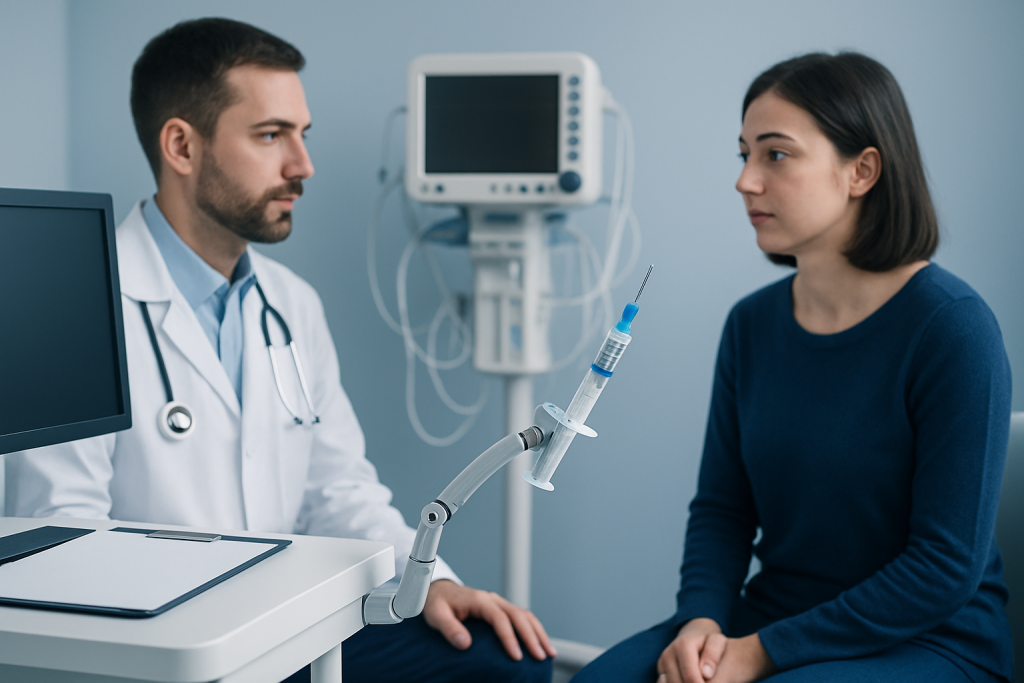
Meningococcal bacteria are grouped according to their outer capsule. The groups responsible for disease vary by location and over time. MenACWY vaccines protect against groups A, C, W, and Y. MenB vaccines protect against group B. In some settings, another vaccine may be used for group A. Receiving one type does not necessarily provide protection against the others.
Vaccine schedules are designed around age and likely exposure. Adolescents may receive MenACWY as part of routine care, with a later booster in some programs. MenB vaccination may be routinely offered to certain ages in some countries or discussed through shared decision-making in others. People at increased risk may need different timing, more doses, or boosters.
It is important not to assume that a childhood vaccine record covers all meningitis risks in adulthood. Travel plans, university residence, military service, certain immune conditions, removal or reduced function of the spleen, and use of some immune-modifying medicines can change a person’s recommended schedule. A healthcare professional can review past doses and current risk factors.
Medical reasons to avoid or postpone vaccination

A documented severe allergic reaction, such as anaphylaxis, after a previous dose of the same meningococcal vaccine is generally a reason not to receive another dose unless an allergy specialist advises otherwise. The same applies when a person has a known severe allergy to a component of that vaccine. Symptoms of anaphylaxis can include breathing difficulty, swelling of the face or throat, widespread hives, dizziness, or collapse, and require emergency care.
A moderate or severe acute illness is usually a precaution rather than a permanent reason not to vaccinate. For example, a person with a high fever, significant infection, or illness requiring urgent evaluation may be advised to postpone vaccination until they are improving. This approach helps clinicians distinguish the symptoms of the illness from potential short-term vaccine effects and ensures the person receives the care they need.
A mild illness, such as a runny nose, mild cough, or low-grade fever, does not usually require delaying vaccination. Similarly, antibiotics alone are not usually a reason to postpone a vaccine; the underlying illness and the person’s overall condition matter more. Decisions should be individualized, particularly for infants, older adults, pregnant people, and those with complex medical conditions.
- Usually avoid a specific dose: severe allergy to a prior dose or a confirmed vaccine ingredient.
- Usually delay temporarily: moderate or severe acute illness.
- Usually not a reason to delay: minor respiratory symptoms, mild diarrhea, or antibiotic use in an otherwise stable person.
Common concerns that are not usually contraindications
Many people ask whether a family history of allergies, asthma, eczema, food allergy, or a previous fainting episode means they should not be vaccinated. These circumstances do not usually prevent meningococcal vaccination. However, the vaccination team should know about previous reactions and medical history so that observation and support can be arranged appropriately.
Fainting can occur after any injection, especially among adolescents and young adults. It is generally related to the injection process rather than the vaccine ingredients. Sitting or lying down for vaccination and remaining under observation afterward can reduce the chance of injury if fainting occurs.
Immune system conditions do not automatically mean that meningococcal vaccines should be avoided. In fact, some people with complement disorders, HIV, reduced or absent spleen function, or treatment with complement inhibitor medicines have a higher risk of meningococcal disease and may especially benefit from vaccination. Their response to vaccination and need for boosters should be discussed with their specialist.
Pregnancy or breastfeeding also does not automatically rule out vaccination. When a meningococcal vaccine is indicated because of travel, an outbreak, or a high-risk medical condition, clinicians weigh the expected benefits and available safety information. The decision should be made with the person’s obstetric and vaccination care teams.
Expected side effects and vaccine safety
Most side effects after meningococcal vaccination are mild and short-lived. They can include pain, redness, or swelling where the injection was given, tiredness, headache, muscle aches, nausea, or a mild fever. These effects generally reflect the immune system responding and commonly settle within a few days.
Serious allergic reactions are very rare, but vaccination providers are trained and equipped to recognize and treat them promptly. People should tell the provider about any previous severe reaction to a vaccine, latex, medications, or other substances, because ingredients and packaging can differ among vaccine products.
Reports of symptoms occurring after vaccination do not always mean the vaccine caused them. Healthcare authorities monitor vaccine safety through clinical studies and surveillance systems, looking for patterns that may signal a genuine adverse effect. When someone develops concerning symptoms after a vaccine, they should seek medical advice; this allows appropriate care and, where relevant, formal reporting.
The risks of vaccination should also be considered alongside the risks of the disease it helps prevent. Meningococcal disease is uncommon in many places but may progress rapidly when it occurs. Vaccination is one part of prevention and does not replace urgent assessment for possible meningitis symptoms.
Diagnosis, outlook, and modern treatment for meningitis
Suspected meningitis or meningococcal disease is a medical emergency. Clinicians assess symptoms, vital signs, and physical findings, and may perform blood tests, blood cultures, and imaging when needed. A lumbar puncture, also called a spinal tap, can examine cerebrospinal fluid and help identify whether meningitis is caused by bacteria, viruses, or another condition. In urgent situations, treatment may begin before all test results are available.
Bacterial meningitis is treated in hospital with intravenous antibiotics. Depending on the person’s condition and the suspected cause, care may also include fluids, oxygen, medicines to support blood pressure, seizure management, or intensive care. Close contacts of someone with confirmed meningococcal disease may be offered preventive antibiotics because they can have an increased risk of infection.
The outlook depends on the cause, how quickly treatment begins, the person’s age, and their overall health. Many people recover well, especially with prompt treatment, but bacterial meningitis can lead to complications such as hearing changes, neurological difficulties, or limb and skin damage after severe bloodstream infection. Follow-up may include hearing testing, rehabilitation, neurological assessment, and emotional support.
Acibadem International’s multidisciplinary specialists and JCI-accredited hospitals diagnose and treat meningitis and related infectious conditions for international patients. Care plans are based on urgent clinical needs, test findings, and follow-up requirements rather than a one-size-fits-all approach.
When to seek medical care
Emergency medical care is needed immediately for symptoms that could suggest meningitis or meningococcal bloodstream infection. These may include a sudden severe headache, stiff neck, fever, confusion, unusual sleepiness, repeated vomiting, sensitivity to light, seizures, trouble breathing, or a rapidly worsening illness. In babies and young children, warning signs can include poor feeding, persistent crying, unusual limpness or irritability, fever or low temperature, and a bulging soft spot on the head.
A dark red or purple rash that does not fade when pressed can occur with meningococcal bloodstream infection, but a rash may be absent. People should not wait for every possible symptom to appear. If meningitis or sepsis is suspected, they should contact local emergency services or go to the nearest emergency department without delay.
For non-urgent questions about vaccine eligibility, travel requirements, prior reactions, or missed doses, an appointment with a primary care clinician, pediatrician, travel medicine provider, or immunization service is appropriate. Bringing vaccination records and details of any prior allergic reaction can help the clinician give safe, tailored advice.
Frequently asked questions
What are the main reasons not to get the meningitis vaccine?
The main reason to avoid a specific meningococcal vaccine is a severe allergic reaction to a previous dose or a known ingredient in that product. A moderate or severe acute illness may mean the vaccine should be delayed until recovery. Most other concerns require discussion but are not automatic reasons to avoid vaccination.
Can someone get the meningitis vaccine with a cold?
A mild cold, runny nose, mild cough, or low-grade fever does not usually prevent vaccination. If the person is significantly unwell, has a high fever, or needs medical assessment for another illness, the clinician may recommend waiting. The vaccination provider can advise based on current symptoms.
Do meningococcal vaccines prevent all forms of meningitis?
No. Meningococcal vaccines protect against selected groups of meningococcal bacteria, depending on the vaccine used. Other bacteria and viruses can also cause meningitis, so vaccination cannot prevent every case.
Are meningitis vaccines safe for people with immune system conditions?
Many people with immune system conditions can safely receive meningococcal vaccines and may be at higher risk of meningococcal disease. Some conditions or medicines can affect how well the immune system responds, so additional doses or boosters may be recommended. A specialist should review the individual schedule.
What should a person do after a possible allergic reaction to a meningitis vaccine?
Breathing problems, facial or throat swelling, widespread hives, severe dizziness, or collapse after vaccination require emergency medical attention. For less severe symptoms, the person should contact a healthcare professional and document what happened. A clinician or allergy specialist can help determine whether future doses are appropriate.
Can a vaccinated person still get meningitis?
Yes. Vaccination greatly helps reduce the risk from the meningococcal groups it covers, but it does not protect against every meningitis-causing germ and no vaccine is completely effective. Urgent symptoms of meningitis should always be assessed promptly, regardless of vaccination history.
This article is for general information only and is not a substitute for professional medical advice. Please consult a qualified doctor about your individual situation.
Meningitis in Turkey — costs, top hospitals & a free quote
JCI-accredited · board-certified surgeons · reply within 24h
Add us as a Preferred Source to see more of our trusted health content across Google Search, AI Overviews and Discover.

More from the Health Library

Colorectal Therapy: How It Works, Results and What to Expect

Treatment Visual Snow: How It Works, Results and What to Expect

Gene Therapy Breakthroughs 2025: How It Works, Results and What to Expect

Pacemaker in Turkey: Hospitals, Safety & What to Expect

Syndrome Prune Belly: Diagnosis, Outlook, and Modern Treatment Approaches

Eoe Injection: How It Works, Results and What to Expect
Infectious Diseases & Clinical Microbiology Specialists at Acibadem
Prof. Dr. Süda Tekin
Infectious Diseases & Clinical Microbiology
Prof. Dr. A. Çağrı Büke
Infectious Diseases & Clinical Microbiology
Dr. Ahmad Nejat Ghaffarı
Infectious Diseases & Clinical Microbiology
Assoc. Prof. Dr. Aslıhan Demirel
Infectious Diseases & Clinical Microbiology