Receding Gums — Explained by Medical Evidence, Not Myths

Receding gums expose more of the tooth or root and may cause sensitivity, tenderness, or a longer-tooth appearance. The most common causes include periodontal disease, aggressive brushing, plaque buildup, smoking, bite stress, and genetics.
Key Takeaways
- Receding gums expose more of the tooth or root and may cause sensitivity, tenderness, or a longer-tooth appearance.
- The most common causes include periodontal disease, aggressive brushing, plaque buildup, smoking, bite stress, and genetics.
- Early evaluation matters because gum recession usually does not grow back on its own without dental treatment.
- Treatment depends on the cause and may include deep cleaning, improved home care, bite adjustment, or gum grafting in selected cases.
- Gentle brushing, flossing, regular dental visits, and stopping tobacco use can help prevent further recession.
Receding gums means the gum tissue has moved away from the teeth, exposing more of the tooth surface or root. It is not only a cosmetic concern; it can increase sensitivity, make teeth harder to clean, and raise the risk of decay and periodontal problems if not assessed.
Overview: what receding gums actually means
Receding gums describes a gradual loss or pulling back of gum tissue around the teeth. As the gum margin moves lower on the tooth, more of the tooth surface becomes visible, and in some cases the root becomes exposed. This can make teeth look longer, feel more sensitive, and become more vulnerable to root decay or wear.
Medical evidence shows that gum recession is usually a sign of an underlying issue rather than a normal part of aging. Common contributors include inflammation from plaque and tartar, periodontal disease, excessive brushing pressure, tobacco use, tooth grinding, and thin or delicate gum tissue. Several factors may act together.
It is also important to separate myths from facts. Receding gums are not always caused by poor hygiene alone, and they do not reliably reverse with home remedies. While good daily care can slow progression and support treatment, a dental professional should identify the reason for the recession so that further damage can be prevented.
Symptoms and how gum recession may feel
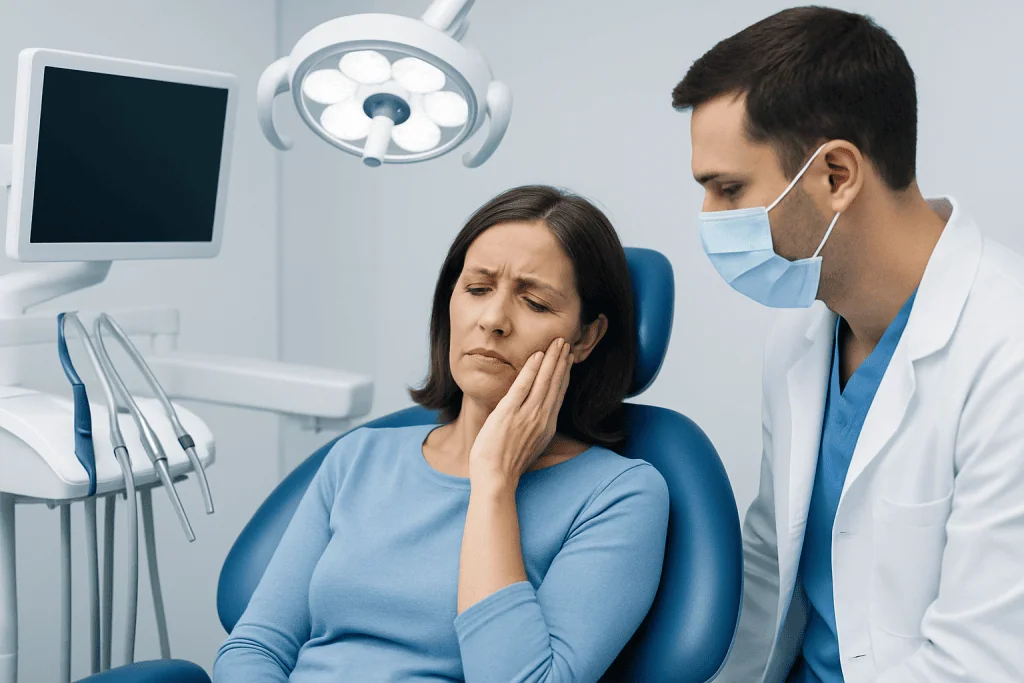
Some people notice receding gums because their teeth appear longer or uneven near the gumline. Others first become aware of it through sensitivity, especially when drinking something cold, brushing, or breathing in cool air. The exposed root surface is softer than enamel and can react more easily to temperature and touch.
Symptoms vary depending on the cause and severity. Gum recession itself may be painless at first, which is one reason it can be overlooked. If inflammation or infection is present, there may also be redness, bleeding with brushing, bad breath, or tenderness around the gums.
Possible signs include:
- Teeth that look longer than before
- Visible notches or exposed root surfaces near the gumline
- Tooth sensitivity to cold, heat, sweets, or brushing
- Bleeding gums when brushing or flossing
- Gum tenderness, swelling, or color changes
- Loose teeth or shifting teeth in more advanced periodontal disease
Because other dental problems can cause similar symptoms, self-diagnosis is not always reliable. A dentist or periodontist can determine whether the problem is simple recession, root wear, or inflammation linked to gum disease.
Why receding gums happens: causes and risk factors
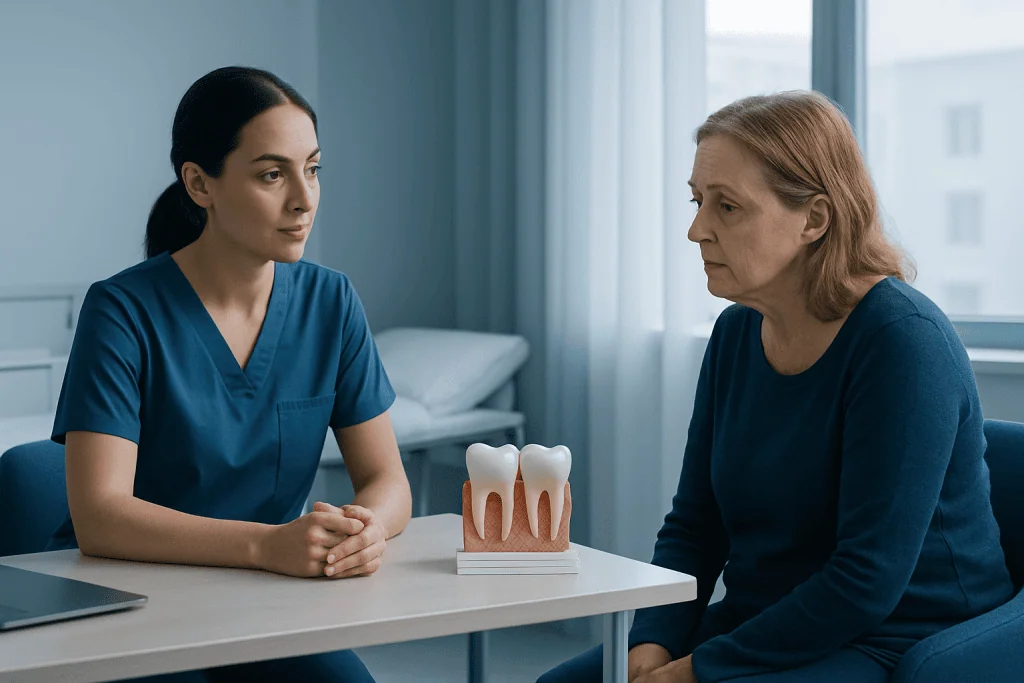
The most frequent cause of receding gums is periodontal disease, a chronic inflammatory condition triggered by plaque bacteria around the teeth and under the gumline. Over time, this inflammation can damage the tissues and bone that support the teeth. As support is lost, the gums may pull away and form pockets.
Not all recession is caused by infection. Some people brush too hard or use a hard-bristled toothbrush, which can gradually wear the gum margin and root surface. Clenching or grinding may place extra force on teeth and surrounding tissues. Misaligned teeth, lip or tongue piercings, and orthodontic movement in susceptible areas may also contribute in certain cases.
Individual anatomy matters as well. Thin gum tissue, inherited susceptibility, and naturally prominent tooth roots can make recession more likely. Smoking and other tobacco use increase the risk because they affect blood flow, tissue healing, and periodontal health. Dry mouth may worsen plaque buildup and discomfort.
Important risk factors include:
- Poorly controlled plaque and tartar buildup
- Periodontal disease or a history of gum infection
- Aggressive tooth brushing technique
- Smoking or other tobacco use
- Teeth grinding or clenching
- Thin gum tissue or family tendency toward recession
- Misaligned bite or crowded teeth
- Diabetes and some other conditions that affect oral health
How dentists diagnose receding gums
Diagnosis begins with a clinical dental examination. The dentist measures the position of the gumline, checks for plaque and tartar, evaluates bleeding, and looks for areas where the root is exposed. They also examine whether the recession is localized to one or two teeth or part of a more generalized periodontal problem.
A periodontal probe may be used to measure pocket depths around the teeth. Deeper pockets can suggest inflammation and loss of support from periodontal disease. The dentist may also assess tooth mobility, the bite, signs of grinding, and whether the brushing technique is contributing to tissue trauma.
Dental X-rays are often helpful because they show the level of bone supporting the teeth. This matters because recession can occur with or without significant bone loss. In some cases, patients may be referred for dental X-ray assessment or specialist periodontal evaluation to clarify the extent of disease and plan treatment.
Accurate diagnosis is important because the best treatment depends on the cause. For example, sensitivity from root exposure is managed differently from recession driven by active infection or a traumatic bite.
Treatment options based on the cause
Treatment for receding gums focuses first on stopping progression. If plaque, tartar, or periodontal disease is present, professional cleaning is usually the first step. When disease extends below the gumline, a dentist may recommend periodontal treatment such as deep cleaning to reduce inflammation and help the tissues stabilize.
If brushing habits are a factor, patients are often advised to switch to a soft-bristled toothbrush and use gentler technique. Desensitizing toothpaste may help relieve discomfort from exposed roots. If grinding or clenching is contributing, a dentist may evaluate the bite and consider a night guard or other measures to reduce excess force on the teeth.
When recession is more advanced, surgical treatment may be considered. Gum grafting can cover exposed roots in selected cases, improve comfort, and protect vulnerable tooth surfaces. This is not necessary for every patient, but it can be very effective when the anatomy and cause are suitable. Some people may also need treatment for root decay, worn root surfaces, or restoration of areas damaged near the gumline.
Regular follow-up is an important part of care. Recession can return or progress if the underlying causes are not controlled, so maintenance visits, home care, and management of risk factors are central to long-term results.
Prevention and self-care that supports gum health
Preventing further recession is often possible, even if existing gum tissue loss cannot be reversed naturally. Daily plaque control is essential, but it should be gentle rather than forceful. Brushing twice a day with a soft toothbrush and cleaning between the teeth can reduce inflammation without injuring the gumline.
Technique matters as much as frequency. Small, careful motions along the gumline are usually better than aggressive scrubbing. If someone is unsure whether they are brushing correctly, a dental professional or hygienist can demonstrate a safer method. Choosing products for sensitive teeth may also make home care more comfortable.
Helpful self-care steps include:
- Use a soft-bristled toothbrush and replace it regularly
- Brush gently and avoid hard scrubbing
- Floss or use other interdental cleaning tools as advised
- Attend routine dental checkups and professional cleanings
- Stop smoking or using tobacco
- Ask about night guards if grinding is suspected
- Manage chronic conditions such as diabetes with medical guidance
People with ongoing symptoms, bleeding, or visible changes at the gumline may benefit from a broader dental evaluation and care plan. Near the end of treatment planning, some patients also explore gum grafting if root exposure, sensitivity, or appearance remains a concern.
When to seek medical care
Receding gums should be assessed if the change is new, progressing, or causing symptoms. It is especially important to arrange a dental visit if there is frequent bleeding, persistent bad breath, tooth sensitivity that does not improve, looseness, pus, swelling, or pain when chewing. These signs can suggest active gum disease or another dental problem that needs treatment.
Prompt care is also wise for people with diabetes, smokers, or anyone with a history of periodontal disease, since problems may progress more quickly. Seeking evaluation early can help preserve the teeth and reduce the need for more complex treatment later on.
If a patient is receiving care across borders, Acibadem International’s multidisciplinary specialists and JCI-accredited hospitals diagnose and treat gum and periodontal conditions for international patients. A qualified dentist or periodontist can advise on the safest next steps based on the individual findings.
Frequently asked questions
Can receding gums grow back naturally?
In most cases, receding gums do not grow back on their own. Home care can reduce inflammation and help prevent further loss, but lost gum tissue usually requires professional treatment if root coverage is needed.
Are receding gums always caused by brushing too hard?
No. Aggressive brushing can contribute, but receding gums are often linked to periodontal disease, tobacco use, grinding, thin gum tissue, or bite-related stress. A dental exam is the best way to identify the main cause.
Do receding gums mean tooth loss is inevitable?
Not necessarily. Many people keep their teeth for years with early diagnosis, proper treatment, and consistent maintenance. The outlook depends on how much support has been lost and whether the underlying cause is controlled.
Why do receding gums cause tooth sensitivity?
When the gum pulls back, the root surface may become exposed. Root surfaces are less protected than enamel, so they can react more strongly to cold, heat, sweets, or brushing.
Is gum grafting necessary for everyone with gum recession?
No. Gum grafting is usually considered when recession is advanced, symptoms are significant, or the exposed root is at risk. Some patients improve with cleaning, better home care, desensitizing products, and treatment of the underlying cause alone.
Can children or younger adults get receding gums?
Yes, although it is more often noticed in adults. Younger people may develop recession from orthodontic factors, brushing trauma, thin gum tissue, or early periodontal problems, so persistent changes should still be checked.
This article is for general information only and is not a substitute for professional medical advice. Please consult a qualified doctor about your individual situation.
Hair transplant in Turkey — costs, graft counts & a free assessment
JCI-accredited · board-certified surgeons · reply within 24h
Add us as a Preferred Source to see more of our trusted health content across Google Search, AI Overviews and Discover.

More from the Health Library

Human Anatomy: What Patients Need to Know

Sand Fleas: What Patients Need to Know

Krill Oil — Explained by Medical Evidence, Not Myths

Ketoconazole: What Patients Need to Know

Holes in Hand: What Patients Need to Know