Recovering From Lung Surgery: Procedure, Recovery and Results

Recovery after lung surgery is individual; many people improve steadily over several weeks, while full stamina may take several months. Minimally invasive approaches may involve smaller incisions and a shorter initial recovery than open chest surgery, but both require rehabilitation.
Key Takeaways
- Recovery after lung surgery is individual; many people improve steadily over several weeks, while full stamina may take several months.
- Minimally invasive approaches may involve smaller incisions and a shorter initial recovery than open chest surgery, but both require rehabilitation.
- Walking, prescribed breathing exercises, good pain control and avoiding smoking are important parts of recovery.
- A temporary chest drain is common after surgery and helps the care team monitor healing and detect an air leak.
- Urgent assessment is needed for worsening breathlessness, chest pain, coughing blood, fever, confusion or signs of a wound infection.
Recovering from lung surgery is a gradual process that commonly involves pain control, breathing exercises, early movement and regular follow-up. Recovery time depends on the type of operation, the amount of lung removed, the surgical approach and the person’s overall health.
Overview: what recovering from lung surgery involves
Recovering from lung surgery begins in hospital and continues at home through gradual healing, activity building and follow-up care. Most people can expect soreness, tiredness, shortness of breath with exertion and reduced stamina at first; these symptoms generally improve as the chest heals and the remaining lung tissue adapts.
Lung operations are performed for several reasons, including lung cancer, suspicious lung nodules, severe infection, collapsed lung, trauma or selected chronic lung conditions. The operation may remove a small wedge of tissue, a lung segment, one lobe (lobectomy), an entire lung (pneumonectomy), or treat another problem without removing substantial lung tissue.
The recovery plan is tailored to the procedure and the person. It also takes account of pre-existing lung or heart disease, smoking history, nutritional status, age, fitness and whether additional treatments such as chemotherapy or radiotherapy are planned. The surgical team should explain what recovery is likely to look like in the individual situation.
How lung surgery works and who may be a candidate
Thoracic surgeons may operate through an open incision between the ribs, called thoracotomy, or through minimally invasive techniques. Video-assisted thoracoscopic surgery (VATS) and robotic-assisted surgery use a camera and specialized instruments introduced through small incisions. The most appropriate approach depends on the condition being treated, its location and extent, and the person’s anatomy and health.
Before elective surgery, candidates usually have imaging studies and tests that assess lung function, heart health and fitness for anesthesia. For suspected or confirmed cancer, the team also evaluates the diagnosis and stage to determine whether surgery is likely to be beneficial. Not everyone needs or is suitable for the same operation; alternatives may include monitoring, medication, radiotherapy, ablation or another procedure.
Preparation often includes stopping smoking, reviewing medications, improving nutrition and becoming as physically active as safely possible. Pulmonary rehabilitation or prehabilitation may be advised for people with reduced lung function. These steps can support safer surgery and a smoother recovery.
What happens during and immediately after the procedure
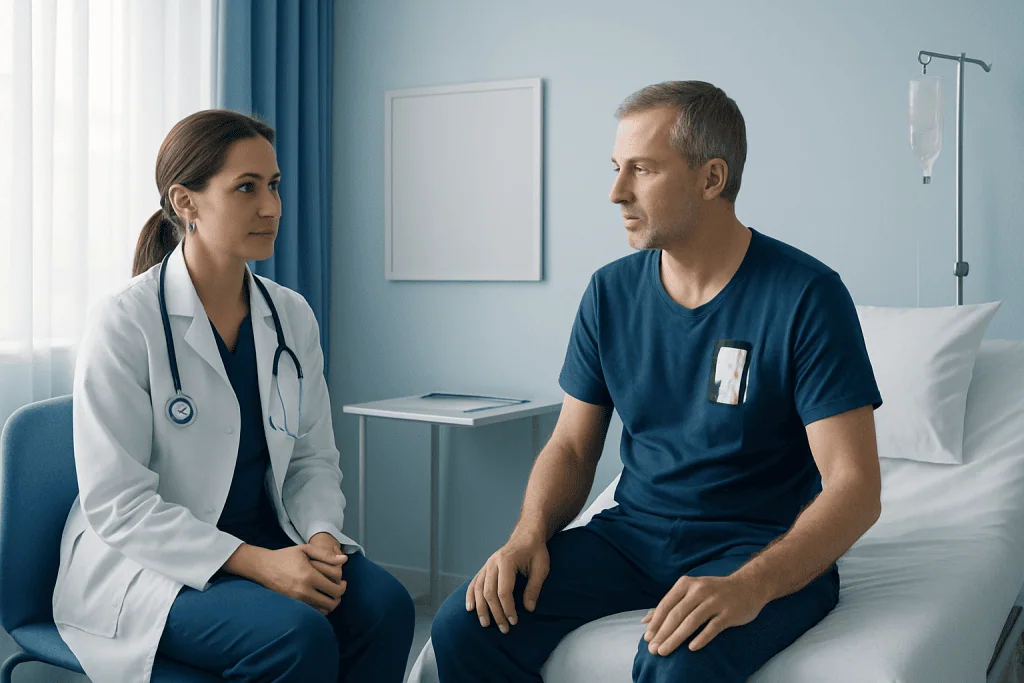
Lung surgery is usually performed under general anesthesia, meaning the patient is asleep and does not feel the operation. The surgeon accesses the chest, treats or removes the planned area of lung tissue, checks for bleeding and places one or more chest drains when needed. A drain removes air and fluid from around the lung so it can re-expand properly.
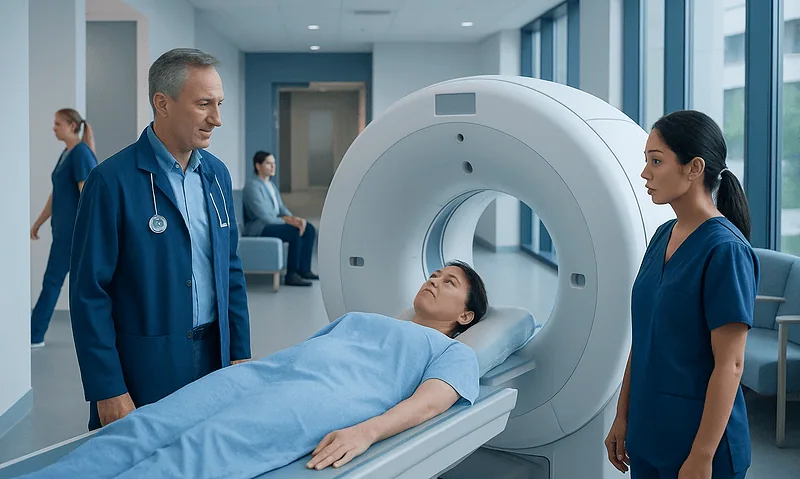
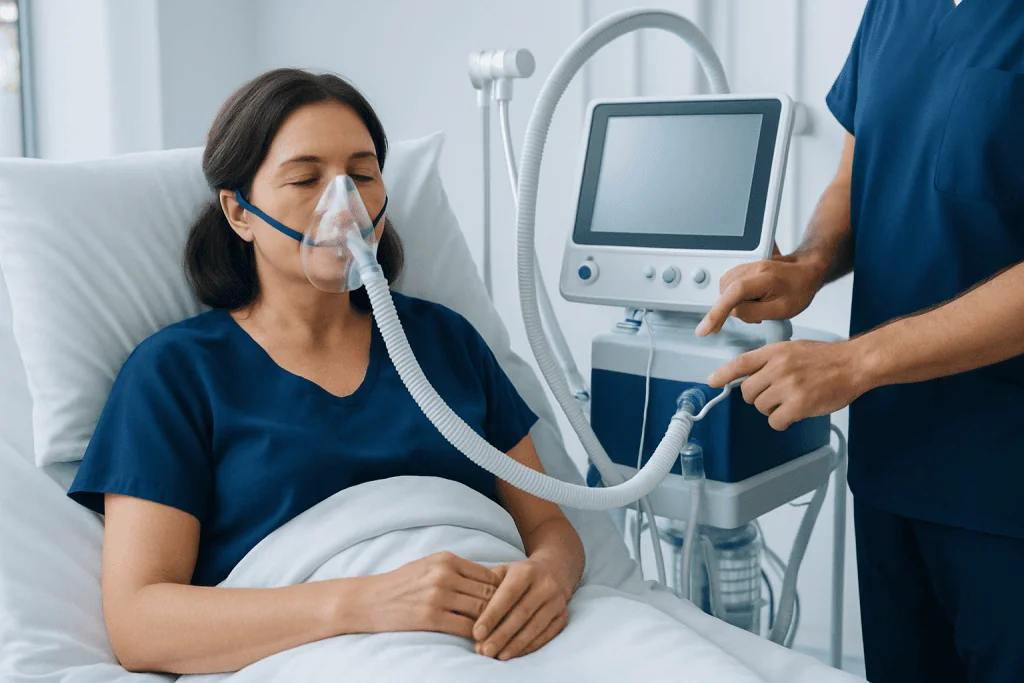
After the procedure, monitoring takes place in a recovery area and then on a surgical ward or, occasionally, an intensive care setting. Care teams monitor oxygen levels, breathing, heart rate, wound healing, drainage and pain. Some patients need oxygen for a short period, particularly after larger procedures or if they had lung disease before surgery.
Good pain relief is important because it enables deep breathing, coughing and walking. Pain-management options may include tablets, injections, regional anesthesia techniques or other methods selected by the anesthesia and surgical teams. A physiotherapist or respiratory therapist commonly helps with breathing exercises, airway clearance and safe mobilization.
Recovery timeline after lung surgery
The first few days focus on lung expansion, walking safely, managing pain and removing the chest drain when it is no longer required. Hospital stay varies widely. It may be shorter after uncomplicated minimally invasive surgery and longer after open surgery, more extensive lung removal or complications.
During the first two to six weeks at home, fatigue is common. Short, frequent walks and regular breathing exercises are usually encouraged, with rest periods between activities. People should follow their surgeon’s instructions about bathing, wound care, driving, lifting, returning to work and restarting exercise. Sudden increases in activity can worsen discomfort or exhaustion.
Over the following months, stamina often continues to improve. Some people return to desk-based work earlier than those with physically demanding roles, but readiness depends on symptoms, healing and medication effects. Follow-up appointments review pathology results when relevant, chest imaging, breathing, pain, activity and any need for further treatment.
Recovery can also have an emotional component. Changes in independence, sleep, appetite and concerns about the diagnosis are understandable. Discussing these issues with the clinical team, trusted supporters or a mental health professional can be helpful.
How long does it take for a lobectomy to heal?
After a lobectomy, the skin incisions may heal within a few weeks, but deeper chest healing and recovery of everyday stamina usually take longer. Many people notice meaningful progress over four to eight weeks, while it can take several months to feel closer to their usual energy level, especially after open thoracotomy.
Healing is not measured only by the incision. The remaining lung must adapt, chest muscles and nerves need time to recover, and the body is also responding to anesthesia and reduced activity. People with chronic obstructive pulmonary disease, heart disease, frailty or a history of smoking may need a longer recovery period.
Follow-up assessment is the safest way to judge individual progress. New or worsening breathlessness, fever, persistent wound drainage or pain that is not controlled should be reported rather than assumed to be a normal part of healing.
Benefits, risks and symptoms to monitor
The expected benefit of lung surgery depends on its purpose. Surgery may remove cancer or a suspicious lesion, obtain a diagnosis, control infection or bleeding, repair an injury, or improve symptoms caused by another lung problem. When surgery is recommended, the team weighs these potential benefits against the risks and available alternatives.
Possible complications include bleeding, infection, pneumonia, blood clots, irregular heart rhythm, reactions to anesthesia, persistent pain, reduced lung capacity and an air leak. A prolonged air leak occurs when air continues to escape from the lung into the space around it, sometimes requiring a chest drain to remain in place longer.
What are the symptoms of an air leak after lung surgery? An air leak is often detected by the surgical team through the chest-drain system before a patient feels it. If symptoms occur, they can include increasing shortness of breath, chest discomfort, a crackling sensation under the skin around the chest or neck, or a feeling that the chest is not expanding normally. These symptoms require prompt medical assessment, particularly if they are new or worsening.
How long does nerve pain last after lung surgery? Nerve-related pain can feel burning, shooting, tingling, numb or unusually sensitive around an incision or along the ribs. It often improves over weeks to months, although a smaller number of people develop persistent post-surgical pain. Early discussion with the surgical team is important because pain management may include medication adjustments, physiotherapy, nerve-pain treatments or referral to a pain specialist.
Practical self-care during recovery
Following the discharge plan closely is one of the most effective ways to support recovery. This typically includes taking prescribed medication as directed, using a breathing device if provided, coughing with incision support when advised, walking regularly and attending follow-up appointments. Deep breathing and movement help reduce the risk of mucus buildup and blood clots.
Nutrition and hydration support wound healing and energy. A balanced diet with adequate protein is generally helpful, while appetite may be reduced temporarily after surgery. People should ask the team for individualized advice if they have diabetes, kidney disease, difficulty swallowing, significant weight loss or other dietary needs.
Smoking and vaping can slow healing and increase the risk of chest complications. Avoiding tobacco before and after surgery is strongly recommended, and structured smoking-cessation support can help. Alcohol should be avoided or limited according to medical advice, particularly while using pain medicines.
Can you share some recovery stories from lobectomy surgery? Recovery experiences vary too much for one person’s story to predict another’s outcome. Some people describe steady improvement after early fatigue and soreness, while others need additional time because of an air leak, pre-existing lung disease, open surgery or further cancer treatment. A surgeon, nurse or rehabilitation professional can provide more realistic guidance based on the planned operation and individual health.
When to seek medical care
People should contact their surgical team promptly for increasing redness, swelling, warmth, pus-like drainage or opening of the wound; a fever; worsening pain; new palpitations; vomiting that prevents drinking; or breathlessness that is becoming worse rather than gradually improving. The team can advise whether symptoms can be managed at home, need a same-day review or require urgent care.
Emergency care is needed for severe or sudden difficulty breathing, severe chest pain, fainting, confusion, blue or gray lips, coughing up more than a small streak of blood, or symptoms suggestive of a blood clot such as sudden chest pain with breathlessness or one-sided leg swelling. It is safer not to drive oneself when urgent assessment is needed.
Acibadem International’s multidisciplinary specialists and JCI-accredited hospitals support diagnosis, surgery and follow-up care for international patients. The treating thoracic surgery team remains the best source of individualized guidance throughout recovery.
Frequently asked questions
How much walking should a person do after lung surgery?
Walking is commonly encouraged soon after surgery because it supports circulation, lung function and strength. The appropriate amount varies, so people should start with short, manageable walks and increase gradually according to their discharge plan and symptoms. They should stop and seek advice if they develop severe breathlessness, dizziness, chest pain or unusual weakness.
Is shortness of breath normal after lung surgery?
Mild breathlessness with activity can be common during early recovery, particularly after removal of lung tissue. It should gradually improve with healing, activity pacing and breathing exercises. New, severe or worsening breathlessness needs urgent medical assessment.
When can someone drive after a lobectomy?
Driving should resume only when the person can comfortably wear a seatbelt, turn safely, perform an emergency stop and is no longer taking sedating pain medication. The timing varies by operation and recovery, so the surgeon’s specific advice should be followed. Insurance or local legal requirements may also apply.
Can a person exercise after lung surgery?
Gentle walking and prescribed breathing exercises are usually the first steps in rebuilding activity. More strenuous exercise, swimming, heavy lifting and contact sports should wait until the surgical team confirms that wounds and deeper tissues have healed sufficiently. Pulmonary rehabilitation may provide a supervised route back to exercise for some people.
Why is coughing encouraged after lung surgery?
Coughing helps clear mucus from the airways and can reduce the chance of chest infection. It may be uncomfortable, so supporting the incision with a pillow or hands, as instructed by the care team, can make it easier. A persistent cough, green mucus, fever or coughing blood should be discussed with a clinician.
Will lung capacity return after a lobectomy?
After a lobectomy, the remaining lung tissue and breathing muscles adapt over time, and many people regain good day-to-day function. The degree of recovery depends on baseline lung health, the amount of tissue removed, activity level and any ongoing lung condition. Lung function testing and follow-up appointments can help assess recovery objectively.
References
- American Cancer Society
- American College of Surgeons
- Society of Thoracic Surgeons
- National Heart, Lung, and Blood Institute
- NHS
This article is for general information only and is not a substitute for professional medical advice. Please consult a qualified doctor about your individual situation.
Explore treatments in Turkey — costs, top hospitals & a free quote
JCI-accredited · board-certified surgeons · reply within 24h
Add us as a Preferred Source to see more of our trusted health content across Google Search, AI Overviews and Discover.
Check your numbers in seconds
BMI, calories, due date, blood pressure and 30+ more clinical calculators — free, instant, doctor-reviewed ranges.