

Rectal Cancer: Symptoms, Diagnosis, and Treatment

Rectal cancer may cause bleeding, changes in bowel habits, pelvic discomfort, or no symptoms at all in early stages. Diagnosis usually involves colonoscopy, biopsy, imaging tests, and staging to guide treatment.
Key Takeaways
- Rectal cancer may cause bleeding, changes in bowel habits, pelvic discomfort, or no symptoms at all in early stages.
- Diagnosis usually involves colonoscopy, biopsy, imaging tests, and staging to guide treatment.
- Treatment often combines surgery with chemotherapy, radiation therapy, or both, depending on the stage and tumor location.
- Screening and prompt medical review of rectal bleeding or persistent bowel changes are important.
- Many people benefit from care planned by a multidisciplinary team.
Rectal cancer begins in the rectum, the last part of the large intestine before the anus. Early evaluation of symptoms and appropriate screening can support timely diagnosis and effective treatment planning.
Overview
Rectal cancer is a type of cancer that starts in the rectum, the final several centimeters of the large intestine. Although it is often discussed together with colon cancer under the broader term colorectal cancer, rectal cancer has some important differences in diagnosis and treatment because of its location in the pelvis and its close relationship to nearby structures.
Most rectal cancers begin as growths called polyps in the inner lining of the rectum. Over time, some polyps can develop abnormal cells and become cancerous. This process usually happens gradually, which is why screening can be so valuable. Detecting and removing precancerous polyps may help prevent cancer from developing.
Rectal cancer can occur without causing obvious symptoms at first. In other cases, a person may notice rectal bleeding, changes in stool shape, constipation, diarrhea, or a feeling that the bowel does not empty completely. These symptoms do not always mean cancer, but they should be assessed by a qualified doctor, especially if they persist.
Care for rectal cancer is often highly individualized. Doctors consider the size and exact location of the tumor, whether it has spread into nearby tissues or lymph nodes, and the person’s overall health. Treatment planning may involve specialists in gastroenterology, surgery, medical oncology, radiation oncology, pathology, and imaging.
Symptoms of Rectal Cancer
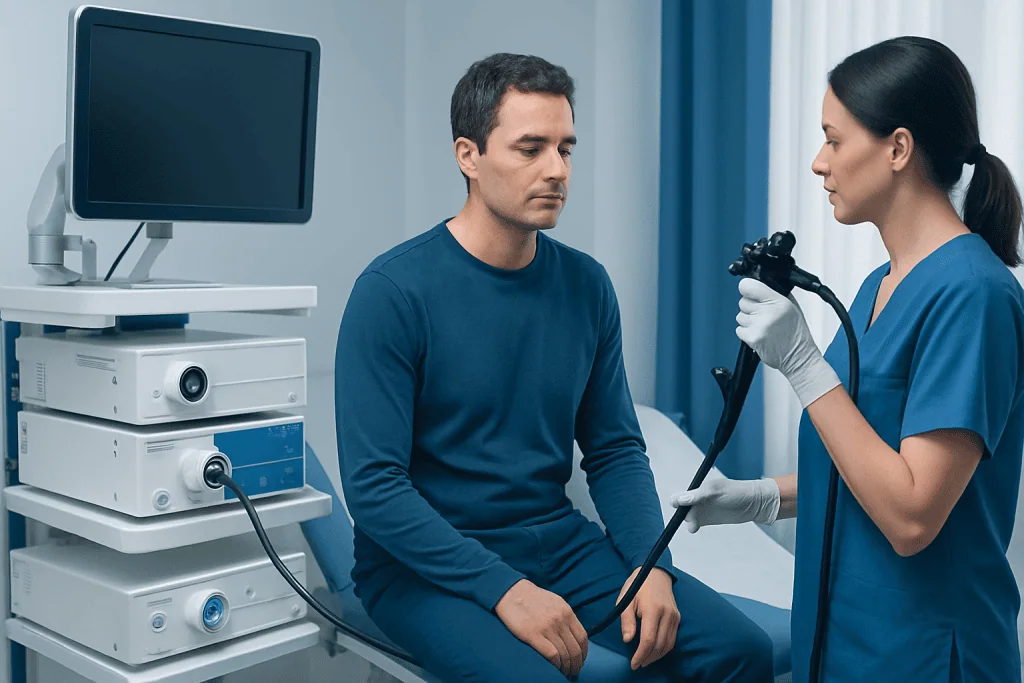
Rectal cancer symptoms can vary. Some people have no symptoms and learn about the condition through routine screening. Others notice mild changes at first that become more persistent over time. Because these symptoms can also occur with hemorrhoids, infections, inflammatory bowel disease, or benign bowel conditions, medical evaluation is important rather than self-diagnosis.
Common symptoms may include rectal bleeding, blood in the stool, a change in bowel habits, narrower stools, constipation, diarrhea, or a frequent urge to have a bowel movement. Some people describe a sensation of incomplete emptying after using the toilet. Others may notice abdominal or pelvic discomfort, fatigue, or unexplained weight loss.
- Rectal bleeding or blood mixed with stool
- Changes in bowel habits lasting more than a few weeks
- Stools that seem thinner than usual
- Pelvic pressure or pain
- Weakness or tiredness, sometimes related to anemia
- Unintentional weight loss
Symptoms alone cannot show how advanced a rectal cancer may be. Even small tumors can bleed, while larger tumors may cause changes in bowel movements or blockage. For this reason, any persistent symptom should be discussed with a doctor, particularly in adults over screening age or in people with a family history of colorectal cancer.
Causes and Risk Factors

Rectal cancer develops when cells in the lining of the rectum acquire genetic changes that make them grow uncontrollably. In many cases, the exact reason these changes occur in one person is not fully known. However, doctors recognize several factors that can increase the likelihood of developing this cancer.
Age is one of the main risk factors, and rectal cancer is more common in older adults. A personal history of colorectal polyps, a previous colorectal cancer, or certain inherited syndromes can also raise risk. Family history matters as well, especially if close relatives have had colorectal cancer or advanced polyps.
Other important risk factors include inflammatory bowel diseases such as ulcerative colitis and Crohn’s disease affecting the colon or rectum. Lifestyle factors may also play a role, including smoking, heavy alcohol use, low physical activity, obesity, and diets high in processed or red meat and low in fiber-rich foods.
Having risk factors does not mean a person will definitely develop rectal cancer, and some people diagnosed with rectal cancer have no clear risk factors. Still, understanding risk can help guide decisions about screening and early evaluation. In the broader group of colorectal cancer, risk reduction often focuses on screening, healthy habits, and managing known bowel conditions.
How Rectal Cancer Is Diagnosed
Diagnosis usually begins with a review of symptoms, personal and family history, and a physical examination. A doctor may perform a digital rectal exam to feel for an abnormal mass in the lower rectum. Blood tests may also be ordered to look for anemia or to assess general health before further testing.
The key test for diagnosis is usually colonoscopy. During this procedure, a flexible camera is used to examine the rectum and colon. If a suspicious area is found, the doctor can take a tissue sample, called a biopsy. A pathologist then studies the biopsy under a microscope to confirm whether cancer is present.
Once rectal cancer is confirmed, imaging tests help determine the stage. These may include MRI of the pelvis, CT scans, endorectal ultrasound in selected cases, and sometimes PET imaging. Staging shows how deeply the tumor has grown into the rectal wall, whether lymph nodes are involved, and whether the cancer has spread to other organs.
This detailed evaluation is essential because rectal cancer treatment depends heavily on accurate staging. People may undergo colonoscopy as part of diagnosis, followed by specialized imaging and consultation with oncology and surgical teams. In some cases, doctors also discuss molecular or genetic testing of the tumor to help guide treatment decisions.
Treatment Options
Rectal cancer treatment is based on the stage of the disease, the location of the tumor within the rectum, and the person’s general health and preferences. Treatment may involve one method or a combination of therapies. Many patients benefit from review by a multidisciplinary team that can coordinate the sequence of treatments carefully.
Surgery is a major treatment for many rectal cancers. The goal is to remove the tumor with a margin of healthy tissue and, when appropriate, nearby lymph nodes. Depending on the tumor’s size and location, surgery may range from local removal of a very early lesion to more extensive operations. Some patients may be candidates for colorectal surgery designed to preserve normal bowel function whenever safely possible.
Radiation therapy and chemotherapy are commonly used, especially for tumors that extend deeper into the rectal wall or involve lymph nodes. These treatments may be given before surgery to shrink the tumor and lower the risk of local recurrence, or after surgery in selected situations. A doctor may recommend radiation therapy and systemic treatment such as medical oncology care as part of a personalized plan.
For advanced or metastatic rectal cancer, treatment may focus on controlling the disease, relieving symptoms, and maintaining quality of life. Options can include chemotherapy, targeted therapies for selected tumors, immunotherapy in certain biological subtypes, surgery for specific metastases, or palliative procedures. Supportive care, nutrition support, and follow-up are also important parts of treatment.
Prevention, Screening, and Self-Care
Not all rectal cancers can be prevented, but screening can detect precancerous polyps or early cancers before symptoms appear. Screening recommendations vary by age, family history, and personal risk factors, so it is important to ask a doctor when screening should begin and which test is most appropriate.
Healthy lifestyle habits may also support colorectal health. These include regular physical activity, maintaining a healthy body weight, eating a balanced diet rich in vegetables, fruits, whole grains, and other sources of fiber, and limiting tobacco and excess alcohol. People with inflammatory bowel disease should continue regular specialist follow-up because long-term inflammation can increase cancer risk.
Self-care is also important during and after treatment. Patients may benefit from staying hydrated, following nutrition advice, reporting new symptoms promptly, and keeping up with follow-up appointments. Emotional support, rehabilitation, and practical help with daily routines can also make recovery more manageable.
After treatment, long-term surveillance is usually needed. Follow-up may include physical examinations, blood tests, colonoscopy, and imaging depending on the cancer stage and the type of treatment received. This monitoring helps doctors look for recurrence, manage side effects, and support overall health.
When to See a Doctor
A person should see a doctor if rectal bleeding, blood in the stool, ongoing constipation or diarrhea, unexplained abdominal or pelvic discomfort, or a persistent feeling of incomplete bowel emptying continues for more than a short time. These symptoms often have noncancerous causes, but they still deserve medical attention, especially when they are new or recurrent.
Urgent medical evaluation is important if there is heavy bleeding, severe abdominal pain, vomiting, inability to pass stool or gas, or signs of marked weakness or dizziness. These symptoms can suggest complications such as bowel obstruction or significant blood loss and should not be ignored.
People with a strong family history of colorectal cancer, inherited cancer syndromes, prior colon or rectal polyps, or inflammatory bowel disease may need earlier or more frequent screening. A doctor can explain the most suitable schedule based on individual risk.
For international patients seeking coordinated evaluation, Acibadem International offers diagnosis and treatment for rectal cancer through multidisciplinary specialists in JCI-accredited hospitals. A timely consultation can help clarify symptoms, confirm the diagnosis, and outline the most appropriate next steps.
Frequently asked questions
What is the difference between rectal cancer and colon cancer?
Both are types of colorectal cancer, but rectal cancer starts in the rectum while colon cancer starts higher in the large intestine. The difference matters because rectal cancer often requires specific imaging and may be treated with radiation therapy more often than colon cancer.
Can rectal cancer cause symptoms early on?
Yes, it can, but some people have no symptoms at first. When symptoms do occur, they may include rectal bleeding, changes in bowel habits, thinner stools, or a feeling that the bowel does not empty fully.
Does rectal bleeding always mean rectal cancer?
No, rectal bleeding has many possible causes, including hemorrhoids, anal fissures, infections, and inflammatory bowel disease. Even so, persistent or unexplained bleeding should be checked by a doctor to rule out serious conditions.
How is rectal cancer confirmed?
Rectal cancer is usually confirmed with a biopsy taken during colonoscopy or another endoscopic examination. Imaging tests such as pelvic MRI and CT scans are then used to determine the stage and help plan treatment.
Is surgery always needed for rectal cancer?
Not always in the same way, but surgery is a central treatment for many patients. The exact approach depends on the stage, the tumor's location, and whether chemotherapy or radiation is given before surgery.
Can rectal cancer be treated successfully?
Many cases can be treated effectively, especially when found early. Outcomes depend on the stage of the cancer, the biology of the tumor, and the person's overall health, which is why early evaluation and expert treatment planning are important.
References
- World Health Organization
- National Cancer Institute
- American Cancer Society
- National Comprehensive Cancer Network
- American Society of Clinical Oncology
This article is for general information only and is not a substitute for professional medical advice. Please consult a qualified doctor about your individual situation.
Persistent digestive symptoms? Get evaluated in Turkey
JCI-accredited · board-certified surgeons · reply within 24h
Add us as a Preferred Source to see more of our trusted health content across Google Search, AI Overviews and Discover.

More from the Health Library



Related Specialists

Prof. Dr. Selami Çakmak
Orthopedic Surgery & Traumatology
Canberk Altan
Physical Medicine & Rehabilitation
Dyt. Begüm Bengi
Nutrition & Diet
Dr. Mustafa Bozkurt
Medical Oncology