Retroverted Uterus: What Is Normal, What Is Not, and When to Seek Care

A retroverted uterus is common and often causes no symptoms. By itself, a retroverted uterus usually does not prevent pregnancy.
Key Takeaways
- A retroverted uterus is common and often causes no symptoms.
- By itself, a retroverted uterus usually does not prevent pregnancy.
- Symptoms such as pelvic pain, painful intercourse, or difficult periods may point to another underlying condition.
- Pelvic examination and ultrasound can confirm the position of the uterus and look for related problems.
- Treatment depends on symptoms and the cause, not simply on the uterine position alone.
A retroverted uterus means the uterus tilts backward toward the spine instead of forward toward the bladder. In most people, this is a normal anatomical variation and not a disease, but persistent pain, painful sex, heavy periods, or fertility concerns may need medical evaluation.
What a Retroverted Uterus Means
A retroverted uterus is a uterus that tilts backward rather than forward. The forward position is often described as anteverted, while a backward tilt is called retroverted or sometimes a “tilted uterus.” Both positions can be normal. A retroverted uterus is not automatically a medical problem, and many people only learn about it during a routine pelvic exam or ultrasound.
The uterus is a muscular organ in the pelvis, and its exact position can vary from person to person. It may also change somewhat over time due to pregnancy, childbirth, aging, or changes in pelvic support tissues. Because body anatomy naturally differs, a backward-tilting uterus is often simply part of normal variation rather than a sign that something is wrong.
What matters most is whether the person has symptoms and whether another condition is affecting the uterus or nearby pelvic organs. A retroverted uterus itself usually does not need treatment if it is not causing problems. When symptoms are present, doctors look beyond the uterine angle to find the reason.
Is a Retroverted Uterus Normal or Not?
In many cases, a retroverted uterus is completely normal. It does not mean the uterus is unhealthy, malformed, or unable to function. Menstrual cycles, sexual activity, and pregnancy can all be normal in someone with this uterine position.
It may be considered “not normal” only when the backward tilt is linked to another condition, especially if it develops later in life and comes with pain or menstrual changes. For example, scar tissue, pelvic inflammation, uterine fibroids, or endometriosis can sometimes affect the position and mobility of the uterus. In those situations, the retroverted position is more of a clue than the main diagnosis.
Another helpful distinction is whether the uterus is simply tilted or whether it also seems fixed in place. A uterus that moves normally on examination is less concerning than one that appears less mobile because of adhesions or other pelvic disease. This is one reason a professional assessment matters when symptoms appear.
Possible Symptoms and How It May Feel
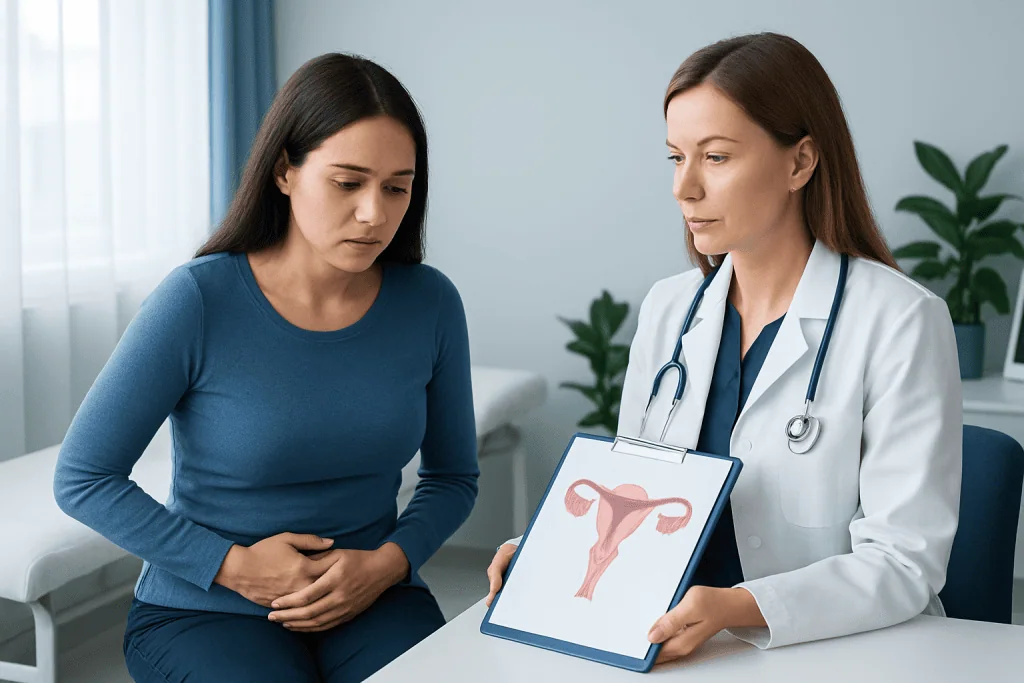
Most people with a retroverted uterus have no symptoms at all. When symptoms do occur, they may include pelvic discomfort, pressure in the lower back, or pain during deep penetration during sexual intercourse. Some people also notice menstrual cramps that feel more intense, although this is not always due to the uterine position itself.
Symptoms can overlap with many other gynecologic conditions, which is why they should not be explained by a tilted uterus alone without proper evaluation. If there is significant pelvic pain, painful periods, pain with sex, or heavy bleeding, a clinician may consider conditions such as uterine fibroids, adenomyosis, endometriosis, or pelvic inflammatory disease.
Less commonly, some people report a sensation of pelvic fullness or urinary pressure, but these symptoms are not specific to a retroverted uterus. They may be more closely related to the size of the uterus, pelvic floor changes, or another structural issue. A careful history and pelvic exam help clarify what is most likely causing the symptoms.
- Often no symptoms at all
- Possible pain during intercourse
- Possible pelvic or lower back discomfort
- Possible painful or heavy periods if another condition is present
Causes and Conditions Linked to a Backward-Tilting Uterus
Some people are born with a retroverted uterus, and it remains that way throughout life. In others, the position may change over time. Pregnancy can stretch pelvic tissues, and after childbirth the uterus may settle into a different angle. Menopause and age-related weakening of support structures may also influence pelvic anatomy.
In certain cases, a retroverted uterus is associated with an underlying pelvic condition. Endometriosis can lead to inflammation and scar tissue that affect how the uterus sits in the pelvis. Pelvic inflammatory disease may cause adhesions after infection. Fibroids or previous pelvic surgery can also change uterine position or mobility.
The most important point is that the tilt itself is usually not harmful, but the reason behind a change in uterine position may deserve attention. This is especially true if the person previously had no symptoms and then develops new pelvic pain, changes in periods, or discomfort with intercourse.
Diagnosis and What Doctors Look For
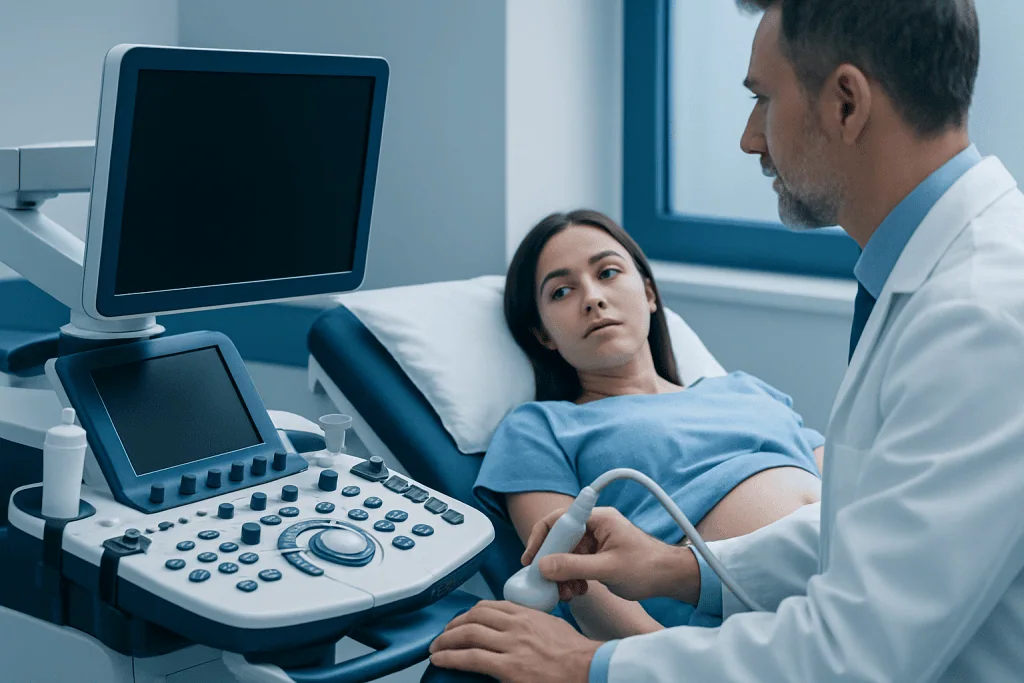
A retroverted uterus is usually diagnosed during a pelvic examination or a pelvic ultrasound. On exam, a doctor may feel that the uterus points more toward the back of the pelvis. Ultrasound helps confirm the position and can also identify other possible findings such as fibroids, ovarian cysts, or signs of adenomyosis.
Diagnosis focuses not only on identifying the uterine angle but also on understanding symptoms. The doctor may ask about period pain, bleeding patterns, pain during sex, fertility concerns, bowel or bladder symptoms, previous pregnancies, surgeries, or infections. These details help determine whether the retroverted uterus is simply an incidental finding or part of a broader pelvic issue.
If symptoms suggest another condition, further testing may be recommended. Depending on the situation, this could include additional imaging, laboratory testing, or referral for a gynecology check-up. In selected cases, especially when chronic pelvic pain or infertility is involved, a specialist may consider more advanced evaluation to look for endometriosis or adhesions.
Pregnancy, Fertility, and Sex: Common Concerns
Many people worry that a retroverted uterus will make pregnancy difficult, but in most cases it does not. A backward-tilting uterus usually does not stop sperm from reaching the egg and does not prevent implantation. Most people with a retroverted uterus can conceive and carry a pregnancy normally.
During early pregnancy, the uterus usually enlarges and rises out of the pelvis, often moving into a more forward position as it grows. Rarely, a markedly retroverted uterus can remain trapped in the pelvis in early pregnancy, which may cause pain or urinary symptoms. This is uncommon, but new difficulty passing urine, severe pelvic pain, or unusual pressure in pregnancy should be assessed promptly.
Some people with a retroverted uterus notice pain during intercourse, especially with deep penetration. If this happens, it can help to discuss it openly with a clinician because the pain may relate to the uterine angle, pelvic floor muscle tension, or another gynecologic condition. Supportive strategies, position changes, and treatment of any underlying disorder may help improve comfort.
When fertility questions arise, doctors typically look first for common causes unrelated to uterine tilt, such as ovulation problems, tubal factors, sperm factors, or endometriosis. If needed, evaluation through fertility assessment and IVF care may be appropriate based on the full clinical picture rather than the uterine position alone.
Treatment, Prevention, and Self-Care
A retroverted uterus that causes no symptoms usually needs no treatment. Reassurance is often the most important step. The goal is not to “correct” a normal anatomical variation, but to identify and manage any symptoms or underlying conditions that may be present.
If pain, heavy bleeding, or pressure symptoms occur, treatment depends on the cause. For example, care may focus on endometriosis, fibroids, pelvic floor dysfunction, or infection rather than on the tilt itself. In some cases, doctors may recommend pain management, pelvic floor therapy, or treatment directed at the diagnosed gynecologic condition. If surgery is needed for an underlying problem, options may include minimally invasive laparoscopy in selected patients.
There is no proven way to prevent a naturally retroverted uterus, because it is often simply part of individual anatomy. General pelvic health measures can still be helpful: attending routine gynecologic visits, seeking care for persistent pelvic pain or unusual bleeding, practicing safer sex to reduce infection risk, and following up after childbirth or pelvic surgery if symptoms develop.
Near the end of the care pathway, some patients benefit from multidisciplinary evaluation, especially if symptoms overlap across gynecology, fertility, and pelvic pain care. Acibadem International’s multidisciplinary specialists and JCI-accredited hospitals diagnose and treat gynecologic conditions for international patients when further assessment is needed.
When to Seek Medical Care
A retroverted uterus alone usually does not require urgent attention. However, a person should seek medical advice if there is ongoing pelvic pain, painful intercourse, heavy or irregular periods, new difficulty with urination, or fertility concerns. These symptoms may reflect another condition that deserves diagnosis and treatment.
Prompt evaluation is especially important if symptoms are severe, suddenly worse, or associated with fever, fainting, abnormal vaginal discharge, or possible pregnancy complications. During pregnancy, urinary retention, significant pelvic pressure, or unusual pain should not be ignored. A clinician can determine whether the uterus position is incidental or whether another issue is causing the symptoms.
In general, it is wise to seek care whenever symptoms interfere with daily life, relationships, or attempts to conceive. A patient-centered discussion with a gynecologist can often provide reassurance, clarify what is normal, and guide the next steps if testing or treatment is needed.
Frequently asked questions
Is a retroverted uterus dangerous?
Usually no. A retroverted uterus is commonly a normal variation in the position of the uterus and often causes no health problems. It becomes more important medically when symptoms suggest an underlying pelvic condition.
Can a retroverted uterus cause infertility?
By itself, a retroverted uterus usually does not cause infertility. If conception is difficult, doctors look for more common causes such as ovulation issues, tubal problems, sperm factors, or conditions like endometriosis.
Can someone with a retroverted uterus have a normal pregnancy?
Yes, most people with a retroverted uterus have normal pregnancies. As pregnancy progresses, the uterus typically enlarges and rises out of the pelvis. Unusual pain or urinary problems in pregnancy should still be assessed by a doctor.
Does a retroverted uterus always cause pain during sex?
No, many people with a retroverted uterus do not have pain during sex. If pain occurs, it may be related to deep penetration, pelvic floor tension, endometriosis, or another gynecologic issue rather than the uterine position alone.
How is a retroverted uterus diagnosed?
It is usually found during a pelvic exam or pelvic ultrasound. These tests help confirm the uterine position and also check for other conditions such as fibroids, cysts, or signs of inflammation.
Does a retroverted uterus need treatment?
Not if it is not causing symptoms. Treatment is considered when there is pain, heavy bleeding, painful intercourse, or another diagnosed condition that may be related to the symptoms.
References
- American College of Obstetricians and Gynecologists
- National Health Service
- Merck Manual
- Mayo Clinic
- Royal College of Obstetricians and Gynaecologists
This article is for general information only and is not a substitute for professional medical advice. Please consult a qualified doctor about your individual situation.
Joint and spine care in Turkey — expert assessment & treatment
JCI-accredited · board-certified surgeons · reply within 24h
Add us as a Preferred Source to see more of our trusted health content across Google Search, AI Overviews and Discover.