Rhythmic Movement Disorder: Symptoms, Sleep Links, and Treatment Options

Rhythmic movement disorder usually involves repetitive movements such as head banging, body rocking, or head rolling around sleep. It is common in infancy and early childhood and often improves with age.
Key Takeaways
- Rhythmic movement disorder usually involves repetitive movements such as head banging, body rocking, or head rolling around sleep.
- It is common in infancy and early childhood and often improves with age.
- Treatment is not always necessary unless sleep is disrupted, injuries occur, or another condition is suspected.
- Doctors may use sleep history, video recordings, and sometimes a sleep study to confirm the diagnosis.
- A medical review is important if movements are frequent, severe, painful, or continue beyond early childhood.
Rhythmic movement disorder is a condition in which a person makes repeated, stereotyped movements, most often when falling asleep or during sleep. It is more common in infants and young children, but persistent or disruptive cases in older children or adults may need medical evaluation.
Overview of Rhythmic Movement Disorder
Rhythmic movement disorder is a sleep-related movement condition marked by repeated, patterned motions such as body rocking, head banging, or head rolling. These movements most often happen as a child becomes drowsy, falls asleep, or briefly wakes during the night. In many young children, the behavior is temporary and part of normal development rather than a sign of serious disease.
The term sleep-related rhythmic movement disorder is used when these movements are frequent enough to disturb sleep, impair daytime functioning, or cause risk of injury. Although it is most often seen in babies and toddlers, it can also affect older children, adolescents, and adults. In these age groups, doctors usually look more closely for associated sleep, developmental, neurological, or behavioral conditions.
The movements are typically repetitive and similar from episode to episode. They may involve the head, neck, trunk, or sometimes the whole body. Because the behavior can look dramatic, especially head banging, families may feel alarmed, but many cases are mild and improve over time with reassurance and simple safety steps.
Symptoms and Common Sleep-Related Movements
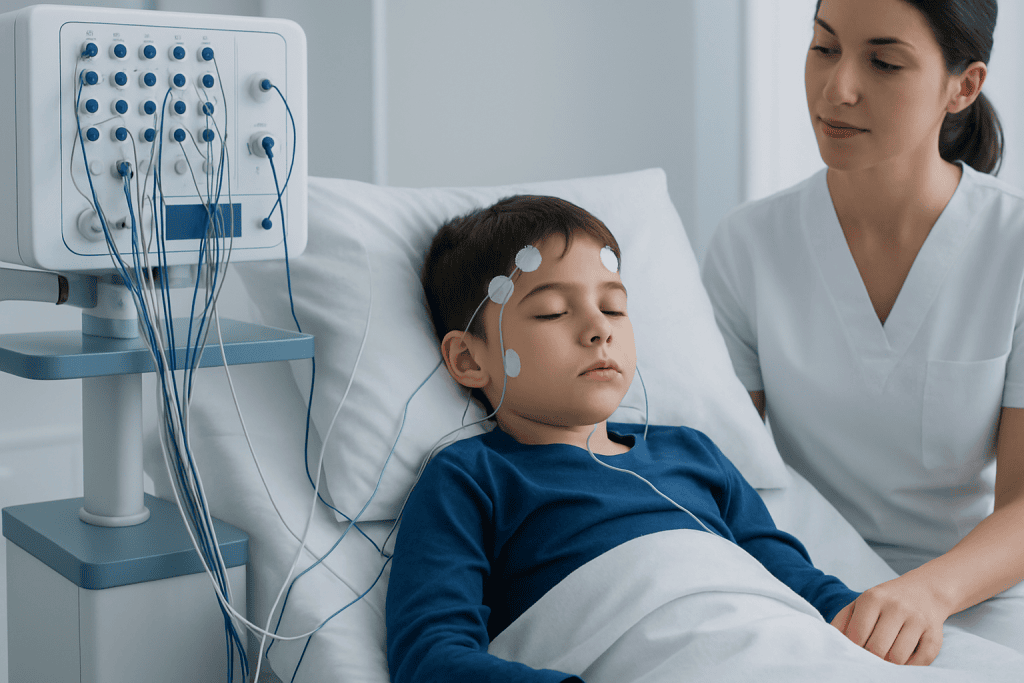
The main symptom of rhythmic movement disorder is repetitive movement in a regular pattern, usually at a rate of about one movement every one to two seconds. Episodes often occur near sleep onset, during lighter stages of sleep, or during brief awakenings. Some children make humming or other repetitive sounds at the same time.
Common forms of movement include:
- Body rocking, often while sitting on hands and knees or lying down
- Head banging against a pillow, mattress, crib, or headboard
- Head rolling from side to side
- Less commonly, leg rolling or repetitive trunk movements
Many children are not aware of the movements and do not remember them the next day. In mild cases, there may be no daytime effects at all. When symptoms are more severe, however, the repeated motions can interrupt sleep, lead to daytime sleepiness or irritability, and occasionally cause bruising or minor injury.
It is important to distinguish these movements from other sleep-related events. Conditions such as restless legs syndrome, sleepwalking, seizures, or repetitive movements related to pain or discomfort can look similar. Careful observation of when the movements happen and what they look like helps guide diagnosis.
Causes and Risk Factors

The exact cause of rhythmic movement disorder is not fully understood. In infants and young children, experts believe it may relate to the normal development of sleep-wake patterns and self-soothing behaviors. Repetitive movement may help some children settle themselves when tired or overstimulated.
Age is one of the strongest factors. Rhythmic movements are common in early childhood and tend to become less frequent as the nervous system matures. When symptoms continue into later childhood or adulthood, doctors may consider whether another sleep or neurological issue is contributing.
Certain conditions may be seen alongside rhythmic movement disorder more often than in the general population. These include developmental delay, autism spectrum disorder, attention-related difficulties, and some sleep disorders. In some people, poor sleep habits, stress, irregular schedules, or sleep deprivation may make episodes more noticeable.
Rhythmic movement disorder is not usually caused by a structural brain problem. Still, if symptoms begin suddenly, change significantly, or happen together with other unusual neurological signs, further assessment may be needed. The goal is to rule out other causes and make sure the movements are not part of a different condition.
How It Is Diagnosed
Diagnosis usually begins with a detailed medical and sleep history. A doctor will ask what the movements look like, how often they occur, the child or adult’s age, whether sleep is disrupted, and whether there have been any injuries. Family members are often the main observers, so their description is very important.
Home video recordings can be especially helpful because episodes may not occur during a clinic visit. Videos help clinicians assess the pattern, timing, and severity of the movements. They can also help distinguish rhythmic movement disorder from seizures, parasomnias, or other movement conditions.
In some cases, a doctor may recommend an overnight sleep study, known as polysomnography, especially if the diagnosis is uncertain or another sleep disorder is suspected. This test can show when the movements occur during sleep and whether there are related breathing issues, frequent awakenings, or abnormal brain activity.
Additional evaluation may be needed if symptoms are unusual, persist beyond the expected age, or are associated with developmental concerns. Depending on the person’s symptoms, assessment by specialists in neurology or sleep medicine may be useful. The aim is to confirm the condition while excluding problems that need different treatment.
Treatment Options
Treatment depends on how severe the condition is and whether it causes sleep disturbance, daytime problems, or injury. Many young children with mild rhythmic movements do not need medical treatment. In these cases, reassurance, observation, and practical safety measures are often enough while the child outgrows the behavior.
If symptoms interfere with sleep or quality of life, doctors first look for contributing factors. Improving sleep routines, treating other sleep disorders, and reducing sleep deprivation can help. When another condition is present, such as obstructive sleep apnea or a neurodevelopmental disorder, managing that problem may reduce the rhythmic movements.
Behavioral and environmental strategies are often part of care. These may include a consistent bedtime routine, a calm sleep environment, and padding or adjusting the bed area to reduce risk of injury. Parents are generally advised not to scold the child for the behavior, since it is usually involuntary and may increase with stress or fatigue.
Medication is not needed for most people, but it may be considered in selected cases when symptoms are persistent, severe, or dangerous. Decisions about medicine should always be individualized and supervised by a qualified doctor, often in a sleep disorder treatment program or specialist clinic. Treatment focuses on safety, sleep quality, and any related condition rather than simply stopping movement at all costs.
Prevention and Self-Care
Because rhythmic movement disorder is often developmental, there is not always a way to prevent it completely. However, healthy sleep habits can reduce sleep disruption and may lessen episodes in some people. A predictable bedtime, age-appropriate sleep duration, and a quiet, comfortable room are helpful starting points.
Safety is an important part of self-care. For infants and young children, parents can make sure the sleep space is secure and follows safe sleep guidance. Hard or sharp nearby objects should be removed, and bed frames or headboards may need adjustment if a child is hitting against them repeatedly.
It can also help to keep a simple sleep diary noting bedtime, wake time, naps, and when movements occur. Patterns may emerge, such as worse episodes after overtired days or schedule changes. This information can be valuable during a medical appointment.
Families should avoid making assumptions based only on internet videos or anecdotal advice. Similar-looking movements can have different causes, and a proper assessment is the safest path when symptoms are persistent or concerning. Near the end of the care journey, some families may also seek support from multidisciplinary centers such as Acibadem International, where JCI-accredited hospitals evaluate and treat sleep and movement conditions for international patients.
When to See a Doctor
Medical review is a good idea if rhythmic movements are intense, frequent, or continue beyond early childhood. A doctor should also assess the situation if the person is getting injured, losing sleep, or having daytime tiredness, learning difficulties, or behavior changes. These features can suggest the need for closer evaluation and treatment.
Parents and caregivers should seek advice if episodes are very different from typical rocking or head rolling, or if they involve stiffness, jerking, breathing changes, color change, confusion, or loss of awareness. These signs may point to another disorder and deserve prompt attention. If there is concern about seizures, urgent assessment is especially important.
Evaluation is also helpful when rhythmic movements occur with snoring, pauses in breathing, unusual nighttime behaviors, or developmental concerns. In such cases, specialists may look for related sleep or neurological conditions, including sleep apnea. Early clarification can help families understand what is happening and choose the right next steps.
Overall, the outlook is often reassuring, especially in young children. Still, professional guidance matters whenever symptoms disrupt daily life or safety. A clear diagnosis can reduce uncertainty and help families focus on practical, effective care.
Frequently asked questions
What is rhythmic movement disorder?
Rhythmic movement disorder is a condition in which a person makes repeated movements, such as body rocking or head banging, usually when becoming sleepy or during sleep. It is most common in infants and young children and often improves as they grow.
Is rhythmic movement disorder dangerous?
In many cases, it is not dangerous and does not cause lasting harm. It becomes more concerning if it leads to injuries, major sleep disruption, or symptoms that suggest another condition, such as seizures or breathing problems.
At what age is rhythmic movement disorder most common?
It is most often seen in babies, toddlers, and young children. Many children outgrow it over time, so persistence into later childhood or adulthood usually deserves medical assessment.
How is rhythmic movement disorder different from seizures?
Rhythmic movement disorder usually follows a repetitive, patterned motion linked to drowsiness or sleep and often looks similar from night to night. Seizures may include changes in awareness, stiffening, jerking, color change, or confusion afterward, so a doctor may recommend further testing if there is any doubt.
Does rhythmic movement disorder always need treatment?
No. Mild cases often need only reassurance, safety measures, and good sleep habits. Treatment is more likely if the movements cause injury, poor sleep, daytime problems, or concern for another underlying disorder.
Can adults have rhythmic movement disorder?
Yes, although it is much less common than in children. When it occurs in adults, doctors usually look carefully for associated sleep disorders, neurological issues, or other contributing factors.
References
- American Academy of Sleep Medicine
- National Institute of Neurological Disorders and Stroke
- MedlinePlus
- Merck Manual
- Cleveland Clinic
This article is for general information only and is not a substitute for professional medical advice. Please consult a qualified doctor about your individual situation.
Explore treatments in Turkey — costs, top hospitals & a free quote
JCI-accredited · board-certified surgeons · reply within 24h
Add us as a Preferred Source to see more of our trusted health content across Google Search, AI Overviews and Discover.

Neurology
Diagnosis and treatment of disorders of the brain, spinal cord, nerves and muscles.
51 specialists in this unit