Robotic Surgery for Endometriosis: Procedure, Recovery and Results
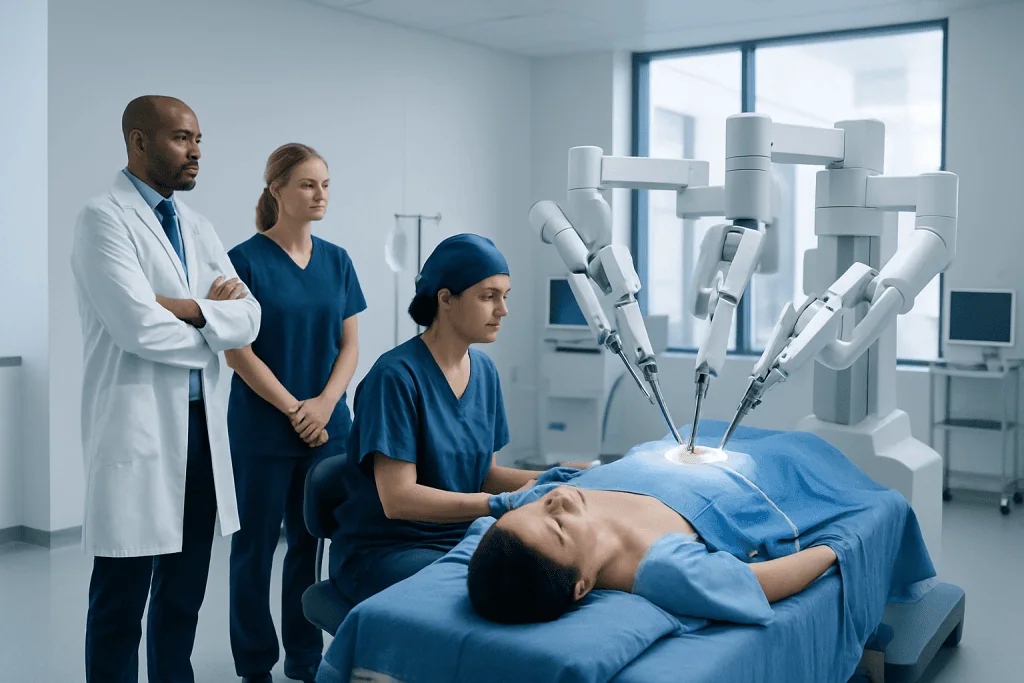
Robotic surgery uses small abdominal incisions and surgeon-controlled instruments with magnified three-dimensional viewing. The goal is usually to remove visible endometriosis and release adhesions while protecting organs and fertility when possible.
Key Takeaways
- Robotic surgery uses small abdominal incisions and surgeon-controlled instruments with magnified three-dimensional viewing.
- The goal is usually to remove visible endometriosis and release adhesions while protecting organs and fertility when possible.
- Suitability depends on symptoms, previous treatment, disease location, fertility priorities and imaging or examination findings.
- Many people return to light activities within days, but complete recovery can take several weeks depending on the extent of surgery.
- Surgery can improve pain and address endometriosis-related complications, but symptoms may persist or return over time.
- A multidisciplinary team may be needed when endometriosis involves the bowel, bladder, ureters or other pelvic structures.
Robotic surgery for endometriosis is a minimally invasive surgical approach that may help remove endometriosis lesions, scar tissue and ovarian endometriomas while preserving healthy tissue where possible. It is not necessary for everyone with endometriosis, but it can be considered when symptoms, fertility concerns or disease complications do not respond adequately to other care.
Overview: what robotic surgery for endometriosis involves
Robotic surgery for endometriosis is a form of minimally invasive surgery in which a surgeon uses a computer-guided robotic system to operate through several small incisions in the abdomen. The system does not perform surgery independently. Rather, it translates the surgeon’s hand movements into precise movements of small instruments while providing a stable, magnified three-dimensional view of the pelvic area.
Endometriosis occurs when tissue similar to the lining of the uterus grows outside the uterus. It may affect the ovaries, pelvic lining, fallopian tubes, bowel, bladder or tissue between pelvic organs. These areas can become inflamed and develop scarring or adhesions, which may contribute to pelvic pain, painful periods, pain during sex, bowel or urinary symptoms, and fertility difficulties.
During surgery, the surgeon may remove or destroy endometriosis lesions, separate organs joined by adhesions, remove an endometrioma from an ovary, or treat deeply infiltrating disease. When possible, excision, meaning removal of the lesion, is used to obtain tissue for laboratory assessment and to clear disease from involved areas. The planned operation is individualized because endometriosis can vary greatly in depth and location.
Robotic assistance is one surgical route among several. Laparoscopic surgery without robotic assistance is also a well-established minimally invasive option. The appropriate technique depends on the individual’s disease pattern, the surgeon’s expertise, prior operations and the resources available at the treating center.
Who may be a candidate
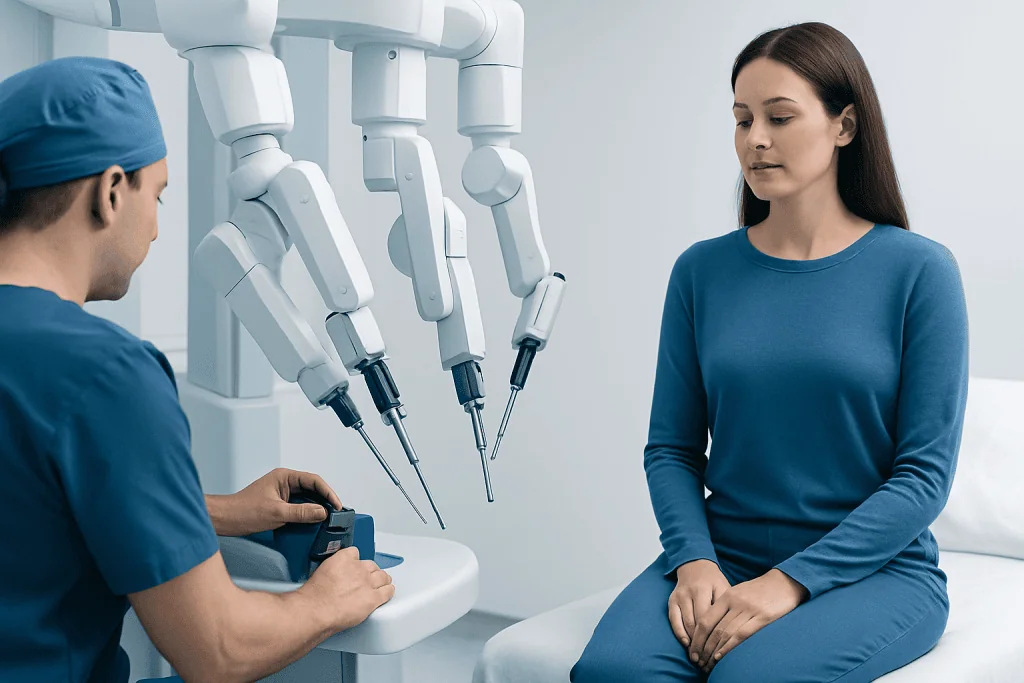
Not every person with endometriosis needs surgery. Many symptoms can be managed with pain-relief strategies, hormonal treatment or both. Surgery may be discussed when symptoms remain disruptive despite appropriate medical care, when an ovarian endometrioma requires assessment or treatment, or when imaging and symptoms suggest deep endometriosis affecting pelvic organs.
Fertility goals are an important part of decision-making. Surgery may be considered for selected people with infertility, particularly when endometriosis distorts pelvic anatomy, causes adhesions or is associated with an endometrioma. However, surgery does not guarantee pregnancy and, in some circumstances, ovarian surgery can reduce ovarian reserve. A gynecologist or fertility specialist can help weigh potential benefits against these considerations.
Before recommending an operation, the care team considers symptoms, physical examination findings, ultrasound or MRI results when needed, medical history, prior surgery, age, pregnancy plans and the possibility of other causes of pain. Definitive diagnosis often requires surgical visualization and, when tissue is removed, pathology review; imaging can support planning but may not detect all lesions.
People with suspected bowel, bladder or ureter involvement may benefit from planning with several specialists. This may include a gynecologic surgeon, colorectal surgeon, urologist, radiologist, pain specialist and fertility team. This coordinated approach is especially important when disease is extensive or close to vital structures.
How the procedure is performed

Robotic surgery is performed under general anesthesia, so the patient is asleep and does not feel pain during the operation. After anesthesia is given, the abdomen is gently inflated with carbon dioxide gas to create working space. The surgeon makes small incisions, usually in the abdomen, and places a camera and slim surgical instruments through ports.
The surgeon sits at a control console nearby and directs the robotic instruments in real time. The camera provides detailed views of the pelvis, helping the team inspect areas where endometriosis commonly occurs, including the ovaries, uterus, fallopian tubes, pelvic lining, bowel surface, bladder and tissue behind the uterus. The exact duration varies according to the amount and location of disease and whether additional procedures are needed.
Depending on the surgical plan, the surgeon may excise visible lesions, remove scar tissue, drain or remove an endometrioma, repair affected tissue, or free pelvic organs from adhesions. If disease involves the bowel, urinary tract or diaphragm, another appropriately trained surgical specialist may participate. Removed tissue is generally sent to a pathology laboratory for examination.
At the end of the procedure, the instruments are removed and the small incisions are closed. Some people go home the same day, while others stay overnight or longer if surgery was extensive, involved other organs or requires closer observation. For more information about the overall approach, patients can explore robotic surgery options.
Potential benefits and important limitations
The potential benefits of robotic surgery for endometriosis include small incisions, detailed visualization, precise instrument movement and access to some hard-to-reach pelvic spaces. As with other minimally invasive procedures, it may be associated with less postoperative pain, shorter hospital stays and faster return to usual activity than open abdominal surgery for appropriately selected patients.
The main clinical aim is to improve symptoms and address anatomical problems caused by endometriosis. Some people experience meaningful relief from pelvic pain, painful periods or pain with sex after well-planned surgery. Surgery may also restore pelvic anatomy affected by adhesions and can be part of fertility care for selected patients.
Results are individual. Pain can have more than one cause, and removing visible endometriosis may not fully resolve symptoms. Endometriosis can also recur or develop in new areas after surgery. For this reason, a long-term plan may include hormonal treatment when suitable, pelvic floor physiotherapy, pain management, fertility support or regular follow-up.
Robotic surgery is not automatically superior to conventional laparoscopy in every situation. Both approaches can be effective when performed by surgeons experienced in endometriosis care. The most important factors are appropriate patient selection, a complete preoperative plan and expertise in treating the specific locations of disease.
Recovery timeline and aftercare
Recovery differs according to the complexity of surgery, whether an ovary, bowel, bladder or ureter was treated, and the person’s overall health. In the first day or two, common temporary effects include abdominal soreness, fatigue, nausea, light vaginal bleeding and shoulder-tip discomfort caused by the gas used during laparoscopy. The care team provides individualized instructions for pain relief, wound care, eating and activity.
Many people can walk on the day of surgery or the following day and may return to gentle daily activities within several days. Desk-based work may be possible after about one to two weeks for uncomplicated procedures, although some need longer. Strenuous exercise, heavy lifting, swimming, sexual activity and driving should be resumed only when the surgical team says it is safe, often after follow-up assessment.
Full internal healing can take several weeks. More extensive excision, bowel surgery or bladder procedures may require a longer recovery and additional dietary, bowel or catheter-care guidance. Keeping follow-up appointments allows the team to review healing, pathology results, symptom changes and the need for ongoing endometriosis treatment.
After surgery, patients should contact their care team promptly for fever, worsening rather than improving pain, heavy bleeding, repeated vomiting, increasing redness or drainage from an incision, difficulty passing urine, chest pain, shortness of breath, or swelling and pain in one leg. These symptoms do not always indicate a serious problem, but they need timely medical assessment.
Risks and how they are managed
All surgery carries risks, although serious complications are uncommon. Potential risks include bleeding, infection, blood clots, reactions to anesthesia, injury to nearby organs and the possible need to change from minimally invasive surgery to an open operation for safety. The specific risk profile depends on the extent of endometriosis and whether disease involves the bowel, bladder, ureters or major blood vessels.
Ovarian surgery deserves particular discussion for people who hope to become pregnant. Removing an endometrioma can sometimes affect healthy ovarian tissue and ovarian reserve. A surgeon may discuss fertility testing, egg or embryo freezing, or consultation with a reproductive specialist before surgery when appropriate.
Deep endometriosis can be difficult to identify fully before surgery. Even with careful planning, the surgeon may find more extensive disease than expected or decide that treating certain areas safely requires another specialist or a staged procedure. Patients should understand the planned goals of surgery and what decisions may need to be made during the operation.
Risk reduction begins before surgery. This may include reviewing medications and allergies, stopping smoking, managing anemia or other health conditions, planning clot prevention and arranging support at home during recovery. Patients should follow their own surgical team’s instructions, as these are tailored to the planned procedure.
When to seek medical care
Medical assessment is appropriate for persistent pelvic pain, periods that are increasingly painful or heavy, pain during or after sex, pain with bowel movements or urination that follows a menstrual pattern, or difficulty becoming pregnant. These symptoms can have several causes, and early evaluation can help identify the most suitable treatment options.
Urgent medical care is needed for sudden severe abdominal or pelvic pain, fainting, heavy vaginal bleeding, fever with pelvic pain, persistent vomiting, or possible pregnancy with pain or bleeding. These symptoms may be related to conditions other than endometriosis and should not be managed by self-diagnosis.
A symptom diary can be useful before an appointment. Recording pain timing, bleeding patterns, bowel and bladder symptoms, medications, previous procedures and fertility goals can help a clinician understand the pattern and discuss next steps. Patients can also learn more about endometriosis and the range of evaluation and treatment choices.
Acibadem International’s multidisciplinary specialists and JCI-accredited hospitals diagnose and treat endometriosis for international patients, including people who may need coordinated gynecologic, fertility, colorectal or urologic care.
Frequently asked questions
Is robotic surgery for endometriosis painful?
The procedure is done under general anesthesia, so the patient is asleep during surgery. Soreness, fatigue and temporary abdominal or shoulder discomfort are common afterward, but the surgical team provides a pain-management plan tailored to the operation and medical history.
How long does robotic endometriosis surgery take?
The length of surgery varies widely. A limited procedure may take a few hours, while extensive disease involving adhesions, ovaries, bowel, bladder or ureters can take longer. The surgeon can give the most accurate estimate after reviewing imaging, symptoms and the planned goals of surgery.
Can robotic surgery improve fertility with endometriosis?
Surgery may help selected people by removing adhesions or endometriosis that distorts pelvic anatomy. It does not guarantee pregnancy, and ovarian surgery may affect ovarian reserve in some cases. Fertility goals should be discussed with an endometriosis surgeon and, when appropriate, a reproductive specialist.
Will endometriosis come back after robotic surgery?
Endometriosis symptoms can return after any type of surgery because the condition can recur or pain may have other contributing causes. Follow-up care may include hormonal treatment when appropriate, symptom monitoring and support from pain or fertility specialists.
What is the difference between robotic and laparoscopic endometriosis surgery?
Both are minimally invasive operations performed through small incisions. In robotic surgery, the surgeon controls robotic instruments from a console with a magnified three-dimensional view; in conventional laparoscopy, the surgeon holds and moves the instruments directly. The right approach depends on the disease, surgical plan and team experience.
When can someone return to work after robotic surgery for endometriosis?
Some people return to desk-based work within one to two weeks after an uncomplicated procedure, while others need longer. Recovery may take several weeks after extensive excision or surgery involving the bowel or urinary tract. The surgeon’s postoperative guidance should determine the timing.
References
- World Health Organization
- American College of Obstetricians and Gynecologists
- European Society of Human Reproduction and Embryology
- National Institute for Health and Care Excellence
- American Society for Reproductive Medicine
This article is for general information only and is not a substitute for professional medical advice. Please consult a qualified doctor about your individual situation.
Endometriosis in Turkey — costs, top hospitals & a free quote
JCI-accredited · board-certified surgeons · reply within 24h
Add us as a Preferred Source to see more of our trusted health content across Google Search, AI Overviews and Discover.

Gynecology & Obstetrics
Women’s health across pregnancy, gynecologic surgery and high-risk pregnancy care.
187 specialists in this unit