Rosette Cataract: An Evidence-Based Patient Guide
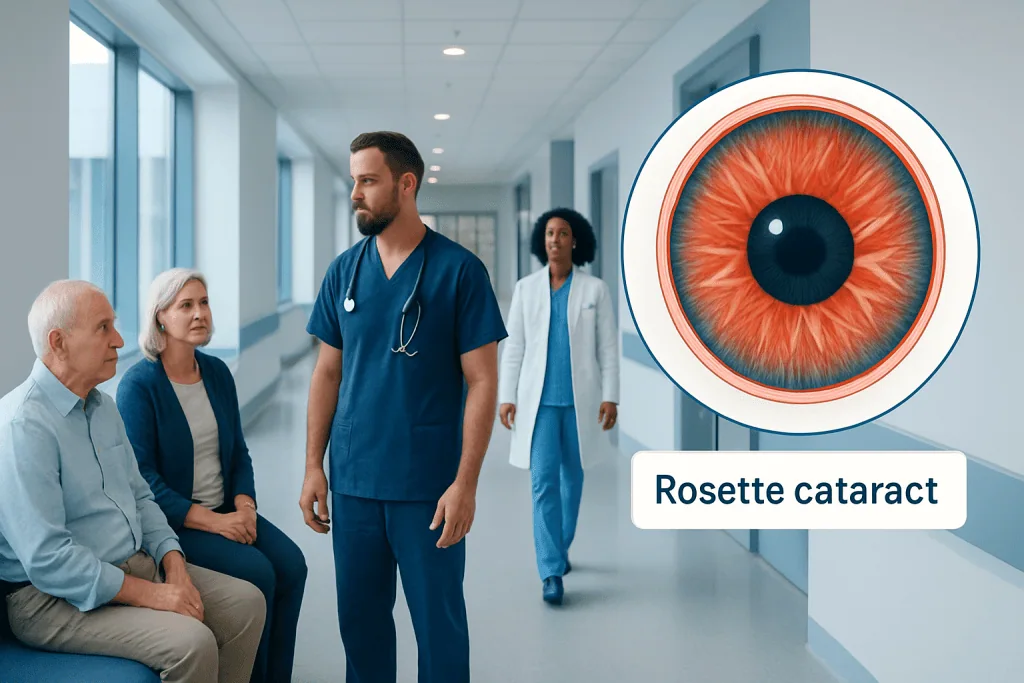
A rosette cataract has a spoke-like or flower-shaped appearance in the lens. Blunt eye trauma is a classic cause, although cataracts can also have other contributing factors.
Key Takeaways
- A rosette cataract has a spoke-like or flower-shaped appearance in the lens.
- Blunt eye trauma is a classic cause, although cataracts can also have other contributing factors.
- Surgery is not automatically required; it is considered when visual symptoms interfere with daily life.
- Cataract surgery removes the cloudy lens and replaces it with an artificial intraocular lens.
- New visual changes after an eye injury require prompt ophthalmic assessment.
A rosette cataract is a distinctive star- or flower-like clouding in the eye’s natural lens. It is often associated with previous blunt eye injury, but treatment depends on how much it affects vision, daily activities and the overall health of the eye.
Overview: What Is a Rosette Cataract?
A rosette cataract is a type of cataract with a star-shaped, spoke-like or flower-like pattern of clouding in the eye’s natural lens. The lens normally focuses light onto the retina at the back of the eye. When part of it becomes cloudy, vision may become blurred, hazy, sensitive to glare or less clear in bright light.
Rosette cataracts are particularly associated with blunt trauma to the eye, such as an injury from a ball, fall, collision or other impact. The pattern may be noticed soon after the injury or develop gradually over time. Some people have a small opacity with little effect on vision, while others develop symptoms that make reading, driving or work more difficult.
The term rosette eyes is sometimes used informally to describe this visible lens pattern, but it is not a formal diagnosis. An ophthalmologist can determine whether the pattern is a cataract and assess for other trauma-related eye problems, including damage to the cornea, iris, retina or optic nerve.
What Causes a Rosette-Shaped Cataract?
What causes a rosette-shaped cataract? The most characteristic cause is blunt eye injury. A sudden impact can disrupt lens fibers and trigger changes in lens proteins, producing the radiating rosette pattern. This is why clinicians may ask about accidents, sports injuries, workplace incidents or past facial trauma, even when the event occurred months or years earlier.
Not every cataract after an injury has a rosette appearance, and not every rosette-like lens opacity can be explained by a remembered injury. Age-related changes, diabetes, long-term corticosteroid exposure, prior eye inflammation, radiation exposure, smoking and certain inherited or metabolic conditions can also contribute to cataract formation. A detailed eye examination helps clarify the likely cause.
In medical coding, cataract codes vary depending on the cause, the eye involved and the healthcare system. There is no single universally applicable code called “rosette cataract ICD 10.” When trauma is responsible, clinicians generally document both the traumatic cataract and the relevant injury details. Accurate coding is a clinical and administrative task rather than something patients need to determine themselves.
Symptoms and How Rosette Cataracts Are Diagnosed
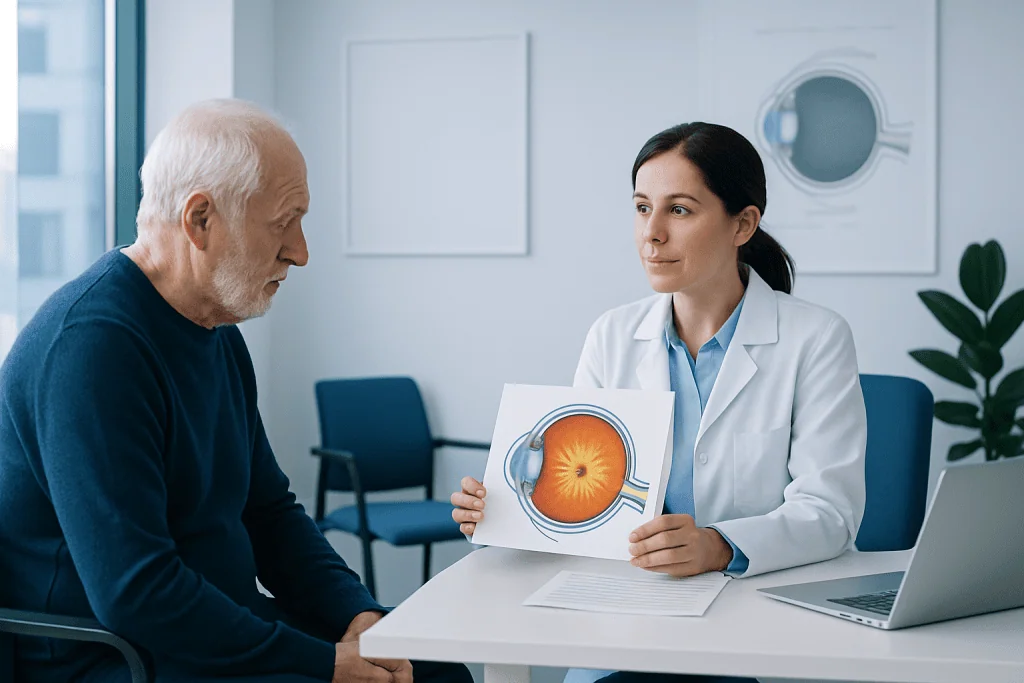
Symptoms depend on the cataract’s size, location and density. Common concerns include blurred or dim vision, glare from headlights or sunlight, halos around lights, reduced contrast, faded colors, double vision in one eye and frequent changes in glasses prescriptions. A central cataract may affect vision earlier than a small peripheral opacity.
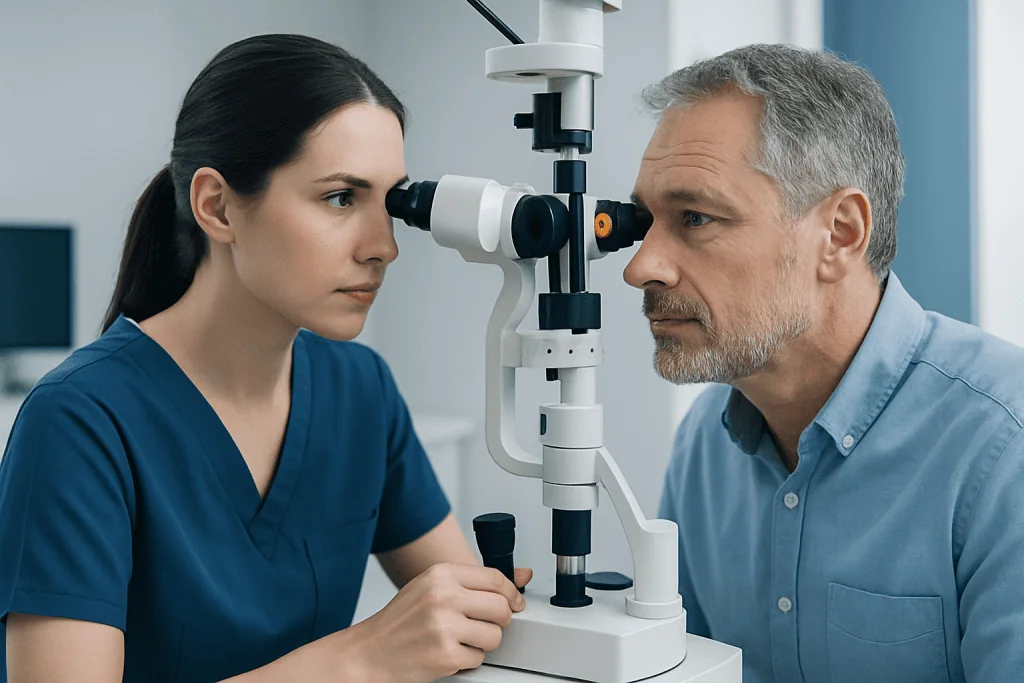
An ophthalmologist usually diagnoses a cataract through a comprehensive eye examination. This may include a visual acuity test, refraction, slit-lamp examination after dilating the pupils and an assessment of eye pressure. If there has been trauma, the examination may also include retinal imaging, ultrasound or other tests when the view into the eye is limited.
Assessment after rosette cataract trauma is important because a lens opacity can coexist with injuries that need different treatment. The specialist will look for signs such as retinal tears or detachment, glaucoma, lens displacement, inflammation and damage to the front or back of the eye. This evaluation guides whether observation, protective treatment or surgery is appropriate.
Is Surgery Required for Rosette Cataracts?
Is surgery required for rosette cataracts? No. Surgery is not required simply because a rosette cataract is present. If vision remains good and the cataract does not interfere with work, reading, driving, mobility or other daily activities, regular monitoring and updated glasses may be sufficient.
Cataract surgery is usually considered when the opacity causes meaningful visual limitation or prevents the ophthalmologist from monitoring or treating another eye condition. The decision is individualized and takes account of the person’s symptoms, occupation, visual needs, the status of the other eye and whether there are trauma-related complications.
When surgery is recommended, cataract surgery is designed to remove the cloudy natural lens and replace it with a clear artificial intraocular lens. In trauma-related cases, planning may be more complex if the lens support structures, iris or retina have also been affected. A specialist can explain the expected visual outcome based on the condition of the entire eye.
Cataract Surgery: How It Works, Candidacy and Steps
Cataract surgery is generally performed when the expected benefit of clearer vision outweighs the risks. Suitable candidates usually have visual symptoms attributable to the cataract and an eye that can safely undergo surgery. Before the procedure, measurements are taken to select an intraocular lens, and the eye is assessed for conditions that can affect visual recovery, such as macular disease, glaucoma or diabetic retinal changes.
In the most common approach, the eye is numbed with anesthetic drops or local anesthesia. The surgeon makes a small incision, opens the thin capsule surrounding the lens and uses ultrasound energy to break up and remove the cloudy lens. A folded artificial lens is then placed inside the remaining capsule, where it unfolds and stays in position. The procedure is often completed as outpatient care, although individual arrangements vary.
For a traumatic rosette cataract, the surgical team may adapt the technique if the lens is unstable or there are other injury-related changes. Additional procedures may occasionally be needed to address inflammation, lens support problems or retinal disease. The surgeon should discuss the planned approach, lens options, alternatives and realistic goals before treatment.
- Potential benefits: clearer vision, reduced glare and improved ability to perform daily tasks.
- Possible risks: infection, bleeding, pressure changes, inflammation, retinal swelling or detachment, lens-position issues and the need for further treatment.
- Important context: surgery removes the cataract, but it cannot reverse visual loss caused by pre-existing retinal or optic nerve injury.
Recovery, Follow-Up and Everyday Care
Recovery after uncomplicated cataract surgery is often gradual over days to weeks, with vision continuing to stabilize as the eye heals. Many people notice an early improvement, but temporary blur, light sensitivity, mild discomfort or awareness of the eye can occur. Follow-up visits allow the ophthalmologist to check healing, eye pressure and the position of the new lens.
Patients are commonly given prescription eye drops after surgery to reduce inflammation and lower infection risk. They should use them exactly as directed, avoid rubbing or pressing on the eye, and follow individualized advice on bathing, exercise, swimming, lifting and return to work. New glasses may be prescribed after vision has stabilized if needed.
Urgent review is important after surgery if there is worsening pain, rapidly declining vision, increasing redness, marked swelling, flashes of light, a sudden shower of floaters or a curtain-like shadow in vision. These symptoms are uncommon but can indicate complications that benefit from timely treatment.
Acibadem International’s multidisciplinary eye specialists and JCI-accredited hospitals assess cataracts and associated eye conditions for international patients, with treatment plans based on individual clinical findings.
Which Vitamins Prevent Cataracts?
Which vitamins prevent cataracts? No vitamin supplement has been proven to reliably prevent cataracts in everyone or to remove an existing cataract. Cataracts are influenced by age, eye health, medical conditions, medications, sun exposure and lifestyle factors. Supplements should not replace eye examinations or recommended treatment.
A balanced diet that includes vegetables, fruit, whole grains, legumes, nuts and healthy protein sources supports overall health and provides nutrients such as vitamin C, vitamin E, carotenoids and zinc. However, evidence does not support taking high-dose vitamin supplements solely to prevent cataracts without medical guidance. Some supplements may interact with medicines or be unsuitable for certain health conditions.
Practical steps that may support long-term eye health include not smoking, managing diabetes and blood pressure, wearing appropriate protective eyewear during sport or hazardous work, and using sunglasses that block ultraviolet radiation outdoors. These measures cannot guarantee prevention, but they can reduce avoidable risks to eye health.
When to Seek Medical Care
Anyone who develops blurred vision, glare, double vision in one eye or a noticeable change in sight should arrange an eye examination. This is especially important after an eye injury, even if discomfort seems mild, because some trauma-related changes are not visible without specialist equipment.
Urgent medical care is needed after eye trauma when there is severe pain, sudden loss of vision, blood in or around the eye, a misshapen pupil, nausea with eye pain, flashes, new floaters or a shadow or curtain in the field of vision. Avoid pressing on an injured eye. If a penetrating injury is possible, do not attempt to remove an object; protect the eye loosely and seek emergency care.
Regular follow-up is also appropriate for people with a known rosette cataract that is being observed. The timing depends on symptoms and examination findings. An ophthalmologist can advise when monitoring is adequate and when treatment should be reconsidered.
Frequently asked questions
Can a rosette cataract go away on its own?
A rosette cataract generally does not clear on its own because it reflects clouding and structural change within the natural lens. If it is mild and does not affect vision, an ophthalmologist may recommend observation. Surgery can be considered if the cataract later becomes visually significant.
How soon can a rosette cataract appear after eye trauma?
It may be identified soon after an injury, but in some cases it develops or becomes more noticeable over weeks, months or longer. The timing depends on the type and severity of lens injury. An eye examination after significant blunt trauma is important even if vision initially seems normal.
Can glasses correct vision from a rosette cataract?
Glasses may improve vision when refractive changes are part of the problem, particularly in early or mild cataract. They cannot remove the lens opacity itself. If glare and blur continue despite an appropriate prescription, cataract surgery may be discussed.
What is the new treatment for cataracts in 2026?
As of 2026, cataract surgery with removal of the cloudy lens and implantation of an intraocular lens remains the established and definitive treatment for visually significant cataracts. Technology continues to refine lens measurements, surgical planning, laser-assisted approaches and intraocular lens designs. These options are not necessary for every patient, and the best method depends on the eye examination and visual priorities.
Are rosette cataracts always caused by trauma?
No. Blunt trauma is a classic association and should be considered carefully, but cataracts can have several causes and risk factors. Age, diabetes, steroid use, inflammation and other eye or medical conditions may contribute. A clinician can assess the pattern and the person’s history to determine the likely explanation.
Can a rosette cataract affect only one eye?
Yes. Trauma-related rosette cataracts often affect one eye because the injury usually involves one side. Cataracts from aging or systemic risk factors may affect both eyes, although they can progress at different rates. Each eye is assessed separately when planning treatment.
References
- American Academy of Ophthalmology
- National Eye Institute
- Mayo Clinic
- World Health Organization
This article is for general information only and is not a substitute for professional medical advice. Please consult a qualified doctor about your individual situation.
Explore treatments in Turkey — costs, top hospitals & a free quote
JCI-accredited · board-certified surgeons · reply within 24h
Add us as a Preferred Source to see more of our trusted health content across Google Search, AI Overviews and Discover.