Rotator Cuff Surgery vs Physical Therapy: How Treatment Decisions Are Made
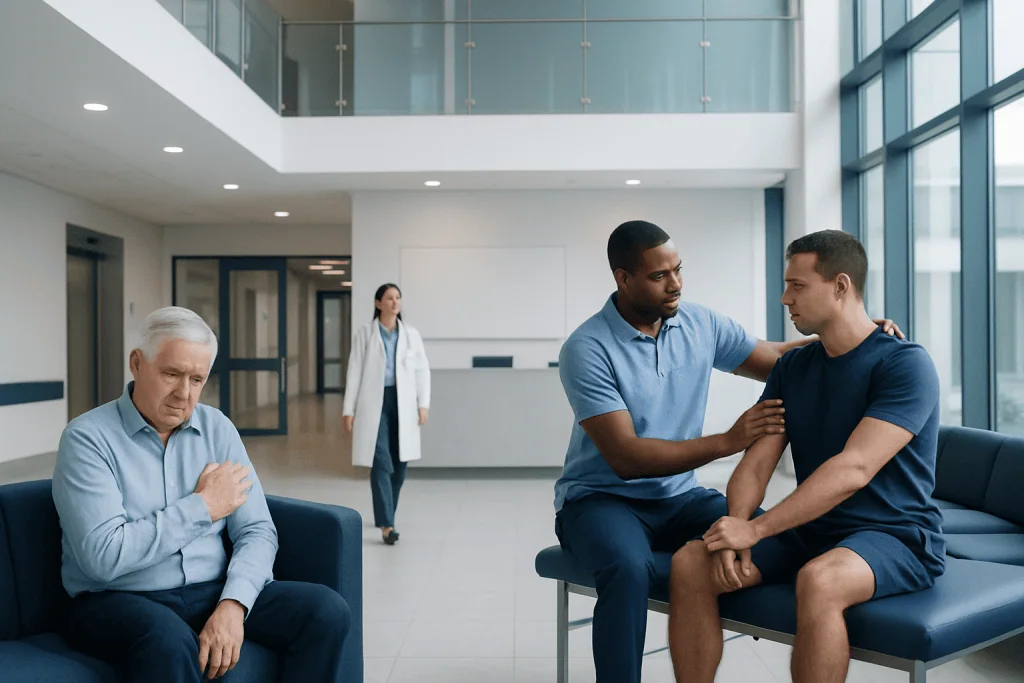
Many rotator cuff problems improve with physical therapy, activity changes, and pain management. Surgery is more often considered for full-thickness tears, significant weakness, traumatic injuries, or symptoms that do not improve.
Key Takeaways
- Many rotator cuff problems improve with physical therapy, activity changes, and pain management.
- Surgery is more often considered for full-thickness tears, significant weakness, traumatic injuries, or symptoms that do not improve.
- Treatment decisions are individualized and should consider age, health, work demands, sports, and personal goals.
- Imaging helps confirm the diagnosis, but treatment decisions are based on symptoms and function, not scans alone.
- Recovery timelines differ: therapy may take weeks to months, while surgery usually requires rehabilitation over several months.
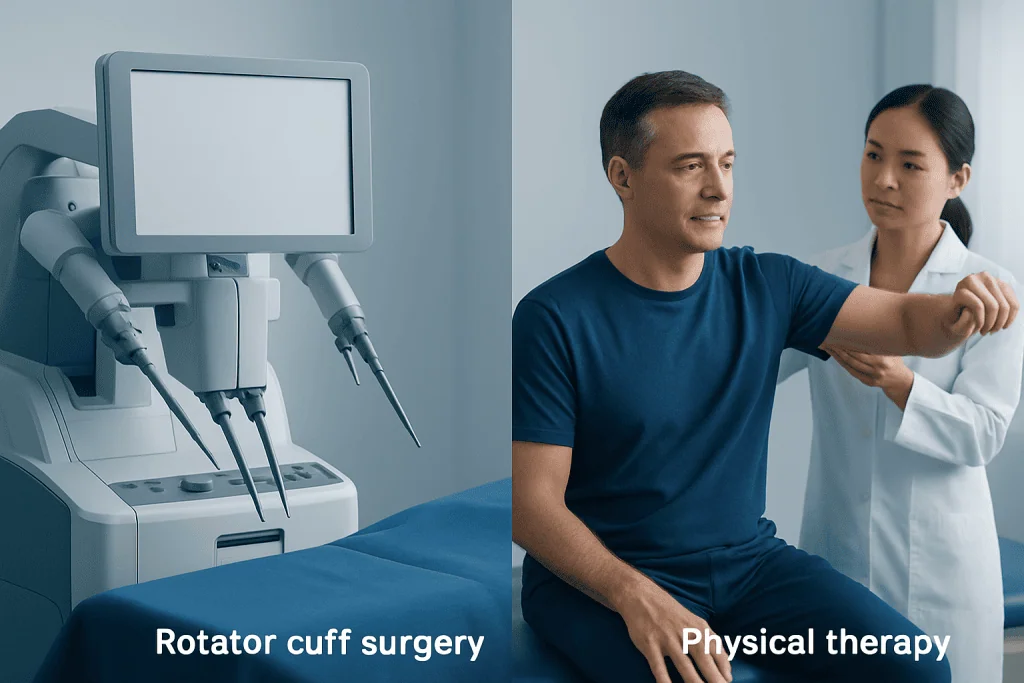
Rotator cuff surgery and physical therapy are both important treatment options for shoulder pain and rotator cuff tears. The best choice depends on the type of injury, the severity of symptoms, daily activity needs, and how well the shoulder responds to non-surgical care.
Overview: Why the Decision Is Not the Same for Everyone
The rotator cuff is a group of muscles and tendons that helps stabilize the shoulder and allows lifting, reaching, and rotating the arm. Rotator cuff problems range from irritation and tendinitis to partial tears and full-thickness tears. Because these conditions vary so much, treatment decisions are rarely one-size-fits-all.
When comparing rotator cuff surgery vs physical therapy, doctors usually look beyond the scan itself. They consider how much pain the person has, whether there is loss of strength, how the injury happened, and how the shoulder problem affects sleep, work, sports, and daily tasks. A small tear on imaging may cause major limitations in one person and only mild symptoms in another.
In many cases, physical therapy is the first step, especially for gradual-onset pain, overuse injuries, tendon irritation, or some partial tears. Surgery may be considered sooner when there is a sudden injury, a larger tear, significant weakness, or failure to improve with conservative treatment. The goal is to match treatment to the individual rather than to a scan result alone.
Symptoms and Signs That Shape Treatment Choices
Rotator cuff problems often cause pain on the outer part of the shoulder or upper arm, especially when lifting the arm overhead, reaching behind the back, or lying on the affected side. Some people notice stiffness, clicking, or pain at night. Others mainly feel weakness, such as difficulty lifting groceries, placing objects on a shelf, or controlling the arm during movement.
The pattern of symptoms can offer clues about which treatment path may be more appropriate. Pain without major weakness may respond well to a structured rehabilitation plan. In contrast, sudden weakness after an injury, inability to raise the arm, or a noticeable drop in function can suggest a more significant tear that may need surgical evaluation.
Doctors also ask how long symptoms have been present and whether they are worsening. For example, long-standing shoulder discomfort that slowly developed over time often reflects degenerative tendon changes and may improve with non-surgical care. A fall, heavy lifting injury, or sports trauma followed by immediate pain and weakness may make surgery more likely to be discussed earlier.
What Influences the Choice Between Physical Therapy and Surgery?

Several factors guide treatment decisions. Tear size and depth matter, but so do age, activity level, dominant arm involvement, work demands, and overall health. A younger or highly active person with a traumatic full-thickness tear may be advised to consider repair sooner. An older adult with a small degenerative tear and manageable symptoms may do very well with rehabilitation.
Doctors also consider the difference between pain and true loss of function. If shoulder movement is painful but strength can improve as inflammation settles, physical therapy may be very effective. If there is persistent weakness caused by a tendon that is no longer functioning normally, surgery may offer a better chance of restoring mechanics, especially when treatment is not delayed too long.
Other important considerations include how long the tear has been present and whether the tendon has retracted or the muscle has developed fatty degeneration over time. These changes can affect how repairable a tear is and how well surgery may work. This is one reason early evaluation is helpful when symptoms begin after a clear injury.
- Physical therapy is often favored first for tendon irritation, impingement, many partial tears, and some degenerative full-thickness tears with preserved function.
- Surgery is more often considered for acute traumatic tears, larger tears, clear weakness, failed conservative care, or goals that require strong overhead shoulder function.
- Shared decision-making matters because treatment should align with the person’s symptoms, lifestyle, and expectations.
How Rotator Cuff Problems Are Diagnosed
Diagnosis starts with a careful medical history and physical examination. The doctor will ask when the pain began, whether there was an injury, which movements trigger symptoms, and whether there is night pain or weakness. During the exam, shoulder range of motion, strength, tenderness, and special maneuvers are assessed to identify which tendon may be involved.
Imaging may be used to confirm the problem and rule out other causes of shoulder pain. X-rays can show arthritis, bone spurs, or other structural issues. Ultrasound and MRI are commonly used to look at the rotator cuff tendons and determine whether there is inflammation, a partial tear, or a full-thickness tear.
Imaging is valuable, but it does not automatically decide treatment. Some people have tears visible on MRI yet have little pain or disability, while others have intense symptoms with less dramatic imaging findings. The final decision usually comes from combining the scan results with clinical findings and the person’s goals. In some cases, the issue overlaps with other shoulder conditions such as shoulder impingement syndrome or frozen shoulder, which can influence the treatment plan.
When Physical Therapy Is the First-Line Treatment
Physical therapy is often the starting point because many rotator cuff conditions improve without surgery. A therapist typically works on pain reduction, restoring movement, improving posture and shoulder blade control, and gradually strengthening the rotator cuff and surrounding muscles. This can reduce strain on the injured tendon and help the shoulder move more efficiently.
Non-surgical treatment may also include temporary activity modification, ice or heat, and pain-relieving medication when appropriate and recommended by a doctor. In selected cases, an injection may be considered to reduce inflammation and allow better participation in therapy. The main aim is not only to reduce pain but also to rebuild function so the person can return to daily life with confidence.
Improvement usually takes time. Some people begin feeling better within a few weeks, while others need several months of consistent rehabilitation. Physical therapy is often most successful when the person follows a home exercise program and avoids repeatedly aggravating movements during recovery. For patients exploring broader physical therapy and rehabilitation options, a structured plan can be central to long-term shoulder health.
When Surgery May Be Recommended
Surgery may be recommended when the tendon is significantly torn, symptoms remain limiting after a well-guided course of conservative treatment, or there is notable weakness and loss of function. Acute tears after a fall or other trauma are a common reason to seek early orthopedic assessment. For some individuals, especially those who rely heavily on overhead arm use for work or sports, waiting too long can reduce repair options.
Most rotator cuff repairs today are performed arthroscopically through small incisions, although the exact technique depends on the tear pattern and shoulder anatomy. The goal is to reattach the torn tendon to bone and, when needed, address related issues such as inflammation or bony impingement. Patients may encounter terms such as arthroscopy or orthopedic surgery during their treatment discussions.
Surgery is not automatically the better option, and it does not offer instant recovery. Healing takes time because the tendon must biologically reattach and strengthen. After surgery, the shoulder is usually protected in a sling for a period, followed by a phased rehabilitation program. For many people, the best surgical outcomes come when the indication is clear and the rehabilitation plan is followed carefully.
Recovery, Self-Care, and When to Seek Medical Advice
Recovery expectations differ between treatment options. With physical therapy alone, many people can continue daily activities in a modified way while gradually rebuilding strength and movement. After surgery, recovery is usually longer and more structured, often involving several months of rehabilitation before higher-level activities can resume. Patience is important in either pathway.
Self-care measures can support healing regardless of the treatment chosen. These include avoiding repeated overhead strain, using proper lifting technique, maintaining good posture, and doing prescribed exercises consistently. Returning too quickly to heavy activity can delay progress, whether a person is recovering from therapy-based treatment or surgery.
A doctor should evaluate shoulder pain that follows a clear injury, does not improve, causes persistent night pain, or is associated with significant weakness or inability to raise the arm. Prompt medical advice is also important if symptoms are worsening or if routine tasks become difficult. Near the end of the care journey, some patients may seek coordinated evaluation from centers such as Acibadem International, where multidisciplinary specialists in JCI-accredited hospitals diagnose and treat shoulder conditions for international patients.
In short, the question of rotator cuff surgery vs physical therapy is best answered through a personalized evaluation. The right treatment is the one that safely addresses pain, restores function, and fits the person’s health needs and goals.
Frequently asked questions
Can a rotator cuff tear heal without surgery?
Some rotator cuff tears, especially partial or degenerative tears, can be managed successfully without surgery. Symptoms may improve with physical therapy, activity changes, and pain control even if the tendon itself does not fully regrow. The main goal is to restore comfortable function.
How long should physical therapy be tried before considering surgery?
This depends on the type of tear, the severity of symptoms, and whether the injury was sudden or gradual. For many non-traumatic cases, doctors may recommend several weeks to a few months of structured therapy before revisiting the decision. Traumatic tears with clear weakness may need earlier surgical assessment.
Is surgery always needed for a full-thickness rotator cuff tear?
Not always. Some full-thickness tears can still be managed non-surgically if pain is controllable and shoulder function remains acceptable. However, surgery may be more strongly considered for larger tears, progressive weakness, or patients with higher physical demands.
What is the main benefit of physical therapy for rotator cuff problems?
Physical therapy helps improve movement, shoulder mechanics, and muscle support around the joint. This can reduce pain and improve function without an operation. It also helps patients recover more safely if surgery is eventually needed.
How long does recovery take after rotator cuff surgery?
Recovery usually takes several months and often includes sling use followed by supervised rehabilitation. Light daily activities may return earlier, but strength and full function take longer to rebuild. Exact timing depends on the size of the tear, the repair, and adherence to therapy.
What symptoms suggest a person should see a doctor soon?
Medical evaluation is important after a fall or sudden injury, especially if there is marked weakness or difficulty lifting the arm. Ongoing night pain, worsening symptoms, or trouble with routine tasks are also good reasons to seek care. Early assessment can help preserve treatment options.
References
- American Academy of Orthopaedic Surgeons
- National Institute of Arthritis and Musculoskeletal and Skin Diseases
- American Shoulder and Elbow Surgeons
- Mayo Clinic
- National Health Service
This article is for general information only and is not a substitute for professional medical advice. Please consult a qualified doctor about your individual situation.
Rotator Cuff in Turkey — costs, top hospitals & a free quote
JCI-accredited · board-certified surgeons · reply within 24h
Add us as a Preferred Source to see more of our trusted health content across Google Search, AI Overviews and Discover.