Round Ligament — Explained by Medical Evidence, Not Myths

The round ligament helps support the uterus and commonly stretches during pregnancy. Round ligament pain is usually sharp, brief, and triggered by sudden movement.
Key Takeaways
- The round ligament helps support the uterus and commonly stretches during pregnancy.
- Round ligament pain is usually sharp, brief, and triggered by sudden movement.
- Although often harmless, abdominal or pelvic pain in pregnancy can have other causes and should not be self-diagnosed if symptoms are concerning.
- Gentle movement, posture changes, and rest may help ease mild discomfort.
- Medical care is important if pain is severe, ongoing, or linked with bleeding, fever, dizziness, or contractions.
The round ligament is a normal support structure of the uterus, and discomfort in this area is most often linked to stretching during pregnancy. In most cases, round ligament pain is brief and harmless, but persistent, severe, or unusual pain should be assessed to rule out other causes.
Overview: what the round ligament is and why it matters
The round ligament is a band of connective tissue that helps support the uterus inside the pelvis. There is one on each side, and as the uterus grows, especially during pregnancy, these ligaments stretch and thicken. This normal change can lead to discomfort commonly called round ligament pain.
For many people, the term is used to describe a short, sharp, or pulling pain in the lower abdomen, groin, or hip area during pregnancy. It often happens with quick movements such as standing up, rolling over in bed, coughing, laughing, or changing position. Although this symptom is usually not dangerous, it is important to remember that not all abdominal pain in pregnancy is caused by the round ligament.
A medical-evidence approach is helpful because myths can be misleading. Round ligament pain is not a sign that the uterus is “falling,” that the baby is in danger, or that exercise is always unsafe. Instead, it is usually a mechanical stretching pain related to normal body changes. The key is to recognize the typical pattern while knowing when symptoms deserve medical evaluation.
Where the round ligament is located
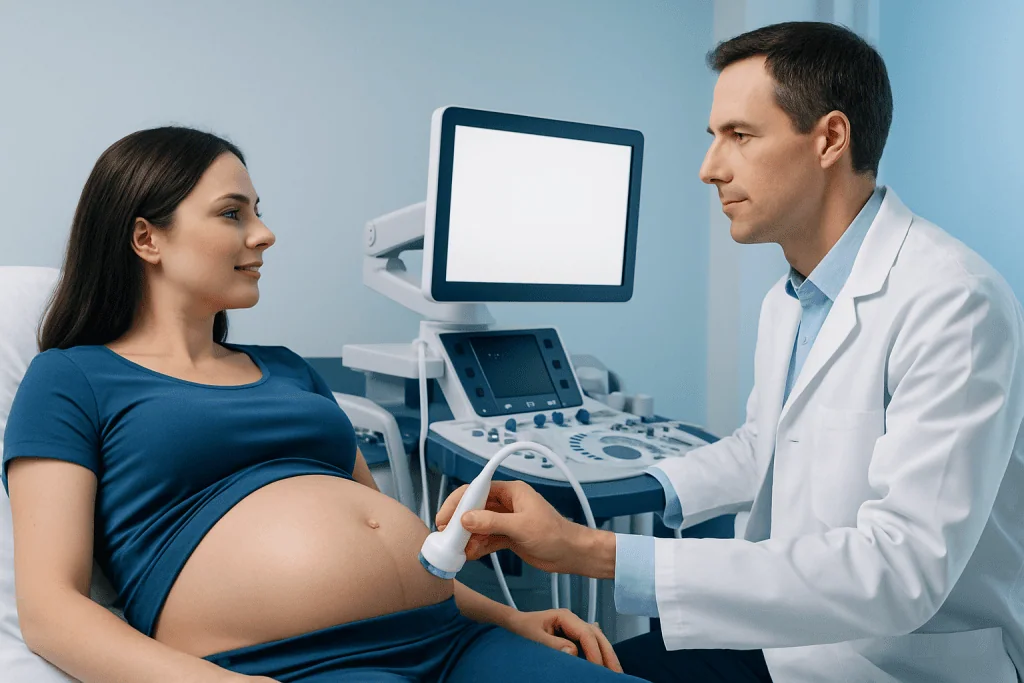
The round ligaments begin near the upper sides of the uterus and travel through the pelvis toward the groin. Because of this path, pain may be felt low in the belly, on one or both sides, or even into the groin and upper thigh. Some people notice it more on the right side, although either side can be affected.
The discomfort is most common in the second trimester, when the uterus grows rapidly and starts to rise out of the pelvis. However, it can occur at different points in pregnancy and may vary from person to person. Mild pulling sensations can also happen outside pregnancy in some gynecologic situations, but when people refer to round ligament pain, they are usually describing a pregnancy-related symptom.
Understanding this anatomy helps explain why the symptom can feel sudden and localized. Unlike pain caused by stomach or bowel problems, round ligament discomfort often tracks with motion and body position rather than meals or digestion. If pelvic symptoms are difficult to distinguish, a doctor may also assess for other conditions such as ovarian cysts or other causes of pelvic pain.
Common symptoms and how round ligament pain feels
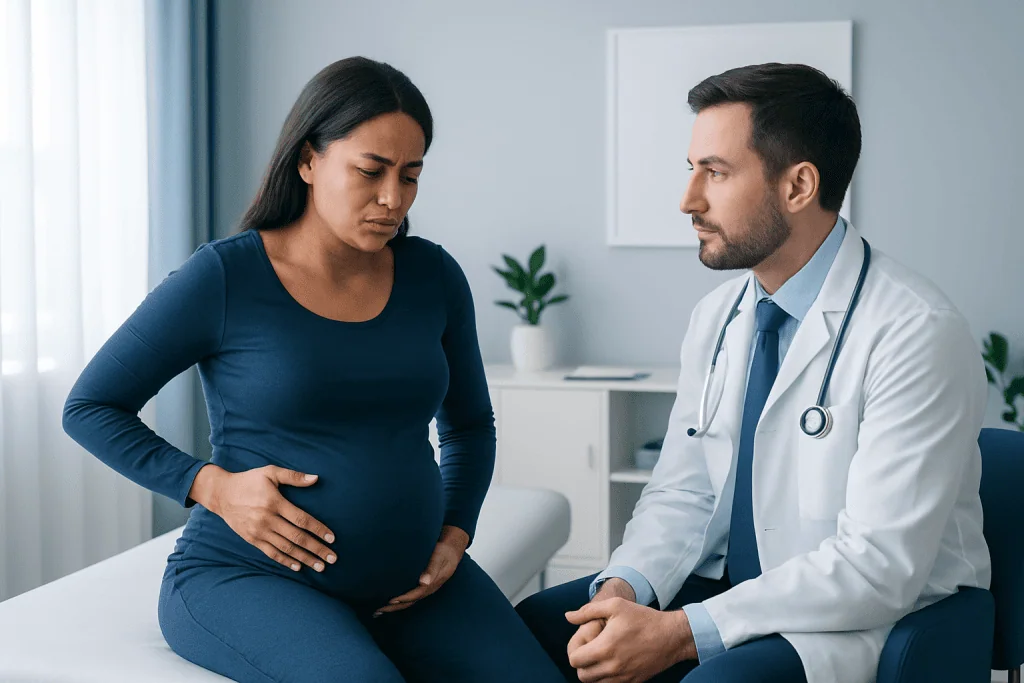
Typical round ligament pain is brief, sharp, stabbing, pulling, or aching. It often lasts seconds to minutes rather than hours. Many people describe it as a sudden jolt when they stand up quickly, cough, sneeze, laugh, exercise, or turn in bed.
The pain is usually felt in the lower abdomen or pelvis and may radiate toward the groin. It can occur on one side or both sides. Some people have a dull ache after activity, while others notice only short bursts of discomfort during movement.
Symptoms that fit the usual pattern often include:
- Short-lived pain triggered by sudden movement
- A pulling sensation on the side of the uterus
- Discomfort that improves with rest or changing position
- No fever, heavy bleeding, or ongoing worsening symptoms
It is still important not to assume every lower abdominal pain in pregnancy is benign. Cramping, persistent pain, contractions, or pain accompanied by urinary symptoms, vomiting, or vaginal bleeding may point to another issue and should be evaluated by a qualified clinician.
Causes, risk factors, and common myths
The main cause of round ligament pain is stretching of the ligaments as the uterus enlarges. Hormonal changes in pregnancy can also affect connective tissues, making them more flexible and sometimes more sensitive to strain. Sudden changes in posture place quick tension on the ligament, which is why the pain often appears suddenly and disappears once the movement stops.
Factors that may make symptoms more noticeable include rapid uterine growth, previous pregnancies, increased activity, prolonged standing, or movements that strain the abdominal muscles. Individual anatomy and pain sensitivity can also influence how strongly the discomfort is felt.
Several myths deserve correction. Round ligament pain does not mean a person has done something wrong, and it is not usually caused by lifting a light object, walking normally, or sleeping in the wrong position. It also does not automatically indicate miscarriage, labor, or a problem with the baby. At the same time, severe pain should never be dismissed simply as “just round ligament pain” without proper medical judgment.
Because other conditions can overlap with these symptoms, doctors sometimes consider possibilities such as urinary tract issues, gastrointestinal causes, muscle strain, or gynecologic conditions including endometriosis in nonpregnant patients with chronic pelvic pain.
How doctors diagnose round ligament pain
Round ligament pain is usually a clinical diagnosis, meaning it is recognized from the patient’s symptoms, timing, and physical examination rather than a single specific test. A doctor will ask where the pain is located, what triggers it, how long it lasts, and whether there are warning signs such as bleeding, fever, contractions, dizziness, or reduced fetal movement.
The examination may include checking the abdomen, pelvis, and vital signs. Depending on the stage of pregnancy and the symptoms, the doctor may also listen to the fetal heartbeat or monitor uterine activity. If another cause is possible, additional tests may be recommended to make sure nothing more serious is being missed.
Diagnostic tools can include urine testing, blood tests, and ultrasound imaging to assess the pregnancy and nearby pelvic organs. When pain is unusual, severe, or not clearly related to movement, evaluation may focus on ruling out appendicitis, urinary problems, preterm labor, placental concerns, or other abdominal and pelvic disorders. The goal is not to overmedicalize a common symptom, but to evaluate it safely and appropriately.
Treatment options and ways to relieve discomfort
Treatment for round ligament pain is usually conservative. Because the symptom is most often due to normal stretching, care focuses on reducing strain and improving comfort. Resting, moving more slowly, and avoiding sudden twists or quick position changes often help.
Simple self-care measures may include:
- Changing position gradually when standing or turning in bed
- Supporting the abdomen during coughing or sneezing
- Taking short rest breaks during activity
- Doing gentle stretching approved by a clinician
- Using supportive clothing or a maternity support band if recommended
Warmth may be soothing for some patients, but any heat use in pregnancy should be modest and discussed with a healthcare professional. Pain relief medicines should only be used according to medical advice during pregnancy. If pain is persistent, a doctor may evaluate whether pelvic floor support, physical therapy, or another treatment plan is appropriate.
When symptoms overlap with broader pelvic conditions, treatment may sometimes involve input from specialists in gynecology care. For patients who need more detailed assessment of the uterus, ovaries, or pregnancy-related pelvic structures, obstetrics and gynecology evaluation may be part of the care pathway.
Prevention, self-care, and when to seek medical care
Round ligament pain cannot always be prevented, but some habits may reduce episodes. Good posture, regular gentle activity, and avoiding abrupt movements can limit sudden tension on the ligaments. Many people find it helpful to bend at the knees before standing, roll to one side before getting out of bed, and pause when coughing or sneezing so they can support the abdomen.
Hydration, adequate rest, and pacing daily activities may also help overall comfort during pregnancy. Prenatal exercise should be individualized, and any new routine is best discussed with a doctor or midwife. If a support garment is used, it should fit correctly and not feel restrictive.
Medical care should be sought promptly if pain is severe, persistent, or different from the usual brief, movement-related pattern. It is especially important to contact a healthcare professional if there is vaginal bleeding, fever, fainting, painful urination, vomiting, regular tightening of the uterus, fluid leakage, or concern about fetal movement. These symptoms are not typical of simple round ligament pain and may require urgent assessment.
For international patients who need assessment of pregnancy-related pelvic pain, Acibadem International’s multidisciplinary specialists in JCI-accredited hospitals provide diagnosis and treatment based on the individual clinical picture.
Frequently asked questions
What is the round ligament?
The round ligament is a normal supportive structure attached to the uterus. During pregnancy, it stretches as the uterus grows, which can sometimes cause brief pain or a pulling sensation.
Is round ligament pain normal in pregnancy?
Yes, round ligament pain is commonly considered a normal pregnancy symptom, especially in the second trimester. It is usually short-lived and linked to sudden movement, but any severe or unusual pain should still be checked by a doctor.
Where is round ligament pain usually felt?
It is often felt in the lower abdomen, pelvis, or groin, sometimes more on one side than the other. The pain may also seem to travel toward the hip or upper thigh because of the ligament’s course through the pelvis.
How can someone tell if it is round ligament pain or something else?
Round ligament pain is usually brief, sharp, and triggered by changing position, coughing, or sudden movement. Pain that is constant, worsening, or accompanied by bleeding, fever, contractions, urinary symptoms, or dizziness needs medical evaluation because another cause may be responsible.
How can round ligament pain be relieved at home?
Many people improve by resting, changing positions slowly, and avoiding abrupt twisting or stretching. Gentle clinician-approved stretching and supportive garments may help, but medicines in pregnancy should only be used after medical advice.
Can round ligament pain harm the baby?
Typical round ligament pain itself does not usually harm the baby. It is generally a result of normal uterine growth, although any concerning symptoms should be discussed with a healthcare professional to confirm that no other problem is present.
This article is for general information only and is not a substitute for professional medical advice. Please consult a qualified doctor about your individual situation.
Joint and spine care in Turkey — expert assessment & treatment
JCI-accredited · board-certified surgeons · reply within 24h
Add us as a Preferred Source to see more of our trusted health content across Google Search, AI Overviews and Discover.

More from the Health Library

Yoni Steam: A Complete Medical Overview

Zaitoon Oil for Hair — Explained by Medical Evidence, Not Myths

Immunohistochemistry — Explained by Medical Evidence, Not Myths

Clammy Skin: A Complete Medical Overview

Emergency ward in hospital: A Complete Medical Guide for Patients

Heaving: An Evidence-Based Guide for Patients
Physical Medicine & Rehabilitation Specialists at Acibadem

Dr. Ceyhun Başoğlu
Physical Medicine & Rehabilitation
Çiğdem Ünver
Physical Medicine & Rehabilitation
Prof. Dr. Cihan Aksoy
Physical Medicine & Rehabilitation
Fzt. Cihan Seyyah
Physical Medicine & Rehabilitation