

Round Ligament Pain: Possible Causes and When to Seek Care

Round ligament pain most often happens during pregnancy as the uterus grows and supporting ligaments stretch. It commonly feels like a short, sharp pain or a pulling ache in the lower abdomen, pelvis, or groin, often with movement.
Key Takeaways
- Round ligament pain most often happens during pregnancy as the uterus grows and supporting ligaments stretch.
- It commonly feels like a short, sharp pain or a pulling ache in the lower abdomen, pelvis, or groin, often with movement.
- Rest, changing position slowly, gentle support, and avoiding sudden movements can help reduce discomfort.
- Pain with bleeding, fever, contractions, dizziness, burning urination, or ongoing one-sided pain needs medical assessment.
- Round ligament pain is usually harmless, but it should be distinguished from other causes of abdominal pain in pregnancy.
Round ligament pain is a common cause of brief, sharp, or aching pain in the lower abdomen or groin during pregnancy, especially in the second trimester. It is usually related to normal stretching of the ligaments that support the uterus, but persistent, severe, or unusual pain should be checked by a doctor.
Overview
Round ligament pain is one of the more common reasons for lower abdominal or groin discomfort during pregnancy. It usually happens because the round ligaments, which help support the uterus, stretch and tighten as the uterus becomes larger. For many people, the pain is brief, position-related, and not a sign of harm to the pregnancy.
The discomfort is often described as sharp, stabbing, pulling, or aching. It may be felt on one or both sides of the lower abdomen, and sometimes it travels toward the groin or upper thigh. It often appears with sudden movement, such as standing up quickly, rolling over in bed, coughing, sneezing, or exercising.
Although round ligament pain is usually considered a normal pregnancy symptom, abdominal pain should never be dismissed automatically. Pregnancy can also bring other conditions that may need prompt care. Understanding the typical pattern of round ligament pain can help a pregnant person know when simple self-care may be enough and when medical advice is more appropriate.
What the round ligaments do
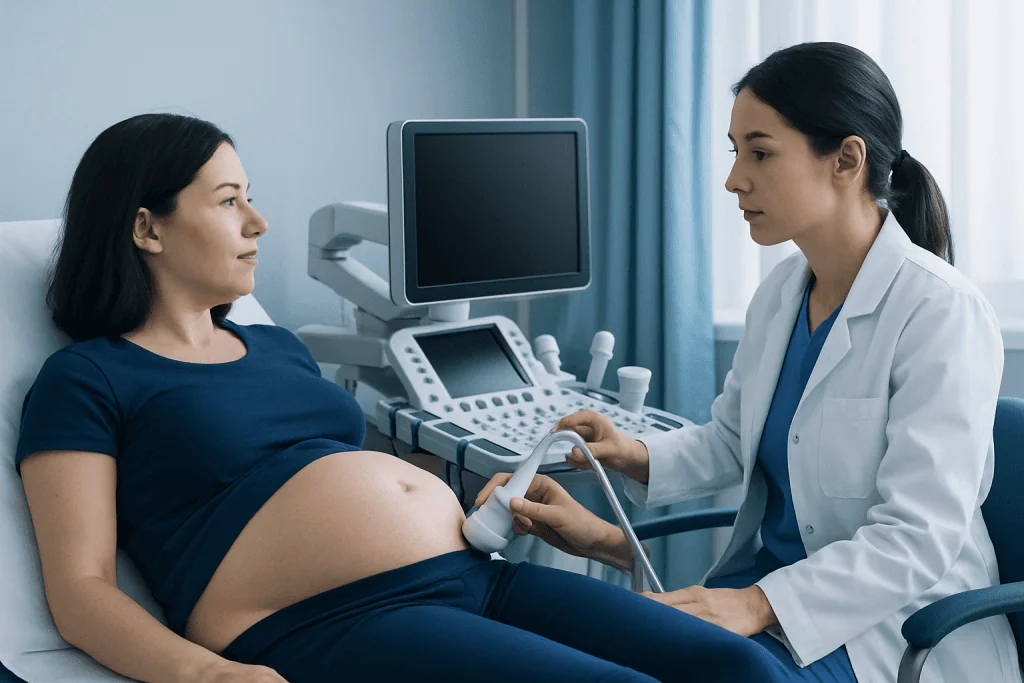
The round ligaments are bands of connective tissue that extend from the uterus into the pelvis and toward the groin. Their role is to help stabilize and support the uterus. As pregnancy progresses, these ligaments lengthen and become more stretched because the uterus grows upward and outward.
Like other ligaments in the body, they can react to sudden tension. Quick changes in movement may make the ligaments tighten briefly, which can cause a sharp pain. Ongoing stretching may also create a duller ache after activity or at the end of the day.
This symptom is most common in the second trimester, though some people notice it earlier or later in pregnancy. It can be more noticeable after walking, changing position, or being active for long periods. The feeling can be uncomfortable, but in its typical form it does not usually indicate a problem with the baby or the uterus.
Symptoms and how it usually feels

Round ligament pain often has a recognizable pattern. It tends to come on suddenly, last from a few seconds to a few minutes, and improve with rest or a change in position. The pain may be on the right side more often than the left, although either side can be affected.
Common descriptions include a pulling sensation, a stabbing pain, a cramp-like twinge, or an ache in the lower belly or groin. Some people feel discomfort deep in the pelvis, especially when turning in bed, getting up from a chair, climbing stairs, or coughing. Others notice soreness after a longer walk or a physically active day.
- Brief sharp pain in the lower abdomen
- Aching or pulling in the pelvis or groin
- Discomfort triggered by movement
- Pain that eases with rest
- Symptoms without fever, bleeding, or urinary burning
Symptoms can overlap with other pregnancy-related discomforts, including pelvic girdle pain, muscle strain, constipation, or Braxton Hicks contractions. Because of this, a doctor may ask detailed questions about timing, triggers, and associated symptoms to help tell the difference.
Possible causes and risk factors
The main cause of round ligament pain is mechanical stretching. As the uterus expands during pregnancy, the ligaments that support it are pulled more tightly. Sudden movement can make them contract or tense abruptly, producing a short but noticeable pain.
Hormonal changes in pregnancy may also affect connective tissues and joint stability, which can make the pelvis and supporting structures feel more sensitive. Physical activity, repeated bending, coughing, sneezing, and fast positional changes are common triggers. A growing uterus in later pregnancy may place even more tension on these tissues during routine daily movements.
Several factors may make this symptom more likely or more noticeable:
- Second trimester or later pregnancy
- Rapid changes in body position
- Walking, exercise, or prolonged standing
- Multiple pregnancy or greater uterine enlargement
- Prior sensitivity to pelvic or abdominal strain
Not every lower abdominal pain in pregnancy is round ligament pain. Other possible causes include digestive issues, urinary tract infection, ovarian problems, uterine contractions, or pregnancy-related complications. This is why severe, persistent, or unusual pain deserves clinical evaluation rather than self-diagnosis.
How doctors evaluate abdominal pain in pregnancy
Diagnosis of round ligament pain is mainly clinical, meaning it is based on the pattern of symptoms and a physical assessment. A doctor will usually ask when the pain started, where it is located, what brings it on, how long it lasts, and whether there are associated symptoms such as bleeding, fever, contractions, nausea, or urinary discomfort.
The examination may include checking the abdomen for tenderness, assessing the uterus, and reviewing pregnancy progress. If symptoms are clearly typical and no warning signs are present, additional testing may not be needed. The goal is often to confirm that the pain fits a common benign pattern and to rule out more serious causes.
If the symptoms are not typical, further evaluation may be recommended. Depending on the situation, this can include urine tests, blood tests, fetal assessment, or ultrasound imaging to look at the uterus, placenta, ovaries, and baby. Imaging may be especially helpful when pain is persistent, one-sided, or accompanied by other concerning features.
Doctors may also consider other conditions that can cause pelvic or abdominal pain, such as ovarian cysts, urinary infection, appendicitis, or preterm labor. A careful assessment is the safest way to decide whether symptoms are due to ligament stretching or another condition requiring treatment.
Treatment options and ways to relieve discomfort
Round ligament pain usually does not require medical procedures or specific medication. Treatment focuses on symptom relief and practical adjustments that reduce strain on the ligaments. Many people find that changing position slowly and pausing before standing can help prevent sudden twinges.
Simple self-care measures are often useful. Resting on the side, gently flexing the hips before coughing or sneezing, avoiding abrupt twisting, and using supportive maternity clothing may reduce symptoms. Light stretching or pregnancy-appropriate movement may also help some people, as long as it has been approved by their healthcare team.
- Move slowly when standing, sitting, or turning in bed
- Rest when pain starts
- Use a pregnancy support belt if advised
- Avoid overexertion and sudden twisting motions
- Stay hydrated and follow routine prenatal care
If pain is more frequent or affects mobility, a doctor may look for other musculoskeletal causes and suggest supervised exercise, physical therapy, or evaluation by specialists in physical therapy and rehabilitation. Any medicine in pregnancy should only be taken on a clinician’s advice, since not all pain relievers are appropriate at every stage of pregnancy.
When to seek medical care
Round ligament pain is usually brief and linked to movement. Medical care is important if the pain is severe, does not improve with rest, keeps returning in a worrying pattern, or feels different from typical short-lived stretching pain. Persistent one-sided pain should also be checked, especially if it is getting worse.
Urgent assessment is recommended if abdominal pain occurs with vaginal bleeding, fluid leakage, fever, chills, painful urination, vomiting, faintness, reduced fetal movement later in pregnancy, or rhythmic tightening that may suggest contractions. These symptoms may point to a different problem and should not be assumed to be ligament-related.
It is also sensible to contact a doctor if there is uncertainty about what is causing the pain. Pregnancy symptoms can overlap, and reassurance after a proper assessment can be valuable. In some cases, clinicians may evaluate for conditions such as ectopic pregnancy early in pregnancy or other obstetric and gynecologic causes of pain depending on timing and symptoms.
For international patients who need evaluation during pregnancy, Acibadem International’s multidisciplinary specialists and JCI-accredited hospitals diagnose and treat pregnancy-related symptoms, with access to services such as obstetrics and gynecology when appropriate.
Prevention and everyday self-care
Round ligament pain cannot always be prevented, because it is tied to normal body changes in pregnancy. Still, small daily habits may reduce how often it happens or how intense it feels. The main aim is to lower sudden strain on the abdomen and pelvis.
Helpful strategies include planning extra time for movement, using good posture, and avoiding sudden directional changes. Supportive footwear and short rest breaks during the day may also ease pressure on the lower body. Some people benefit from sleeping with a pillow between the knees or under the abdomen for support.
Regular prenatal care remains important because it helps track both normal symptoms and possible complications. If pain patterns change, become stronger, or begin occurring with new symptoms, it is best to update the healthcare team rather than assume it is still the same issue.
A calm, practical approach is often most helpful. In many pregnancies, round ligament pain is a temporary discomfort that improves with body awareness, support, and simple adjustments. When symptoms fall outside the usual pattern, timely medical advice helps keep care safe and individualized.
Frequently asked questions
What is round ligament pain?
Round ligament pain is a common pregnancy-related discomfort caused by stretching of the ligaments that support the uterus. It usually feels like a brief sharp pain or a pulling ache in the lower abdomen, pelvis, or groin.
When does round ligament pain usually start?
It most often begins in the second trimester, when the uterus is growing more quickly. However, some people notice it earlier or later depending on body changes, activity level, and pregnancy progression.
Is round ligament pain dangerous for the baby?
Typical round ligament pain is usually not harmful and is considered a normal part of many pregnancies. Even so, abdominal pain should be discussed with a clinician if it is severe, persistent, or accompanied by other symptoms.
How can someone relieve round ligament pain at home?
Moving more slowly, resting when pain begins, and avoiding sudden twisting or stretching often help. Some pregnant people also benefit from supportive garments, posture changes, and gentle clinician-approved exercise.
How is round ligament pain different from contractions?
Round ligament pain is usually brief, triggered by movement, and felt as a sharp or pulling sensation. Contractions tend to come in a more regular pattern, may cause tightening of the uterus, and can become stronger or closer together over time.
When should a pregnant person call a doctor about this pain?
A doctor should be contacted if the pain is severe, ongoing, or not clearly related to movement. Medical care is especially important if there is bleeding, fever, painful urination, dizziness, fluid leakage, or signs of contractions.
This article is for general information only and is not a substitute for professional medical advice. Please consult a qualified doctor about your individual situation.
Joint and spine care in Turkey — expert assessment & treatment
JCI-accredited · board-certified surgeons · reply within 24h
Add us as a Preferred Source to see more of our trusted health content across Google Search, AI Overviews and Discover.

More from the Health Library

Does Shingles Make You Tired? A Doctor-Reviewed Answer

Chest Hurts Headache Explained: Common Triggers and Red Flags

Does Vinegar Disinfect? Causes, Explanations, and Next Steps

What Do Lions Eat? Causes, Explanations, and Next Steps

How to Get Shorter? A Doctor-Reviewed Answer

Menopause Symptoms vs Thyroid Problems: How Doctors Tell the Difference
Orthopedic Surgery & Traumatology Specialists at Acibadem

Prof. Dr. Cihangir Tetik
Orthopedic Surgery & Traumatology
Dr. Coşkun Akalın
Physical Medicine & Rehabilitation
Fzt. A.Sercan Soyarslan
Physical Medicine & Rehabilitation
Dr. Abdullah Yener İnce
Orthopedic Surgery & Traumatology