

Sensitive Teeth: Causes and Ways to Reduce Pain

Sensitive teeth usually occur when dentin, the inner layer of the tooth, becomes exposed or irritated. Common causes include gum recession, enamel wear, tooth decay, cracked teeth, worn fillings and aggressive brushing.
Key Takeaways
- Sensitive teeth usually occur when dentin, the inner layer of the tooth, becomes exposed or irritated.
- Common causes include gum recession, enamel wear, tooth decay, cracked teeth, worn fillings and aggressive brushing.
- Desensitizing toothpaste, fluoride treatments and changes in brushing technique can help many people.
- Persistent, worsening or one-sided sensitivity should be checked by a dentist to rule out decay, infection or cracks.
- Preventive dental care, gentle brushing and limiting acidic foods and drinks can reduce the risk of recurring sensitivity.
Sensitive teeth are a common dental concern that can cause brief, sharp discomfort when teeth are exposed to cold, heat, sweets, acids or brushing. Most cases can be improved with the right oral care habits, professional dental assessment and targeted treatment of the underlying cause.
Overview
Sensitive teeth, also called dentin hypersensitivity, describe a short, sharp pain or discomfort triggered by everyday activities such as drinking cold water, eating ice cream, sipping hot tea, breathing in cold air or brushing the teeth. The sensation may affect one tooth, several teeth or the whole mouth. It often comes and goes, but it should not be ignored if it is persistent or worsening.
Tooth sensitivity usually happens when the protective outer layers of the tooth or gums no longer fully shield the sensitive inner structures. The enamel covers the crown of the tooth, while the gums help protect the tooth roots. Under these protective layers is dentin, a softer tissue that contains tiny channels leading toward the nerve area of the tooth. When dentin is exposed, temperature changes or certain foods can stimulate the nerve and cause pain.
The good news is that many causes of sensitive teeth are manageable. A dentist can identify whether the sensitivity is due to enamel wear, gum recession, decay, a cracked tooth, a dental restoration or another problem. Treatment may involve simple home-care changes, protective dental products, repair of a damaged tooth or treatment for gum disease.
Common Symptoms of Sensitive Teeth
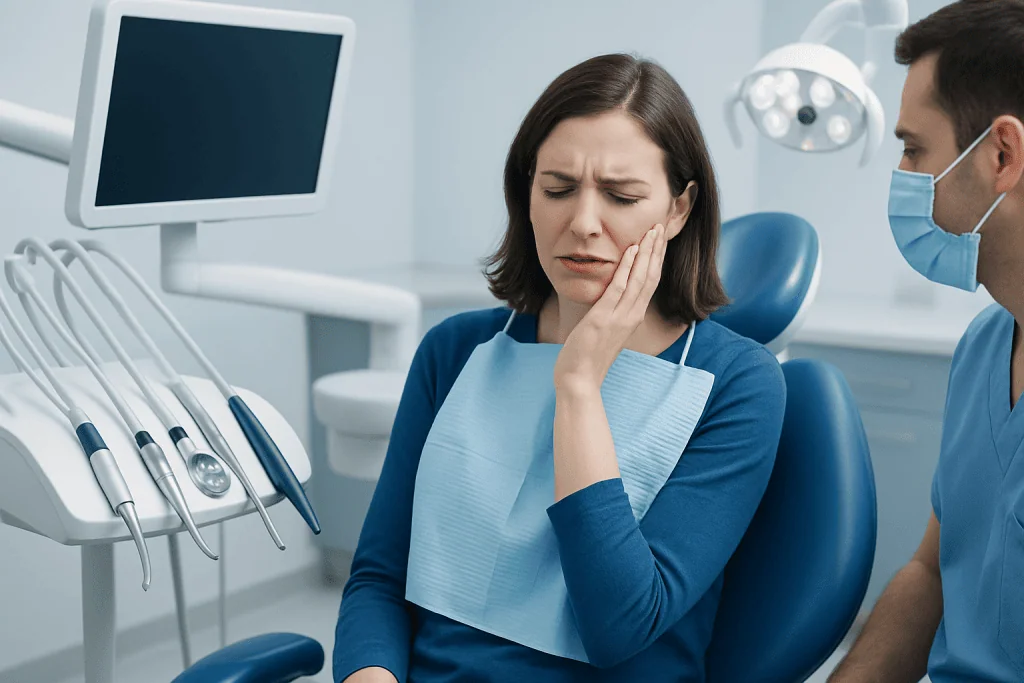
The typical symptom of tooth sensitivity is a brief, sudden pain that appears in response to a trigger and then fades. The pain is often described as sharp, zinging or electric-like. It may be mild and occasional, or it may interfere with eating, drinking and oral hygiene.
Common triggers include cold drinks, hot foods, sweet foods, acidic foods, toothbrushing, flossing, mouth rinses containing alcohol, whitening products and cold air. Some people notice symptoms mainly near the gumline, where tooth roots may be exposed. Others may feel discomfort after dental cleaning, whitening or a recent filling; this type of sensitivity is often temporary but should still be monitored.
Sensitivity is different from a constant toothache. A lingering ache, throbbing pain, swelling, pain on biting, fever, pus or a bad taste may suggest a deeper dental problem such as decay, infection or a cracked tooth. These symptoms need prompt dental assessment rather than home treatment alone.
Causes and Risk Factors
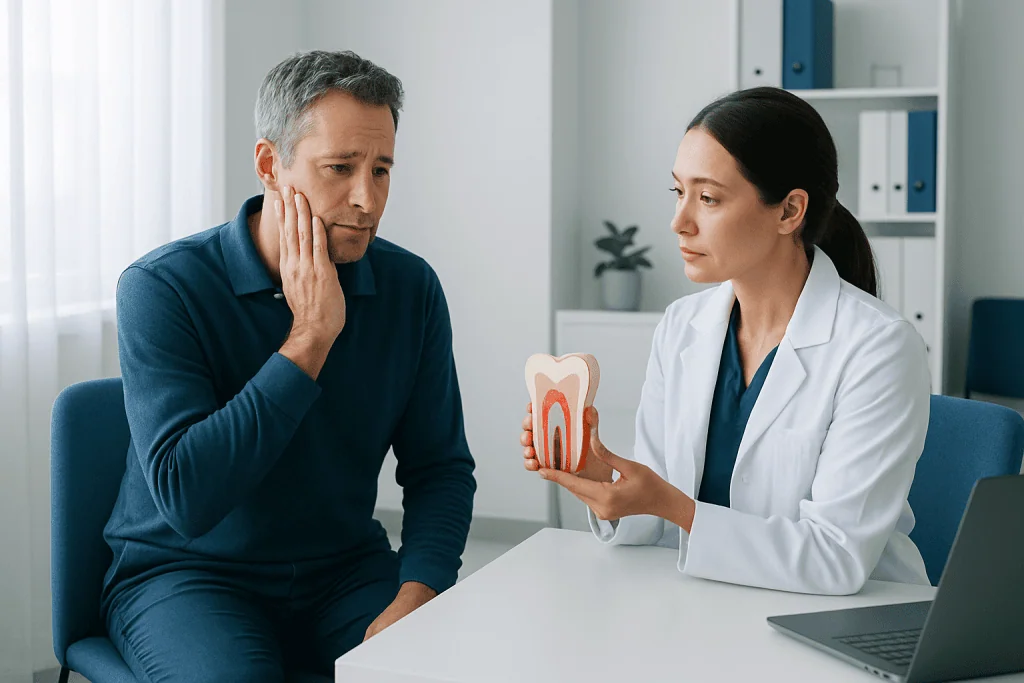
The most common reason for sensitive teeth is exposed dentin. This can occur when enamel becomes thin or damaged, or when gums recede and reveal the tooth root. Tooth roots do not have the same hard enamel covering as the crown, so they are more vulnerable to sensitivity.
Several everyday habits and dental conditions can contribute to sensitivity. Brushing too hard, using a hard-bristled toothbrush or scrubbing side to side may wear away enamel and push the gums back over time. Frequent acidic foods and drinks, such as citrus fruits, fizzy drinks, sports drinks and vinegar-based foods, can soften enamel. Tooth grinding or clenching can also wear tooth surfaces and create tiny cracks.
- Gum recession or gum disease: Exposed roots are a frequent source of sensitivity, especially near the gumline.
- Tooth decay: Cavities can cause sensitivity to cold, sweets or pressure.
- Cracked or chipped teeth: Small fractures may allow stimuli to reach the nerve area.
- Worn fillings or dental work: Old restorations may leak, loosen or expose dentin.
- Whitening products: Some people develop temporary sensitivity during or after tooth whitening.
- Recent dental treatment: Cleanings, fillings, crowns or deep gum treatments can cause short-term sensitivity while tissues settle.
Risk may be higher in people with gum disease, a history of cavities, dry mouth, reflux, frequent vomiting, high intake of acidic drinks, teeth grinding or inconsistent dental check-ups. Identifying the cause is important because sensitivity may improve only when the underlying factor is addressed.
How Dentists Diagnose Tooth Sensitivity
A dental evaluation begins with a careful discussion of symptoms. The dentist may ask which teeth are sensitive, what triggers the pain, how long the discomfort lasts, whether there is pain on biting and whether there have been recent changes in oral care, diet or dental treatment. These details help distinguish dentin hypersensitivity from other causes of tooth pain.
The dentist will examine the teeth, gums and existing fillings or crowns. They may look for gum recession, enamel erosion, cavities, cracks, plaque buildup, bite problems and signs of grinding. A gentle air or cold test may be used to identify the sensitive area. Dental X-rays may be recommended if decay, infection, bone loss or problems around a root are suspected.
Diagnosis is important because different problems can feel similar. For example, sensitivity from gum recession may improve with desensitizing toothpaste, while a cavity needs restorative treatment. Pain that lingers after cold exposure or occurs spontaneously may indicate inflammation of the tooth nerve and requires a different approach.
Treatment Options to Reduce Pain
Treatment for sensitive teeth depends on the cause and severity. For mild dentin hypersensitivity, a dentist may recommend a desensitizing toothpaste. These products contain ingredients that help block the tiny dentin channels or reduce nerve response. They usually need regular use for several weeks before the full benefit is felt.
Professional fluoride applications, varnishes, gels or bonding agents may be used to strengthen enamel and protect exposed dentin. If gum recession is the main issue, the dentist may suggest improved cleaning technique, periodontal care or, in selected cases, a gum graft procedure. If a cavity, cracked tooth or worn filling is found, treatment may include a filling, crown or other restoration.
When sensitivity is linked to tooth grinding, a custom night guard may help protect the teeth from further wear. If acidic erosion is contributing, the dentist may recommend dietary changes and strategies to reduce acid exposure. Sensitivity after whitening may be managed by pausing treatment, using products designed for sensitive teeth or choosing a professionally supervised whitening plan.
In more complex cases, such as deep decay or nerve inflammation, root canal treatment may be considered to remove the source of pain and preserve the tooth. This is not needed for most sensitive teeth, but it can be an effective option when the inner nerve tissue is irreversibly affected.
Prevention and Self-Care at Home
Good daily habits can reduce sensitivity and help prevent it from returning. Brushing twice a day with a soft-bristled toothbrush is usually recommended. The toothbrush should be moved gently in small circles rather than scrubbed forcefully. A fluoride toothpaste can help strengthen enamel, and a desensitizing toothpaste may be useful for people with recurring sensitivity.
It is also helpful to limit frequent acid exposure. Acidic drinks should be consumed with meals when possible rather than sipped throughout the day. Rinsing the mouth with water after acidic foods or drinks can help, but brushing should usually be delayed for about 30 minutes after acid exposure because enamel may be temporarily softened.
- Use a soft toothbrush and avoid aggressive brushing.
- Choose fluoride toothpaste; consider desensitizing toothpaste if advised.
- Floss or use interdental cleaners daily to reduce plaque around the gumline.
- Limit frequent fizzy, citrus or sports drinks.
- Do not use tooth whitening products more often than directed.
- Ask a dentist about a night guard if clenching or grinding is suspected.
People with dry mouth should discuss it with a dentist or doctor, as saliva helps protect enamel and neutralize acids. Regular dental check-ups and professional cleanings help detect early enamel wear, gum disease and decay before sensitivity becomes more difficult to manage.
When to See a Dentist
A dental appointment is recommended if sensitivity lasts more than a few days, affects one specific tooth, becomes more frequent, or interferes with eating, drinking or brushing. Professional assessment is especially important if the pain is severe, lingers after the trigger is removed, occurs without a clear trigger or is associated with swelling, bleeding gums, a loose tooth, a cracked tooth or pain when biting.
People should also seek dental advice before assuming sensitivity is harmless. Early cavities, gum disease, worn fillings and small cracks may cause symptoms similar to dentin hypersensitivity. Treating these problems early can protect the tooth and prevent more extensive treatment later.
For international patients, Acibadem International provides access to multidisciplinary dental and medical specialists in JCI-accredited hospitals for diagnosis and treatment planning. As with any dental concern, the most appropriate care depends on an individual examination by a qualified dentist.
Frequently asked questions
Why do teeth suddenly become sensitive?
Teeth may become suddenly sensitive when dentin is exposed, enamel is worn, gums recede or a tooth develops decay or a crack. Recent dental cleaning, whitening or a new filling can also cause temporary sensitivity. If the discomfort is new, persistent or limited to one tooth, a dentist should check the cause.
Can sensitive teeth go away on their own?
Mild sensitivity after dental treatment or whitening may improve on its own within a short time. However, sensitivity caused by gum recession, enamel erosion, cavities or cracks usually needs changes in oral care or dental treatment. It is best to seek advice if symptoms continue or worsen.
What toothpaste is best for sensitive teeth?
Many people benefit from a desensitizing toothpaste that contains ingredients designed to block dentin channels or reduce nerve response. A fluoride toothpaste is also important for enamel strength. The best choice depends on the cause of sensitivity, so a dentist can recommend an appropriate product.
Does brushing harder help sensitive teeth?
No. Brushing harder can make sensitivity worse by wearing enamel and contributing to gum recession. A soft-bristled toothbrush and gentle technique are usually better for cleaning effectively while protecting the teeth and gums.
Are cold drinks bad for sensitive teeth?
Cold drinks are a common trigger, but they are not always the underlying cause. If cold sensitivity is brief and affects several teeth, dentin hypersensitivity may be involved. If pain is intense, lasts a long time or affects one tooth, a dentist should evaluate for decay, cracks or nerve inflammation.
Can gum recession be reversed?
Gum tissue that has receded usually does not grow back on its own. However, proper brushing technique, gum care and treatment of gum disease can help prevent further recession. In selected cases, a dentist or periodontist may discuss surgical options such as gum grafting.
References
- American Dental Association
- FDI World Dental Federation
- National Institute of Dental and Craniofacial Research
- European Federation of Periodontology
- Mayo Clinic
This article is for general information only and is not a substitute for professional medical advice. Please consult a qualified doctor about your individual situation.
Explore treatments in Turkey — costs, top hospitals & a free quote
JCI-accredited · board-certified surgeons · reply within 24h
Add us as a Preferred Source to see more of our trusted health content across Google Search, AI Overviews and Discover.

Dental & Oral Health
Full-scope dental care from implants and aesthetics to oral and maxillofacial surgery.
158 specialists in this unitRelated Treatments
More from the Health Library



Related Specialists

Assoc. Prof. Dr. Ferit Bayram
Oral & Dental Health
Dt. Alara Naz Kenir
Oral & Dental Health
Dt. Gonca Katmer
Oral & Dental HealthDt. Doğa Baysal
Oral & Dental Health