Septoplasty: Benefits, Risks, and Recovery — A Complete Guide

Septoplasty treats symptoms caused by a deviated nasal septum, especially ongoing nasal blockage. The procedure works by reshaping or repositioning cartilage and bone inside the nose.
Key Takeaways
- Septoplasty treats symptoms caused by a deviated nasal septum, especially ongoing nasal blockage.
- The procedure works by reshaping or repositioning cartilage and bone inside the nose.
- Recovery is usually gradual over a few weeks, with swelling improving before final healing is complete.
- Benefits can include easier breathing, better sleep quality, and fewer sinus-related problems in some patients.
- Like any surgery, septoplasty has risks such as bleeding, infection, or persistent symptoms.
- An ENT specialist can confirm whether symptoms are due to a deviated septum or another nasal condition.
Septoplasty is an operation that straightens the wall between the nostrils when it is bent enough to cause symptoms. It can improve nasal breathing, reduce blockage, and support better sleep and sinus function when medicines and other measures are not enough.
Overview: what septoplasty is and who it helps
Septoplasty is a surgical procedure that straightens the nasal septum, the thin wall of cartilage and bone that divides the nose into right and left passages. When the septum is noticeably off-center, it is called a deviated septum. Some people are born with this difference, while others develop it after growth changes or an injury.
The goal of septoplasty is not to change the outside appearance of the nose. Instead, it is performed to improve how the nose works. By creating a more open nasal airway, septoplasty can help people who have chronic blockage on one or both sides, mouth breathing, disturbed sleep, recurrent sinus irritation, or difficulty exercising comfortably.
Not every deviated septum needs surgery. Many people have mild septal deviation without symptoms. Septoplasty is usually considered when symptoms are bothersome, persistent, and clearly linked to the septum after a medical evaluation. In some cases, it may be combined with other nasal procedures if there are additional problems such as enlarged turbinates or chronic sinus disease.
Because nasal obstruction can also be caused by allergies, nasal polyps, sinus inflammation, or structural narrowing, an ENT specialist will first determine whether a deviated septum is the main issue. This helps make sure surgery is appropriate and that expectations for improvement are realistic.
Symptoms and situations that may lead to septoplasty
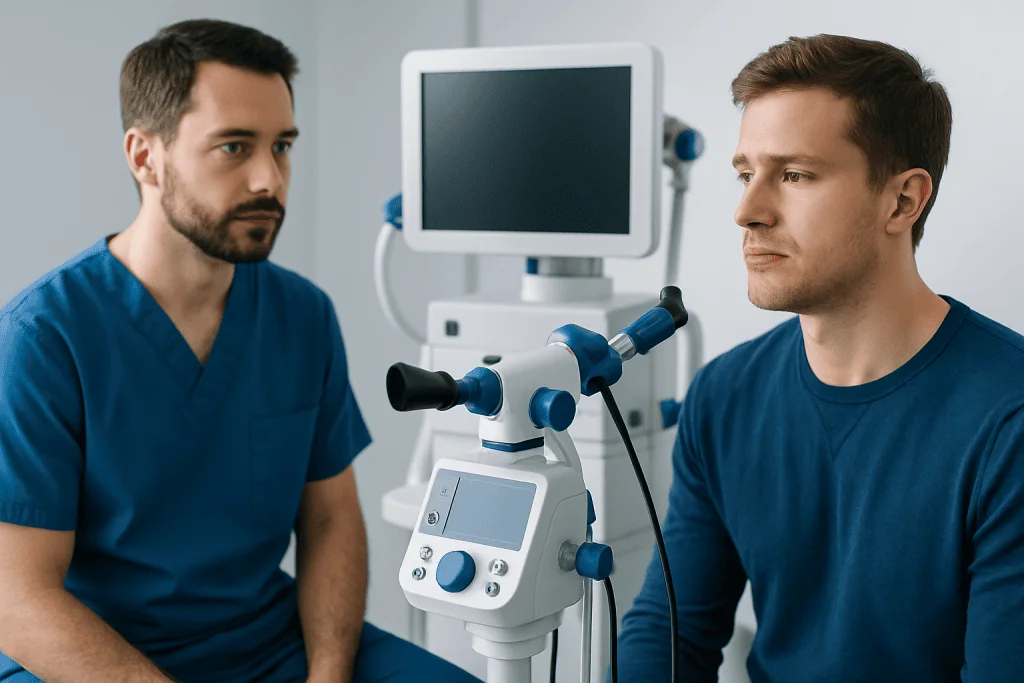
The most common reason for septoplasty is difficulty breathing through the nose. Many patients describe one side as always blocked, while others notice symptoms that shift from side to side depending on swelling, body position, or a cold. Nasal obstruction may be more obvious at night and can interfere with restful sleep.
Other symptoms can include frequent nasal congestion, a sense of pressure, recurrent nosebleeds from dryness or irritation, noisy breathing during sleep, and a need to breathe through the mouth. Some people also experience repeated sinus infections because poor airflow and drainage can contribute to ongoing inflammation. If sinus problems are present, an evaluation may also explore related conditions such as sinusitis.
Septoplasty may also be considered when a septal deviation makes it harder to manage other nasal conditions. For example, a severely bent septum can limit access for medical treatment or endoscopic procedures. It can also worsen symptoms in people who already have allergies or chronic swelling inside the nose.
A doctor will usually ask how long symptoms have been present, whether they are getting worse, and what treatments have already been tried. This history matters because some breathing problems respond well to medication, while others are mainly structural and more likely to improve with surgery.
Causes, candidacy, and how doctors decide if surgery is right

A deviated septum can be present from birth or can develop after trauma, even trauma that seemed minor at the time. During growth, the cartilage and bone of the nose may also develop unevenly. The degree of deviation seen on examination does not always match the level of symptoms, which is why the decision to operate is based on both anatomy and day-to-day impact.
Good candidates for septoplasty are usually people with ongoing nasal blockage that has not improved enough with non-surgical care. This may include saline rinses, allergy treatment, nasal steroid sprays, or other medicines recommended by a physician. Surgery is generally considered when symptoms continue to affect sleep, comfort, exercise, or quality of life despite these measures.
Doctors also look for conditions that might need separate or combined treatment. A person may have a deviated septum along with enlarged turbinates, chronic rhinitis, or nasal polyps. In some cases, correcting the septum alone is enough; in others, the best result comes from addressing more than one cause of blockage during the same treatment plan.
During consultation, the ENT specialist will discuss medical history, previous nasal injury or surgery, current medications, bleeding risks, and expectations. If a person is hoping to change the nose’s outer shape as well as improve breathing, the surgeon may explain whether combined functional and cosmetic planning is appropriate.
How septoplasty works: evaluation and step-by-step procedure
Septoplasty begins with a careful diagnosis. The doctor examines the inside of the nose, often using a lighted speculum or a small endoscope, to see where the septum bends and whether there is additional swelling or blockage. This assessment helps identify whether ENT evaluation and treatment is the most suitable next step and whether any other procedures should be considered at the same time.
On the day of surgery, septoplasty is usually performed under local anesthesia with sedation or under general anesthesia, depending on the case and the surgical plan. The procedure is done through the nostrils, so there is usually no visible external scar. The surgeon lifts the lining over the septum, reshapes, repositions, or removes the portions of cartilage and bone causing obstruction, and then places the lining back into position.
The exact steps vary from person to person. Some patients need only limited adjustment of cartilage, while others require correction of both cartilage and bone deeper inside the nose. If enlarged turbinates are contributing to obstruction, the surgeon may treat them during the same operation. When ongoing sinus disease is also present, septoplasty may sometimes be combined with endoscopic sinus surgery if medically appropriate.
At the end of the procedure, the surgeon may place soft splints or light packing inside the nose to support healing, though not every patient needs this. Septoplasty is often done as day surgery, meaning many patients go home the same day after a period of observation.
Benefits, limits, and possible risks of septoplasty
The main benefit of septoplasty is improved airflow through the nose. Patients may notice easier breathing, less dependence on mouth breathing, better comfort during exercise, and improved sleep quality. Some people also have fewer sinus flare-ups or reduced snoring related to nasal blockage, although septoplasty does not treat every cause of snoring or sleep-disordered breathing.
Another benefit is that septoplasty can make other treatments work better. A more open nasal passage may improve access for sprays, rinses, and follow-up care. In some patients, straightening the septum also helps if future nasal surgery such as rhinoplasty is being considered for functional or structural reasons.
It is important to understand the limits of the procedure. Septoplasty corrects a structural problem inside the nose, but it does not cure allergies, viral colds, or all forms of chronic nasal inflammation. If symptoms are partly caused by swelling, those issues may still need medical treatment after surgery.
As with any operation, there are risks. These can include bleeding, infection, pain, temporary numbness, crusting, persistent blockage, a hole in the septum called a perforation, changes in smell, or the need for revision surgery if symptoms remain. Rarely, there may be changes in the shape or support of the nose. A qualified surgeon discusses these possibilities before treatment so patients can make an informed decision.
Recovery timeline and self-care after septoplasty
Recovery after septoplasty is usually gradual rather than immediate. In the first few days, it is common to have nasal stuffiness, mild oozing, and a feeling of pressure. Breathing may not seem better right away because internal swelling is part of the normal healing process. If splints are used, patients often feel a clear improvement once they are removed.
Most people can return to light daily activities within several days, though this depends on the individual and the extent of surgery. Strenuous exercise, heavy lifting, bending, and anything that increases pressure in the nose are usually limited for a period recommended by the surgeon. Gentle rest, keeping the head elevated, and using prescribed saline care can support healing.
A typical recovery timeline includes the first week focused on controlling swelling and keeping the nose clean and moist. Over the next few weeks, breathing often improves as swelling settles. Full internal healing can take longer, and the final result may not be obvious until the tissues have completely recovered.
Patients should follow all postoperative instructions closely. This may include avoiding nose blowing for a time, not smoking, taking medicines exactly as prescribed, and attending follow-up visits. If a person also has ongoing sinus concerns, the care plan may include continued monitoring through sinusitis treatment or related ENT follow-up.
When to seek medical care
Medical care should be sought if nasal blockage is persistent, affects sleep, causes repeated mouth breathing, or does not improve with standard treatments. A professional evaluation is especially important when symptoms follow a nose injury or are associated with frequent sinus infections, repeated nosebleeds, or a noticeable difference in airflow between the two sides.
After septoplasty, patients should contact their doctor promptly if they have heavy bleeding, fever, worsening pain not controlled as advised, increasing swelling, a foul odor from the nose, or trouble breathing that feels severe or sudden. These symptoms do not always mean a serious problem, but they should be assessed without delay.
Anyone with significant snoring, pauses in breathing during sleep, or daytime exhaustion should also discuss these symptoms with a doctor. Nasal surgery may help some people, but sleep-related breathing problems can have more than one cause and may need separate testing and treatment.
For people seeking specialist assessment, Acibadem International’s multidisciplinary specialists in JCI-accredited hospitals diagnose and treat nasal breathing disorders, including septal deviation, for international patients.
Frequently asked questions
Is septoplasty the same as rhinoplasty?
No. Septoplasty is designed to improve breathing by straightening the septum inside the nose, while rhinoplasty mainly changes the outer shape of the nose. In some cases, both procedures can be planned together when there are functional and cosmetic goals.
How painful is septoplasty recovery?
Most people describe recovery as more uncomfortable than severely painful. A feeling of stuffiness, pressure, and tenderness is common in the first days, and symptoms usually improve with routine postoperative care and medicines recommended by the surgeon.
How long does it take to breathe better after septoplasty?
Breathing is not always better immediately because swelling can temporarily block the nose after surgery. Many patients notice improvement over the first few weeks, with more complete healing taking longer.
Can a deviated septum come back after surgery?
Septoplasty aims to provide lasting correction, but no surgery can guarantee perfect long-term results. Persistent or recurring symptoms can happen if healing changes the internal tissues, if there is new trauma, or if other nasal problems such as allergies continue to cause obstruction.
Will septoplasty stop snoring?
It can help if snoring is mainly related to nasal blockage from a deviated septum. However, snoring often has multiple causes, including throat anatomy, weight, and sleep apnea, so septoplasty is not a universal cure.
Is septoplasty an outpatient procedure?
In many cases, yes. Septoplasty is commonly performed as day surgery, and patients go home after recovery monitoring. Some situations may require different planning depending on the person’s health and the extent of surgery.
References
- American Academy of Otolaryngology–Head and Neck Surgery
- National Institute on Deafness and Other Communication Disorders
- Mayo Clinic
- Merck Manual
- National Health Service
This article is for general information only and is not a substitute for professional medical advice. Please consult a qualified doctor about your individual situation.
Septoplasty in Turkey — costs, top hospitals & a free quote
JCI-accredited · board-certified surgeons · reply within 24h
Add us as a Preferred Source to see more of our trusted health content across Google Search, AI Overviews and Discover.

Otorhinolaryngology (ENT)
Care for ear, nose, throat and head-and-neck conditions, including hearing and balance disorders.
126 specialists in this unit