Septoplasty: Candidates, Procedure Steps, and Recovery After Deviated Septum Surgery

Septoplasty straightens the internal nasal septum to improve airflow, but it does not primarily change the outside appearance of the nose. Good candidates usually have persistent nasal obstruction, sleep-related breathing concerns, recurrent sinus problems, or difficulty using nasal treatments because of a deviated septum.
Key Takeaways
- Septoplasty straightens the internal nasal septum to improve airflow, but it does not primarily change the outside appearance of the nose.
- Good candidates usually have persistent nasal obstruction, sleep-related breathing concerns, recurrent sinus problems, or difficulty using nasal treatments because of a deviated septum.
- The procedure is typically performed through incisions inside the nose, so visible external scarring is not expected in standard septoplasty.
- Most patients need several days of rest, careful nasal care, and follow-up visits while swelling gradually improves.
- A qualified ear, nose and throat specialist can confirm whether symptoms are due to septal deviation or another nasal condition.
Septoplasty is an operation to correct a deviated nasal septum when it causes ongoing nasal blockage, breathing difficulty, or related symptoms. Understanding who may benefit, what happens during surgery, and how recovery usually progresses can help patients prepare with confidence.
Overview
Septoplasty is a surgical procedure used to straighten or reposition the nasal septum, the wall of cartilage and bone that divides the inside of the nose into two passages. When the septum is significantly off-center, it is called a deviated septum. Many people have some degree of deviation, but surgery is considered when it contributes to troublesome symptoms such as chronic nasal blockage or difficulty breathing through one side of the nose.
The goal of septoplasty is to improve the internal nasal airway. It is different from rhinoplasty, which changes the external shape of the nose for cosmetic or functional reasons. In some patients, septoplasty may be combined with other nasal procedures, such as turbinate reduction or sinus surgery, if the ear, nose and throat specialist finds additional causes of obstruction.
Septoplasty is usually planned after a detailed examination, discussion of symptoms, and review of non-surgical options. It is not an emergency operation for most patients. The best results come from matching the procedure to the right diagnosis and setting realistic expectations about improvement, healing time, and follow-up care.
Who May Be a Candidate for Septoplasty
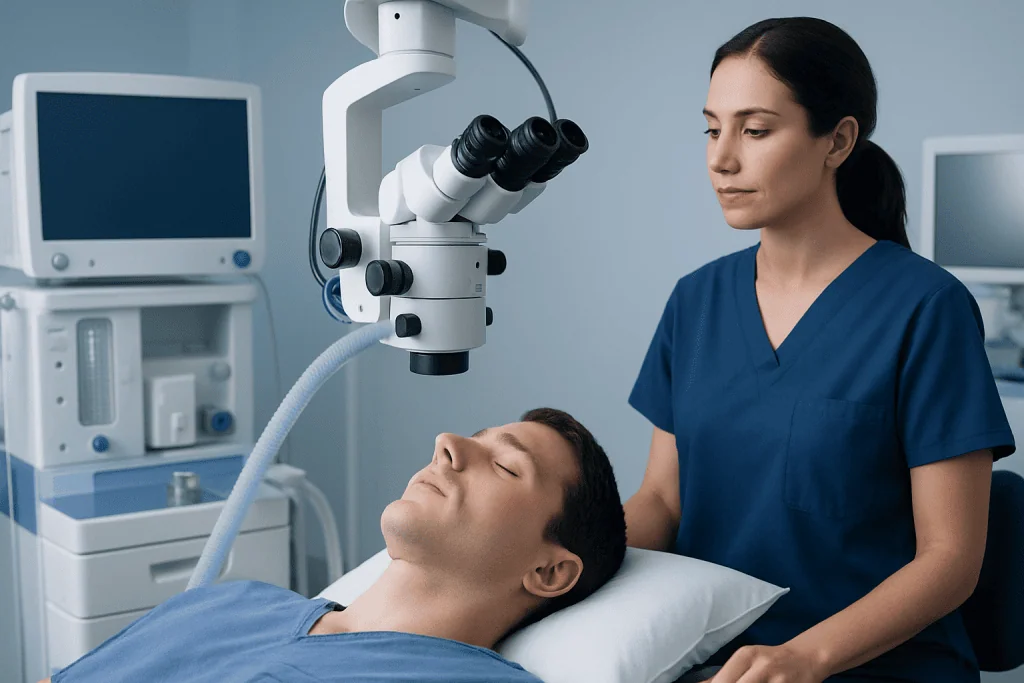
A person may be considered for septoplasty when a deviated septum is causing persistent symptoms that do not respond well enough to appropriate medical treatment. Common reasons include chronic nasal obstruction, breathing difficulty during exercise or sleep, frequent mouth breathing, or feeling that one nostril is consistently blocked. Some people also notice that nasal sprays or rinses do not reach one side of the nose effectively because the septum blocks airflow.
Septoplasty may also be discussed when septal deviation contributes to recurrent sinus infections, nosebleeds caused by abnormal airflow and dryness, or problems using continuous positive airway pressure devices for sleep apnea. It may be part of a broader treatment plan, because nasal blockage can have several causes at the same time, including enlarged turbinates, allergies, nasal polyps, or chronic sinus inflammation.
Good candidates are generally healthy enough for anesthesia and able to follow post-operative care instructions. Surgery may be delayed if there is an active infection, poorly controlled medical condition, or a need to stop certain medicines safely before the operation. In children and adolescents, timing is considered carefully because the nose and facial bones may still be growing.
Symptoms of a Deviated Septum

A deviated septum does not always cause symptoms. When it does, the most common complaint is reduced airflow through one or both sides of the nose. The blockage may be constant or may change with position, allergies, colds, or the normal nasal cycle, in which each side of the nose naturally alternates in congestion throughout the day.
Patients may describe sleep disturbance, snoring, dry mouth on waking, reduced ability to smell, facial pressure, or a tendency to breathe through the mouth. Some people have repeated crusting or bleeding on the narrower side of the nose because turbulent airflow dries the nasal lining. Symptoms can overlap with allergic rhinitis, chronic sinusitis, and other ENT conditions, so examination is important before deciding that septal surgery is the right solution.
Warning signs such as a new one-sided blockage, repeated unexplained bleeding, severe facial pain, or a visible mass inside the nose should be assessed promptly. These symptoms are not typical of an uncomplicated deviated septum and need medical evaluation to rule out other causes.
Diagnosis and Pre-Operative Assessment
Diagnosis begins with a medical history and physical examination by an ENT specialist. The doctor asks about the pattern of obstruction, allergies, sinus infections, previous nasal injury, prior surgery, sleep symptoms, medicines, and smoking. A careful internal nasal examination can show whether the septum is deviated, whether the turbinates are enlarged, and whether inflammation, polyps, or other findings are present.
Nasal endoscopy may be used to see deeper areas of the nose and the openings of the sinuses. This is usually performed in the clinic with a thin camera and may involve a topical anesthetic spray. Imaging such as a CT scan is not required for every patient, but it may be recommended if chronic sinusitis, nasal polyps, facial trauma, or complex anatomy is suspected.
Before surgery, patients are given instructions about eating and drinking, medicines, and what to expect on the day of the operation. The doctor should be told about blood thinners, aspirin or anti-inflammatory medicines, supplements, allergies, bleeding problems, pregnancy, and past anesthesia reactions. Clear communication helps the surgical team plan safely and helps the patient prepare for recovery at home.
Procedure Steps: What Happens During Septoplasty
Septoplasty is commonly performed under general anesthesia, although local anesthesia with sedation may be appropriate in selected cases. The surgeon usually works through the nostrils, making an incision inside the nose. Because the incision is internal, standard septoplasty typically does not leave a visible scar on the outside of the nose.
The mucosal lining that covers the septum is gently lifted to expose the underlying cartilage and bone. The surgeon then straightens, repositions, trims, or removes selected deviated portions while preserving enough supportive structure for the nose. The lining is placed back into position, and dissolvable stitches may be used. Soft internal splints or silicone sheets may be placed temporarily to support healing and reduce the chance of internal scar tissue.
If other problems contribute to obstruction, additional procedures may be performed at the same time. These can include turbinate reduction, removal of nasal polyps, or functional sinus surgery when clinically indicated. The exact surgical plan should be discussed in advance, including the expected benefits, limitations, and whether the procedure is intended only to improve breathing or also to address external nasal shape.
After surgery, patients are monitored as the anesthesia wears off. Some go home the same day, while others may need observation depending on the procedure, medical history, and local practice. A responsible adult is usually needed to take the patient home and stay nearby during the first night.
Septoplasty Recovery and Aftercare
Recovery varies, but many patients rest at home for several days and avoid strenuous activity for a short period as advised by their surgeon. Nasal stuffiness, mild pressure, small amounts of blood-tinged drainage, and crusting are common early in healing. Breathing may not feel improved immediately because internal swelling and splints can temporarily block airflow.
Follow-up visits are important. The ENT team may remove splints, clean crusts, and check that the septum is healing in the correct position. Saline sprays or rinses are often recommended after the surgeon says they are safe to use. Patients should avoid blowing the nose forcefully at first, heavy lifting, bending with the head down, and contact sports until cleared by the doctor.
Helpful recovery habits include sleeping with the head slightly elevated, taking prescribed medicines as directed, staying well hydrated, and avoiding smoke or dusty environments. If sneezing occurs, it is usually better to sneeze with the mouth open to reduce pressure in the nose. Glasses, masks, or anything pressing on the nose should be used according to the surgeon’s guidance, especially if additional nasal procedures were performed.
Most swelling improves gradually, and nasal airflow often continues to settle over weeks. Full internal healing can take longer than the visible recovery period. Patients should contact their care team if they are unsure whether a symptom is expected, because early advice can prevent small issues from becoming more uncomfortable.
Risks, Prevention, and When to See a Doctor
Septoplasty is a commonly performed ENT procedure, but like all surgery it has possible risks. These may include bleeding, infection, temporary numbness of the upper teeth or nose, persistent blockage, a change in smell, septal perforation, scar tissue inside the nose, or the need for revision surgery. Serious complications are uncommon, and the surgeon will explain risks based on the patient’s anatomy and health.
Not every blocked nose requires surgery. Managing allergies, avoiding tobacco smoke, using saline irrigation, treating sinus inflammation, and following medical therapy may reduce symptoms in some patients. However, a structural deviation that significantly narrows the airway may not fully improve with medicines alone, which is why an ENT assessment is useful when symptoms are long-lasting.
A doctor should be consulted if nasal blockage affects sleep, exercise, quality of life, or the ability to use prescribed nasal treatments. Prompt medical advice is also appropriate for heavy bleeding, fever, worsening pain, foul-smelling discharge, vision changes, severe headache, or swelling around the eyes after surgery. For international patients, Acibadem International’s multidisciplinary specialists and JCI-accredited hospitals can diagnose and treat nasal airway conditions, including septal deviation, as part of coordinated ENT care.
Frequently asked questions
Is septoplasty the same as rhinoplasty?
No. Septoplasty focuses on straightening the internal nasal septum to improve breathing. Rhinoplasty changes the external shape of the nose, although the two procedures can sometimes be combined when both function and appearance need to be addressed.
Will septoplasty change the way the nose looks?
Standard septoplasty is performed inside the nose and is not intended to change the outer appearance. Most patients do not notice a cosmetic difference. If the deviation is severe or if external nasal support is involved, the surgeon will discuss whether additional reconstructive or rhinoplasty techniques are needed.
How painful is septoplasty recovery?
Many patients describe the early recovery more as congestion, pressure, or soreness rather than severe pain. Discomfort is usually managed with medicines recommended by the surgeon. Pain that suddenly worsens or is associated with fever, heavy bleeding, or swelling should be reported promptly.
How long does it take to breathe better after septoplasty?
Some patients notice improvement after splints are removed and swelling begins to decrease. For others, airflow improves gradually over several weeks as crusting and internal swelling settle. The final result depends on the degree of deviation, other nasal conditions, and how healing progresses.
Can a deviated septum come back after surgery?
The septum usually remains improved after successful healing, but persistent or recurrent obstruction can occur. Causes may include scar tissue, trauma, ongoing allergies, turbinate enlargement, or incomplete correction of a complex deviation. A follow-up examination can identify the reason if symptoms return.
What should patients avoid after septoplasty?
Patients are usually advised to avoid forceful nose blowing, heavy lifting, strenuous exercise, smoking, and contact sports during the early healing period. They should follow the specific instructions provided by their surgical team, because restrictions can vary depending on whether other procedures were performed.
References
- American Academy of Otolaryngology-Head and Neck Surgery
- Mayo Clinic
- Cleveland Clinic
- National Health Service
- Merck Manual Professional Edition
This article is for general information only and is not a substitute for professional medical advice. Please consult a qualified doctor about your individual situation.
Septoplasty in Turkey — costs, top hospitals & a free quote
JCI-accredited · board-certified surgeons · reply within 24h
Add us as a Preferred Source to see more of our trusted health content across Google Search, AI Overviews and Discover.

Otorhinolaryngology (ENT)
Care for ear, nose, throat and head-and-neck conditions, including hearing and balance disorders.
126 specialists in this unit