

Serotonin vs dopamine: How to Tell the Difference and When It Matters

Serotonin and dopamine are neurotransmitters with different primary roles in the brain and body. Low serotonin is more often associated with mood changes, sleep problems, and digestive symptoms; dopamine problems more often affect motivation, attention, reward, and movement.
Key Takeaways
- Serotonin and dopamine are neurotransmitters with different primary roles in the brain and body.
- Low serotonin is more often associated with mood changes, sleep problems, and digestive symptoms; dopamine problems more often affect motivation, attention, reward, and movement.
- Doctors do not usually diagnose a serotonin or dopamine problem with a simple blood test alone; they rely on symptoms, history, medications, and examination.
- Treatment depends on the underlying condition, not just on trying to 'boost' one chemical.
- Urgent medical care is needed for severe confusion, high fever, muscle rigidity, hallucinations, suicidal thoughts, or sudden movement changes.
Serotonin and dopamine are both brain chemical messengers, but they are not interchangeable. In simple terms, serotonin is more closely linked to mood balance, sleep, and gut function, while dopamine is more closely linked to motivation, reward, focus, and movement.
Overview: serotonin vs dopamine at a glance
When people search for serotonin vs dopamine, they are usually trying to understand why certain symptoms feel different. The short answer is that serotonin and dopamine are both neurotransmitters, but serotonin is more strongly associated with emotional steadiness, sleep, appetite, and digestion, while dopamine is more strongly associated with motivation, reward, attention, and smooth movement.
They also work together rather than acting in isolation. A person does not usually feel a single, pure “serotonin problem” or “dopamine problem.” Instead, doctors look for symptom patterns, mental health history, neurologic signs, medication use, sleep habits, and medical conditions that can affect these pathways.
The table below gives a practical side-by-side comparison.
- Main role of serotonin: mood regulation, sleep-wake rhythms, appetite, pain perception, and gut activity
- Main role of dopamine: reward, motivation, pleasure, focus, learning, and movement control
- Common symptoms when serotonin-related conditions are present: low mood, anxiety, irritability, poor sleep, appetite changes, digestive symptoms
- Common symptoms when dopamine-related conditions are present: low motivation, reduced pleasure, poor concentration, slowed movement, tremor, restlessness
- Where doctors commonly see serotonin involvement: depression, anxiety disorders, sleep problems, some headache disorders, medication-related serotonin syndrome
- Where doctors commonly see dopamine involvement: Parkinson’s disease, ADHD, substance use disorders, some psychotic disorders, medication side effects
- How they are evaluated: clinical history, medication review, physical and neurologic exam, mental health assessment, and tests to rule out other causes
Because many symptoms overlap, self-diagnosis is often unreliable. Feeling tired, down, distracted, or restless can be related to stress, thyroid disease, sleep deprivation, anemia, medications, depression, anxiety, or neurologic illness. That is why medical evaluation focuses on the whole person rather than on one chemical alone.
What serotonin and dopamine actually do
Serotonin is a chemical messenger made from the amino acid tryptophan. It helps regulate emotional balance, sleep, appetite, and intestinal movement. A large portion of the body’s serotonin is found in the gut, which helps explain why emotional stress and digestive symptoms can occur together.
Dopamine is involved in the brain’s reward and motivation systems. It helps people feel interested, driven, and able to learn from rewarding experiences. Dopamine also has an important role in coordinating movement through brain pathways that help muscles work smoothly and efficiently.
Both chemicals affect more than one body system, and neither is simply a “happy hormone.” Serotonin does not guarantee happiness, and dopamine does not just create pleasure. Their effects depend on where they act in the brain or body, how much is available, receptor sensitivity, medication effects, sleep quality, and underlying health conditions.
In day-to-day life, serotonin-related problems may show up as emotional instability, sleep disruption, or appetite changes. Dopamine-related problems may show up as lack of drive, reduced enjoyment, attention difficulties, or abnormal movements. Even so, there is overlap, which is why the clinical picture matters more than popular labels.
Signs that may point more toward serotonin-related issues
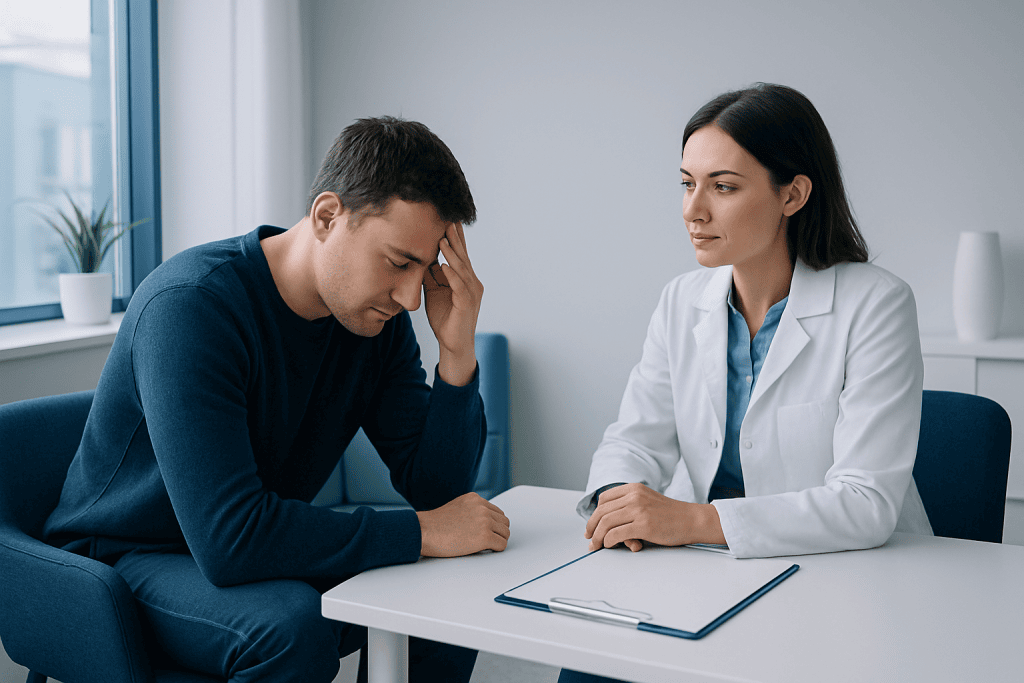
Symptoms linked with serotonin imbalance are often discussed in connection with depression, anxiety disorders, sleep problems, and some medication effects. A person may feel persistently low, worried, irritable, emotionally flat, or unable to sleep well. Appetite may increase or decrease, and digestive complaints such as nausea, bloating, or bowel changes may occur alongside emotional symptoms.
Low serotonin is not a formal diagnosis by itself. Instead, clinicians look for conditions in which serotonin pathways are believed to play a role, such as depression, some anxiety disorders, obsessive-compulsive symptoms, and certain chronic pain or headache patterns. Symptoms can vary widely from person to person.
A very different and urgent serotonin-related condition is serotonin syndrome, which can happen when serotonin becomes excessively high, usually due to medication combinations or overdose. Warning signs can include agitation, confusion, fever, sweating, diarrhea, fast heart rate, muscle stiffness, and tremor. This is not the same as ordinary mood symptoms and needs prompt medical attention.
Because serotonin also affects sleep and digestion, people sometimes assume any insomnia or gut symptom must be “serotonin.” In reality, these symptoms are non-specific. Stress, infection, irritable bowel syndrome, hormonal changes, diet, and many medications can cause similar complaints.
Signs that may point more toward dopamine-related issues
Dopamine-related problems often become noticeable through changes in motivation, interest, concentration, or movement. A person may describe feeling unable to get started, less excited by activities they used to enjoy, mentally slowed down, or unusually unfocused. In some conditions, there may also be restlessness, impulsive behavior, or difficulty regulating reward-seeking habits.
Dopamine pathways are especially important in movement disorders. In Parkinson’s disease, reduced dopamine activity in specific brain regions contributes to tremor, stiffness, slowness of movement, and balance problems. This is one of the clearest medical examples of how dopamine affects the body beyond mood and motivation.
Dopamine is also relevant in attention-deficit/hyperactivity disorder, substance use disorders, and some psychiatric illnesses. However, it is too simple to say that these conditions are caused only by “low dopamine.” Brain function involves many neurotransmitters, genetics, environment, sleep, trauma, and physical health factors.
Medication side effects can also affect dopamine pathways. Some anti-nausea drugs and antipsychotic medications may block dopamine and cause stiffness, tremor, restlessness, or involuntary movements. If new movement symptoms appear after starting or changing a medicine, a doctor should review it promptly.
How a clinician tells the difference
Doctors do not usually determine serotonin vs dopamine problems with a direct office test. Blood tests for these neurotransmitters are generally not used to diagnose common mood, attention, or movement symptoms because blood levels do not reliably reflect what is happening in the brain. Instead, clinicians identify patterns through careful history-taking and examination.
First, they ask about the symptom timeline: when symptoms started, what triggers them, whether they are emotional, cognitive, physical, or movement-related, and how severe they are. Serotonin-related conditions often cluster around mood changes, anxiety, sleep disturbance, appetite shifts, and gastrointestinal symptoms. Dopamine-related conditions may stand out more through apathy, low motivation, concentration problems, tremor, slowness, stiffness, or compulsive reward-seeking behavior.
Second, they review medications, supplements, and substances. Antidepressants, migraine medicines, stimulants, antipsychotics, anti-nausea drugs, recreational drugs, and herbal supplements can all alter neurotransmitter systems. This step is especially important if symptoms appeared suddenly or after a medication change.
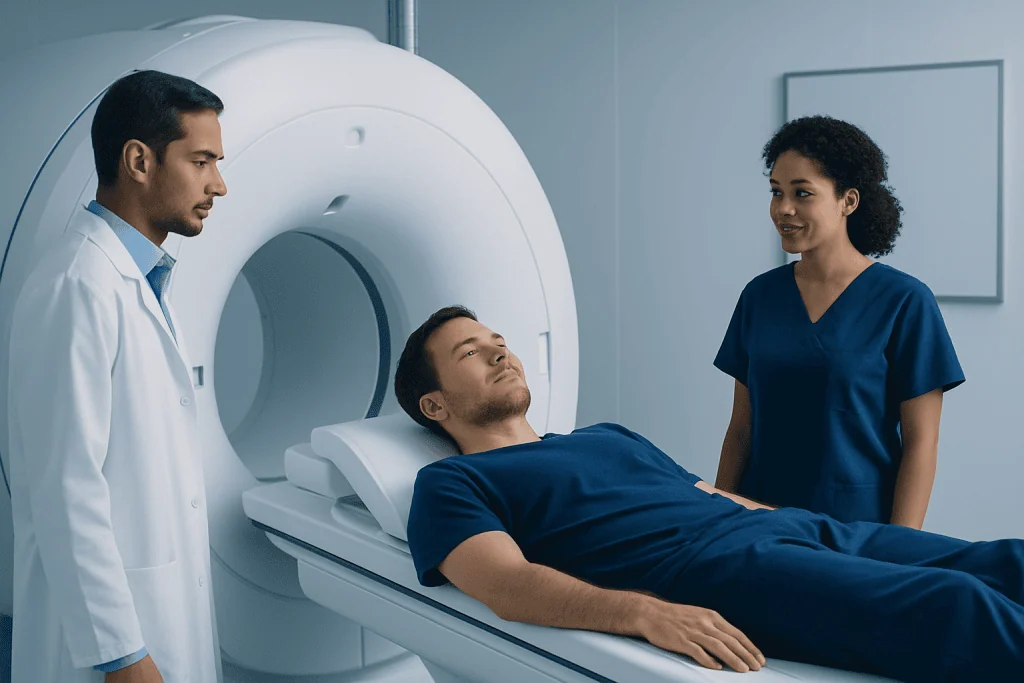
Third, doctors look for other medical causes. Thyroid disease, vitamin deficiencies, anemia, sleep apnea, chronic stress, infection, neurologic disease, and hormonal changes can mimic or worsen both serotonin- and dopamine-related symptoms. Depending on the situation, assessment may include lab work, mental health screening, neurologic examination, sleep evaluation, or brain imaging. If a structural or neurologic cause is suspected, MRI scanning may be used to support diagnosis.
What to do for each case
Treatment is based on the underlying diagnosis, not on self-prescribing a “serotonin booster” or “dopamine booster.” If a serotonin-related condition such as depression or anxiety is suspected, the treatment plan may include psychotherapy, lifestyle measures, sleep improvement, stress reduction, and, when appropriate, medications that affect serotonin pathways. Examples can include structured talking therapies and antidepressant medicines prescribed by a qualified clinician.
For dopamine-related conditions, treatment depends on the cause. If symptoms are due to Parkinson’s disease, care may involve neurologic assessment, rehabilitation, and medicines that support dopamine activity. If symptoms relate to medication side effects, adjusting or changing the drug under medical supervision may help. If attention problems, addictive behaviors, or severe motivational changes are involved, mental health or neuropsychiatric evaluation may be recommended.
Supportive strategies matter in both groups. Consistent sleep, regular physical activity, balanced nutrition, limited alcohol or recreational drug use, social connection, and treatment of medical conditions such as thyroid disease can improve brain health. These steps are helpful, but they should not replace professional care for persistent or disabling symptoms.
In some situations, additional specialty care is useful. Movement symptoms may lead to neurological rehabilitation, while significant mood or anxiety symptoms may be assessed through psychiatry services. The most effective plan usually combines symptom relief with treatment of the root cause.
Prevention and self-care: what helps either way
There is no guaranteed way to prevent every serotonin- or dopamine-related condition, but some habits support healthy brain function across the board. A stable sleep schedule is one of the most important. Sleep disruption can worsen mood, anxiety, concentration, motivation, pain sensitivity, and movement symptoms.
Regular exercise is another evidence-based strategy. Physical activity can support mood regulation, stress control, and general brain health. Nutrition also matters: balanced meals, adequate protein, and attention to overall dietary quality are more useful than relying on supplements marketed as quick neurotransmitter fixes.
People should be cautious with self-treatment. Combining supplements, antidepressants, stimulants, migraine medicines, or recreational substances can be unsafe. In particular, taking multiple serotonin-affecting products raises the risk of serotonin syndrome, while unsupervised stimulant use can worsen anxiety, sleep problems, heart symptoms, or compulsive behaviors.
For people living with chronic neurologic or mental health conditions, follow-up care is part of prevention. Early review of changing symptoms, side effects, or functional decline can help avoid complications. Near the end of the care pathway, some international patients may seek multidisciplinary evaluation at centers such as Acibadem International, where JCI-accredited hospitals assess and treat neurologic and mental health conditions in a coordinated way.
When to seek medical care
Medical advice is appropriate if symptoms are persistent, affecting daily life, or becoming more severe. This includes ongoing low mood, loss of interest, anxiety, poor concentration, unusual fatigue, tremor, stiffness, slowed movement, or significant sleep and appetite changes. A clinician can help determine whether symptoms are related to a mental health condition, a neurologic disorder, medication effects, or another medical issue.
Urgent care is needed for symptoms that could suggest serotonin syndrome or another serious condition. These include high fever, confusion, hallucinations, severe agitation, seizures, fainting, muscle rigidity, severe tremor, or sudden inability to walk normally. Immediate help is also needed for thoughts of self-harm or suicide.
People with new movement symptoms, rapid mental status changes, or symptoms that start soon after a new medicine should not wait for routine follow-up. Prompt evaluation can identify medication reactions, neurologic disease, or other treatable causes. If Parkinsonian symptoms are suspected, specialist assessment can help clarify whether further workup such as neurology evaluation is needed.
In general, the key point is simple: serotonin and dopamine differences can guide questions, but diagnosis should come from a qualified professional. Safe and effective treatment starts with identifying the condition behind the symptoms rather than assuming one neurotransmitter is the whole explanation.
Frequently asked questions
What is the main difference between serotonin and dopamine?
Serotonin is more closely linked to mood balance, sleep, appetite, and digestion. Dopamine is more closely linked to motivation, reward, attention, and movement. Both are essential neurotransmitters, and many symptoms involve overlap between the two systems.
Can someone tell on their own whether symptoms are serotonin-related or dopamine-related?
Usually not with confidence. Symptoms such as fatigue, low mood, poor focus, or sleep problems can come from many causes, including stress, depression, thyroid disease, medication effects, or neurologic conditions. A doctor uses symptom patterns, medication history, and examination to tell them apart.
Is there a test for low serotonin or low dopamine?
For most common clinical situations, there is no simple blood test that reliably diagnoses low serotonin or low dopamine in the brain. Doctors mainly diagnose related conditions through history, mental health assessment, neurologic examination, and tests to rule out other causes. Additional testing depends on the person’s symptoms.
Does depression always mean low serotonin?
No. Depression is a complex medical condition involving brain chemistry, genetics, stress, life events, sleep, physical health, and many other factors. Serotonin pathways may play a role in some people, but depression is not explained by one chemical alone.
Does dopamine only affect pleasure?
No. Dopamine is involved in reward and enjoyment, but it also plays major roles in motivation, learning, attention, and movement control. That is why dopamine-related disorders can affect both behavior and physical movement.
When is serotonin syndrome a medical emergency?
Serotonin syndrome can be serious and requires urgent evaluation, especially if there is fever, confusion, severe agitation, muscle stiffness, tremor, diarrhea, or a rapid heart rate after a medication change or overdose. It is different from ordinary anxiety or low mood. Anyone with severe symptoms should seek immediate medical care.
References
- National Institute of Mental Health
- National Institute of Neurological Disorders and Stroke
- MedlinePlus
- Mayo Clinic
- World Health Organization
This article is for general information only and is not a substitute for professional medical advice. Please consult a qualified doctor about your individual situation.
Persistent digestive symptoms? Get evaluated in Turkey
JCI-accredited · board-certified surgeons · reply within 24h
Add us as a Preferred Source to see more of our trusted health content across Google Search, AI Overviews and Discover.
Check your numbers in seconds
BMI, calories, due date, blood pressure and 30+ more clinical calculators — free, instant, doctor-reviewed ranges.

More from the Health Library



Related Specialists

Prof. Dr. Salim Başol Tekin
Hematology
Ebru Uzun Saral
Physical Medicine & Rehabilitation
Dt. Songül Özdemir Eğilmez
Oral & Dental Health
Prof. Dr. Erkin Öztaş
Gastroenterology