Severe Anemia Treatment: How It Works, Results and What to Expect

Severe anemia means the blood has too few healthy red blood cells or too little hemoglobin to carry oxygen effectively. Treatment addresses both immediate symptoms and the underlying reason for anemia, such as iron deficiency, bleeding, vitamin deficiency, kidney disease, or a blood disorder.
Key Takeaways
- Severe anemia means the blood has too few healthy red blood cells or too little hemoglobin to carry oxygen effectively.
- Treatment addresses both immediate symptoms and the underlying reason for anemia, such as iron deficiency, bleeding, vitamin deficiency, kidney disease, or a blood disorder.
- Iron infusions can restore iron stores more quickly than tablets when oral iron is unsuitable, ineffective, or too slow.
- Blood transfusion may be used when anemia is severe and symptomatic, especially if there is active bleeding or cardiovascular strain.
- Recovery varies from days to months depending on the cause, treatment, iron stores, and whether blood loss or illness continues.
Severe anemia treatment is tailored to the cause, the degree of anemia, symptoms, and how quickly the condition developed. Doctors may use oral or intravenous iron, vitamin replacement, treatment for bleeding or chronic disease, and sometimes red blood cell transfusion for urgent stabilization.
Overview: How Severe Anemia Treatment Works
Severe anemia treatment works by improving the blood’s oxygen-carrying capacity while identifying and correcting the reason anemia developed. The best approach depends on the hemoglobin level, symptoms, how rapidly the anemia appeared, medical history, and laboratory results. Some people need replacement of iron or vitamins, while others need urgent support with red blood cells or treatment for internal bleeding.
Anemia is not one single disease. It can result from low iron stores, vitamin B12 or folate deficiency, blood loss, inflammation, kidney disease, inherited red blood cell conditions, bone marrow disorders, or certain medicines. For this reason, a low hemoglobin result should lead to a careful medical assessment rather than self-treatment alone.
When anemia is severe, the priority is to determine whether the person is stable. Clinicians assess breathing, heart rate, blood pressure, chest symptoms, ongoing bleeding, and signs that organs may not be receiving enough oxygen. Treatment can then be planned to provide prompt relief while preventing anemia from returning.
How Do People With Severe Anemia Feel?
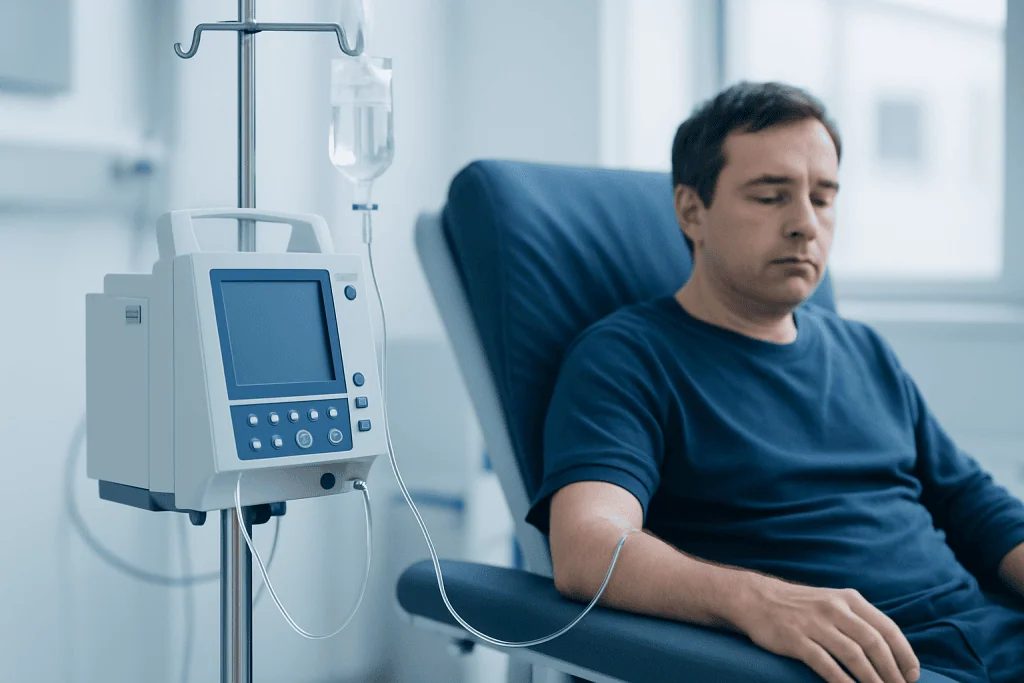
People with severe anemia may feel unusually tired, weak, light-headed, short of breath with everyday activity, or unable to exercise as they normally would. They may notice palpitations, headaches, reduced concentration, pale skin, cold hands and feet, or dizziness on standing. Symptoms vary greatly because anemia that develops slowly may cause fewer obvious symptoms than anemia that appears suddenly.
Some symptoms require prompt assessment, particularly chest pain, fainting, confusion, shortness of breath at rest, a racing heartbeat, or signs of bleeding such as black stools, vomiting blood, very heavy menstrual bleeding, or blood in the urine. These symptoms do not confirm anemia by themselves, but they may indicate that urgent medical care is needed.
Children, older adults, pregnant people, and individuals with heart, lung, or kidney disease may experience symptoms at different hemoglobin levels. A clinician considers the whole clinical picture, not only a laboratory number, when deciding on the urgency and type of treatment.
What Do Doctors Do If You Are Severely Anemic?

Doctors begin with an assessment of severity and possible cause. This generally includes a complete blood count, measurement of red blood cell size, reticulocyte count, iron studies, and tests for vitamin B12 and folate when appropriate. Kidney, liver, thyroid, inflammation, and hemolysis tests may also be needed, along with a review of medicines, diet, menstrual history, digestive symptoms, and family history.
If blood loss is suspected, the evaluation may include stool testing, gynecological assessment, or investigations of the stomach and bowel. Finding and treating the source of blood loss is essential. For example, persistent heavy menstrual bleeding, ulcers, inflammatory bowel disease, polyps, or other digestive conditions may need specific care in addition to iron replacement.
Immediate treatment may involve oxygen monitoring, intravenous fluids in selected situations, iron or vitamin replacement, and red blood cell transfusion when symptoms are serious or anemia is causing instability. In people with kidney disease, chronic inflammatory illness, or certain marrow disorders, treatment may also involve management of the underlying condition and specialist-directed medicines.
- Iron deficiency: oral iron or intravenous iron, plus investigation of why iron was lost or not absorbed.
- Vitamin deficiency: vitamin B12 or folate replacement, with attention to dietary, absorption, or autoimmune causes.
- Acute blood loss: stabilization, control of bleeding, and possible transfusion.
- Chronic disease or blood disorders: targeted treatment coordinated with the relevant specialist.
Treatment Options: Iron, Infusions and Blood Transfusion
Oral iron is often used for iron-deficiency anemia when the person is stable and can absorb and tolerate it. It replenishes iron gradually, but stomach upset, constipation, nausea, and dark stools can occur. A doctor may adjust the formulation or schedule if side effects make treatment difficult.
Intravenous iron delivers iron directly into a vein and is considered when oral iron is not tolerated, does not work, cannot be absorbed adequately, or when iron needs to be replaced more quickly. Iron infusion treatment is given in a monitored clinical setting. The dose and number of visits are based on the iron deficit, the product used, body size, hemoglobin level, and ongoing blood loss.
A red blood cell transfusion can raise hemoglobin quickly and may be appropriate for severe, symptomatic anemia, active bleeding, or evidence of poor oxygen delivery to tissues. Transfusion is not automatically needed for every low hemoglobin level. Because it has potential risks, clinicians weigh the person’s symptoms, stability, cause of anemia, and medical conditions before recommending it.
Treating a related condition is often the part that protects long-term health. For example, people with low iron from gastrointestinal bleeding may need digestive evaluation, while those with heavy periods may need gynecological care. When an inherited condition is suspected, assessment for thalassemia or another blood disorder may be appropriate.
How Many Iron Infusions Do You Need for Severe Anemia?
The number of iron infusions needed for severe anemia is individualized. Some intravenous iron products can provide a large amount of iron in one or two visits, while others are given as several smaller doses over days or weeks. The prescription depends on the calculated iron deficit, the formulation selected, safety considerations, and whether bleeding or poor absorption is continuing.
Blood tests are usually repeated after treatment to confirm that hemoglobin is improving and that iron stores are being replenished. A person may feel more energetic before laboratory levels are fully corrected, but iron stores can take longer to rebuild. It is important not to assume that symptoms alone show the cause has resolved.
Iron infusion reactions are uncommon but possible. During and after the infusion, staff monitor for symptoms such as rash, itching, wheezing, dizziness, flushing, or low blood pressure. Delayed effects can include headache, muscle aches, nausea, or fatigue, and patients should follow the care team’s instructions about symptoms that need review.
What Happens During Treatment and Recovery?
For planned treatment, the process usually starts with confirmation of the anemia type and discussion of options. Before intravenous iron or transfusion, the care team checks medical history, allergies, current medicines, and relevant blood tests. For transfusion, blood typing and compatibility testing are completed, and the patient is monitored closely during the procedure.
Iron infusions are commonly administered through a small intravenous line while the patient rests in an infusion area. The appointment length varies according to the preparation and observation requirements. Most people return home the same day, although they may be advised to take it easy if they feel tired, dizzy, or unwell afterward.
Recovery is measured through symptoms, hemoglobin, and treatment of the underlying cause. Breathlessness and palpitations from anemia may improve relatively quickly after transfusion, while improvement with iron therapy is more gradual. Follow-up is important because continued bleeding, inflammation, malabsorption, or an incorrect diagnosis can prevent the expected response.
Acibadem International’s multidisciplinary specialists and JCI-accredited hospitals assess and treat anemia for international patients, coordinating care with hematology and other relevant specialties when needed.
How Long Does It Take to Get Rid of Severe Anemia?
How long it takes to recover from severe anemia depends on the cause and treatment. A transfusion can improve oxygen-carrying capacity promptly, but it does not correct iron deficiency, vitamin deficiency, or the source of bleeding. With effective iron treatment, hemoglobin often starts to rise over the following weeks, while fully restoring iron stores may take several months.
Recovery may be longer when anemia is linked to chronic kidney disease, inflammation, an autoimmune condition, cancer treatment, malabsorption, or an inherited blood disorder. In these situations, anemia may need ongoing monitoring and repeated treatment rather than a one-time course of iron.
Patients should attend scheduled blood tests even if they feel better. A clinician can decide when replacement therapy should continue, change, or stop, and can investigate if hemoglobin does not rise as expected.
When to Seek Medical Care
Medical assessment is appropriate for persistent fatigue, breathlessness, dizziness, paleness, unexplained weakness, or a known low hemoglobin result. A prompt appointment is especially important for new symptoms, symptoms that are worsening, pregnancy, a history of digestive disease, heavy menstrual bleeding, or use of medicines that can increase bleeding risk.
Emergency care is needed for chest pain, severe shortness of breath, fainting, confusion, a rapid or irregular heartbeat, severe weakness, or suspected major bleeding. Black tarry stools, vomiting blood, large amounts of rectal bleeding, or rapidly increasing menstrual bleeding also require urgent attention.
Dietary choices can support iron intake, but diet alone may not be enough to correct severe anemia. People should avoid taking high-dose iron or supplements for long periods without medical guidance, since the wrong supplement can delay diagnosis or be harmful in some conditions.
Frequently asked questions
Can severe anemia be treated at home?
Severe anemia should be assessed by a qualified clinician because the cause may require urgent treatment. Iron-rich foods and prescribed supplements can support recovery in some cases, but they cannot safely replace evaluation for bleeding, vitamin deficiency, chronic illness, or a blood disorder.
Will an iron infusion make severe anemia better immediately?
An iron infusion replaces iron efficiently, but the body still needs time to make new red blood cells. Symptoms may improve over days to weeks, while hemoglobin and iron stores are checked over a longer follow-up period.
Does everyone with severe anemia need a blood transfusion?
No. Transfusion decisions are based on symptoms, clinical stability, the speed of anemia onset, active bleeding, hemoglobin results, and other medical conditions. Many stable patients can be treated with iron, vitamin replacement, and care for the underlying cause.
What tests identify the cause of severe anemia?
A complete blood count and iron studies are commonly used first. Depending on the findings, clinicians may also check vitamin B12, folate, kidney function, inflammation markers, evidence of red blood cell breakdown, and possible sources of blood loss.
Can severe anemia return after treatment?
It can return if the underlying cause continues, such as ongoing bleeding, poor absorption, chronic inflammation, kidney disease, or inadequate replacement of iron or vitamins. Follow-up testing helps identify recurrence early and guides preventive treatment.
What should someone eat while being treated for iron-deficiency anemia?
Foods containing iron, including meat, fish, legumes, leafy green vegetables, fortified grains, and nuts, can contribute to iron intake. A balanced diet is helpful, but a clinician may still recommend iron replacement because severe deficiency generally cannot be corrected quickly through food alone.
References
- World Health Organization
- National Heart, Lung, and Blood Institute
- American Society of Hematology
- National Institute of Diabetes and Digestive and Kidney Diseases
- British Society of Haematology
This article is for general information only and is not a substitute for professional medical advice. Please consult a qualified doctor about your individual situation.
Anemia in Turkey — costs, top hospitals & a free quote
JCI-accredited · board-certified surgeons · reply within 24h
Add us as a Preferred Source to see more of our trusted health content across Google Search, AI Overviews and Discover.
Check your numbers in seconds
BMI, calories, due date, blood pressure and 30+ more clinical calculators — free, instant, doctor-reviewed ranges.