Shingles Virus Natural Treatment: Evidence-Based Options and When to See a Doctor

Natural care for shingles can help with itching, skin comfort, sleep, and stress, but it does not eliminate the virus. Antiviral medicines are the main evidence-based treatment, especially when started early or when symptoms are severe.
Key Takeaways
- Natural care for shingles can help with itching, skin comfort, sleep, and stress, but it does not eliminate the virus.
- Antiviral medicines are the main evidence-based treatment, especially when started early or when symptoms are severe.
- Cool compresses, gentle skin care, calamine lotion, loose clothing, and rest are among the safest supportive measures.
- Herbal supplements and essential oils have limited clinical evidence and may irritate the skin or interact with medicines.
- Urgent medical review is important for eye symptoms, facial weakness, severe pain, spreading rash, fever, or a weakened immune system.
Shingles virus natural treatment may help reduce discomfort, protect the skin, and support recovery, but it does not cure the infection or replace antiviral treatment when that treatment is indicated. The most evidence-based approach combines early medical assessment with safe home care and realistic expectations about what natural options can and cannot do.
Overview: What natural treatment can and cannot do
Shingles virus natural treatment can help relieve some symptoms, especially itching, skin irritation, stress, and trouble sleeping. However, shingles is caused by reactivation of the varicella-zoster virus, and no natural remedy has been proven to clear that virus from the body. This is why home remedies should be viewed as supportive care rather than a cure.
The strongest medical evidence supports early antiviral treatment for many people with shingles, particularly when the rash is new, pain is significant, or the face or eye area is involved. Natural approaches may still have a useful role alongside standard care by improving comfort and helping a person protect the skin while the rash heals.
This balanced approach matters because shingles can sometimes lead to complications, including long-lasting nerve pain called postherpetic neuralgia. A practical care plan usually combines medical evaluation, pain control, skin care, rest, and close attention to warning signs rather than relying on anecdotal remedies alone.
Symptoms and how shingles usually develops

Shingles often begins with burning, tingling, itching, or stabbing pain in a band-like area on one side of the body or face. After this early phase, a rash appears, followed by clusters of fluid-filled blisters. These blisters usually crust over within days to weeks.
Common symptoms include localized pain, skin sensitivity, itching, headache, tiredness, and sometimes fever. The rash most often affects the chest, back, or abdomen, but it can also appear on the face. When the virus affects the eye region, it may lead to serious complications and should be assessed quickly.
The illness is related to chickenpox, because the same virus remains dormant in the nerves after a past chickenpox infection. Later in life, or during periods of reduced immune function, it can reactivate as shingles. While the rash itself is not spread as shingles, the virus can be passed to someone who has never had chickenpox or the vaccine, causing chickenpox in that person.
Evidence-backed home care options
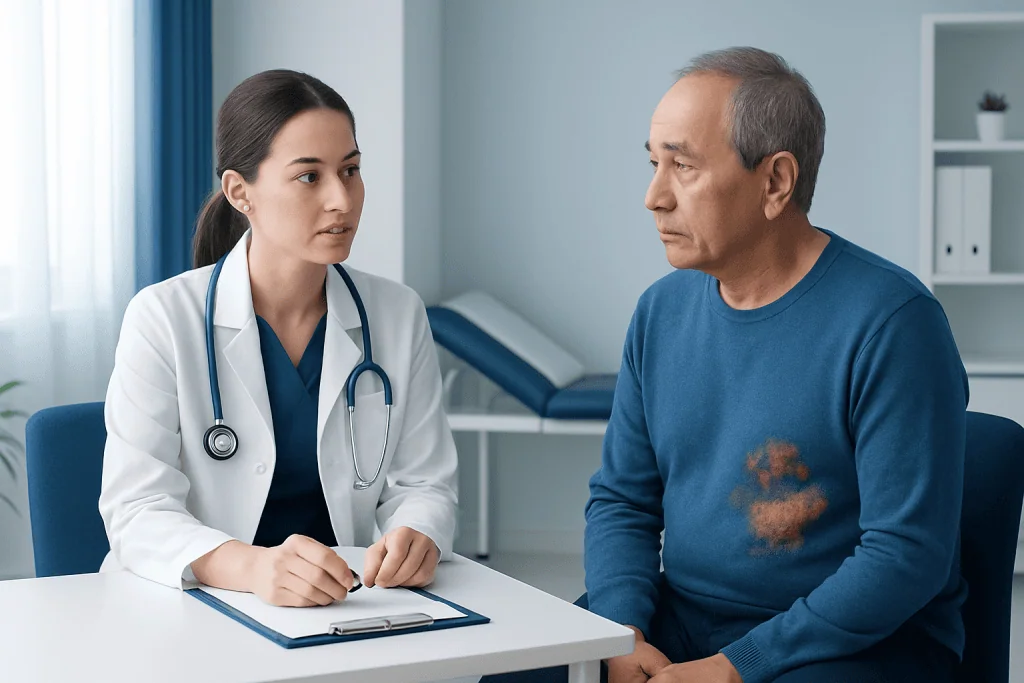
The most reliable supportive measures for shingles are simple and low risk. Cool, damp compresses may soothe the rash and reduce burning or itching. Keeping the skin clean and dry can lower irritation, and loose cotton clothing can reduce friction on sensitive areas. Many people also find that plain calamine lotion helps calm discomfort.
These strategies do not treat the virus directly, but they are commonly recommended because they improve comfort without adding significant risk. Rest, hydration, and regular meals can also support recovery, especially if pain or poor sleep has reduced normal activity. If over-the-counter pain relief is being considered, it is safest to check with a pharmacist or doctor, particularly for older adults or people with kidney, liver, stomach, or bleeding problems.
Some self-care steps are best avoided. Thick ointments that trap heat, harsh cleansers, adhesive dressings, and scratching can worsen irritation or delay healing. It is also important not to apply multiple products at once, because this can make it hard to tell whether a reaction is coming from the shingles rash or from the product itself.
- Use cool compresses for short periods.
- Choose fragrance-free, gentle skin care.
- Wear loose, soft clothing.
- Keep fingernails short to reduce skin damage from scratching.
- Wash hands after touching the rash.
Natural remedies with limited or mixed evidence
People often ask about oatmeal baths, honey, aloe vera, capsaicin, lysine, lemon balm, tea tree oil, and other plant-based or supplement approaches. Some of these may sound appealing, but the quality of evidence is generally limited, indirect, or based on small studies rather than strong clinical trials in people with active shingles.
For example, colloidal oatmeal baths may help itching in irritated skin and are usually considered low risk when used as directed. Aloe vera may feel soothing for some people, but product quality varies, and fragranced formulations may sting. Honey and essential oils are less predictable: although they are sometimes discussed online, they can irritate damaged skin or trigger contact dermatitis. Tea tree oil in particular can be harsh on inflamed skin.
Capsaicin deserves special caution. It has a role in some chronic nerve pain settings, including certain cases of nerve pain after shingles, but it is generally not appropriate on fresh, blistering shingles rash because it may cause intense burning. Oral supplements such as lysine, zinc, or high-dose vitamins also lack strong evidence as primary treatment for shingles, and supplements can interact with medicines or be unsafe for some people. A clinician can advise whether any product is reasonable in an individual case.
Medical treatment that should not be delayed
Because this topic often focuses on natural care, it is important to state clearly that antivirals remain the main evidence-based treatment for shingles. Medicines such as antiviral tablets work best when started early, often within the first 72 hours after the rash appears, although a doctor may still recommend them later in selected cases. Their goal is to reduce viral activity, shorten illness, and lower the chance of complications.
Pain management may also be necessary. Depending on symptoms, a doctor may suggest treatments ranging from standard pain relievers to prescription options when nerve pain is severe. In some situations, especially when shingles affects the face, ear, or eye, specialist evaluation is needed. If the eye is involved, prompt assessment is especially important because vision can be at risk. People can read more about herpes zoster treatment and, if facial or eye-area symptoms are present, ophthalmology care may be relevant.
Home remedies should never delay proper assessment in higher-risk groups. This includes older adults, pregnant people, those receiving chemotherapy, transplant recipients, people living with immune suppression, and anyone with severe or rapidly worsening symptoms. In these groups, early medical treatment can be especially important.
Prevention and self-care during recovery
Recovery from shingles often takes time, even after the skin starts to improve. Gentle routines can make the healing period easier. Good sleep habits, pacing of daily activities, and stress reduction may help a person cope better with pain and fatigue. These measures support well-being, although they are not direct antiviral treatments.
Protecting others is also part of self-care. The rash should be covered when possible, and close contact should be avoided with newborns, pregnant people who are not immune to chickenpox, and anyone with a weakened immune system until the blisters have crusted over. Sharing towels or clothing is best avoided during this stage.
Vaccination is the most effective preventive strategy for reducing the risk of future shingles and its complications in eligible adults. A doctor can explain who should receive the shingles vaccine and when it is appropriate, including after a previous shingles episode. For people who need broader support for persistent pain or complex symptoms, services such as pain management or specialist evaluation may be considered.
When to seek medical care
Urgent medical care is needed if shingles affects the eye area, causes changes in vision, severe headache, confusion, weakness of the face, trouble hearing, dizziness, widespread rash, high fever, or signs of skin infection such as increasing redness, pus, or rapidly worsening pain. These red flags can point to complications that need prompt treatment rather than home management alone.
A doctor should also be contacted quickly if the rash is on the face, if pain is severe, if the person is pregnant, or if there is a weakened immune system due to illness or medication. Even without red flags, it is wise to seek care as soon as shingles is suspected, because early antiviral treatment may be most helpful in the first few days.
If pain continues after the rash heals, follow-up is important to assess for persistent nerve pain and other complications. Acibadem International’s multidisciplinary specialists in JCI-accredited hospitals diagnose and treat shingles and related nerve pain for international patients, including evaluation of complications and supportive recovery planning.
Frequently asked questions
Can shingles virus natural treatment cure shingles?
No natural remedy has been proven to cure shingles or remove the varicella-zoster virus from the body. Natural measures may help with comfort and skin care, but they do not replace antiviral treatment when medical treatment is needed.
What is the safest home remedy for shingles rash?
The safest options are usually simple supportive measures such as cool compresses, gentle cleansing, loose clothing, and calamine lotion if it suits the skin. These approaches are low risk and can reduce irritation without applying harsh substances to blistered skin.
Is it okay to use essential oils on shingles?
Essential oils are not routinely recommended for active shingles rash because they can irritate already inflamed skin. Some people may also develop allergic or contact reactions, which can make symptoms worse.
Should a person still see a doctor if they want a natural approach?
Yes. Shingles is best assessed early because antiviral treatment may be most effective when started soon after the rash appears. A doctor can also check for eye involvement, severe pain, or other complications that should not be managed at home alone.
Can stress reduction help shingles heal faster?
Stress reduction may support overall recovery by improving sleep, coping, and daily functioning. However, it is considered supportive care rather than a direct treatment for the virus itself.
How long does shingles usually last?
For many people, the rash forms blisters and then crusts over within a few weeks, but pain may last longer. Some individuals develop lingering nerve pain after the skin heals, which should be discussed with a doctor if it persists.
References
- Centers for Disease Control and Prevention
- National Institute on Aging
- American Academy of Dermatology
- National Health Service
- World Health Organization
This article is for general information only and is not a substitute for professional medical advice. Please consult a qualified doctor about your individual situation.
Shingles in Turkey — costs, top hospitals & a free quote
JCI-accredited · board-certified surgeons · reply within 24h
Add us as a Preferred Source to see more of our trusted health content across Google Search, AI Overviews and Discover.

More from the Health Library



Related Specialists

Prof. Dr. Muzaffer Çetingüç
Psychiatry
Dr. Sema Eryilmaz
Pediatric Endocrinology
Prof. Dr. Özlem Dicle
Dermatology
Assoc. Prof. Dr. Bedriye Koyuncu Sökmen
Gastrointestinal Oncology Unit Clinical Service