Signs and Symptoms of Stroke: How to Recognize a CVA Quickly

Stroke symptoms often appear suddenly, especially face drooping, arm weakness, and speech difficulty. The FAST method is a simple way to recognize common warning signs of stroke.
Key Takeaways
- Stroke symptoms often appear suddenly, especially face drooping, arm weakness, and speech difficulty.
- The FAST method is a simple way to recognize common warning signs of stroke.
- A stroke is a medical emergency, even if symptoms improve or go away quickly.
- Early diagnosis and treatment can limit brain injury and improve recovery.
- Risk factors such as high blood pressure, diabetes, smoking, and atrial fibrillation increase stroke risk.
Stroke symptoms usually begin suddenly and need emergency medical attention right away. Knowing the warning signs of a cerebrovascular accident (CVA) can help a person get urgent care sooner and reduce the risk of lasting disability.
Overview
A stroke happens when blood flow to part of the brain is interrupted or when a blood vessel in the brain bursts. Without enough oxygen and nutrients, brain cells begin to become damaged within minutes. For this reason, recognizing stroke symptoms quickly is one of the most important steps a patient, family member, or bystander can take.
The medical term CVA stands for cerebrovascular accident. In everyday language, CVA and stroke usually mean the same thing. Symptoms depend on the area of the brain involved, but they often start suddenly and may affect movement, speech, vision, balance, or awareness.
Not every stroke looks the same. Some cause obvious weakness or trouble speaking, while others lead to sudden confusion, dizziness, severe headache, or vision loss. Even mild or short-lived symptoms should never be ignored, because they may signal a stroke or a transient ischemic attack, often called a mini-stroke.
Common Stroke Symptoms
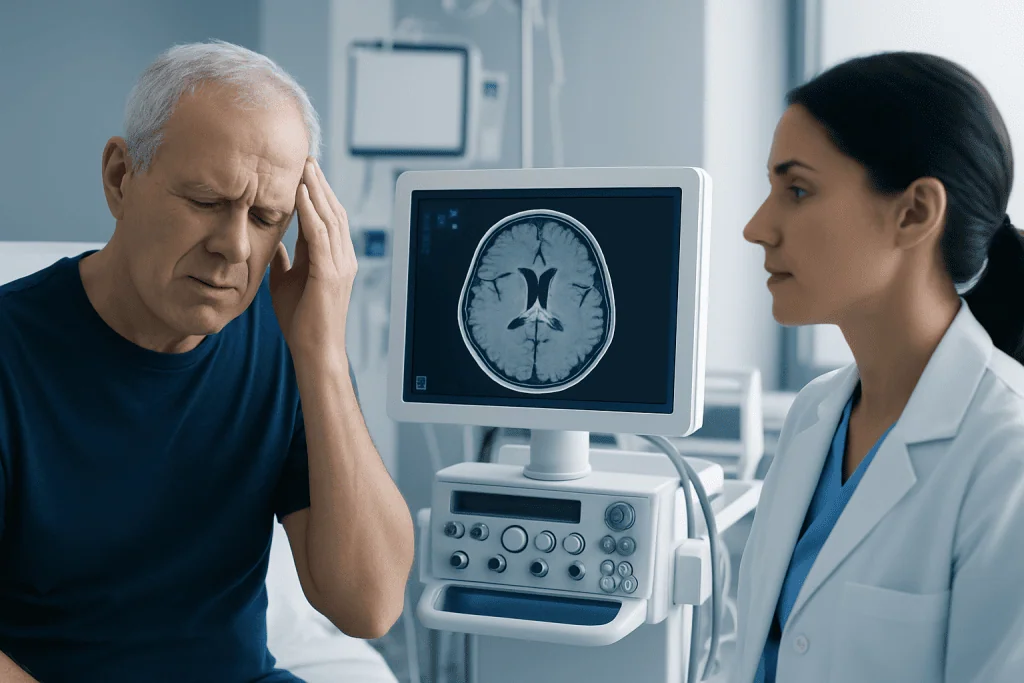
The hallmark of stroke symptoms is sudden onset. A person may seem well one moment and then quickly develop a new problem. Classic warning signs can involve the face, arm, and speech, but there are several others that also need urgent attention.
The FAST method helps people remember the most common signs:
- F – Face drooping: one side of the face may droop or feel numb, and the smile may look uneven.
- A – Arm weakness: one arm may drift downward, feel weak, or become numb.
- S – Speech difficulty: speech may be slurred, hard to understand, or difficult to produce.
- T – Time to call emergency services: immediate medical help is essential.
Other possible stroke symptoms include sudden numbness or weakness on one side of the body, sudden confusion, trouble understanding language, sudden blurred or lost vision in one or both eyes, difficulty walking, loss of balance or coordination, and a sudden severe headache with no clear cause. Some people also experience trouble swallowing or a change in alertness.
These symptoms may be constant or may briefly improve, but this does not make them less serious. If stroke symptoms appear, the safest response is to seek emergency care without delay.
How Stroke Symptoms Can Differ

Stroke symptoms can vary depending on which part of the brain is affected and whether the stroke is caused by a blocked artery or bleeding. A stroke affecting the left side of the brain may lead to speech or language problems and weakness on the right side of the body. A stroke affecting the right side may cause weakness on the left side, poor attention, or reduced awareness of the problem.
Some strokes involve the back part of the brain, including the brainstem and cerebellum. These can cause dizziness, double vision, trouble swallowing, imbalance, nausea, or difficulty coordinating movement. Because these symptoms may be mistaken for other conditions, such strokes can be harder to recognize.
Women, older adults, and people with several medical conditions may sometimes present with less typical symptoms, such as confusion, sudden fatigue, or a noticeable change in mental status. However, any abrupt neurological change should be treated as urgent until a doctor evaluates it.
A transient ischemic attack, or TIA, causes stroke-like symptoms that resolve on their own, usually within minutes to hours. Even though symptoms improve, a TIA is a warning sign that a full stroke may follow and needs prompt medical assessment. It is closely related to transient ischemic attack.
Causes and Risk Factors
There are two main types of stroke. An ischemic stroke happens when a blood clot blocks an artery supplying the brain. A hemorrhagic stroke happens when a blood vessel ruptures and bleeds into or around the brain. Both types reduce the brain’s ability to function normally, but treatment differs, which is why rapid diagnosis is so important.
Several conditions increase the risk of stroke. High blood pressure is one of the most important risk factors because it can damage blood vessels over time. Other major risks include atrial fibrillation, diabetes, high cholesterol, smoking, obesity, physical inactivity, sleep apnea, heart disease, and older age. Some strokes are linked to narrowed neck arteries, blood clotting disorders, or inflammatory blood vessel disease.
Family history and prior stroke or TIA can also raise risk. While not every stroke can be prevented, many can be reduced through regular medical care and healthy lifestyle choices. Patients who already have atrial fibrillation or carotid artery disease often need careful monitoring because these conditions can increase the chance of clot-related stroke.
Diagnosis and Why Speed Matters
When stroke symptoms begin, time matters because some treatments are most effective when given very early. Doctors first assess the person’s symptoms, medical history, blood pressure, blood sugar, and neurological function. They also try to identify the exact time the person was last known to be well, since this helps guide treatment decisions.
Brain imaging is essential to tell whether the stroke is ischemic or hemorrhagic. A non-contrast CT scan is commonly used first because it can quickly detect bleeding. MRI, CT angiography, or other tests may be added to look at brain tissue and blood vessels in more detail. Blood tests and heart monitoring may help find the cause.
If a blocked artery is suspected, doctors may evaluate whether the patient is a candidate for emergency clot-busting medication or mechanical thrombectomy to remove a clot from a large brain artery. If bleeding is present, the focus shifts to controlling blood pressure, reversing certain blood thinners when appropriate, and treating the source of bleeding. In selected cases, advanced imaging such as MRI may provide additional detail about the affected brain tissue.
Treatment Options and Early Care
Stroke treatment depends on the type, severity, cause, and how long symptoms have been present. For ischemic stroke, early treatment may include clot-dissolving medication if the patient arrives within the correct time window and meets safety criteria. Some patients with large vessel blockage may benefit from stroke treatment that includes endovascular procedures, specialized monitoring, and intensive neurological care.
For hemorrhagic stroke, treatment focuses on stopping or limiting the bleeding, reducing pressure in the brain, and preventing complications. Some patients may need neurosurgical or interventional procedures, while others improve with careful monitoring and medical management. Blood pressure control and review of blood-thinning medications are often important parts of care.
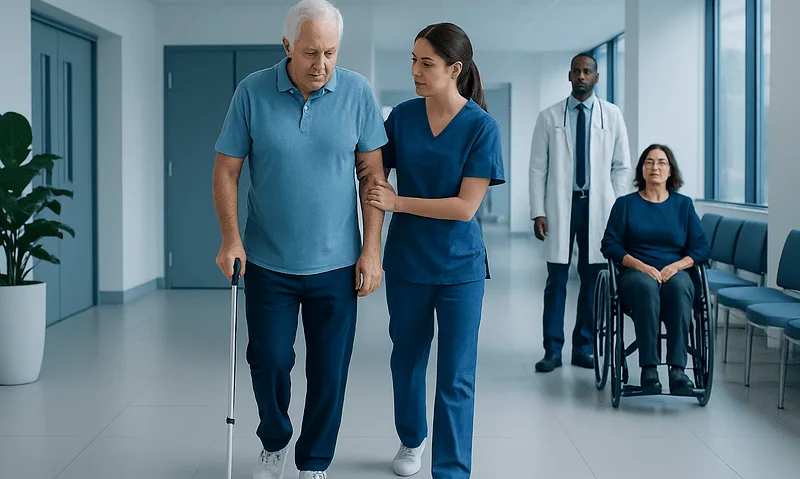
Once the patient is medically stable, rehabilitation becomes a key part of recovery. Physical, occupational, and speech therapy can help improve movement, daily function, swallowing, communication, and thinking skills. Recovery can continue over weeks to months, and many people benefit from coordinated follow-up with stroke specialists.
Near the end of acute care, doctors also work to prevent another stroke by treating the underlying cause. This may include blood pressure management, cholesterol-lowering treatment, diabetes care, heart rhythm treatment, smoking cessation, and selected procedures such as carotid endarterectomy when carotid artery narrowing is a major contributor.
Prevention and Self-care
The most effective way to reduce stroke risk is to manage health conditions that damage blood vessels or increase clot formation. Regular blood pressure checks are especially important, since high blood pressure often causes no symptoms until a complication occurs. Taking prescribed medicines consistently and attending follow-up appointments can make a meaningful difference.
Healthy lifestyle habits also support stroke prevention. These include not smoking, being physically active, eating a balanced diet rich in fruits, vegetables, whole grains, and lean proteins, limiting excess salt, and maintaining a healthy weight. Good sleep and management of stress can also support overall cardiovascular health.
People who have already had a stroke or TIA should be especially careful about prevention. They may need antiplatelet or anticoagulant treatment, cholesterol management, and monitoring for conditions such as atrial fibrillation or carotid artery disease. Self-care should always follow a doctor’s advice, since the safest plan depends on the cause of the event.
When to Seek Emergency Help
A person should seek emergency help immediately for any sudden stroke symptoms, even if they seem mild or improve quickly. Waiting to see whether symptoms pass can waste valuable treatment time. Driving oneself to the hospital is usually not the safest choice; calling emergency services allows care to begin sooner.
It can help to note the time symptoms first started or the last time the person was known to be normal. This information may influence which treatments are possible. If the person has trouble speaking, swallowing, or staying awake, bystanders should keep them safe, avoid giving food or drink, and wait for trained medical help.
After emergency treatment, some patients may need evaluation by neurologists, interventional specialists, neurosurgeons, cardiologists, and rehabilitation teams. At Acibadem International, multidisciplinary specialists in JCI-accredited hospitals diagnose and treat stroke for international patients, with care tailored to the cause of the event and the recovery phase.
Frequently asked questions
What are the first signs of a stroke?
The first signs of a stroke are often sudden face drooping, arm weakness, or speech difficulty. Other early symptoms can include numbness on one side, confusion, trouble seeing, dizziness, or a severe sudden headache.
What does FAST mean for stroke?
FAST stands for Face drooping, Arm weakness, Speech difficulty, and Time to call emergency services. It is a simple way to remember common stroke warning signs and act quickly.
Can stroke symptoms go away on their own?
Sometimes symptoms improve or disappear, especially in a transient ischemic attack, also called a mini-stroke. Even if symptoms go away, urgent medical evaluation is still needed because a full stroke may follow.
Is a sudden severe headache always a stroke?
No, a sudden severe headache can have several causes, but it can be a sign of a hemorrhagic stroke. If it is abrupt, intense, or comes with other neurological symptoms, emergency assessment is important.
Who is most at risk for stroke?
People with high blood pressure, atrial fibrillation, diabetes, high cholesterol, heart disease, or a history of smoking have a higher risk. Risk also rises with age, prior stroke or TIA, obesity, and physical inactivity.
What should someone do if they think a person is having a stroke?
They should call emergency services right away and note the time symptoms began or the last known well time. The person should not be given food, drink, or medication unless a healthcare professional advises it.
This article is for general information only and is not a substitute for professional medical advice. Please consult a qualified doctor about your individual situation.
Explore treatments in Turkey — costs, top hospitals & a free quote
JCI-accredited · board-certified surgeons · reply within 24h
Add us as a Preferred Source to see more of our trusted health content across Google Search, AI Overviews and Discover.
Check your numbers in seconds
BMI, calories, due date, blood pressure and 30+ more clinical calculators — free, instant, doctor-reviewed ranges.

More from the Health Library

How to Prevent Another Stroke: Medicines, Blood Pressure Control, and Daily Habits
Stroke vs Migraine Aura: When Sudden Numbness or Vision Changes Need Emergency Help
Ischemic Stroke Explained: How a Blocked Brain Artery Is Diagnosed and Treated
Ischemic Cerebrovascular Accident: How a Blocked Artery Causes Stroke
Brain Hemorrhage Surgery: When It May Be Needed After a Hemorrhagic Stroke