Signs of Heart Failure: Possible Causes and When to Seek Care

Common signs of heart failure include breathlessness, swelling, fatigue, reduced exercise tolerance, and rapid weight gain. Heart failure means the heart is not pumping or filling as effectively as it should; it does not mean the heart has stopped.
Key Takeaways
- Common signs of heart failure include breathlessness, swelling, fatigue, reduced exercise tolerance, and rapid weight gain.
- Heart failure means the heart is not pumping or filling as effectively as it should; it does not mean the heart has stopped.
- Symptoms can develop gradually or appear suddenly, especially if fluid builds up quickly.
- Several conditions can cause similar symptoms, so medical evaluation is important for an accurate diagnosis.
- Urgent care is needed for severe shortness of breath, chest pain, fainting, confusion, or blue lips.
Signs of heart failure commonly include shortness of breath, swelling in the legs or abdomen, unusual fatigue, trouble lying flat, and sudden weight gain from fluid buildup. These symptoms do not always mean heart failure, but they should be assessed promptly because early diagnosis can improve symptom control and protect heart function.
Overview: what the signs of heart failure can mean
The signs of heart failure often reflect fluid buildup and reduced blood flow to the body. People may notice shortness of breath, swelling in the feet or ankles, unusual tiredness, a cough that worsens when lying down, or sudden weight gain over a few days. These symptoms can happen because the heart is not pumping strongly enough, not relaxing well enough to fill, or both.
Heart failure is a clinical syndrome, not a single symptom and not the same as a heart attack. It can affect the left side of the heart, the right side, or both. Some people develop symptoms slowly over months, while others have a more sudden change that needs urgent treatment.
Because these symptoms can overlap with lung disease, kidney problems, anemia, obesity, or deconditioning, they should not be self-diagnosed. A clinician looks at the whole pattern: symptoms, physical examination, medical history, imaging, and blood tests. Understanding the typical warning signs helps people seek care sooner and describe changes clearly.
Common symptoms and how they may feel
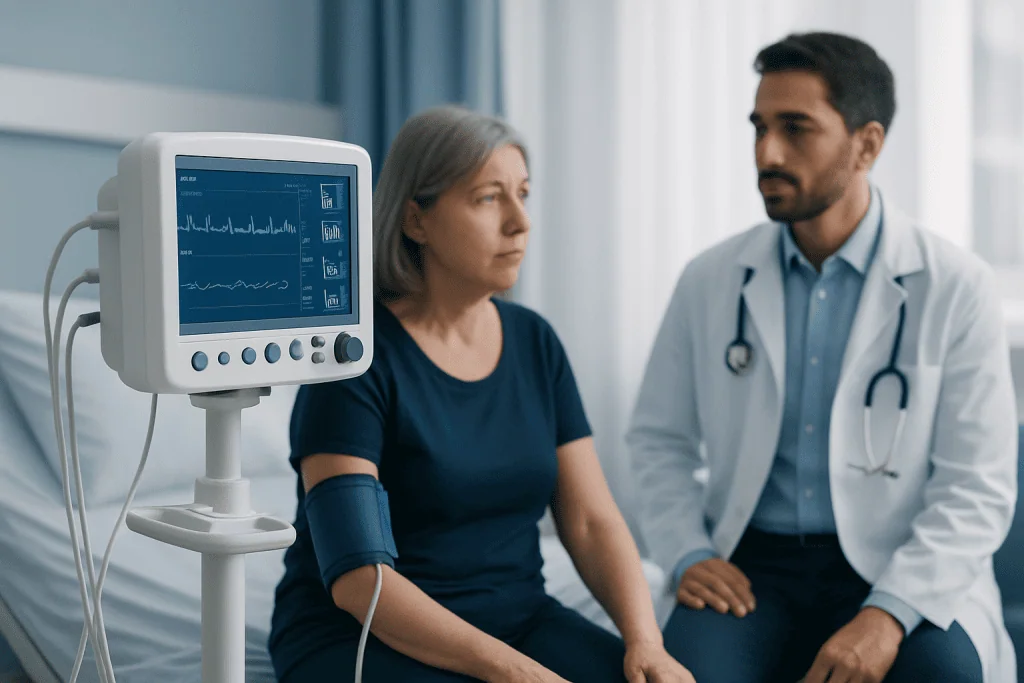
Shortness of breath is one of the best-known signs of heart failure. It may appear during activity at first, such as climbing stairs or walking uphill, then later with everyday tasks or at rest. Some people wake up breathless at night or need extra pillows because lying flat makes breathing harder.
Fluid retention can cause swelling in the ankles, feet, lower legs, or abdomen. Rings, shoes, or waistbands may feel tighter than usual. A rapid increase in weight over a few days can signal fluid buildup even before swelling is obvious.
Fatigue and reduced exercise tolerance are also common. People may feel unusually weak, exhausted, or unable to do activities they previously managed well. Other possible symptoms include a persistent cough, wheezing, a fast or irregular heartbeat, loss of appetite, nausea, or a feeling of fullness.
- Breathlessness with activity or when lying flat
- Swelling in the legs, ankles, feet, or abdomen
- Sudden weight gain from fluid retention
- Unusual fatigue or weakness
- Persistent cough or wheeze, especially at night
- Reduced ability to exercise or do routine tasks
Why these symptoms happen

Many symptoms come from congestion, which means extra fluid backs up because the heart cannot keep up with the body’s needs. If the left side of the heart is affected, fluid may collect in the lungs and cause breathlessness or a cough. If the right side is affected, swelling may become more noticeable in the legs, ankles, abdomen, or sometimes the liver.
Another reason for symptoms is reduced blood flow to organs and muscles. When tissues receive less oxygen-rich blood, everyday activities may feel more tiring. People can become lightheaded, mentally foggy, or less able to exercise because muscles and the brain are not being supplied as efficiently.
The body also responds by activating stress hormones that raise heart rate and retain salt and water. This response may briefly support circulation but over time often worsens fluid buildup and strain on the heart. That is why even mild early symptoms deserve attention rather than being dismissed as simply getting older or being out of shape.
Possible causes and risk factors
Heart failure can result from many underlying heart conditions. Common causes include coronary artery disease, previous heart attack, high blood pressure, heart valve disease, cardiomyopathy, congenital heart disease, and abnormal heart rhythms such as atrial fibrillation. Some patients have heart failure with reduced pumping function, while others have preserved pumping function but impaired relaxation and filling.
Non-cardiac conditions can also contribute or make symptoms worse. These include chronic kidney disease, diabetes, thyroid disorders, severe anemia, obesity, sleep apnea, lung disease, and some infections. Certain medications or excess alcohol may affect heart function as well. In a few cases, the cause is temporary or treatable, but it still needs proper assessment.
Risk tends to rise with age, but heart failure can affect younger adults too. A history of high blood pressure, smoking, elevated cholesterol, sedentary lifestyle, or a strong family history of heart disease can increase the likelihood. Because symptoms may overlap with coronary artery disease or heart rhythm disorders, clinicians usually investigate both symptoms and the underlying reason for them.
How doctors diagnose heart failure
Diagnosis begins with a detailed history and physical examination. A doctor asks when symptoms started, whether they are getting worse, how many pillows are needed to sleep, whether weight has changed quickly, and whether swelling or nighttime breathlessness is present. During the exam, they may check blood pressure, heart rate, oxygen level, lung sounds, neck veins, and signs of leg or abdominal swelling.
Testing helps confirm whether symptoms are due to heart failure and identify the cause. Blood tests may include kidney function, electrolytes, thyroid tests, and natriuretic peptides such as BNP or NT-proBNP, which can rise when the heart is under strain. A chest X-ray can show fluid in the lungs or an enlarged heart, while an electrocardiogram can reveal rhythm problems or evidence of previous heart damage.
An echocardiogram is one of the most important tests because it shows heart structure and function in real time. It can assess pumping strength, valve problems, chamber size, and pressure patterns. Depending on the situation, doctors may also recommend stress testing, advanced imaging, cardiac catheterization, or specialist cardiology evaluation to guide diagnosis and treatment planning.
Treatment options and what care may involve
Treatment depends on the type of heart failure, the cause, symptom severity, and overall health. In general, care aims to reduce fluid overload, improve heart function, treat the underlying condition, and lower the risk of hospitalization. Many people need a combination of medicines, salt and fluid guidance, regular follow-up, and monitoring of symptoms and weight.
Medications may include diuretics to reduce excess fluid, as well as drugs that help the heart pump more effectively or reduce strain on the cardiovascular system. If a rhythm problem, blocked coronary arteries, or valve disease is contributing, treating that issue can make a major difference. In selected patients, device therapy, procedures, or surgery may be considered, including cardiac rehabilitation after stabilization or coronary angiography when reduced blood flow to the heart is suspected.
Lifestyle measures remain important even when medications work well. Doctors may recommend limiting sodium, checking daily weight, staying active within safe limits, controlling blood pressure, managing diabetes, avoiding smoking, and reducing alcohol if advised. For international patients who need coordinated assessment, Acibadem International’s multidisciplinary specialists and JCI-accredited hospitals diagnose and treat heart conditions, including advanced evaluation when heart failure is suspected.
Prevention, self-care, and tracking symptoms
Not all heart failure can be prevented, but risk can often be reduced. Good control of blood pressure, diabetes, and cholesterol is especially important. Regular activity, a balanced eating pattern, maintaining a healthy weight, and not smoking all support heart health over time.
For people already diagnosed with heart failure, self-monitoring is a practical part of care. Weighing at the same time each day can help detect fluid retention early. Keeping a simple record of breathlessness, ankle swelling, sleep position, and exercise tolerance can help a doctor adjust treatment before symptoms become severe.
It is also important to take medications exactly as prescribed and to ask before starting over-the-counter medicines or supplements. Some products can worsen fluid retention, raise blood pressure, or interact with heart medications. If symptoms are changing, clinicians may review whether another condition such as heart valve disease or a new rhythm problem is contributing.
When to seek medical care
Medical care should be arranged promptly if there are new or worsening signs of heart failure, even if symptoms still seem mild. Examples include increasing breathlessness, new swelling in the legs or abdomen, needing more pillows to sleep, waking up short of breath, a noticeable drop in exercise tolerance, or a sudden weight gain over a short period. Early review may help prevent symptoms from becoming more severe.
Urgent or emergency care is needed for severe shortness of breath at rest, chest pain, fainting, confusion, bluish lips, coughing up pink frothy sputum, or rapid worsening over hours. These symptoms can signal acute heart failure, a heart attack, a serious rhythm problem, or another emergency. It is safest not to wait for a routine appointment in these situations.
If there is uncertainty, it is reasonable to contact a qualified healthcare professional for guidance. Heart failure is often manageable, especially when recognized early and linked to the right treatment plan. A clear description of symptoms, weight changes, and any triggers can help the medical team make quicker, safer decisions.
Frequently asked questions
What are the earliest signs of heart failure?
Early signs of heart failure can include getting short of breath during usual activities, feeling more tired than normal, and noticing mild ankle or foot swelling. Some people also gain weight quickly because the body is retaining fluid. These symptoms can be subtle at first, which is why tracking changes over time is helpful.
Does heart failure always cause chest pain?
No, heart failure does not always cause chest pain. Many people mainly notice breathlessness, swelling, fatigue, or trouble lying flat. Chest pain can happen if there is reduced blood flow to the heart or another heart problem, and it should be assessed urgently.
Can signs of heart failure come and go?
Yes, symptoms can fluctuate depending on fluid balance, activity level, diet, infections, blood pressure, or how well medications are working. Some people feel stable for long periods and then notice swelling or breathlessness worsening over several days. Even if symptoms improve, repeated episodes should still be discussed with a doctor.
Is swelling always a sign of heart failure?
No, swelling in the legs or abdomen can have many causes, including vein problems, kidney disease, liver disease, certain medications, or prolonged sitting. Heart failure is one possible explanation, especially when swelling occurs with breathlessness or rapid weight gain. A medical evaluation is needed to tell the difference.
How is heart failure different from a heart attack?
A heart attack happens when blood flow to part of the heart muscle is suddenly blocked, causing damage. Heart failure means the heart cannot pump or fill effectively enough to meet the body’s needs. A heart attack can lead to heart failure, but the two terms do not mean the same thing.
Can heart failure symptoms improve with treatment?
Yes, many people improve significantly when the cause is identified and treatment is started. Medicines, treatment of underlying conditions, lifestyle changes, and regular follow-up can reduce fluid buildup and improve daily functioning. The best plan depends on the specific type and cause of heart failure.
References
- American Heart Association
- Heart Failure Society of America
- National Heart, Lung, and Blood Institute
- European Society of Cardiology
- Centers for Disease Control and Prevention
This article is for general information only and is not a substitute for professional medical advice. Please consult a qualified doctor about your individual situation.
Heart Failure in Turkey — costs, top hospitals & a free quote
JCI-accredited · board-certified surgeons · reply within 24h
Add us as a Preferred Source to see more of our trusted health content across Google Search, AI Overviews and Discover.
Check your numbers in seconds
BMI, calories, due date, blood pressure and 30+ more clinical calculators — free, instant, doctor-reviewed ranges.

More from the Health Library



Related Specialists

Dr. Alptekin Usta
Emergency Service
Assoc. Prof. Dr. Semiha Urvay
Medical Oncology
Dr. Tevfik Ertürk
Gynecology & Obstetrics
Dr. Mehmet Severcan
Aesthetic Plastic & Reconstructive Surgery