Silent Endometriosis Treatment: How It Works, Results and What to Expect

Silent endometriosis refers to endometriosis with minimal or no recognized symptoms; it does not necessarily mean the disease is mild. Treatment is not always required immediately, particularly when there are no symptoms and no fertility concerns.
Key Takeaways
- Silent endometriosis refers to endometriosis with minimal or no recognized symptoms; it does not necessarily mean the disease is mild.
- Treatment is not always required immediately, particularly when there are no symptoms and no fertility concerns.
- Hormonal medicines can suppress endometriosis activity but do not remove existing scar tissue or reliably improve fertility while being used.
- Laparoscopy can diagnose and treat visible endometriosis, cysts and adhesions when surgery is appropriate.
- Pregnancy is possible with silent endometriosis, although some people may need fertility assessment or treatment.
- Urgent evaluation is important for sudden severe pelvic pain, fainting, fever, heavy bleeding or possible pregnancy complications.
Silent endometriosis treatment is individualized because endometriosis can be present with few or no noticeable symptoms while still affecting fertility or being found during imaging or surgery for another reason. Options range from observation and hormonal treatment to laparoscopic removal of endometriosis, depending on symptoms, ovarian findings, organ involvement and pregnancy plans.
Overview: what silent endometriosis treatment involves
Silent endometriosis treatment is based on the person’s symptoms, fertility plans, age, imaging findings and the location of endometriosis. Some people need only follow-up, while others may benefit from hormonal treatment, fertility care or minimally invasive surgery. A gynecologist can help weigh the likely benefits of treatment against its possible effects on ovarian reserve, recovery and future pregnancy plans.
Endometriosis occurs when tissue similar to the lining of the uterus grows outside the uterus. It may affect the ovaries, pelvic lining, fallopian tubes, bowel, bladder or deeper pelvic tissues. The term “silent” is informal rather than a formal medical stage: it usually describes endometriosis discovered despite absent, mild or unrecognized symptoms.
Symptoms and disease extent do not always match. A person with extensive disease may have little pain, while someone with small areas of endometriosis may have significant symptoms. For this reason, decisions should not be based on symptoms alone.
What does silent endometriosis feel like?
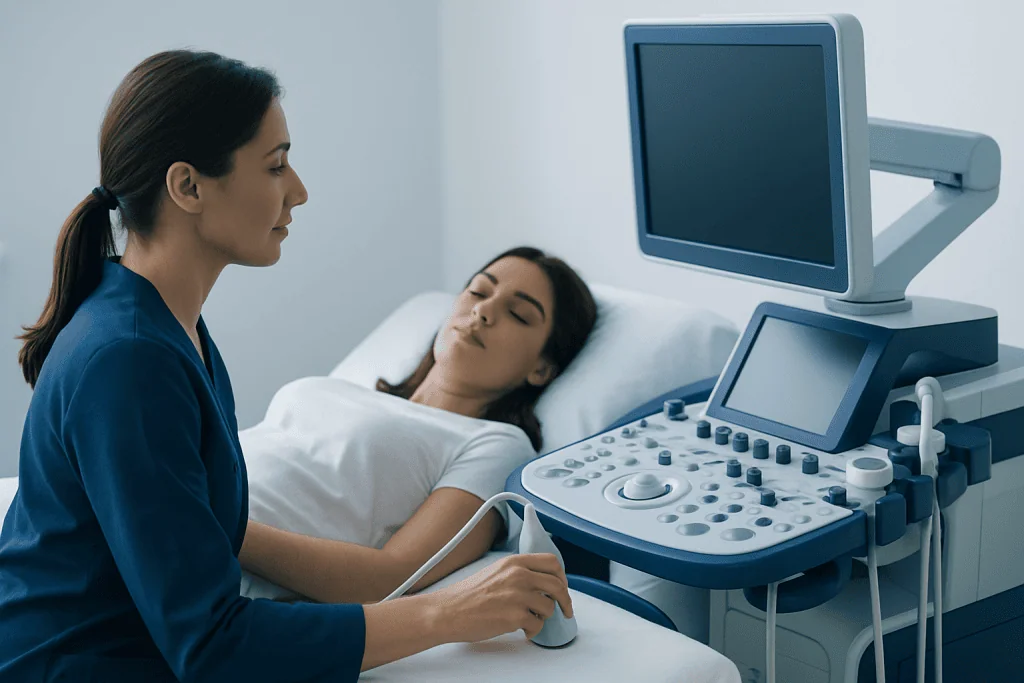
Silent endometriosis may feel like nothing noticeable. Some people only recognize subtle changes after diagnosis, such as mild menstrual cramps, bloating, fatigue, bowel changes around periods, discomfort with sex or occasional pelvic pressure. Others have no symptoms and learn about possible endometriosis during infertility assessment, imaging for an ovarian cyst or surgery for another pelvic condition.
Endometriosis can also coexist with other conditions that cause pelvic symptoms, including irritable bowel syndrome, pelvic floor dysfunction, fibroids or urinary conditions. A careful medical history and examination help clinicians avoid assuming that every symptom is caused by endometriosis.
Not having pain does not prove that endometriosis is absent, and having pain does not confirm it. Assessment is especially worthwhile for people with infertility, a known ovarian endometrioma, a strong family history of endometriosis or persistent cyclic symptoms.
How treatment works and who may be a candidate

Treatment aims differ from person to person. They may include reducing pain, preventing or monitoring complications from ovarian cysts, improving daily comfort, preserving fertility or helping achieve pregnancy. If endometriosis is suspected but causes no symptoms and there is no immediate wish to conceive, watchful waiting with planned review may be reasonable in selected cases.
Hormonal therapies reduce stimulation of endometriosis by changing hormonal signals that drive menstrual cycling. They can reduce pain and limit activity of the condition while they are being used, but they do not permanently eliminate endometriosis. They are generally not used as a way to improve the chance of natural conception because they prevent ovulation or pregnancy during treatment.
Surgery may be considered for a suspicious or large ovarian cyst, significant adhesions, deep endometriosis affecting organs, persistent symptoms, uncertain diagnosis, or selected fertility situations. The decision is individualized, particularly for ovarian surgery, because removing an endometrioma can sometimes reduce ovarian reserve. A gynecologist and, when needed, fertility specialist can discuss the safest approach.
- Observation may suit people without symptoms or concerning findings.
- Hormonal treatment may suit those who do not currently wish to become pregnant and need symptom or disease suppression.
- Fertility evaluation may be appropriate after difficulty conceiving or when other risk factors are present.
- Laparoscopic treatment may be appropriate when its expected benefits outweigh procedural risks.
Laparoscopic treatment: step by step, benefits and risks
Laparoscopy is the usual surgical approach for endometriosis. It is performed under general anesthesia through small abdominal incisions. A surgeon inserts a camera to inspect the pelvis and may remove, excise or destroy visible endometriosis lesions, release adhesions and treat an ovarian endometrioma when appropriate. Tissue may be sent to a laboratory to confirm the diagnosis.
Before surgery, the team reviews symptoms, ultrasound or MRI findings when indicated, fertility goals, prior operations and medical history. Depending on the suspected location of disease, care may involve gynecology alongside colorectal surgery, urology, pain medicine or fertility specialists. This planning is particularly important for deep endometriosis near the bowel, bladder, ureters or nerves.
Potential benefits include confirmation of the diagnosis, removal of treatable lesions or cysts, relief of symptoms when present and improvement of pelvic anatomy affected by adhesions. Surgery does not guarantee that endometriosis will not recur, and its effect on fertility varies according to age, ovarian reserve, fallopian tube function, sperm factors and disease severity.
Risks include bleeding, infection, blood clots, anesthesia-related complications, injury to nearby organs, adhesions and the need for further surgery. For ovarian procedures, there is also a risk of reducing the number of remaining eggs. These risks are uncommon but should be discussed clearly before an operation. Laparoscopic surgery for endometriosis can be planned after individualized evaluation.
Recovery timeline and care after treatment
Recovery after a diagnostic laparoscopy or limited treatment is often measured in days to a few weeks, although recovery differs according to the extent of surgery and the organs involved. Shoulder-tip discomfort from surgical gas, mild abdominal soreness, tiredness, light vaginal bleeding and temporary changes in bowel habits can occur during early recovery.
Patients are usually encouraged to follow their surgical team’s instructions on wound care, activity, driving, work, bathing and sexual activity. Gentle movement can support circulation and comfort, while strenuous activity should be resumed only when advised. Pain relief is individualized and should be used as directed by the treating clinician.
Follow-up allows the team to review pathology results, discuss whether hormonal suppression is appropriate and plan fertility care if pregnancy is desired. Those with more extensive surgery may need a longer recovery plan and coordinated follow-up with the specialties involved.
After treatment, fever, worsening rather than improving pain, persistent vomiting, increasing abdominal swelling, heavy bleeding, redness or drainage from an incision, shortness of breath, or leg swelling should be assessed promptly.
How to get rid of silent endometriosis?
There is currently no treatment that guarantees permanent removal of endometriosis in every person. Visible disease can sometimes be removed surgically, while hormonal treatments can suppress disease activity and help prevent symptoms from returning during use. Endometriosis may recur after surgery, so ongoing follow-up is often part of care.
For silent endometriosis, the best approach is not always active treatment. If there are no symptoms, no concerning cysts or organ involvement, and no current fertility concern, a clinician may recommend monitoring rather than medication or surgery. This avoids unnecessary treatment while maintaining a plan for review if circumstances change.
Lifestyle measures such as regular physical activity, adequate sleep, balanced nutrition and stress support may improve overall wellbeing, but they should not be presented as cures for endometriosis. People considering complementary therapies should discuss them with a clinician to avoid interactions or delays in needed medical care.
Can I get pregnant with silent endometriosis?
Yes. Many people with silent endometriosis conceive naturally. However, endometriosis can be associated with reduced fertility in some individuals because of inflammation, adhesions, effects on the ovaries or fallopian tubes, or changes in pelvic anatomy. Fertility depends on many factors, including age, ovulation, sperm health and tubal function.
A fertility assessment may be helpful if pregnancy has not occurred after an appropriate period of trying, sooner for people aged 35 or older, or earlier still when there are known pelvic abnormalities, irregular ovulation or other fertility concerns. Testing may include ovulation assessment, semen analysis, ultrasound and evaluation of tubal patency when appropriate.
Fertility treatment is tailored to the findings and may include timed intercourse guidance, ovulation induction, intrauterine insemination or assisted reproductive techniques. Endometriosis care is often coordinated with IVF treatment when fertility needs and clinical findings make this a suitable option.
How painful is endometriosis on a scale of 1 to 10?
Endometriosis cannot be assigned one reliable pain score. Some people have no pain at all, while others describe pain that becomes severe enough to interrupt sleep, work, school, relationships or everyday activities. On a 0-to-10 scale, a person’s pain may vary throughout the menstrual cycle and can range from 0 to 10.
A pain score helps communicate how pain feels at a particular time, but it does not measure the amount of endometriosis present. Severe pain deserves assessment even if imaging is normal, and minimal pain does not rule out disease. Keeping a record of timing, intensity, bleeding, bowel or urinary symptoms, and medicines used can help guide a consultation.
New pain, escalating pain or pain with fever, vomiting, fainting, heavy bleeding or a possible pregnancy should not be managed alone. Prompt evaluation helps exclude urgent causes that may not be due to endometriosis.
When to seek medical care
Medical review is appropriate for persistent pelvic pain, painful periods that disrupt normal activities, pain during sex, bowel or bladder symptoms that repeat around menstruation, an ovarian cyst, or difficulty becoming pregnant. A clinician can assess whether endometriosis or another condition may be contributing and discuss suitable next steps.
Urgent medical care is needed for sudden severe pelvic or abdominal pain, fainting, fever, severe vomiting, heavy vaginal bleeding, a positive pregnancy test with pain or bleeding, or symptoms after surgery that suggest infection or a blood clot. These symptoms can have several causes and require timely assessment.
Acibadem International’s multidisciplinary specialists and JCI-accredited hospitals assess and treat endometriosis for international patients, with gynecology, imaging, surgical and fertility expertise available when needed.
Frequently asked questions
Can silent endometriosis be seen on an ultrasound?
Ultrasound can identify some findings associated with endometriosis, especially ovarian endometriomas and, in experienced hands, some deep endometriosis. However, a normal ultrasound does not rule out superficial endometriosis. MRI may be useful in selected cases to map suspected deep disease, while laparoscopy may be needed for definitive confirmation.
Does silent endometriosis always need surgery?
No. Surgery is not automatically needed when endometriosis causes few or no symptoms. Monitoring, hormonal treatment or fertility-focused assessment may be more appropriate depending on the person’s goals and imaging findings. Surgery is considered when there is a clear expected benefit, such as concerning cysts, organ involvement, persistent symptoms or selected fertility indications.
Can hormonal birth control cure silent endometriosis?
Hormonal birth control can suppress endometriosis activity and may reduce symptoms, but it does not cure the condition permanently. Symptoms or disease activity may return after treatment is stopped. It is not suitable for someone trying to become pregnant because it prevents ovulation or pregnancy while being used.
Can endometriosis return after laparoscopic surgery?
Yes, endometriosis can recur after surgery because microscopic lesions may remain or new lesions can develop over time. Recurrence risk differs between individuals and depends on disease type, treatment and hormonal factors. Follow-up and, for those not trying to conceive, postoperative hormonal suppression may be discussed.
Should someone have a fertility test if silent endometriosis is found?
It depends on age, pregnancy plans and other fertility factors. A fertility consultation may be useful when pregnancy is desired soon, conception has not occurred after an appropriate period of trying, or imaging suggests ovarian or tubal involvement. The clinician can recommend only the tests that are relevant to the individual situation.
Can diet remove silent endometriosis?
No specific diet has been proven to remove endometriosis. Nutritious eating patterns and other healthy lifestyle habits can support general health and may help some people manage digestive or inflammatory symptoms. They should complement, not replace, medical assessment and individualized treatment.
References
- World Health Organization
- American College of Obstetricians and Gynecologists
- European Society of Human Reproduction and Embryology
- National Institute for Health and Care Excellence
- Mayo Clinic
This article is for general information only and is not a substitute for professional medical advice. Please consult a qualified doctor about your individual situation.
Endometriosis in Turkey — costs, top hospitals & a free quote
JCI-accredited · board-certified surgeons · reply within 24h
Add us as a Preferred Source to see more of our trusted health content across Google Search, AI Overviews and Discover.
Check your numbers in seconds
BMI, calories, due date, blood pressure and 30+ more clinical calculators — free, instant, doctor-reviewed ranges.

Gynecology & Obstetrics
Women’s health across pregnancy, gynecologic surgery and high-risk pregnancy care.
187 specialists in this unit