

Sinus Lift Surgery: Preparing the Upper Jaw for Dental Implants

Sinus lift surgery adds bone beneath the maxillary sinus to create enough support for dental implants in the upper back jaw. A dentist or oral surgeon plans the procedure using dental examination and imaging, often including 3D cone beam CT scans.
Key Takeaways
- Sinus lift surgery adds bone beneath the maxillary sinus to create enough support for dental implants in the upper back jaw.
- A dentist or oral surgeon plans the procedure using dental examination and imaging, often including 3D cone beam CT scans.
- Healing takes time because the grafted bone must integrate before implants can be placed, unless immediate placement is suitable in selected cases.
- Following aftercare instructions, especially avoiding nose blowing and smoking, helps protect the sinus membrane and graft site.
- Most people return to light daily activities within a few days, but complete bone healing may take several months.
Sinus lift surgery is a bone grafting procedure that increases bone height in the upper back jaw so dental implants can be placed more securely. It is commonly recommended when the maxillary sinus is close to the jawbone or bone has been lost after tooth loss, gum disease, or natural anatomy.
Overview
Sinus lift surgery, also called sinus augmentation or maxillary sinus floor elevation, is a dental bone grafting procedure used to prepare the upper back jaw for dental implants. It increases the amount of bone between the mouth and the maxillary sinus, which is the air-filled space located behind the cheeks and above the upper teeth.
Dental implants need enough healthy bone to hold them firmly. In the upper molar and premolar area, bone may be naturally thin, or it may shrink after teeth have been missing for a long time. When the sinus floor is too close to the jaw ridge, an implant may not have enough bone support unless additional bone is created first.
During a sinus lift, the sinus membrane is gently raised and bone graft material is placed underneath it. Over time, the graft becomes integrated with the patient’s own bone. This creates a stronger foundation for implant placement and long-term function.
Why Sinus Lift Surgery May Be Needed
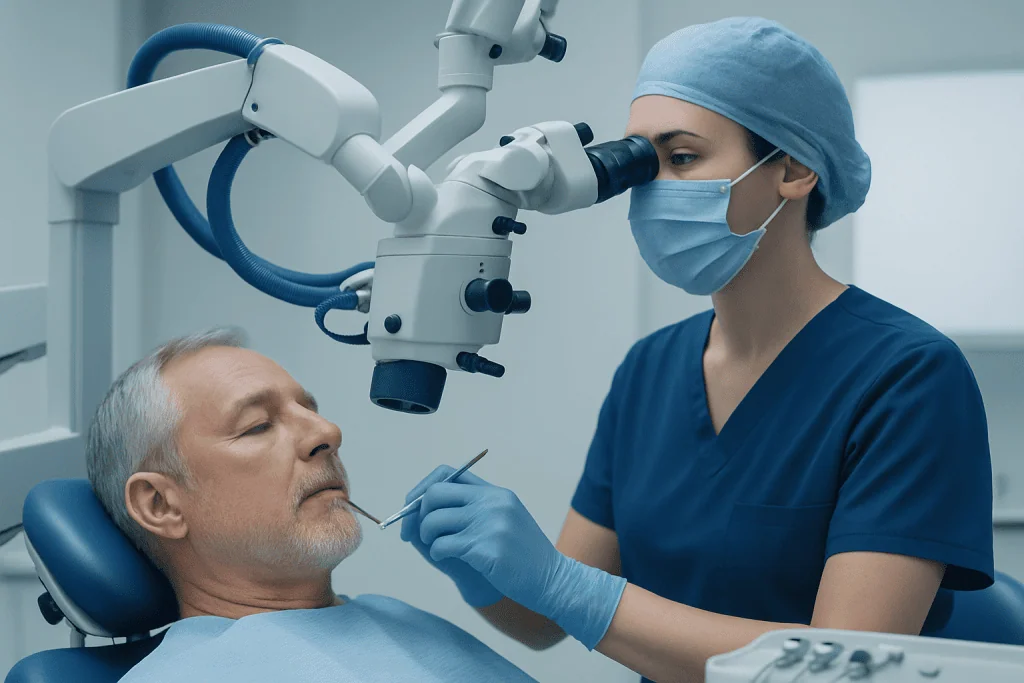
A sinus lift may be recommended when a person wants dental implants in the upper back jaw but has insufficient bone height. This is especially common after the loss of upper molars, because the bone that once supported the tooth roots gradually resorbs, or shrinks, when it is no longer stimulated by chewing forces.
The maxillary sinus can also expand downward over time, a process called sinus pneumatization. This reduces the available bone space even further. Some people naturally have large sinuses or thinner upper jawbone, making implant planning more complex even if tooth loss was recent.
Common reasons for reduced bone in the area include:
- Long-term tooth loss in the upper molar or premolar region
- Advanced gum disease that has damaged supporting bone
- Previous dental infections or trauma
- Natural variations in sinus size and jawbone anatomy
- Bone loss after tooth extraction
A sinus lift is not needed for every upper jaw implant. The decision depends on imaging results, the number and position of implants, general health, oral hygiene, and the quality of existing bone.
How the Procedure Is Performed
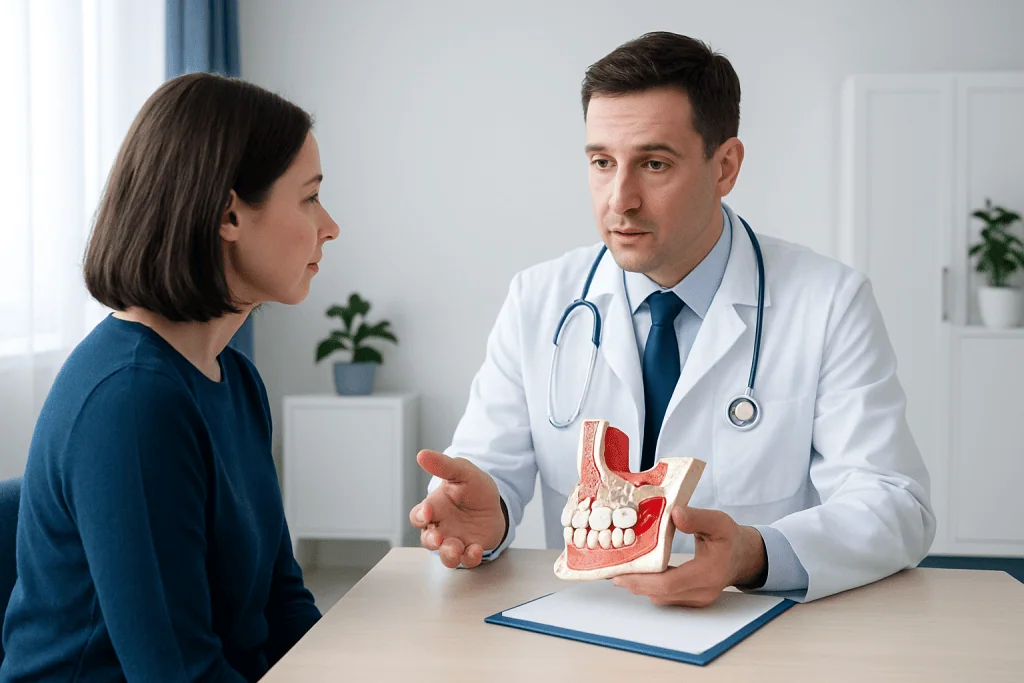
Sinus lift surgery is usually performed by an oral and maxillofacial surgeon, periodontist, or implant dentist with advanced training in bone grafting. Local anesthesia is commonly used, and sedation may be considered for anxious patients or longer procedures. The surgical plan is individualized according to bone height, sinus anatomy, and whether implants will be placed at the same visit.
In a traditional lateral window sinus lift, the dentist makes a small opening in the gum at the side of the upper jaw. A small window is created in the bone to access the sinus membrane. The membrane is carefully lifted, and bone graft material is placed into the space beneath it. The gum is then closed with stitches.
In selected cases with only a small amount of additional height needed, a crestal or internal sinus lift may be used through the implant site. This approach is generally less extensive, but it is not suitable for every patient. Sometimes dental implants can be placed at the same time as the graft if there is enough existing bone to stabilize them. In other cases, the implant is placed after several months of healing.
Diagnosis and Treatment Planning
Careful planning is essential before sinus lift surgery. The dental team reviews the patient’s medical history, medications, previous dental treatment, sinus symptoms, smoking status, and oral hygiene. Conditions such as uncontrolled diabetes, untreated gum disease, or active sinus infection may need to be managed before surgery.
Imaging plays a central role. Dental X-rays can show the general bone level, while cone beam computed tomography, often called CBCT, provides a 3D view of the jawbone and sinus. CBCT helps the clinician measure bone height and width, identify sinus septa or anatomical variations, and plan a safe surgical approach.
The type of graft material is also discussed. Options may include the patient’s own bone, donor bone, animal-derived bone, synthetic graft material, or a combination. Each has specific advantages and considerations. The dentist explains the expected timeline, whether implants can be placed immediately or later, and how many follow-up visits are needed.
Recovery and Aftercare
Most patients experience mild to moderate swelling, tenderness, and small amounts of bleeding in the first few days after sinus lift surgery. These effects are expected and usually improve gradually. The dental team may prescribe or recommend pain relief, antimicrobial mouth rinse, antibiotics when appropriate, and specific instructions for keeping the area clean.
Protecting the sinus membrane is an important part of recovery. Patients are usually advised not to blow their nose, use straws, smoke, or sneeze with the mouth closed for a period recommended by the surgeon. Pressure changes can disturb the graft or affect the healing sinus membrane. If sneezing is unavoidable, keeping the mouth open can reduce pressure.
Helpful aftercare measures may include:
- Resting and avoiding strenuous activity for the first few days
- Applying cold compresses as instructed to reduce swelling
- Eating soft foods and avoiding chewing directly on the surgical side
- Maintaining gentle oral hygiene without disturbing the stitches
- Attending all follow-up appointments to monitor healing
Healing of the gum tissue may occur within weeks, but bone maturation takes longer. Many patients wait several months before implant placement, depending on the graft size, bone quality, and the surgeon’s assessment.
Benefits, Risks, and Success Factors
The main benefit of sinus lift surgery is that it can make dental implant treatment possible in an area where there is not enough bone. By improving bone height and volume, the procedure helps create a more stable foundation for implants and may reduce the need for removable dentures or less ideal prosthetic options.
As with any surgical procedure, there are possible risks. These may include swelling, bleeding, infection, delayed healing, graft failure, or sinus membrane perforation. A small perforation can often be repaired during surgery, but larger problems may require delaying graft placement. Rarely, sinus congestion or sinusitis may develop and need medical evaluation.
Several factors support good healing. These include excellent oral hygiene, control of gum disease, not smoking, following postoperative instructions, and managing medical conditions that affect healing. The experience of the surgical team and careful imaging-based planning also help reduce complications and improve predictability.
Prevention, Self-Care, and Long-Term Implant Health
Not all bone loss can be prevented, but early dental care can reduce the chance that extensive grafting will be needed later. Replacing missing teeth in a timely way, treating gum disease, and attending routine dental check-ups help preserve oral health. In some cases, socket preservation bone grafting at the time of extraction may reduce later bone shrinkage.
After implants are placed, long-term maintenance is important. Dental implants do not decay like natural teeth, but the gum and bone around them can become inflamed. Regular professional cleaning, effective home care, and monitoring for signs of peri-implant disease help protect the investment in treatment.
Patients should tell their dentist about sinus problems, allergies, frequent infections, or previous sinus surgery. Collaboration between dental and ENT specialists may be helpful for people with ongoing sinus conditions. For international patients, Acibadem International offers evaluation and treatment through multidisciplinary specialists and JCI-accredited hospitals, with care planning adapted to individual needs.
When to See a Doctor or Dentist
A person considering dental implants in the upper back jaw should see an implant dentist or oral surgeon for a detailed assessment. This is especially important if teeth have been missing for a long time, previous X-rays showed bone loss, or a dentist has said that the sinus is close to the implant area.
After sinus lift surgery, patients should contact their dental team if symptoms do not improve as expected or if they develop increasing pain, persistent bleeding, fever, pus, foul taste, worsening swelling, or fluid passing between the mouth and nose. New or worsening sinus symptoms, such as facial pressure or nasal discharge, should also be reported.
Prompt communication helps the clinician manage small problems early and protect the graft. Patients should not change prescribed medicines, rinse aggressively, or try to treat suspected infection without professional advice.
Frequently asked questions
Is sinus lift surgery painful?
The procedure is performed with local anesthesia, and sedation may be available when appropriate, so patients should not feel sharp pain during surgery. Some soreness, swelling, and pressure are common afterward and are usually managed with the care plan provided by the dental team.
How long after a sinus lift can dental implants be placed?
The timeline depends on the amount of existing bone, the size of the graft, and the quality of healing. In some cases, implants are placed at the same appointment, but many patients need several months for the grafted bone to mature before implant placement.
What is the difference between a sinus lift and a bone graft?
A sinus lift is a specific type of bone graft for the upper back jaw. It raises the sinus membrane and places graft material beneath it to increase bone height for dental implants.
Can sinus problems prevent sinus lift surgery?
Active sinus infection or significant uncontrolled sinus disease may need treatment before surgery. People with frequent sinus symptoms should tell their dentist, and an ENT evaluation may be recommended before implant planning.
What should be avoided after sinus lift surgery?
Patients are commonly advised to avoid nose blowing, smoking, using straws, heavy exercise, and sneezing with the mouth closed for the period recommended by the surgeon. These precautions help prevent pressure changes that could disturb the graft or sinus membrane.
Is a sinus lift always necessary for upper jaw implants?
No. Some patients have enough bone for implants without sinus augmentation, while others may be suitable for shorter implants or alternative treatment plans. A clinical examination and 3D imaging help determine the safest and most predictable option.
References
- American Academy of Periodontology
- American Association of Oral and Maxillofacial Surgeons
- European Association for Osseointegration
- International Team for Implantology
- Cochrane Oral Health
This article is for general information only and is not a substitute for professional medical advice. Please consult a qualified doctor about your individual situation.
Dental Implants in Turkey — costs, top hospitals & a free quote
JCI-accredited · board-certified surgeons · reply within 24h
Add us as a Preferred Source to see more of our trusted health content across Google Search, AI Overviews and Discover.

Dental & Oral Health
Full-scope dental care from implants and aesthetics to oral and maxillofacial surgery.
158 specialists in this unitRelated Treatments
More from the Health Library



Related Specialists

Assoc. Prof. Dr. Ferit Bayram
Oral & Dental Health
Dt. Alara Naz Kenir
Oral & Dental Health
Dt. Gonca Katmer
Oral & Dental HealthDt. Doğa Baysal
Oral & Dental Health