Sinus Surgery Recovery: Healing Timeline, Nasal Care, and Follow-Up

Most patients have congestion, drainage, and tiredness for the first several days after sinus surgery. Saline rinses, prescribed medicines, and avoiding nose blowing are important parts of healing.
Key Takeaways
- Most patients have congestion, drainage, and tiredness for the first several days after sinus surgery.
- Saline rinses, prescribed medicines, and avoiding nose blowing are important parts of healing.
- Follow-up visits help the surgeon remove crusting, monitor healing, and lower the risk of complications.
- Recovery time varies by the type of procedure, the extent of sinus disease, and individual health factors.
- Urgent medical advice is needed for heavy bleeding, high fever, severe swelling, vision changes, or breathing difficulty.
Sinus surgery recovery is usually gradual, with the first days focused on rest, nasal care, and bleeding control, followed by several weeks of healing and follow-up visits. Most people improve steadily when they follow their surgeon’s instructions and know which symptoms are expected and which need medical attention.
Overview of Sinus Surgery Recovery
Sinus surgery recovery refers to the healing period after an operation done to improve sinus drainage, reduce blockage, or treat chronic sinus problems that have not responded well to medicines. Many procedures are performed through the nostrils using small instruments and a camera, often called endoscopic sinus surgery. Because the tissues inside the nose and sinuses are delicate, healing takes time even when there are no visible external cuts.
In the first days after surgery, it is common to feel congested and tired. Many patients notice a blocked nose, mild bleeding or pink drainage, pressure, and a temporary change in smell. These symptoms can feel similar to a strong cold, but they are often part of the normal healing process. Improvement is usually gradual rather than immediate.
The exact recovery experience depends on the reason for surgery, how extensive the procedure was, and whether there were additional treatments at the same time, such as correcting a deviated septum or reducing swollen nasal tissue. Patients who have chronic sinusitis may also need ongoing medical treatment to control inflammation after surgery.
Clear instructions from the surgical team are important. Rest, nasal irrigation, medicines as prescribed, and follow-up visits all support healing and help the surgeon check for crusting, swelling, or signs of infection.
Healing Timeline: What to Expect Week by Week
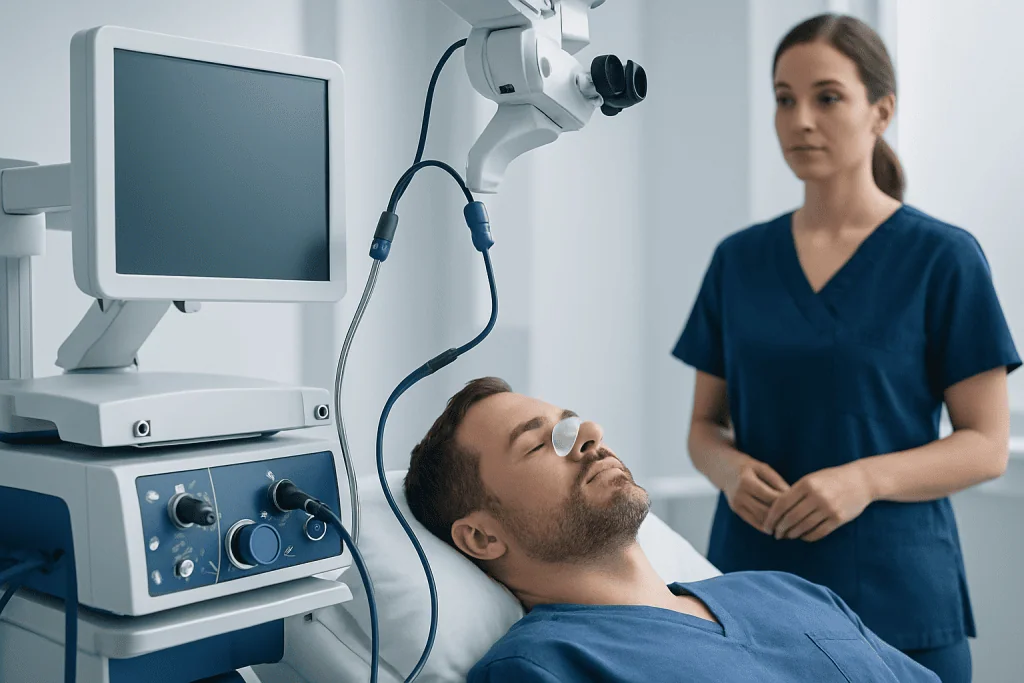
The first 24 to 72 hours are usually the most uncomfortable. The nose may feel very blocked because of swelling, dried blood, mucus, or temporary packing. Mild oozing from the nose is common, especially in the first day or two. Many people also feel pressure in the face, sore throat from mouth breathing, and low energy from the procedure and anesthesia.
During the first week, congestion often continues, and thick drainage or small blood clots may come out during saline rinses. Pain is usually mild to moderate and often improves over several days. Some patients return to light daily activities within a few days, but strenuous exercise, heavy lifting, and bending are usually limited for longer because they can increase bleeding and swelling.
Over weeks two to four, internal swelling slowly decreases. Breathing through the nose may start to improve, although crusting and intermittent blockage are still common. This is also the period when follow-up cleaning by the surgeon may be especially helpful. Nasal symptoms can fluctuate from day to day, so temporary setbacks do not always mean a problem.
By four to six weeks, many patients feel significantly better, though complete internal healing can take longer. If surgery was more extensive or the underlying sinus disease was severe, recovery may continue over several months. The surgeon may adjust treatment during this period to support long-term control of inflammation.
Nasal Care After Surgery

Nasal care is one of the most important parts of sinus surgery recovery. Saline irrigation helps keep the inside of the nose moist, reduces crusting, and gently clears mucus and old blood. The surgical team usually explains when to start rinses and how often to use them. It is best to follow these instructions closely, because the timing may differ depending on the procedure.
Patients are commonly advised not to blow the nose for a period after surgery. Blowing can increase pressure in the healing tissues and may trigger bleeding. Sneezing with the mouth open, avoiding straining, and keeping the head elevated when resting can also reduce pressure and support comfort.
Prescription medicines may include pain relief, antibiotics in selected cases, or nasal steroid treatment to reduce inflammation. A doctor may also recommend septoplasty aftercare guidance when sinus surgery is combined with correction of the nasal septum, because swelling patterns and care needs can overlap. Any medicine should be used exactly as directed, especially sprays or rinses prescribed for the postoperative period.
Helpful self-care steps often include:
- Using saline rinses as instructed
- Sleeping with the head slightly elevated
- Drinking enough fluids unless a doctor advises otherwise
- Avoiding smoke, dust, and strong chemical fumes
- Not lifting heavy objects or doing intense exercise until cleared
- Taking medicines only as prescribed or approved by the surgeon
Common Symptoms and Warning Signs
Several symptoms are expected after sinus surgery. These often include nasal stuffiness, light bleeding, blood-tinged mucus, facial pressure, mild headache, tiredness, and temporary reduction in smell or taste. It is also common for the nose to feel worse before it feels better, because swelling and crusting can block airflow during early healing.
Even normal symptoms should gradually improve. Small amounts of bleeding can happen on and off in the first days, especially after rinses. Discomfort is often manageable with the postoperative plan recommended by the doctor. Crusting and thick drainage may continue for some time and are often treated during follow-up visits.
Some symptoms are not typical and should be reported promptly. Heavy bleeding that does not slow, worsening rather than improving facial pain, fever, marked swelling around the eyes, severe headache, neck stiffness, confusion, or drainage with a strong foul odor may need urgent assessment. Vision changes, double vision, or difficulty breathing should be treated as urgent warning signs.
Patients should not hesitate to contact their surgeon if something feels unusual. Early communication can help distinguish normal healing from a problem and may prevent more serious complications.
Follow-Up Visits and Why They Matter
Follow-up care is a routine and valuable part of sinus surgery recovery. These appointments allow the surgeon to examine the inside of the nose, assess swelling, and remove crusts or debris if needed. This cleaning, sometimes called debridement, can improve comfort and support better healing when recommended by the treating doctor.
During follow-up, the care plan may be adjusted based on how the tissues are healing. Some patients need continued anti-inflammatory treatment because surgery improves drainage but does not cure the tendency toward chronic inflammation. This is especially relevant in people with nasal polyps, allergies, asthma, or recurrent infections.
Patients should bring questions to these visits and report how often they are rinsing, what symptoms they have, and whether any medicine causes irritation. Honest communication helps the team tailor treatment. If ongoing blockage remains a concern, the doctor may discuss the broader management of nasal polyps or related conditions that can affect long-term results.
Near the end of recovery, some patients may benefit from ongoing ENT care to maintain sinus health. At Acibadem International, multidisciplinary specialists in JCI-accredited hospitals diagnose and treat sinus conditions for international patients and provide follow-up plans based on the individual procedure and healing course.
Factors That Can Affect Recovery
Recovery after sinus surgery is not identical for every patient. One of the biggest factors is the extent of the procedure. A limited operation in one area may heal faster than surgery involving multiple sinuses or additional procedures. Combined operations, such as endoscopic sinus surgery with structural nasal correction, can also change the pace of recovery.
Underlying health conditions matter as well. Allergies, asthma, chronic inflammation, smoking, diabetes, immune system problems, and exposure to irritants can slow healing or make symptoms more persistent. Patients who had severe or long-standing disease before surgery may need more time and more postoperative treatment to achieve the best result.
Daily habits can also influence healing. Good hydration, sleep, gentle activity, and careful adherence to rinses and prescribed medicines usually support recovery. In contrast, smoking, vigorous exercise too soon, poor medication adherence, or missed follow-up appointments may increase the risk of irritation, crusting, bleeding, or infection.
Emotional expectations are important too. Many people hope to breathe normally right away, but early congestion is common. Understanding that healing is gradual can make the recovery period less stressful and help patients stay consistent with care.
When to See a Doctor and How to Support Long-Term Sinus Health
Patients should contact their doctor if they have symptoms that seem severe, unusual, or steadily worsening. Red flags include persistent heavy bleeding, fever, increasing facial swelling, worsening pain not relieved by the care plan, dehydration, vomiting that prevents fluid intake, or signs of medication reaction. Urgent help is needed for eye symptoms, severe shortness of breath, or neurological symptoms such as confusion.
For most patients, long-term sinus health depends on more than the operation itself. Surgery can improve anatomy and drainage, but inflammation may still need treatment. Depending on the cause of the sinus problem, a doctor may recommend continuing saline irrigation, allergy management, or nasal steroid therapy after the main recovery period.
Prevention and self-care can help lower the chance of future flare-ups. Common strategies include avoiding tobacco smoke, managing allergies, treating respiratory infections promptly, maintaining indoor humidity at a comfortable level, and following specialist advice for chronic conditions. Some patients with persistent blockage related to the nasal airway may also discuss treatments such as turbinoplasty when medically appropriate.
Anyone preparing for surgery or recovering from it should rely on their own surgeon’s instructions first, because recommendations vary by procedure and individual health. If symptoms raise concern, timely medical advice is always safer than waiting and wondering.
Frequently asked questions
How long does sinus surgery recovery take?
Many patients notice the most discomfort in the first few days and gradual improvement over several weeks. A large part of healing often occurs within four to six weeks, but complete internal recovery can take longer depending on the procedure and the underlying sinus condition.
Is bleeding normal after sinus surgery?
A small amount of bleeding or pink drainage is common, especially during the first day or two. However, heavy bleeding, repeated large clots, or bleeding that does not slow with the postoperative instructions should be reported to the surgical team promptly.
When can normal breathing through the nose return?
The nose often feels more blocked before it feels better because of swelling, mucus, and crusting. Breathing usually improves gradually over the first few weeks, and some patients feel the full benefit only after swelling has settled and follow-up cleaning has been completed.
Why are saline rinses so important after sinus surgery?
Saline rinses help clear mucus, dried blood, and crusts while keeping the nasal lining moist. This can improve comfort, support healing, and lower irritation inside the nose when used exactly as the surgeon recommends.
Can a person exercise after sinus surgery?
Light walking is often encouraged fairly early, but strenuous exercise, heavy lifting, and activities that increase pressure in the head are usually restricted for a period. The exact timing depends on the type of surgery and the surgeon’s instructions.
What symptoms after sinus surgery need urgent medical attention?
Urgent symptoms include heavy bleeding, high fever, worsening swelling around the eyes, severe headache, confusion, vision changes, trouble breathing, or severe pain that is getting worse instead of better. These symptoms are not typical and should be assessed quickly.
References
- American Academy of Otolaryngology–Head and Neck Surgery
- National Health Service
- MedlinePlus
- Mayo Clinic
- Cleveland Clinic
This article is for general information only and is not a substitute for professional medical advice. Please consult a qualified doctor about your individual situation.
Explore treatments in Turkey — costs, top hospitals & a free quote
JCI-accredited · board-certified surgeons · reply within 24h
Add us as a Preferred Source to see more of our trusted health content across Google Search, AI Overviews and Discover.

Otorhinolaryngology (ENT)
Care for ear, nose, throat and head-and-neck conditions, including hearing and balance disorders.
126 specialists in this unit