Skeletal Muscle: An Evidence-Based Guide for Patients
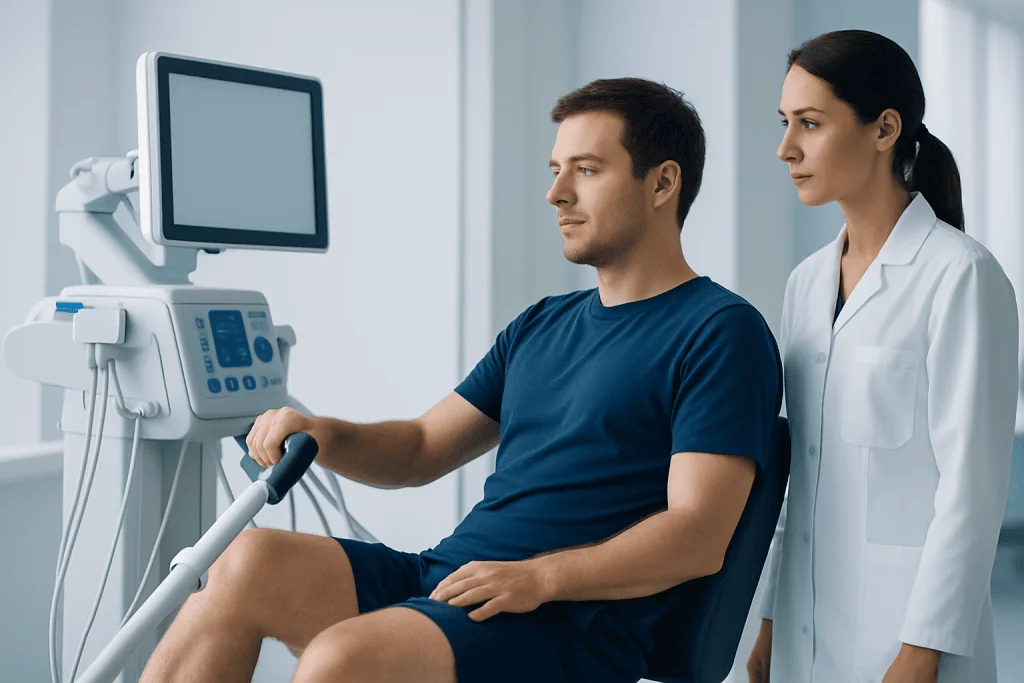
Skeletal muscle controls voluntary movement and helps maintain posture, balance, and joint stability. Common skeletal muscle symptoms include weakness, pain, cramps, stiffness, fatigue, and reduced exercise tolerance.
Key Takeaways
- Skeletal muscle controls voluntary movement and helps maintain posture, balance, and joint stability.
- Common skeletal muscle symptoms include weakness, pain, cramps, stiffness, fatigue, and reduced exercise tolerance.
- Problems can result from strain, inactivity, aging, nerve disorders, autoimmune disease, infections, medications, or inherited conditions.
- Diagnosis may include a physical exam, blood tests, imaging, and sometimes nerve or muscle studies.
- Treatment depends on the cause and may involve rest, exercise therapy, nutrition, medication, or specialist care.
- Prompt medical assessment is important for sudden weakness, severe pain, dark urine, breathing difficulty, or trouble swallowing.
Skeletal muscle is the body’s voluntary muscle tissue. It helps a person move, breathe deeply, maintain posture, protect joints, and support metabolism, and it can be affected by injury, overuse, inflammation, nerve problems, or inherited disease.
Overview: what skeletal muscle is and why it matters
Skeletal muscle is the type of muscle attached to bones and controlled largely by conscious effort. It allows a person to walk, lift, reach, speak, chew, swallow, and make facial expressions. Unlike heart muscle or the smooth muscle in organs, skeletal muscle is designed for movement, posture, and force generation.
This tissue does more than create motion. Skeletal muscle helps stabilize joints, supports balance, protects bones, and plays an important role in energy use. Healthy muscle helps the body handle blood sugar effectively, maintain physical independence, and recover from illness or injury.
Each skeletal muscle is made of bundles of fibers that contract when stimulated by nerves. These fibers work together with tendons, bones, and the nervous system as part of a coordinated movement system. Because of this close connection, muscle symptoms are not always caused by the muscle alone; nerves, joints, metabolism, and circulation can also contribute.
Many patients search for information on skeletal muscle when they notice weakness, pain, cramps, or loss of muscle mass. These symptoms are common and often manageable, but they deserve proper evaluation if they persist, worsen, or interfere with daily life.
How skeletal muscle works in everyday health
Skeletal muscle contracts when signals travel from the brain and spinal cord through nerves to muscle fibers. The fibers shorten and generate force, allowing movement around a joint. Different groups of muscles work together so that one set contracts while another relaxes, producing smooth, controlled motion.
Muscles also work continuously in small ways, even at rest. Postural muscles help keep the head upright, the spine aligned, and the body stable when standing or sitting. During exercise, muscles increase energy use and help regulate body temperature through heat production.
Muscle health depends on several factors: regular activity, adequate protein and overall nutrition, healthy nerve function, normal hormone balance, and sufficient recovery after strain or illness. Sleep, hydration, and underlying medical conditions can also influence strength and endurance.
When skeletal muscle is not used enough, it can shrink and weaken. This process can happen during prolonged bed rest, after an injury, or with aging. On the other hand, appropriately loaded muscle can adapt and become stronger over time, which is why movement and rehabilitation are so important in recovery.
Common symptoms of skeletal muscle problems

Skeletal muscle problems can cause a wide range of symptoms. Some patients notice localized pain after exercise or injury, while others develop more generalized weakness, fatigue, or muscle loss. The pattern, timing, and severity of symptoms can help a doctor identify the underlying cause.
Common symptoms include:
- Muscle weakness or reduced grip strength
- Muscle pain, tenderness, or soreness
- Cramps, spasms, or twitching
- Stiffness or reduced range of motion
- Exercise intolerance or unusual fatigue
- Difficulty climbing stairs, standing from a chair, or lifting objects
- Visible muscle wasting or asymmetry
Some symptoms suggest a broader medical issue rather than a simple strain. For example, muscle weakness together with numbness may point to a nerve problem, while weakness with rash or joint symptoms may suggest an inflammatory condition. Dark urine after severe muscle pain can be a sign of significant muscle breakdown and needs urgent medical attention.
Children, older adults, and people with chronic disease may present differently. In these groups, decreased mobility, frequent falls, or reduced stamina may be the earliest signs that skeletal muscle function needs assessment.
What can affect skeletal muscle: causes and risk factors
Skeletal muscle can be affected by simple mechanical problems such as overuse, poor conditioning, or acute injury. Strains, delayed-onset muscle soreness, and tendon-related pain are among the most common reasons for muscle symptoms. Repetitive activity without enough recovery can also lead to ongoing discomfort and weakness.
Medical conditions may also involve skeletal muscle directly or indirectly. Inflammatory and autoimmune disorders can cause muscle weakness and pain. Inherited neuromuscular conditions, metabolic disorders, infections, electrolyte disturbances, thyroid disease, and vitamin deficiencies can interfere with normal muscle function. Some patients with long-standing nerve conditions also develop muscle wasting because the muscle is not receiving normal stimulation. Related neurological conditions may need assessment alongside muscle symptoms, such as Parkinson’s disease or multiple sclerosis when movement changes suggest a broader nervous system cause.
Certain medicines, especially some cholesterol-lowering drugs and other treatments that affect muscles or nerves, may contribute to muscle pain or weakness in some people. Alcohol misuse, prolonged inactivity, severe systemic illness, and aging-related muscle loss can increase vulnerability as well.
Risk factors for skeletal muscle problems include sudden increases in exercise intensity, poor warm-up habits, dehydration, undernutrition, chronic disease, obesity, smoking, and inadequate recovery after injury or surgery. In older adults, falls and reduced independence can become more likely when muscle strength declines.
How doctors diagnose skeletal muscle conditions
Diagnosis starts with a careful history and physical examination. A doctor will ask when symptoms began, whether they are triggered by activity, and whether there are associated signs such as fever, numbness, joint pain, rash, weight loss, or trouble swallowing. The exam often includes checking strength, muscle bulk, reflexes, gait, balance, and joint movement.
Blood tests may help look for inflammation, electrolyte imbalance, thyroid problems, vitamin deficiencies, infection, or muscle injury markers. These tests do not diagnose every muscle problem on their own, but they can narrow the possibilities and guide the next step.
Imaging and functional testing may also be useful. Ultrasound or MRI can help assess soft tissue injury or inflammation, and in some cases MRI scanning gives a detailed view of muscles and surrounding structures. Nerve conduction studies and electromyography may be recommended when the cause of weakness is unclear or a nerve-muscle communication problem is suspected.
Some patients need specialist evaluation, especially if weakness is progressive, symmetrical, or associated with abnormal blood tests. When a more complex neuromuscular condition is suspected, additional testing may include genetic studies or, less commonly, muscle biopsy. The goal is to identify the exact cause so treatment can be tailored appropriately.
Treatment options for skeletal muscle problems
Treatment depends on the cause, severity, and duration of symptoms. For common strains or overuse injuries, rest from aggravating activity, gradual return to movement, and guided exercise are often enough. Short-term pain relief measures may be used when appropriate, but persistent or unexplained symptoms should not be managed with self-treatment alone.
Physical therapy is an important part of care for many muscle conditions. A structured rehabilitation plan can improve strength, flexibility, posture, balance, and joint protection. In some cases, coordinated physical therapy and rehabilitation helps restore function after injury, surgery, nerve problems, or prolonged inactivity.
When a medical disorder is affecting skeletal muscle, treatment is directed at the underlying cause. This may include correcting hormone or electrolyte problems, treating infection, adjusting medications, or using therapies for inflammatory or autoimmune disease. If nerve compression or spine-related conditions are contributing to weakness or pain, doctors may also evaluate related issues such as herniated disc and consider imaging or specialist treatment.
In selected cases, additional supportive care may be needed, including nutrition counseling, mobility aids, occupational therapy, or specialist neurological assessment. Near the end of the care pathway, some patients benefit from a multidisciplinary review. Acibadem International’s multidisciplinary specialists and JCI-accredited hospitals diagnose and treat skeletal muscle-related conditions for international patients when broader evaluation is needed.
Prevention and self-care for healthier skeletal muscle
Many skeletal muscle problems can be reduced with consistent daily habits. Regular physical activity helps maintain strength, coordination, and endurance. A balanced routine usually includes resistance exercise, aerobic activity, mobility work, and enough recovery time between demanding sessions.
Helpful self-care steps include:
- Increase exercise intensity gradually rather than suddenly
- Warm up before activity and cool down afterward
- Eat a balanced diet with enough protein and key nutrients
- Stay hydrated, especially during heat or exercise
- Prioritize sleep and recovery after training or illness
- Avoid prolonged inactivity when possible
- Address pain early rather than pushing through worsening symptoms
For older adults, strength training and balance work are especially valuable because they help preserve independence and reduce fall risk. During recovery from illness or surgery, supervised exercise may be safer and more effective than trying to restart activity alone.
People with chronic conditions should ask a doctor which activities are safest for them. Exercise is often beneficial, but the right type and pace matter. A personalized plan is especially important for anyone with known neuromuscular disease, severe arthritis, heart disease, or recent injury.
When to seek medical care
A patient should seek medical advice if skeletal muscle symptoms last more than a few days, keep returning, or interfere with work, sleep, walking, exercise, or self-care. Ongoing weakness is especially important to assess, because it may reflect more than simple muscle fatigue.
Prompt medical care is needed for sudden or severe weakness, major swelling after injury, inability to bear weight, or significant pain that does not improve. Urgent assessment is also appropriate for muscle symptoms accompanied by fever, breathing difficulty, trouble swallowing, chest pain, loss of bladder or bowel control, or dark urine.
Children, older adults, and people with chronic disease should be assessed sooner if they appear less active than usual, fall frequently, or have unexplained loss of strength or muscle mass. Early evaluation can help identify treatable causes before function declines further.
When symptoms are complex, referral may involve specialists in orthopedics, neurology, rehabilitation, or imaging. In some cases, doctors may use advanced tests such as EMG testing to better understand muscle weakness or abnormal nerve-muscle signaling.
Frequently asked questions
What is skeletal muscle in simple terms?
Skeletal muscle is the muscle a person uses to move the body on purpose. It attaches to bones and helps with walking, lifting, posture, facial expression, and many other daily activities.
What is the difference between skeletal muscle and other muscle types?
Skeletal muscle is voluntary, meaning it is usually controlled consciously. Cardiac muscle makes up the heart, and smooth muscle is found in organs such as the intestines and blood vessels, where it works automatically.
Why does skeletal muscle become weak?
Muscle weakness can happen because of inactivity, injury, aging, poor nutrition, medication effects, nerve problems, or underlying medical conditions. If weakness is persistent, worsening, or unexplained, a doctor should evaluate it.
Can skeletal muscle pain be normal after exercise?
Mild soreness after unaccustomed or intense exercise is common and usually improves within a few days. Severe pain, marked swelling, or pain with weakness, fever, or dark urine is not typical and needs medical assessment.
How can a person keep skeletal muscle healthy?
Regular exercise, especially strength training, helps maintain muscle mass and function. Good nutrition, hydration, sleep, and avoiding long periods of inactivity also support healthy skeletal muscle.
When should muscle symptoms be checked by a doctor?
A doctor should assess symptoms that are severe, recurrent, progressive, or affecting normal activities. Urgent care is important for sudden weakness, difficulty breathing or swallowing, major injury, or dark urine after muscle pain.
References
- National Institute of Arthritis and Musculoskeletal and Skin Diseases
- National Institute of Neurological Disorders and Stroke
- MedlinePlus
- American Academy of Orthopaedic Surgeons
- World Health Organization
This article is for general information only and is not a substitute for professional medical advice. Please consult a qualified doctor about your individual situation.
Medical weight-loss options in Turkey — costs & eligibility
JCI-accredited · board-certified surgeons · reply within 24h
Add us as a Preferred Source to see more of our trusted health content across Google Search, AI Overviews and Discover.