Skin Problems That Need a Doctor: Early Warning Signs to Watch For

A rash, sore, lump, or mole that changes, spreads, bleeds, or does not heal should be assessed by a doctor. Skin pain, swelling, warmth, pus, or fever may suggest infection and needs prompt medical attention.
Key Takeaways
- A rash, sore, lump, or mole that changes, spreads, bleeds, or does not heal should be assessed by a doctor.
- Skin pain, swelling, warmth, pus, or fever may suggest infection and needs prompt medical attention.
- Sudden widespread rashes, blistering, or skin symptoms with trouble breathing are urgent warning signs.
- Persistent itching, scaling, discoloration, or recurring flares may point to an underlying skin condition that needs treatment.
- People with diabetes, weak immunity, or a history of skin cancer should seek care sooner for new skin changes.
Many skin changes are minor and improve with simple care, but some symptoms should be checked by a doctor. Early medical attention can help identify infections, allergic reactions, inflammatory skin conditions, or skin cancer before they become more serious.
Overview: when a skin problem should not be ignored
The skin often reflects everyday irritation, dryness, sun exposure, allergies, or minor infections. Many common problems improve with gentle skin care, avoiding triggers, and time. However, some skin changes are early warning signs of a condition that needs medical attention, especially if the change is new, rapidly worsening, painful, or persistent.
Skin problems that need a doctor include sores that do not heal, moles that change in shape or color, widespread rashes, blisters, signs of infection, and symptoms that interfere with sleep or daily life. A doctor can help identify whether the cause is inflammatory, infectious, allergic, autoimmune, or cancer-related and recommend the right treatment.
Prompt evaluation is especially important in infants, older adults, and people with diabetes, poor circulation, cancer treatment, or a weakened immune system. In these groups, even a small skin injury or rash can become more serious if it is left untreated.
Warning signs to watch for
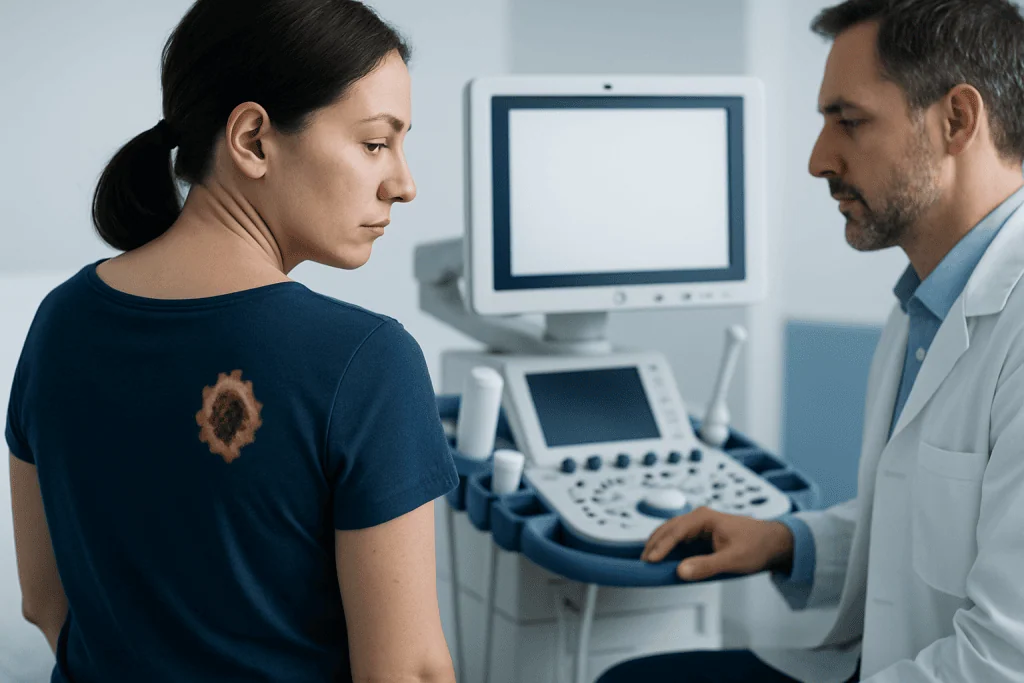
Certain symptoms make a skin problem more likely to need medical care. One important sign is a spot, mole, or patch that changes over time. A new growth, uneven border, multiple colors, bleeding, crusting, or a sore that does not heal should be examined, as these can sometimes be signs of skin cancer.
Another warning sign is infection. Redness that spreads, warmth, swelling, tenderness, pus, or bad-smelling drainage may suggest a bacterial infection. Fever, chills, or red streaks extending from the area increase the need for urgent assessment.
Widespread rashes also deserve attention, especially when they appear suddenly or involve the face, eyes, mouth, genitals, palms, or soles. Blistering, skin peeling, or hives with swelling of the lips or difficulty breathing should be treated as urgent symptoms.
It is also wise to seek care for severe itching, pain, recurrent flares, thick scaling, unexplained bruising, or darkening or lightening of the skin that persists. These symptoms may not be emergencies, but they can signal a chronic skin condition or an internal health issue that benefits from diagnosis.
Common skin problems that may need a doctor

Not every rash or bump is dangerous, but some common conditions should be checked if they are severe, persistent, or unusual. Eczema can cause dry, itchy, inflamed skin, but medical review is helpful when symptoms are widespread, cracked, infected, or not improving. Psoriasis can also cause thick, scaly plaques and sometimes affects the nails or joints. Persistent inflammatory symptoms may need specialist care for eczema or psoriasis.
Acne is another frequent concern. While mild acne may improve with nonprescription products, deeper painful cysts, scarring, or acne that affects confidence and daily life may need medical treatment. In some cases, a dermatologist may recommend acne treatment tailored to the person’s skin type and severity.
Fungal infections, contact dermatitis, hives, and rosacea can also look similar to other conditions. Because many skin diseases overlap in appearance, it is not always easy to tell the difference at home. A correct diagnosis helps avoid using the wrong cream or delaying proper treatment.
- Sores or ulcers that do not heal
- Changing moles or new unusual growths
- Painful boils, abscesses, or draining lesions
- Blistering rashes or skin peeling
- Severe dandruff, scalp inflammation, or hair loss with rash
Possible causes and risk factors
Skin warning signs can have many causes. Infections may be caused by bacteria, fungi, viruses, or parasites. Allergic reactions can develop after contact with soaps, cosmetics, metals, fragrances, plants, or medications. Chronic inflammatory diseases such as eczema, psoriasis, and rosacea can lead to long-term redness, dryness, scaling, or itching.
Sun exposure is one of the most important risk factors for suspicious moles and nonhealing skin lesions. Tanning beds, repeated sunburns, fair skin, a personal or family history of skin cancer, and many moles can all increase risk. Immune suppression and older age may also raise the chance of certain skin cancers and infections.
Other factors include diabetes, obesity, poor circulation, autoimmune disease, pregnancy-related changes, stress, and certain medicines. Even habits such as scratching, picking, or sharing personal items can worsen skin damage or spread infection. Understanding the likely cause helps guide treatment and prevention.
How doctors diagnose concerning skin changes
Diagnosis usually begins with a careful medical history and skin examination. The doctor may ask when the problem started, whether it itches or hurts, what products have been used, whether there was recent illness or travel, and whether similar skin problems have happened before. Photos showing how the rash or lesion changed over time can also be useful.
In many cases, the skin can be diagnosed based on appearance and location alone. If the picture is less clear, the doctor may recommend tests such as a skin swab, scraping, patch testing, blood tests, or a biopsy. A biopsy involves removing a small sample of skin to examine under a microscope and can be very helpful for suspicious moles, persistent rashes, and unexplained lesions.
Imaging is not commonly needed for routine skin complaints, but deeper infections, soft tissue lumps, or advanced disease may require further assessment. If a lesion looks potentially cancerous, the doctor may refer the person for dermatology care or arrange removal and laboratory analysis.
Treatment options and why early care matters
Treatment depends on the cause. Bacterial infections may need antibiotics or drainage, fungal infections may need antifungal medication, and allergic or inflammatory rashes may improve with medicated creams, moisturizers, or other prescription treatments. Suspicious lesions may need close monitoring, biopsy, or removal.
Early treatment can reduce pain, limit scarring, prevent infection from spreading, and improve quality of life. This is particularly important for conditions that affect sleep, self-esteem, work, or school. When skin cancer is detected early, treatment is often simpler than when diagnosis is delayed.
Doctors may also suggest procedures for selected skin problems, such as removal of abnormal lesions or treatment of chronic vein-related ulcers and swelling. Depending on the diagnosis, management may involve skin cancer treatment or support from other specialties if the skin findings are linked to a broader health condition.
Near the end of the care journey, some people benefit from coordinated follow-up with a multidisciplinary team. Acibadem International’s specialists in JCI-accredited hospitals diagnose and treat skin conditions for international patients when advanced evaluation or ongoing management is needed.
Self-care, prevention, and skin checks
Healthy skin habits can lower the chance of irritation and help people notice problems earlier. Gentle cleansing, regular moisturizing, and avoiding harsh scrubs or fragranced products can support the skin barrier. Sunscreen, protective clothing, and shade are important for preventing sun damage and reducing the risk of skin cancer.
It also helps to avoid scratching, squeezing lesions, or using strong treatments without medical advice, since these can worsen inflammation or cause infection. For possible contact dermatitis, stopping any new skin product and keeping a record of triggers may be useful until a doctor is seen.
Regular self-checks are especially helpful for people with many moles or a history of sun damage. Looking at the scalp, back, nails, and soles can help spot early changes. A simple guide is to watch for asymmetry, irregular borders, color changes, increasing size, or any lesion that looks different from others on the skin.
When to see a doctor urgently
Urgent medical care is important if skin symptoms are accompanied by trouble breathing, facial or tongue swelling, faintness, or rapidly spreading hives. Emergency attention is also needed for extensive blistering, peeling skin, purple rashes with fever, or a skin infection that is quickly worsening.
A prompt doctor visit is also recommended for any sore that does not heal within a few weeks, a mole that changes, persistent bleeding or crusting, severe pain, or a rash that covers a large area. People with diabetes or poor immunity should seek care sooner for cuts, foot wounds, and any signs of infection.
Even when a skin change does not seem urgent, it is reasonable to arrange an appointment if it lasts longer than expected or repeatedly returns. Reassurance after a professional exam can be valuable, and if treatment is needed, starting earlier often leads to a smoother recovery.
Frequently asked questions
How can someone tell if a rash is serious?
A rash may be more serious if it spreads quickly, causes pain, blistering, skin peeling, fever, or swelling of the face or lips. It should also be checked if it involves the eyes, mouth, or genitals, or if it does not improve as expected.
Should a changing mole always be seen by a doctor?
Yes. A mole or skin spot that changes in size, shape, color, or sensation should be assessed by a doctor, especially if it bleeds, crusts, or looks different from other moles. Many changes are not cancer, but they still deserve evaluation.
When is a skin infection urgent?
A skin infection needs prompt care if there is spreading redness, warmth, swelling, pus, severe pain, fever, or red streaks. People with diabetes, circulation problems, or weak immunity should seek medical advice early because infections can worsen faster.
Can persistent itching happen without a rash?
Yes. Ongoing itching may sometimes occur before a rash becomes visible, or it may be linked to dry skin, allergies, medication effects, or other medical conditions. If itching is severe, keeps returning, or disturbs sleep, a doctor should evaluate it.
Is a sore that does not heal always cancer?
No. A nonhealing sore can result from friction, infection, poor circulation, diabetes, or inflammation, as well as skin cancer. Because the causes vary, any sore that does not heal within a few weeks should be examined.
What should be avoided before seeing a doctor for a skin problem?
It is best to avoid picking, scratching, squeezing, or applying many different creams at once, because these can irritate the skin or change its appearance. If possible, a person should note when the problem started, any new products used, and whether photos show it changing over time.
References
- American Academy of Dermatology
- National Health Service
- Mayo Clinic
- World Health Organization
- Centers for Disease Control and Prevention
This article is for general information only and is not a substitute for professional medical advice. Please consult a qualified doctor about your individual situation.
Oncology care in Turkey — second opinion and treatment plan
JCI-accredited · board-certified surgeons · reply within 24h
Add us as a Preferred Source to see more of our trusted health content across Google Search, AI Overviews and Discover.