Sleep Apnea and the Brain: When to Seek a Neurology Second Opinion
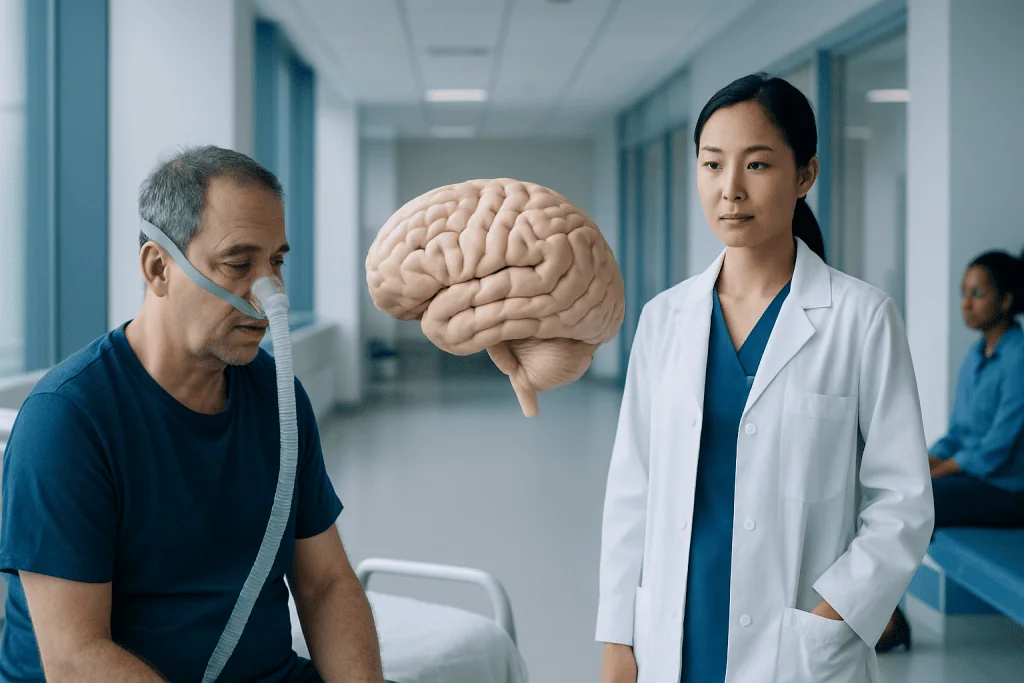
Sleep apnea can affect concentration, memory, mood, and daytime alertness because repeated breathing pauses disrupt oxygen levels and sleep quality. A neurology second opinion may be useful if symptoms suggest another brain or nerve condition, or if treatment is not improving daytime functioning.
Key Takeaways
- Sleep apnea can affect concentration, memory, mood, and daytime alertness because repeated breathing pauses disrupt oxygen levels and sleep quality.
- A neurology second opinion may be useful if symptoms suggest another brain or nerve condition, or if treatment is not improving daytime functioning.
- Obstructive and central sleep apnea have different causes, and central sleep apnea may require a closer neurological or cardiopulmonary evaluation.
- Diagnosis often includes a sleep study, but some people also need brain, nerve, or imaging assessments based on their symptoms.
- Effective treatment can improve sleep quality and may help reduce cognitive and daytime symptoms over time.
Sleep apnea does not only affect breathing during sleep; it can also influence memory, attention, mood, headaches, and overall brain health. A neurology second opinion may be helpful when symptoms are unusual, severe, or continue despite standard treatment.
Overview: How Sleep Apnea Can Affect the Brain
Sleep apnea is a sleep-related breathing disorder in which breathing repeatedly slows or stops during sleep. These pauses can lower oxygen levels, fragment normal sleep, and prevent the brain from moving smoothly through the sleep stages needed for restoration, memory processing, and daytime alertness. Over time, this can affect how a person feels, thinks, and functions during the day.
The two main types are obstructive sleep apnea, caused by collapse or blockage of the upper airway, and central sleep apnea, in which the brain does not consistently send the right signals to the breathing muscles. Both can disturb brain function, but central sleep apnea may raise more questions about underlying neurological, cardiac, or systemic causes. Understanding the difference is important when symptoms do not fit a typical pattern.
The phrase “sleep apnea and the brain” reflects this close two-way relationship. Sleep apnea can contribute to headaches, poor concentration, irritability, slower thinking, and memory complaints. At the same time, some neurological disorders can increase the risk of sleep-disordered breathing or make symptoms more complex.
A second opinion from a neurologist is not necessary for every person with sleep apnea. However, it can be helpful when a diagnosis is uncertain, symptoms are unusually severe, there are signs of another neurological problem, or standard treatment is not leading to expected improvement.
Symptoms That May Suggest Brain Involvement
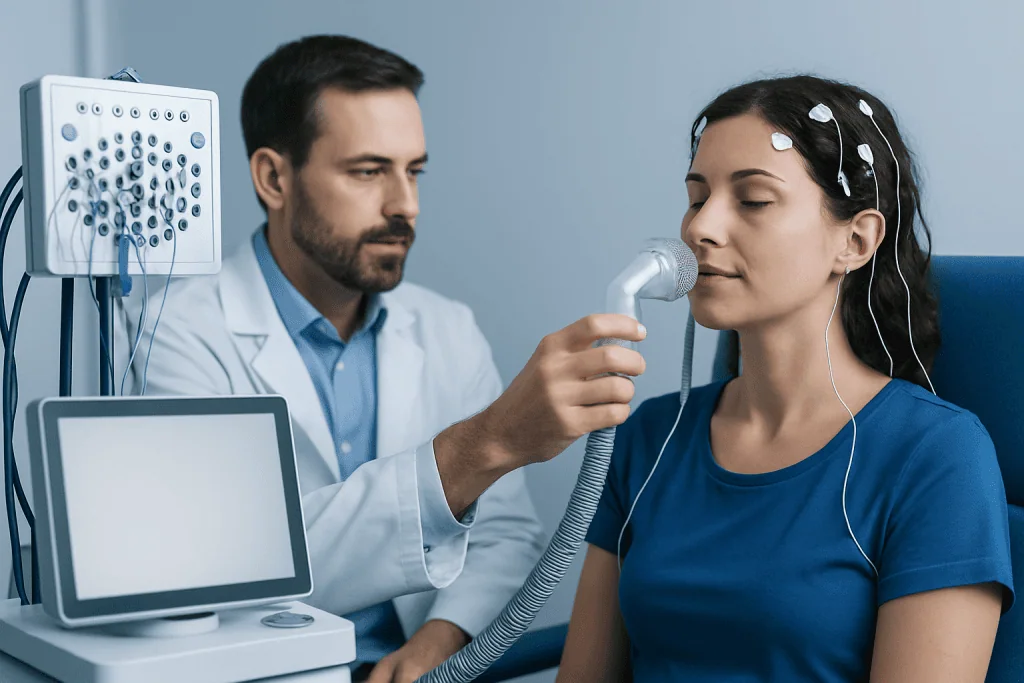
Many people with sleep apnea are first noticed because of loud snoring, choking or gasping during sleep, restless sleep, and excessive daytime sleepiness. These symptoms remain important, but brain-related effects can be just as disruptive. A person may describe persistent “brain fog,” forgetfulness, poor focus, slower reaction time, or difficulty completing familiar tasks.
Mood and behavior changes may also occur. Irritability, low motivation, anxiety, and depressed mood can appear when sleep is repeatedly interrupted. Morning headaches are common and may be related to poor sleep quality, overnight breathing changes, or shifts in carbon dioxide levels. Some people also report reduced work performance or trouble staying alert while driving.
Not every cognitive complaint in a person with sleep apnea is caused by sleep apnea alone. Neurological evaluation may be especially useful if symptoms include weakness, numbness, imbalance, tremor, fainting, seizures, progressive memory loss, sudden personality change, or severe headaches. These are not typical features of uncomplicated obstructive sleep apnea and may point to another condition that needs attention.
Children and older adults can present differently. In children, poor school performance, hyperactivity, irritability, or behavioral changes may be more noticeable than sleepiness. In older adults, confusion, memory concerns, or falls may be wrongly attributed to aging when sleep disruption is part of the problem.
Causes, Risk Factors, and Why Neurology Sometimes Matters

Obstructive sleep apnea is the more common form and is usually linked to airway narrowing during sleep. Risk factors include excess weight, enlarged tonsils, certain jaw or airway structures, nasal blockage, alcohol use near bedtime, and sleeping on the back. Some endocrine and metabolic conditions can also increase risk. Although obstructive sleep apnea starts in the airway, its repeated sleep disruption can still affect the brain and nervous system.
Central sleep apnea is different. It happens when the brain’s control of breathing becomes unstable during sleep. This form may be seen in people with heart failure, stroke, certain neurological diseases, opioid use, or sleep at high altitude. When central events appear on a sleep study, a closer review may be needed to understand whether the breathing problem is primary or part of a broader medical or neurological issue.
A neurology second opinion may also be reasonable when symptoms overlap with other disorders. Daytime fatigue and headaches can occur in migraine, mood disorders, medication side effects, and other sleep disorders. Memory and attention complaints may overlap with memory disorders or other neurological conditions. In some people, snoring and sleepiness are present, but the main problem may include seizures that disrupt sleep or a movement disorder affecting nighttime rest.
Rarely, structural brain problems, neuromuscular diseases, or disorders affecting brainstem function can influence breathing during sleep. This does not mean every person with sleep apnea has a brain disease. Rather, it highlights why persistent, unexplained, or atypical symptoms deserve careful evaluation rather than assumptions.
When to Seek a Neurology Second Opinion
A second opinion can be valuable when a person has been diagnosed with sleep apnea but continues to feel mentally slowed, unusually sleepy, or cognitively impaired despite following treatment. It may also help when the sleep study results and symptoms do not seem to match, such as severe daytime problems with only mild apnea on testing, or when central sleep apnea is suspected.
Neurology input is often appropriate if there are additional nervous system symptoms, including persistent morning headaches, new memory decline, difficulty speaking, weakness, numbness, balance problems, tremor, unusual movements during sleep, or episodes that raise concern for seizures. It can also help when there is a history of stroke, neurodegenerative disease, traumatic brain injury, or neuromuscular illness.
People sometimes seek a second opinion because treatment itself is difficult. For example, if a person cannot tolerate positive airway pressure therapy, wakes feeling panicked, or has ongoing headaches or concentration problems even while using therapy correctly, a more detailed review may reveal a different pressure need, another sleep disorder, or a neurological condition complicating recovery.
It is also reasonable to seek another opinion when test results are unclear, symptoms are progressing, or communication about the diagnosis has felt incomplete. A second opinion should not be seen as a setback. In many cases, it simply helps confirm the diagnosis, improve the treatment plan, and answer unresolved questions with greater confidence.
How Doctors Diagnose Sleep Apnea and Related Neurological Concerns
Diagnosis usually begins with a detailed history from the patient and, when possible, a bed partner or family member who has noticed snoring, choking, pauses in breathing, restless sleep, or unusual nighttime behaviors. The doctor will ask about daytime sleepiness, headaches, concentration, mood, medications, heart and lung conditions, and any neurological symptoms. A physical examination may include the airway, neck, heart, lungs, and a focused neurological assessment.
The main diagnostic test is a sleep study. This may be done at home for selected patients or in a sleep laboratory when the picture is more complex. A sleep study can show how often breathing pauses occur, whether they are obstructive or central, how oxygen levels change, and how sleep is being disrupted. In more complicated cases, an in-lab study gives a fuller picture of brain waves, breathing effort, leg movements, and heart rhythm.
If neurological symptoms are present, additional testing may be needed. Depending on the situation, this can include cognitive screening, brain imaging such as MRI scanning, nerve and muscle testing, or an electroencephalogram if seizures are a concern. These tests are not routine for everyone with sleep apnea, but they can be important when the clinical picture suggests more than sleep-disordered breathing alone.
Sometimes sleep apnea coexists with other disorders rather than fully explaining the symptoms. A careful evaluation may look for conditions such as Parkinson’s disease or other neurological illnesses when symptoms such as tremor, stiffness, acting out dreams, or progressive slowing are present. The goal is to build a complete diagnosis so treatment addresses all contributing factors.
Treatment Options and What Improvement to Expect
Treatment depends on the type and severity of sleep apnea and on any contributing medical conditions. For obstructive sleep apnea, positive airway pressure therapy is often the main treatment. By keeping the airway open during sleep, it can reduce breathing pauses, improve oxygen levels, and allow more normal sleep architecture. Many people notice better daytime alertness and fewer morning headaches once treatment is used consistently, although cognitive recovery may take time.
Other options may include weight management, positional therapy, treatment of nasal obstruction, dental appliances, or surgery in selected cases. Some people benefit from a structured review in a sleep clinic to adjust the mask, pressure settings, comfort features, and treatment goals. If symptoms continue despite apparent adherence, doctors may reassess for central events, insufficient sleep, medication effects, mood disorders, or another sleep condition.
Central sleep apnea treatment focuses on the underlying cause whenever possible. This may involve optimizing heart or neurological care, reviewing medications, or using a specialized form of breathing support. When doctors suspect a broader neurological issue, collaboration between sleep medicine, neurology, pulmonology, cardiology, and sometimes ENT can be helpful.
For selected patients with anatomical airway obstruction, procedures such as septoplasty or tonsil and adenoid surgery may be considered as part of an individualized plan. Near the end of the diagnostic journey, some international patients choose centers such as Acibadem International, where multidisciplinary specialists in JCI-accredited hospitals evaluate sleep apnea and related neurological concerns in a coordinated way.
Self-care, Prevention, and Daily Brain Health
Self-care does not replace medical treatment, but it can support better sleep and daytime functioning. Keeping a regular sleep schedule, limiting alcohol close to bedtime, avoiding sedative medications unless prescribed and reviewed, and sleeping on the side rather than the back may reduce symptoms in some people. Managing weight, staying physically active, and treating nasal congestion can also be helpful.
Brain health habits matter as well. Good sleep hygiene, regular exercise, blood pressure control, diabetes management, smoking cessation, and stress reduction can support both cardiovascular and neurological well-being. If a person is already using positive airway pressure therapy, consistent nightly use and proper equipment fit are important for getting the full benefit.
People with memory or concentration complaints may find it helpful to track symptoms over several weeks. Notes about sleep duration, device use, headaches, daytime alertness, and cognitive performance can help the doctor see patterns and decide whether treatment is working. This is especially useful before a second-opinion visit.
Family members can play an important role. They may notice snoring, pauses in breathing, dream-enactment behaviors, confusion, or signs of excessive fatigue before the patient does. Sharing these observations can make the evaluation more accurate and more efficient.
When to See a Doctor Promptly
Anyone with loud chronic snoring, witnessed breathing pauses, gasping during sleep, morning headaches, or significant daytime sleepiness should discuss these symptoms with a qualified doctor. Evaluation is especially important when sleepiness affects driving, work safety, or daily functioning. Sleep apnea is common and treatable, and seeking help early can reduce the burden of symptoms.
A prompt review is also important if symptoms continue or worsen despite treatment. Persistent brain fog, poor concentration, ongoing headaches, or trouble tolerating therapy may mean the current plan needs adjustment. It may also suggest another sleep, mood, respiratory, or neurological condition that has not yet been identified.
Urgent medical attention is needed for red-flag symptoms such as sudden weakness, facial drooping, new speech difficulty, severe or sudden headache, chest pain, fainting, or seizure-like episodes. These symptoms should not be assumed to be caused by sleep apnea alone. Fast evaluation can be critical.
For people wondering whether to seek a neurology second opinion, a simple rule can help: if the diagnosis is unclear, the symptoms do not fit, or improvement is not happening as expected, asking another specialist to review the case is a sensible and patient-centered step.
Frequently asked questions
Can sleep apnea really affect memory and concentration?
Yes. Repeated breathing pauses can fragment sleep and lower oxygen levels, which may affect attention, memory, reaction time, and mental clarity. Many people improve with treatment, although the timeline can vary depending on severity and other health conditions.
Does everyone with sleep apnea need to see a neurologist?
No. Many people are diagnosed and treated effectively by sleep medicine, pulmonary, ENT, or primary care teams. A neurologist is usually most helpful when symptoms are atypical, central sleep apnea is suspected, or there are additional neurological signs such as seizures, weakness, balance problems, or progressive memory changes.
What is the difference between obstructive and central sleep apnea?
Obstructive sleep apnea happens when the airway narrows or collapses during sleep despite the body trying to breathe. Central sleep apnea happens when the brain does not consistently send stable breathing signals to the respiratory muscles. The distinction matters because the causes and treatment approach may be different.
If treatment is working, how soon should brain fog improve?
Some people notice better alertness within days or weeks, while memory and concentration may take longer to improve. Recovery depends on regular treatment use, overall sleep time, the severity of apnea, and whether another condition is also contributing. If symptoms persist, follow-up with a doctor is important.
Can a normal home sleep test miss a more complex problem?
Sometimes, yes. Home testing can be useful for selected patients with straightforward suspected obstructive sleep apnea, but it gives less detail than an in-lab sleep study. If symptoms are unusual, severe, or suggest another neurological or sleep disorder, an in-lab test may provide more complete information.
Are morning headaches always caused by sleep apnea?
No. Morning headaches can occur with sleep apnea, but they can also be linked to migraine, medication effects, high blood pressure, teeth grinding, or other neurological conditions. Persistent or severe headaches deserve proper medical evaluation rather than self-diagnosis.
References
- American Academy of Sleep Medicine
- National Institute of Neurological Disorders and Stroke
- National Heart, Lung, and Blood Institute
- American Academy of Neurology
- Centers for Disease Control and Prevention
This article is for general information only and is not a substitute for professional medical advice. Please consult a qualified doctor about your individual situation.
Sleep Apnea in Turkey — costs, top hospitals & a free quote
JCI-accredited · board-certified surgeons · reply within 24h
Add us as a Preferred Source to see more of our trusted health content across Google Search, AI Overviews and Discover.

Otorhinolaryngology (ENT)
Care for ear, nose, throat and head-and-neck conditions, including hearing and balance disorders.
126 specialists in this unit