Sleep Apnea: Snoring, Breathing Pauses, and Treatment Options

Loud snoring, witnessed breathing pauses, gasping during sleep and daytime sleepiness are common signs of sleep apnea. Obstructive sleep apnea is the most common type and occurs when the upper airway repeatedly narrows or closes during sleep.
Key Takeaways
- Loud snoring, witnessed breathing pauses, gasping during sleep and daytime sleepiness are common signs of sleep apnea.
- Obstructive sleep apnea is the most common type and occurs when the upper airway repeatedly narrows or closes during sleep.
- Diagnosis usually requires a sleep study, either in a sleep laboratory or at home when appropriate.
- Treatment may include CPAP or APAP therapy, oral appliances, weight management, positional therapy, surgery or treatment of nasal and throat problems.
- People who are very sleepy while driving, have heart disease, or notice breathing pauses during sleep should seek medical advice promptly.
Sleep apnea is a common sleep-related breathing disorder in which breathing repeatedly slows or stops during sleep. With proper diagnosis and treatment, most people can sleep more safely, feel more rested and reduce related health risks.
Overview
Sleep apnea is a sleep disorder in which breathing repeatedly becomes shallow or temporarily stops during sleep. These pauses can last long enough to lower oxygen levels and disturb sleep, even if the person does not fully wake up or remember the event. A bed partner may notice loud snoring, choking sounds, gasping or quiet pauses followed by a sudden breath.
The most common form is obstructive sleep apnea, often called OSA. It happens when muscles and soft tissues in the throat relax during sleep and partly or completely block the upper airway. Central sleep apnea is less common and occurs when the brain does not send regular signals to the breathing muscles. Some people have a combination of both patterns.
Sleep apnea can affect adults and children, although the causes may differ. In adults, it is often linked with anatomy, body weight, age and certain medical conditions. In children, enlarged tonsils or adenoids are common contributors. The condition is treatable, and the right treatment can improve sleep quality, daytime energy, concentration and overall health.
Symptoms and Warning Signs
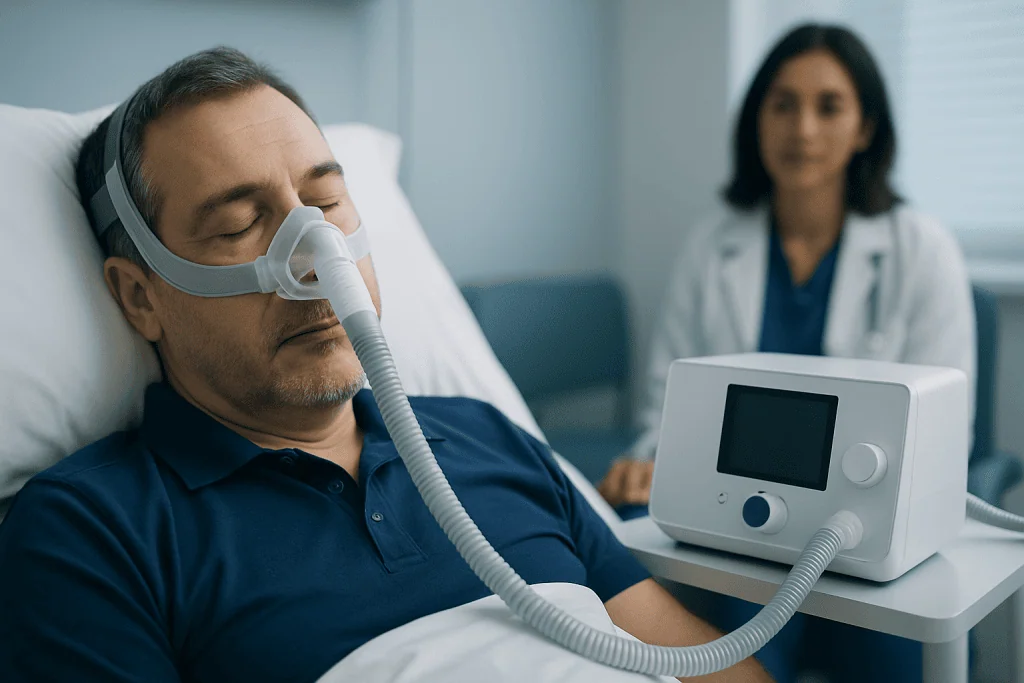
Snoring is one of the best-known signs of sleep apnea, but not everyone who snores has sleep apnea. Snoring that is very loud, irregular, or interrupted by pauses in breathing is more suggestive. Many people first learn they may have sleep apnea because a partner or family member notices gasping, choking, snorting or repeated awakenings.
Daytime symptoms are also important. Because sleep is repeatedly interrupted, a person may feel unrefreshed despite spending enough hours in bed. Morning headaches, dry mouth, difficulty concentrating, mood changes, irritability and reduced work or school performance may occur. Some people experience excessive sleepiness while reading, watching television, sitting in meetings or driving.
Common symptoms include:
- Loud, frequent or disruptive snoring
- Witnessed breathing pauses during sleep
- Gasping, choking or sudden awakenings
- Morning headache or sore, dry throat
- Daytime sleepiness, fatigue or poor concentration
- Frequent nighttime urination or restless sleep
In children, symptoms may look different. A child may snore, breathe through the mouth, sleep restlessly, sweat at night or have pauses in breathing. During the day, children may be sleepy, but they may also appear hyperactive, inattentive or have learning and behavior difficulties.
Causes and Risk Factors
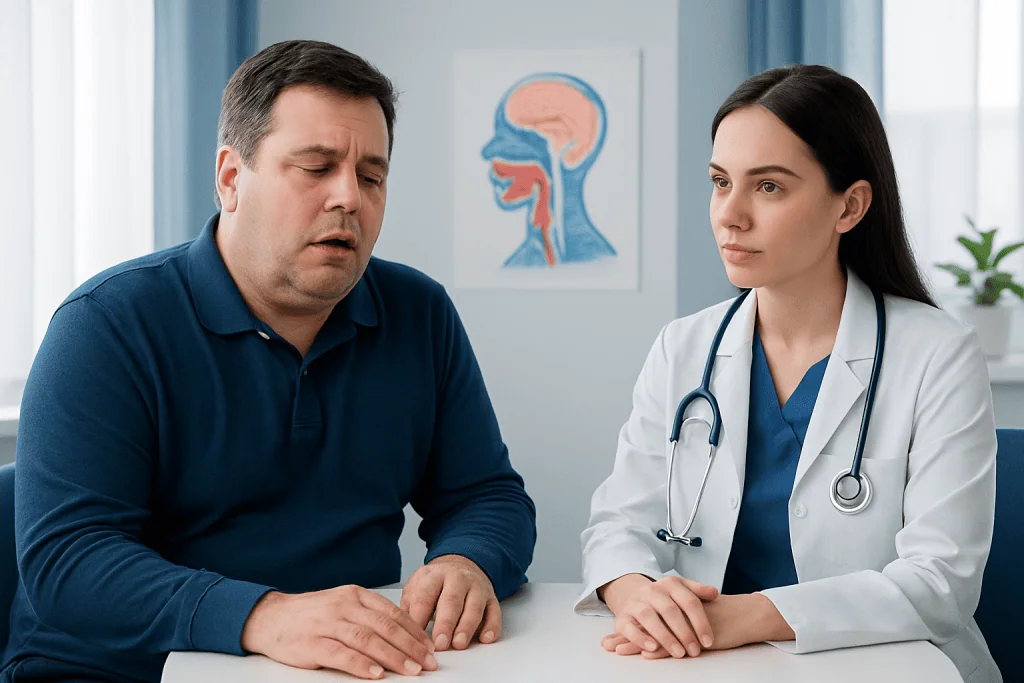
Obstructive sleep apnea occurs when the airway becomes too narrow during sleep. This may happen because of the natural relaxation of throat muscles, a small jaw, a large tongue, enlarged tonsils, nasal blockage or extra soft tissue around the airway. Sleeping on the back can make the airway collapse more easily in some people.
Several factors can increase the likelihood of sleep apnea. Excess weight is a common risk factor because tissue around the neck and upper airway can make breathing more difficult during sleep. However, sleep apnea can also occur in people with a normal body weight, especially when airway anatomy or family tendency plays a role.
Risk factors include older age, male sex, a family history of sleep apnea, a larger neck circumference, smoking, alcohol use in the evening and use of sedative medicines. Nasal allergies, chronic nasal obstruction and certain craniofacial features can also contribute. Medical conditions such as high blood pressure, atrial fibrillation, heart failure, stroke, type 2 diabetes and hypothyroidism may be associated with sleep apnea.
Central sleep apnea has different causes. It may be linked with heart failure, stroke, certain neurological conditions, high altitude exposure or medications that affect breathing control, such as some opioid pain medicines. Because the underlying reasons vary, evaluation by a qualified clinician is important before choosing treatment.
Diagnosis: What to Expect
Diagnosis begins with a medical history and physical examination. The doctor may ask about snoring, witnessed pauses, sleep schedule, daytime sleepiness, medications, alcohol use and other health conditions. Input from a bed partner can be very helpful because the person with sleep apnea may not be aware of nighttime events.
A sleep study is usually needed to confirm the diagnosis and measure severity. The most comprehensive test is polysomnography, performed overnight in a sleep laboratory. It records breathing, oxygen levels, brain activity, heart rhythm, body position, snoring, leg movements and sleep stages. This test can also help distinguish obstructive sleep apnea from central sleep apnea and other sleep disorders.
For some adults with a high likelihood of uncomplicated obstructive sleep apnea, a home sleep apnea test may be appropriate. This test uses portable sensors to measure breathing and oxygen levels during sleep at home. It is more convenient, but it does not collect as much information as a full laboratory study and may not be suitable for people with significant heart, lung or neurological conditions.
Results often include the apnea-hypopnea index, which estimates how many breathing pauses or reductions occur per hour of sleep. Doctors interpret this number together with oxygen levels, symptoms and medical history. Treatment decisions are based on the whole clinical picture, not only on one measurement.
Treatment Options
Treatment depends on the type and severity of sleep apnea, symptoms, airway anatomy and related medical conditions. The goal is to keep breathing stable during sleep, improve sleep quality and reduce strain on the body. Some people need one main treatment, while others benefit from a combination of therapies.
Positive airway pressure therapy is a common and effective treatment for obstructive sleep apnea. CPAP, or continuous positive airway pressure, delivers a steady flow of air through a mask to keep the airway open. APAP, or auto-adjusting positive airway pressure, changes pressure within a prescribed range. BiPAP may be used in selected cases, especially when different pressures are needed for inhaling and exhaling.
Oral appliance therapy may help some people with mild to moderate obstructive sleep apnea or those who cannot tolerate positive airway pressure. These custom devices, fitted by trained dental professionals, move the lower jaw or tongue forward to help keep the airway open. Regular follow-up is important to check comfort, bite changes and effectiveness.
Surgery may be considered when specific anatomical problems are contributing to airway blockage or when other treatments are not successful. Options may include removal of enlarged tonsils, correction of nasal obstruction, soft palate procedures, jaw advancement surgery or selected implantable devices. For children with obstructive sleep apnea caused by enlarged tonsils and adenoids, surgery to remove them may be recommended after specialist evaluation.
Prevention and Self-Care
Not every case of sleep apnea can be prevented, especially when anatomy or medical conditions are involved. However, healthy daily habits can reduce symptoms and improve treatment results. Weight management, if recommended by a doctor, may reduce airway narrowing and is often part of long-term care for obstructive sleep apnea.
Sleep position can make a difference for some people. Breathing pauses may be more frequent when sleeping on the back, so side-sleeping strategies or positional therapy may help in selected cases. Elevating the head of the bed may improve comfort for some individuals, although it is not a substitute for medical treatment when sleep apnea is moderate or severe.
Alcohol and sedative medicines can relax throat muscles and worsen airway collapse. People with suspected or diagnosed sleep apnea should discuss sleeping pills, anxiety medicines, opioid pain medicines and alcohol use with their clinician. Smoking can irritate the airway and contribute to nasal and throat inflammation, so stopping smoking supports better breathing and overall health.
Good treatment habits are important. People using CPAP or APAP should report mask discomfort, air leaks, dry mouth or nasal congestion rather than stopping therapy on their own. Mask refitting, humidification, pressure adjustment or treatment of nasal symptoms can often make therapy easier to use consistently.
When to See a Doctor
A medical evaluation is recommended if loud snoring is accompanied by breathing pauses, gasping, choking, restless sleep or daytime sleepiness. It is also important to seek advice if fatigue affects driving, work safety, school performance or daily functioning. People with high blood pressure, heart rhythm problems, heart failure, stroke history or type 2 diabetes should mention possible sleep apnea symptoms to their doctor.
Urgent medical attention is needed for severe shortness of breath, chest pain, fainting, new confusion or symptoms of a stroke, whether they occur during the day or night. These symptoms are not typical simple snoring concerns and should be assessed immediately.
Patients should not self-diagnose or buy treatment devices without guidance. The best treatment depends on the type of sleep apnea, severity and individual anatomy. A qualified sleep medicine specialist, pulmonologist, ENT specialist, neurologist, cardiologist or dentist trained in sleep medicine may be involved in care.
For international patients, Acibadem International provides access to multidisciplinary specialists and JCI-accredited hospitals that diagnose and treat sleep apnea, including sleep studies, ENT evaluation and individualized therapy planning. Patients should bring prior sleep study results, medication lists and relevant medical records to help the care team make informed decisions.
Frequently asked questions
Is snoring always a sign of sleep apnea?
No. Many people snore without having sleep apnea, especially during colds, allergy flare-ups or after alcohol use. Snoring is more concerning when it is loud, frequent, irregular or accompanied by pauses in breathing, gasping or daytime sleepiness.
Can sleep apnea occur in people who are not overweight?
Yes. Although excess weight increases the risk of obstructive sleep apnea, people with normal body weight can also have it. Jaw shape, airway anatomy, enlarged tonsils, nasal obstruction, age and family history can all contribute.
What is the difference between CPAP and APAP?
CPAP provides one continuous pressure level throughout the night to keep the airway open. APAP automatically adjusts the pressure within a range prescribed by the doctor, depending on breathing patterns. The best option depends on the sleep study results, comfort and medical needs.
Will losing weight cure sleep apnea?
Weight loss can reduce the severity of obstructive sleep apnea in some people, and it may improve treatment results. However, it does not cure every case because airway anatomy and other health factors may still cause breathing problems during sleep. Follow-up testing may be needed before changing or stopping treatment.
Can children have sleep apnea?
Yes. In children, obstructive sleep apnea is often related to enlarged tonsils or adenoids, but allergies, obesity and facial structure can also play a role. Symptoms may include snoring, restless sleep, mouth breathing, behavior changes or learning difficulties. A pediatrician or ENT specialist can guide evaluation and treatment.
Is sleep apnea dangerous if left untreated?
Untreated sleep apnea can affect sleep quality, concentration, mood and daytime alertness. Over time, it may also add strain to the heart and blood vessels, especially in people with other medical conditions. Timely diagnosis and treatment can reduce these concerns and help many people feel better.
Can someone stop using CPAP once they feel better?
CPAP improves symptoms because it works while it is being used, but it usually does not permanently change the airway. Stopping treatment without medical advice may allow sleep apnea to return. Any changes should be discussed with a doctor, and repeat testing may be recommended in some situations.
References
- American Academy of Sleep Medicine
- National Heart, Lung, and Blood Institute
- Mayo Clinic
- World Health Organization
- European Respiratory Society
This article is for general information only and is not a substitute for professional medical advice. Please consult a qualified doctor about your individual situation.
Sleep Apnea in Turkey — costs, top hospitals & a free quote
JCI-accredited · board-certified surgeons · reply within 24h
Add us as a Preferred Source to see more of our trusted health content across Google Search, AI Overviews and Discover.
Check your numbers in seconds
BMI, calories, due date, blood pressure and 30+ more clinical calculators — free, instant, doctor-reviewed ranges.

Otorhinolaryngology (ENT)
Care for ear, nose, throat and head-and-neck conditions, including hearing and balance disorders.
126 specialists in this unitMore from the Health Library


Related Specialists

Dr. Ahsen Ercan
Physical Medicine & Rehabilitation
Prof. Dr. Uğur Öziç
Orthopedic Surgery & Traumatology
Prof. Dr. Mustafa Seyhan
Orthopedic Surgery & Traumatology
Prof. Dr. Emine Nur Tozan
Treatment of Pain Algology