Sleep-Related Movement Disorders: Jerks, Cramps, and Repetitive Movements

Sleep-related movement disorders include several conditions with involuntary movements during sleep or while falling asleep. Common examples include sleep starts, nocturnal leg cramps, periodic limb movements of sleep, and restless legs syndrome.
Key Takeaways
- Sleep-related movement disorders include several conditions with involuntary movements during sleep or while falling asleep.
- Common examples include sleep starts, nocturnal leg cramps, periodic limb movements of sleep, and restless legs syndrome.
- Symptoms may lead to poor sleep quality, daytime tiredness, or disturbed sleep for a bed partner.
- Assessment may include a sleep history, medication review, blood tests, and sometimes a sleep study.
- Treatment depends on the cause and may involve sleep habits, stretching, correcting nutrient deficiencies, or targeted medical therapy.
Sleep-related movement disorders are conditions that cause jerks, cramps, repetitive limb movements, or other body movements around sleep. They are often treatable, and evaluation can help identify triggers, related sleep problems, or underlying medical causes.
Overview
Sleep-related movement disorders are a group of conditions in which a person has simple, usually repetitive movements during sleep or at the transition between wakefulness and sleep. These movements are typically different from dream enactment, seizures, or complex behaviors such as sleepwalking. They may include sudden jerks, rhythmic movements, repeated leg kicks, teeth grinding, or painful muscle cramps.
Many people experience occasional sleep jerks or brief muscle twitches that are harmless. However, when movements happen often, disturb sleep, cause pain, or lead to daytime fatigue, they may signal a defined sleep disorder. In some cases, the movement itself is the main problem. In others, it may be linked to another condition such as iron deficiency, nerve disease, kidney disease, pregnancy, medication effects, or restless legs syndrome.
These disorders can affect children and adults, but the type often varies by age. Rhythmic body rocking is more common in infants and young children, while nocturnal leg cramps and periodic limb movements are more often reported in adults and older people. A careful diagnosis matters because treatment differs depending on the pattern and the cause.
Common Types and Symptoms
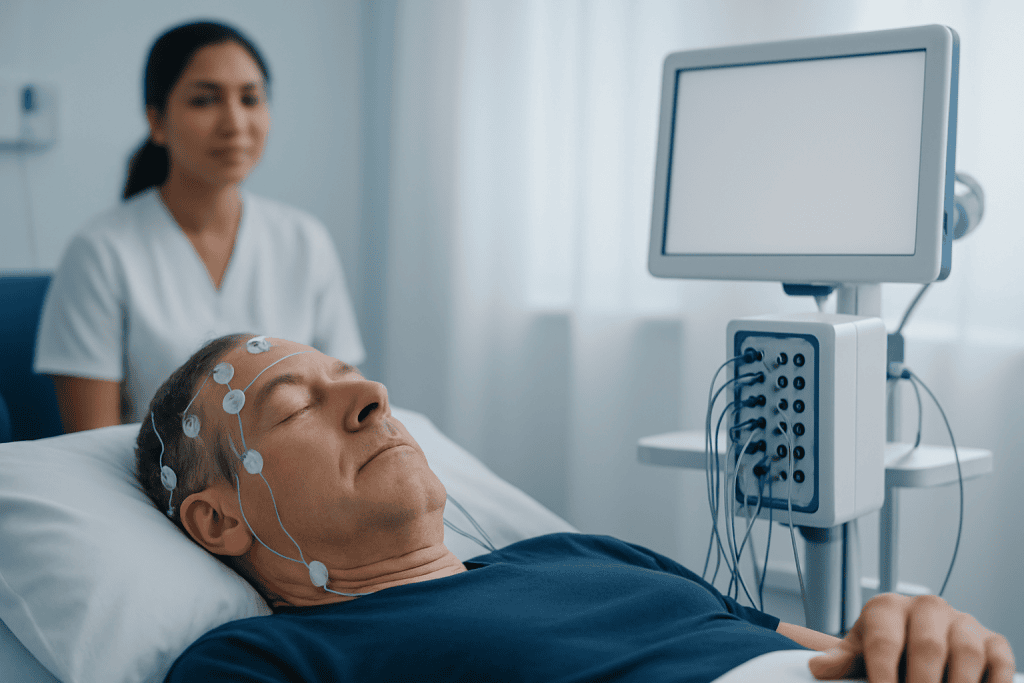
Symptoms depend on the specific sleep-related movement disorder. A person may notice the movement directly, but often a bed partner is the first to observe it. Common clues include frequent awakenings, poor-quality sleep, unrefreshing sleep, morning muscle soreness, or excessive sleepiness during the day.
Common types include:
- Sleep starts (hypnic jerks): sudden body jerks as a person falls asleep, sometimes with a sensation of falling.
- Nocturnal leg cramps: painful tightening of the calf, foot, or thigh muscles during sleep.
- Periodic limb movements of sleep: repeated, stereotyped leg movements that occur every few seconds during sleep.
- Sleep-related bruxism: clenching or grinding of the teeth during sleep.
- Rhythmic movement disorder: repeated head banging, body rocking, or head rolling, usually around sleep onset or during light sleep.
Restless legs syndrome is closely related but is usually strongest during wakefulness in the evening or at bedtime, creating an urge to move the legs that interferes with falling asleep. Some people with restless legs syndrome also have periodic limb movements during sleep. Other conditions can sometimes seem similar, including sleep apnea, REM sleep behavior disorder, and nocturnal seizures, so the exact pattern is important.
Warning signs that deserve attention include frequent sleep disruption, daytime concentration problems, injuries, severe pain, loud tooth grinding with jaw symptoms, or movements associated with snoring, pauses in breathing, confusion, or unusual nighttime behaviors.
Causes and Risk Factors

The causes of sleep-related movement disorders vary widely. Some are thought to reflect normal brain and muscle changes that happen as the body shifts into sleep, as with occasional hypnic jerks. Others are linked to changes in the nervous system, muscles, circulation, mineral balance, or sleep regulation.
Possible contributing factors include sleep deprivation, stress, caffeine, alcohol, nicotine, and intense exercise close to bedtime. Certain medicines may also trigger or worsen movements in susceptible people, including some antidepressants, antihistamines, antipsychotic medicines, and stimulants. For sleep bruxism, jaw alignment, stress, and other sleep disorders may play a role.
Underlying medical conditions can increase risk. These include iron deficiency, pregnancy, chronic kidney disease, diabetes, peripheral neuropathy, spinal problems, and some neurologic diseases. Periodic limb movements are also more common in older adults. Leg cramps may be associated with dehydration, prolonged sitting, muscle overuse, nerve compression, or electrolyte imbalance, although in many cases no single cause is found.
Because symptoms can overlap, a healthcare professional may also consider other possibilities such as epilepsy or medication side effects. Identifying contributing factors helps guide practical and effective treatment.
How Diagnosis Is Made
Diagnosis begins with a detailed medical and sleep history. The doctor usually asks when the movements occur, how often they happen, whether they are painful, and whether they wake the person or disturb a bed partner. Questions about snoring, witnessed pauses in breathing, dream enactment, leg discomfort before sleep, daytime sleepiness, stress, and recent medication changes can be very helpful.
A physical and neurologic examination may be done to look for signs of nerve, muscle, or circulation problems. Depending on the symptoms, blood tests may be recommended to check iron status, kidney function, blood sugar, thyroid function, or other possible contributors. For frequent leg cramps, the evaluation may also include a review of hydration, activity level, and any medicines that could be involved.
Sometimes a sleep study is needed, especially when the diagnosis is uncertain or another sleep disorder is suspected. An overnight sleep study can record breathing, oxygen levels, heart rhythm, brain waves, and limb movements. This may help distinguish periodic limb movements from other causes of disrupted sleep and can identify coexisting conditions such as sleep apnea treatment needs.
Keeping a sleep diary or recording smartphone notes about timing, triggers, and severity can also support diagnosis. In children, videos taken by caregivers may be useful when rhythmic movements or unusual nighttime events are difficult to describe.
Treatment Options
Treatment depends on the specific disorder, how severe it is, and whether there is an underlying cause. Occasional hypnic jerks often improve with reassurance and lifestyle changes alone. More persistent disorders may need structured treatment, especially if they impair sleep quality, cause pain, or affect daytime functioning.
General measures may include improving sleep habits, reducing caffeine and alcohol, reviewing medicines, and managing stress. For nocturnal leg cramps, gentle stretching before bed, adequate hydration, and addressing overuse or muscle strain may help. If blood tests show low iron or another deficiency, correcting it can reduce symptoms in some people, especially in those with restless legs syndrome or periodic limb movements.
When symptoms are frequent or disruptive, a doctor may recommend condition-specific therapies. These can include dental approaches for sleep bruxism, physical therapy for musculoskeletal contributors, or medications for restless legs syndrome and periodic limb movement disorder when appropriate. If another sleep disorder is contributing, treating that problem may improve the movements as well. In selected cases, specialists may recommend a formal sleep study or referral for neurology consultation.
People with complex or persistent symptoms may benefit from multidisciplinary care. Near the end of the evaluation pathway, it may be helpful to know that Acibadem International’s multidisciplinary specialists and JCI-accredited hospitals diagnose and treat sleep and movement disorders for international patients when specialist assessment is needed.
Prevention and Self-Care
Not all sleep-related movement disorders can be prevented, but several practical steps may reduce symptoms. A consistent sleep schedule is one of the most helpful measures. Going to bed and waking up at regular times can support more stable sleep and may reduce movements linked to sleep deprivation or irregular sleep patterns.
Helpful self-care steps may include:
- Limiting caffeine, nicotine, and alcohol, especially in the evening.
- Creating a calm bedtime routine and allowing enough time for sleep.
- Stretching the calves and feet before bed if leg cramps are a problem.
- Staying well hydrated unless a doctor has advised fluid restriction.
- Reviewing over-the-counter and prescription medicines with a clinician.
For people with suspected bruxism, jaw relaxation strategies and dental advice may be useful. For children with rhythmic movement disorder, keeping the sleep environment safe is important. This can include padding nearby hard surfaces if advised and making sure the child’s sleep space is secure. Caregivers should still seek medical advice if movements are intense, persist beyond early childhood, or occur with developmental or behavioral concerns.
Self-care should not replace medical evaluation when symptoms are severe, painful, frequent, or new. A professional assessment is especially important when there is daytime sleepiness, unusual movements, injury, or concern about another sleep or neurologic condition.
When to See a Doctor
A doctor should be consulted if nighttime movements are happening often, causing pain, leading to poor sleep, or creating daytime fatigue or concentration problems. Evaluation is also important if a bed partner notices repeated kicking, grinding, gasping, pauses in breathing, or unusual nighttime episodes that are hard to explain.
Prompt medical attention is recommended if symptoms start suddenly, become much worse, or occur with weakness, numbness, severe swelling, persistent muscle pain, confusion, injury, or possible seizure-like activity. Nighttime leg cramps that are frequent or severe should also be assessed, especially in older adults or in people with kidney disease, diabetes, or circulation problems.
Children should be seen if repetitive sleep-related movements are violent, continue beyond the expected age range, interfere with sleep, or raise concern for developmental, breathing, or neurologic issues. In adults, specialist sleep or neurology care may be helpful when the diagnosis is uncertain or first-line measures have not worked.
Frequently asked questions
Are sleep-related movement disorders dangerous?
Many are not dangerous and may be mild or occasional, such as brief sleep starts when falling asleep. They become more important when they are frequent, painful, disruptive, or linked to injuries, daytime sleepiness, breathing problems, or other neurologic symptoms.
What is the difference between restless legs syndrome and periodic limb movements?
Restless legs syndrome causes an urge to move the legs, usually during wakefulness in the evening or at bedtime, often with uncomfortable sensations. Periodic limb movements happen during sleep and involve repetitive leg movements that the person may not notice unless sleep quality is affected.
Why do leg cramps happen at night?
Nighttime leg cramps can be related to muscle fatigue, dehydration, prolonged sitting, nerve irritation, pregnancy, or certain medical conditions and medicines. In many people, no single clear cause is found, which is why a medical review may be helpful if cramps are frequent.
Do sleep jerks mean there is a serious neurologic problem?
Usually not. Occasional hypnic jerks are common and often occur during the transition into sleep, especially when a person is stressed, overtired, or has used caffeine. Recurrent or unusual episodes should still be discussed with a doctor if there is any doubt about the diagnosis.
When is a sleep study needed?
A sleep study may be recommended when symptoms are frequent, the diagnosis is unclear, or another disorder such as sleep apnea is suspected. It can help measure limb movements, breathing, oxygen levels, and sleep stages during the night.
Can lifestyle changes really help?
Yes, in many cases they can reduce symptoms or make episodes less disruptive. Good sleep habits, limiting caffeine and alcohol, stretching before bed, staying hydrated, and reviewing medications are simple steps that often support treatment.
References
- American Academy of Sleep Medicine
- National Institute of Neurological Disorders and Stroke
- National Heart, Lung, and Blood Institute
- Mayo Clinic
- MedlinePlus
This article is for general information only and is not a substitute for professional medical advice. Please consult a qualified doctor about your individual situation.
Movement Disorders in Turkey — costs, top hospitals & a free quote
JCI-accredited · board-certified surgeons · reply within 24h
Add us as a Preferred Source to see more of our trusted health content across Google Search, AI Overviews and Discover.