Sleep Study for Narcolepsy
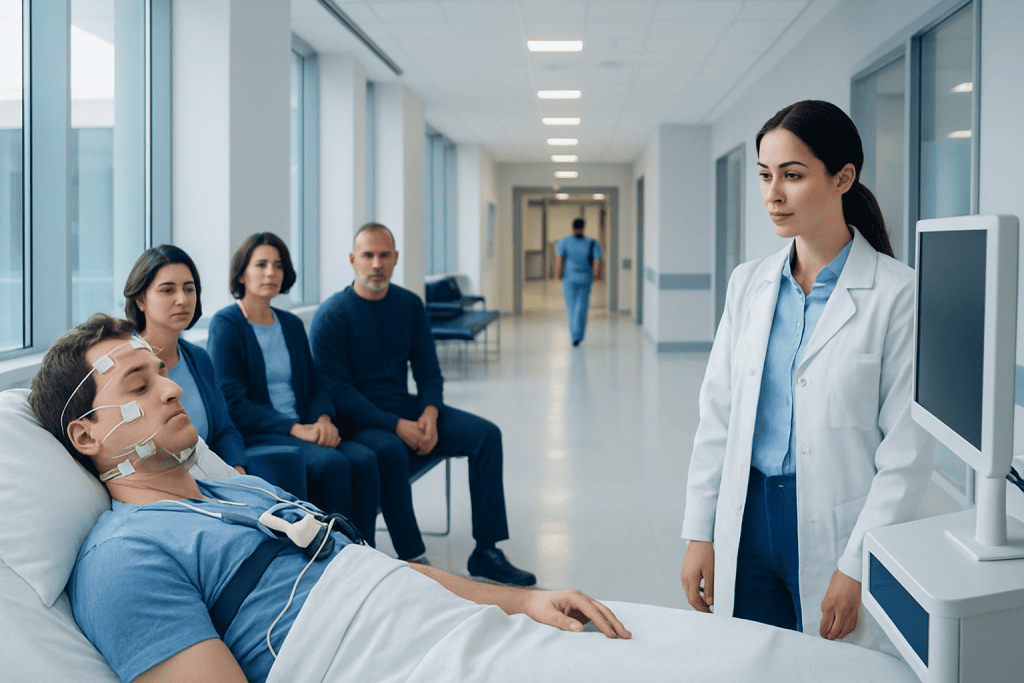
Narcolepsy is a neurological sleep-wake disorder that causes persistent daytime sleepiness and may include cataplexy, sleep paralysis or vivid hallucinations around sleep. Diagnosis commonly requires overnight polysomnography followed by a multiple sleep latency test the next day.
Key Takeaways
- Narcolepsy is a neurological sleep-wake disorder that causes persistent daytime sleepiness and may include cataplexy, sleep paralysis or vivid hallucinations around sleep.
- Diagnosis commonly requires overnight polysomnography followed by a multiple sleep latency test the next day.
- Good preparation, including a sleep diary and medication review, helps make the test results more reliable.
- A sleep study also checks for other conditions, such as sleep apnea or periodic limb movements, that can mimic or worsen narcolepsy symptoms.
- Treatment is individualized and may include scheduled naps, lifestyle measures and prescription medicines supervised by a qualified sleep specialist.
A sleep study for narcolepsy usually combines an overnight sleep test with a daytime nap test to measure sleep quality, sleep timing and how quickly rapid eye movement sleep begins. These tests help specialists distinguish narcolepsy from other causes of severe daytime sleepiness and plan appropriate treatment.
Overview
A sleep study for narcolepsy is a structured medical evaluation used to understand why a person feels unusually sleepy during the day. Narcolepsy is not simply tiredness or poor sleep habits. It is a disorder of the brain systems that regulate wakefulness and rapid eye movement, or REM, sleep.
The main tests are overnight polysomnography, often called PSG, and the multiple sleep latency test, known as MSLT. PSG records sleep stages, breathing, heart rhythm, oxygen levels, body movements and brain activity during the night. The MSLT is performed the next day and measures how quickly a person falls asleep during several planned nap opportunities.
Together, these tests help doctors determine whether the sleep pattern is consistent with narcolepsy or whether another sleep disorder is more likely. Results are interpreted alongside the medical history, symptom pattern, medication use and, when needed, additional laboratory testing.
Symptoms That May Lead to Testing
The most common reason for testing is excessive daytime sleepiness that continues despite enough time in bed. A person may fall asleep unintentionally while reading, watching television, riding in a car, attending meetings or studying. Sleepiness may fluctuate through the day, but it often returns even after a full night of sleep.
Some people also have cataplexy, a sudden and brief loss of muscle tone triggered by emotions such as laughter, surprise or excitement. Cataplexy can affect the face, neck, knees or the whole body while the person remains conscious. Its presence strongly supports narcolepsy type 1, although not every person with narcolepsy has cataplexy.
Other symptoms can include sleep paralysis, vivid dream-like experiences when falling asleep or waking, fragmented nighttime sleep and automatic behaviors, such as continuing a routine task with little awareness. Because these experiences can be confusing or mistaken for anxiety, seizures or other conditions, careful assessment by a clinician trained in neurological sleep medicine is important.
Why PSG and MSLT Are Used Together
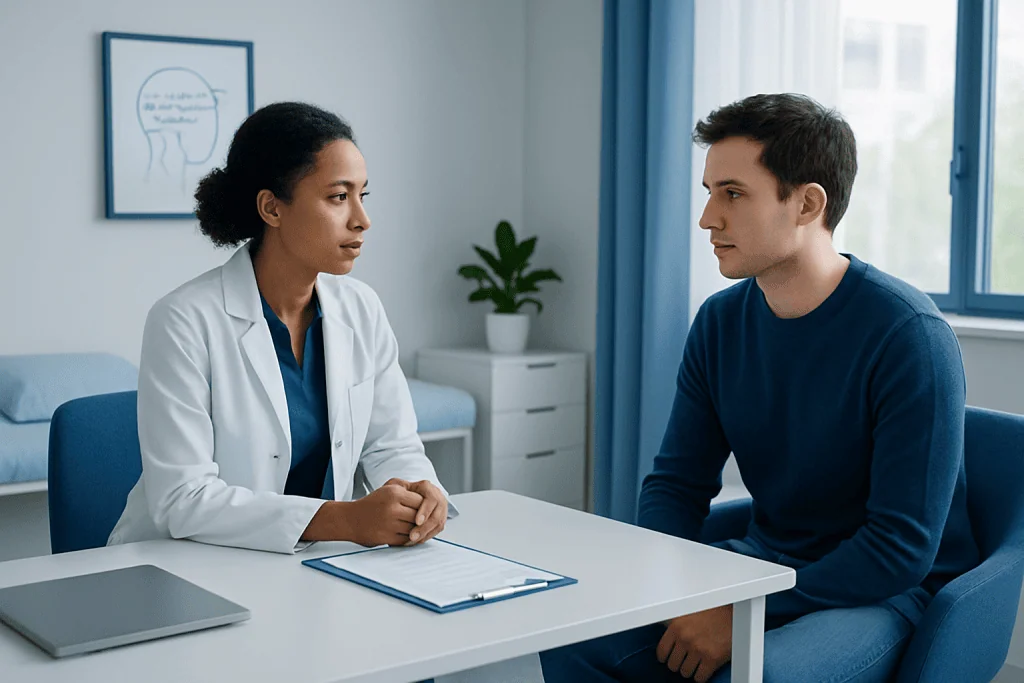
Overnight polysomnography is performed first because it documents whether the person had enough sleep and whether another condition disrupted sleep. For example, obstructive sleep apnea, periodic limb movement disorder, insomnia and circadian rhythm problems can all cause severe daytime sleepiness. Identifying these conditions prevents an incorrect diagnosis.
The multiple sleep latency test follows the next day under controlled conditions. The patient is offered several nap opportunities at set intervals. Sensors measure whether sleep occurs, how quickly it begins and whether REM sleep appears unusually early. In narcolepsy, the brain may enter REM sleep much sooner than expected.
Doctors typically look at the average time it takes to fall asleep and the number of naps with sleep-onset REM periods. These results are not interpreted in isolation. Recent sleep deprivation, shift work, untreated sleep apnea, certain medicines and substance use can affect the test, so the full clinical context matters.
How to Prepare for a Sleep Study
Preparation begins before the test date. Many sleep centers ask patients to keep a sleep diary for one to two weeks, and some use a wrist activity monitor to estimate sleep-wake patterns. This helps confirm that the patient has had adequate and regular sleep before testing.
A medication review is also essential. Some antidepressants, stimulants, sedatives, antihistamines and other medicines can change REM sleep or alertness. A doctor may recommend adjusting or pausing certain medicines before testing, but patients should never stop prescribed treatment without medical guidance.
Practical preparation can make the night more comfortable and the results more reliable:
- Follow the sleep center’s instructions about caffeine, alcohol and naps before the study.
- Bring comfortable sleepwear and necessary personal items.
- Wash hair and avoid oils, gels or sprays that may interfere with sensors.
- Tell the team about medical conditions, allergies, implanted devices and current medicines.
- Plan the following day for the MSLT, as it usually takes several hours after the overnight test.
What Happens During the Overnight and Daytime Tests
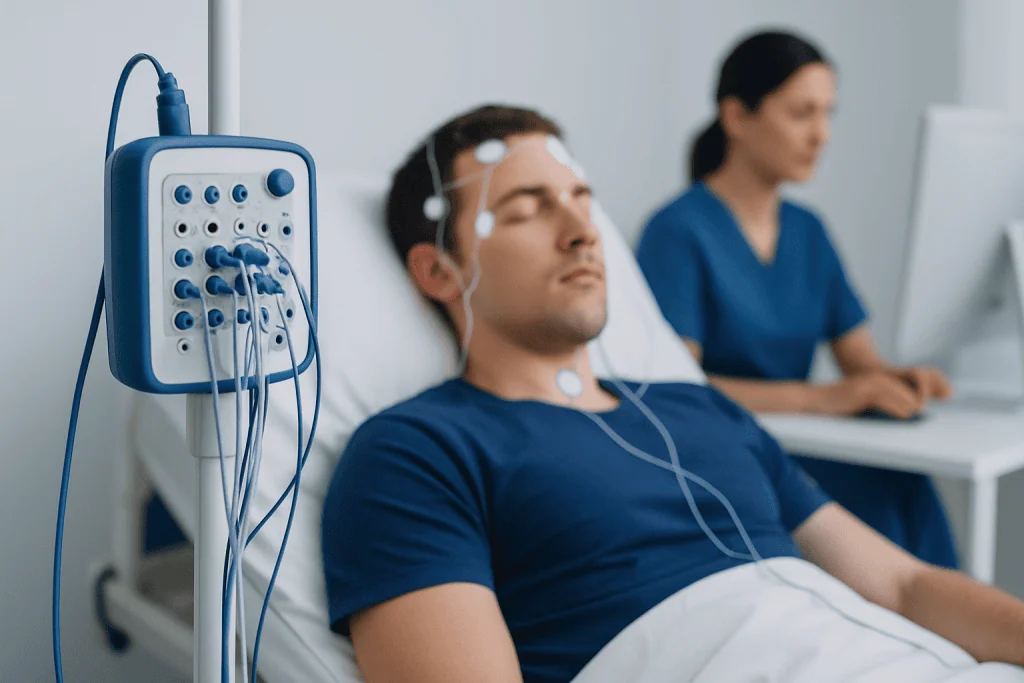
During overnight polysomnography, small sensors are placed on the scalp, face, chest, legs and finger. These sensors record brain waves, eye movements, muscle tone, breathing effort, airflow, oxygen levels and heart rhythm. The setup may feel unfamiliar, but it is painless and designed to allow sleep as naturally as possible.
A trained sleep technologist monitors the recording from another room and can assist if a sensor becomes loose or the patient needs help. The aim is not to create a perfect night of sleep, but to capture enough information about sleep stages and possible disruptions. Even if a person feels they slept lightly, the recording may still provide useful data.
After the overnight portion, the daytime MSLT begins if the PSG confirms that the test can proceed. The patient stays in a quiet room and is asked to try to sleep during scheduled nap periods. Between naps, staying awake is important so the measurement remains accurate. These studies are part of specialized neurophysiology testing because they rely on precise recording and interpretation of brain and body signals.
How Results Are Interpreted
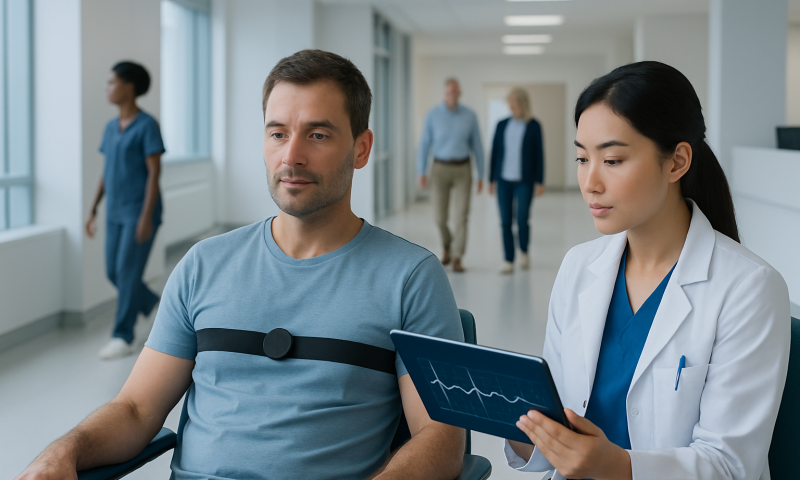
The sleep specialist reviews the overnight study first. They check total sleep time, sleep stages, breathing patterns, oxygen levels, limb movements and the timing of REM sleep. If untreated sleep apnea or another major sleep disruptor is present, it may need treatment before narcolepsy can be confidently diagnosed.
The MSLT report includes the average sleep latency, which is the average time it takes to fall asleep across the nap opportunities. It also notes whether REM sleep appeared soon after sleep began. A pattern of very short sleep latency with multiple sleep-onset REM periods can support a diagnosis of narcolepsy when symptoms match.
In some cases, additional testing is considered. For suspected narcolepsy type 1, especially when cataplexy is present, a doctor may discuss measuring hypocretin, also called orexin, in cerebrospinal fluid. Blood tests are not used alone to diagnose narcolepsy, but they may help assess other causes of fatigue or sleepiness, such as thyroid disease, anemia or metabolic problems.
Treatment Options and Daily Management
Treatment is individualized according to symptoms, diagnosis type, age, medical history, daily responsibilities and test findings. The goals are to improve alertness, reduce sudden sleep attacks, manage cataplexy when present and support safe daily functioning. Narcolepsy is usually a long-term condition, but many people improve with a consistent treatment plan.
Non-medicine strategies are often part of care. These may include a regular sleep schedule, planned short naps, avoiding sleep deprivation, limiting alcohol, discussing safety-sensitive tasks such as driving and informing school or workplace staff when accommodations are needed. Good sleep habits do not cure narcolepsy, but they can reduce symptom burden.
Prescription medicines may be recommended to promote wakefulness, reduce cataplexy or improve disturbed nighttime sleep. The choice of medicine depends on the person and should be supervised by a qualified clinician because benefits, side effects and interactions vary. Follow-up visits allow the care team to adjust treatment, review safety and reassess symptoms over time.
When to See a Doctor
A medical evaluation is recommended when daytime sleepiness is persistent, interferes with school, work or relationships, or creates safety concerns. A person should also seek care if they experience sudden muscle weakness triggered by emotions, repeated sleep paralysis, vivid hallucinations around sleep or unexplained episodes of falling asleep.
Prompt assessment is especially important if sleepiness occurs while driving, operating machinery, caring for children or performing tasks that require full attention. Until a doctor provides guidance, reducing risky activities and arranging support can help protect the patient and others.
At Acibadem International, multidisciplinary specialists in JCI-accredited hospitals evaluate and treat sleep-wake disorders for international patients, including diagnostic sleep testing and neurological assessment. Care decisions should always be based on a personal consultation, test results and the recommendations of a qualified physician.
Frequently asked questions
Is one sleep study enough to diagnose narcolepsy?
In many cases, diagnosis requires both an overnight polysomnography study and a next-day multiple sleep latency test. The results must also match the person's symptoms and sleep history. If sleep was insufficient or another disorder was found, testing may need to be repeated after those issues are addressed.
Does a sleep study for narcolepsy hurt?
The test is noninvasive and should not be painful. Sensors are attached to the skin with adhesive or paste to record sleep and body signals. Some people find the equipment unfamiliar, but sleep technologists help make the setup as comfortable as possible.
Can narcolepsy be confused with sleep apnea?
Yes. Both conditions can cause excessive daytime sleepiness, and some people may have both. Overnight polysomnography is important because it can identify breathing pauses, oxygen changes and sleep fragmentation caused by sleep apnea.
Why are medications reviewed before the MSLT?
Some medicines can make a person more alert, more sleepy or can change the timing of REM sleep. These effects may alter the test result. Any medication change should be planned by the prescribing doctor or sleep specialist to avoid withdrawal symptoms or worsening of another condition.
What happens if the test suggests narcolepsy?
The sleep specialist will explain the diagnosis, discuss the type of narcolepsy and review treatment options. A plan may include scheduled naps, safety guidance, lifestyle measures and prescription medicines. Follow-up is important because symptoms and treatment needs can change over time.
Can children and teenagers have a sleep study for narcolepsy?
Yes. Narcolepsy can begin in childhood or adolescence, and sleep testing may be recommended when symptoms fit. Pediatric evaluation considers school performance, behavior, growth, sleep schedule and other medical conditions that can affect alertness.
References
- American Academy of Sleep Medicine
- International Classification of Sleep Disorders
- National Institute of Neurological Disorders and Stroke
- Mayo Clinic
- Sleep Foundation
This article is for general information only and is not a substitute for professional medical advice. Please consult a qualified doctor about your individual situation.
Narcolepsy in Turkey — costs, top hospitals & a free quote
JCI-accredited · board-certified surgeons · reply within 24h

Related Treatments
Related Conditions
More from the Health Library


Related Specialists
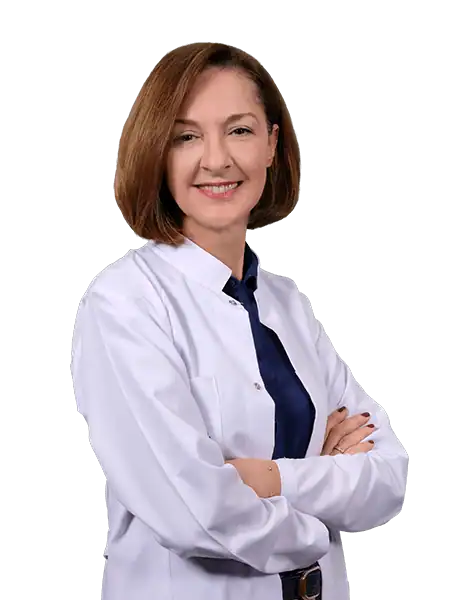
Prof. Dr. Ayşe Sağduyu Kocaman
Neurology
Prof. Dr. Mehmet Zafer Berkman
Neurosurgery
Prof. Dr. Pınar Yalınay Dikmen
Neurology
Prof. Dr. Elif Ilgaz Aydınlar
Neurology