

Sleeve Gastrectomy Results: How Much Weight Loss Is Realistic?

Weight loss after sleeve gastrectomy is usually gradual and most noticeable in the first 12 to 18 months. Results depend on surgery preparation, eating habits, physical activity, and regular medical follow-up.
Key Takeaways
- Weight loss after sleeve gastrectomy is usually gradual and most noticeable in the first 12 to 18 months.
- Results depend on surgery preparation, eating habits, physical activity, and regular medical follow-up.
- The procedure can also improve obesity-related conditions such as type 2 diabetes, sleep apnea, and high blood pressure.
- Long-term success is more likely when patients follow nutrition guidance, stay active, and attend follow-up visits.
- Some weight regain can happen, so the operation works best as part of a lifelong health plan.
Sleeve gastrectomy can help many people lose a meaningful amount of weight, but the amount varies based on starting weight, follow-up habits, and overall health. Understanding realistic results can help patients prepare for recovery and long-term success.
Overview
Sleeve gastrectomy is a type of bariatric surgery in which a large part of the stomach is removed, leaving a smaller, sleeve-shaped stomach. Because the stomach holds less food and appetite hormones may change, many patients eat less and feel full sooner after meals.
When people ask about sleeve gastrectomy results, they usually want to know how much weight loss is realistic. The answer is individualized. Many patients achieve substantial weight loss, especially during the first year after surgery, but the outcome depends on the person’s starting weight, medical conditions, and daily habits after the operation.
For patients considering treatment, it may help to understand that sleeve gastrectomy is not a quick fix. It is a medical tool that works best when paired with nutrition planning, activity, and ongoing follow-up. People who are learning about gastric sleeve surgery often benefit from discussing expected results with a bariatric team before making a decision.
What Weight Loss Is Realistic?
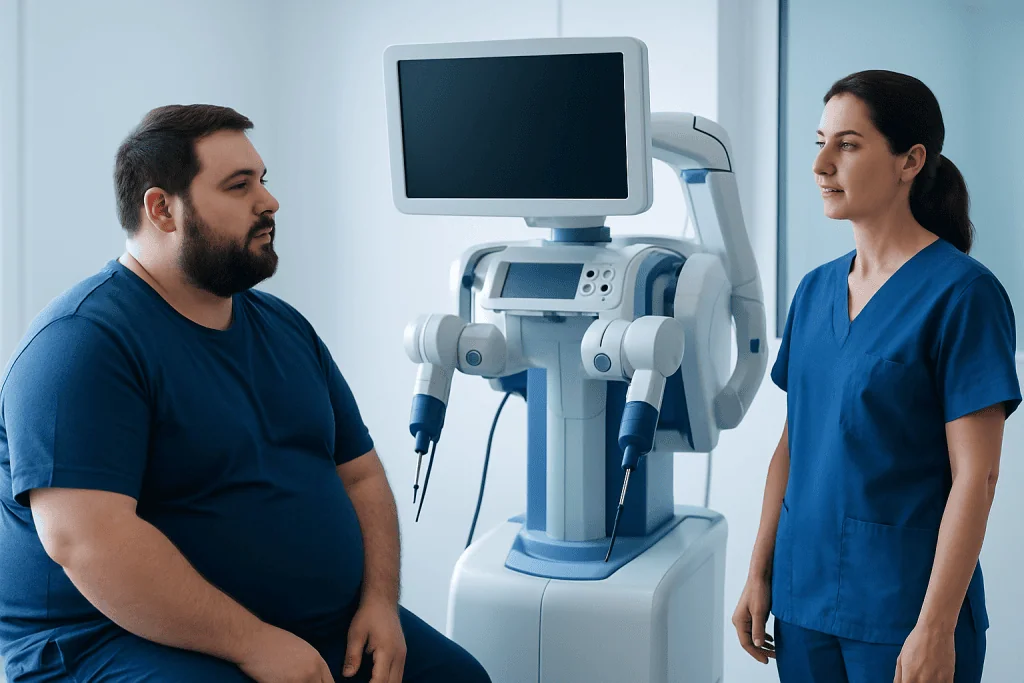
Although each patient is different, weight loss after sleeve gastrectomy is often measured over time as a percentage of excess body weight or as total body weight lost. In practical terms, many patients notice a steady drop in weight during the first several months, followed by a slower pace later on.
The most important point is that results are usually progressive rather than immediate. Early success is often strongest in the first 6 to 12 months, and many people continue losing weight for up to 18 to 24 months. After that, the focus shifts from continued loss to maintaining the result and preventing regain.
Realistic expectations are important. Some patients lose more weight than expected, while others lose less, even when they follow instructions closely. The amount of weight lost does not tell the whole story; improvements in blood sugar, blood pressure, mobility, and sleep may also be major benefits of surgery.
Symptoms, Benefits, and Changes Patients Often Notice
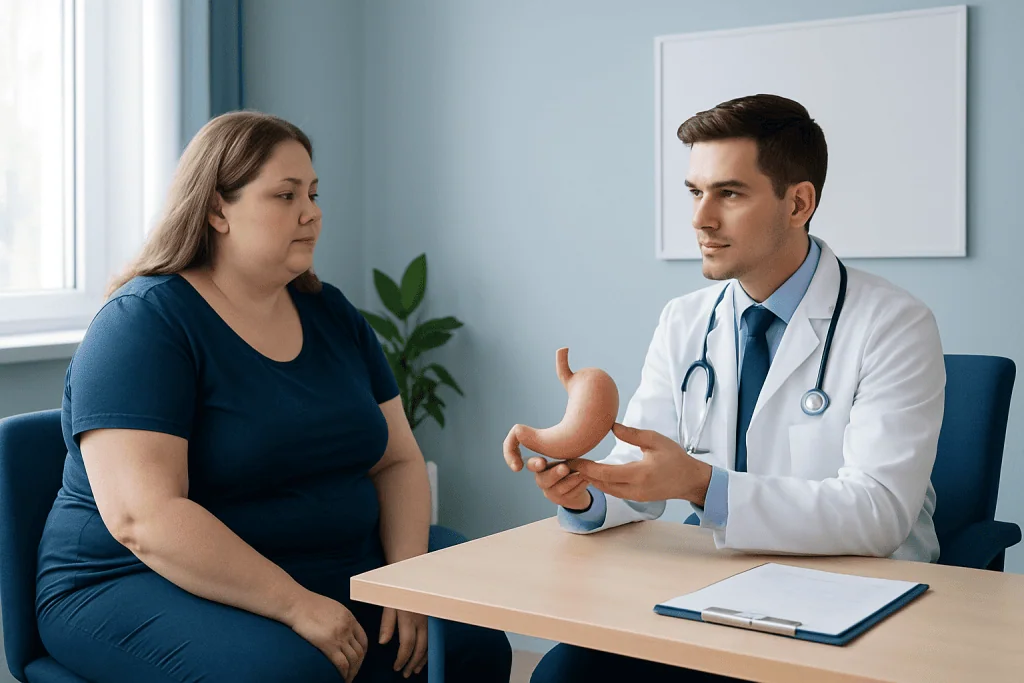
Sleeve gastrectomy is not performed to treat symptoms in the traditional sense, but many patients notice meaningful changes in daily life as they lose weight. Smaller meal sizes, earlier fullness, and less frequent overeating are common after surgery.
As weight decreases, patients may also experience fewer problems related to obesity. These can include reduced joint strain, better stamina, improved breathing during sleep, and easier movement during everyday activities. For some patients, bariatric treatment can help improve obesity-related health concerns such as type 2 diabetes or high blood pressure.
It is also normal to go through a period of adjustment. Appetite changes, food tolerance, and energy levels can fluctuate during recovery. Some people experience temporary fatigue, hair shedding, or changes in bowel habits, which are usually managed with guidance from the care team.
Causes & Risk Factors That Influence Results
Several factors can influence how much weight a person loses after sleeve gastrectomy. Starting body mass index, age, sex, hormonal conditions, medications, and the presence of obesity-related illnesses can all play a role. People who have lived with obesity for many years may have a different pattern of weight loss than those with a shorter history.
Behavior after surgery is equally important. Patients who follow meal plans, prioritize protein, drink fluids as directed, avoid grazing, and attend follow-up visits often have better long-term outcomes. Emotional eating, frequent snacking, and skipping appointments can make weight maintenance more difficult.
Other factors include sleep quality, activity level, smoking, and whether the patient has support at home. A bariatric team may also review whether another procedure, such as gastric bypass, might be more suitable in some cases based on medical history and weight-loss goals.
Diagnosis and Preoperative Evaluation
Before sleeve gastrectomy, patients usually undergo a comprehensive evaluation to confirm that surgery is appropriate and safe. This often includes a review of medical history, blood tests, nutritional assessment, and sometimes heart or lung testing, depending on individual risk factors.
The care team also looks at the patient’s relationship with food, previous attempts at weight loss, and any conditions such as diabetes, reflux, or sleep apnea. This helps the surgeon and nutrition specialists estimate likely sleeve gastrectomy results and prepare a realistic care plan.
Education is an important part of the process. Patients learn what to eat after surgery, how to recognize complications, and how follow-up care supports success. For some people, a full bariatric program may include discussion of bariatric surgery options, so they can compare expected benefits and requirements.
Treatment Options and How Results Are Supported
Sleeve gastrectomy is one treatment within a broader obesity care plan. The operation itself creates the physical change in the stomach, but long-term results depend on ongoing support from dietitians, surgeons, nurses, and sometimes endocrinologists or psychologists.
After surgery, patients typically progress through staged eating plans, starting with liquids and gradually moving to soft and then regular textured foods as advised. Protein intake, hydration, vitamin and mineral supplementation, and portion control are central to recovery and weight maintenance.
Some patients may need additional procedures later if weight regain occurs or if another anatomy-based approach is better suited to their needs. A small number of people may discuss alternatives such as gastric balloon or other non-surgical approaches, but these are not interchangeable with sleeve gastrectomy and should be considered only with medical guidance.
In carefully selected patients, surgery is often one part of a lifelong obesity treatment plan. At Acibadem International, multidisciplinary specialists and JCI-accredited hospitals diagnose and treat this condition for international patients with coordinated care.
Prevention & Self-care After Surgery
The best way to support sleeve gastrectomy results is to treat recovery as a long-term health routine. Patients are usually advised to eat slowly, stop at the first sign of fullness, and focus on nutrient-dense foods rather than high-calorie snacks or drinks.
Regular physical activity is also important. Walking is often encouraged early after surgery, and more structured exercise can be added gradually as the patient recovers. Good sleep, stress management, and avoiding tobacco can further support healing and weight control.
Follow-up visits help the team identify problems early and adjust nutrition advice if needed. Patients should also take vitamin and mineral supplements as recommended, because reduced food intake can increase the risk of deficiencies over time. Consistency matters more than perfection, and small daily habits often make the biggest difference.
When to See a Doctor
Patients should contact their surgeon or care team if they have trouble keeping fluids down, persistent vomiting, worsening abdominal pain, fever, or signs of dehydration. These symptoms may suggest a complication or a problem with food tolerance that needs prompt review.
It is also important to seek medical advice if weight loss stops very early, if significant weight regain begins, or if eating behaviors become difficult to control. Early support can help the team identify whether the issue is nutritional, behavioral, or medical.
Anyone considering sleeve gastrectomy should speak with a qualified doctor about goals, risks, and alternatives. A personalized plan is the best way to understand whether the expected results are realistic and appropriate for the individual’s health needs.
Frequently asked questions
How much weight do people usually lose after sleeve gastrectomy?
Many people lose a substantial amount of weight during the first 12 to 18 months after surgery, but the exact amount varies. Results depend on starting weight, medical conditions, and how closely the person follows nutrition and activity guidance.
When do sleeve gastrectomy results become visible?
Some patients notice changes within weeks, especially in appetite and clothing fit. The larger weight-loss trend usually becomes clearer over the first several months as recovery progresses and eating patterns change.
Can weight come back after sleeve gastrectomy?
Yes, some weight regain can happen over time. Long-term follow-up, balanced eating, activity, and support from the bariatric team help lower that risk.
Does sleeve gastrectomy improve health problems besides weight?
It can help improve several obesity-related conditions, including type 2 diabetes, high blood pressure, and sleep apnea. The degree of improvement depends on the individual and the severity of the condition before surgery.
What if the weight loss is slower than expected?
Slower weight loss does not always mean the surgery has failed. A doctor or dietitian can review eating habits, medications, activity, and medical factors to identify what may be affecting progress.
Is sleeve gastrectomy better than other bariatric procedures?
There is no single best option for everyone. The right procedure depends on a patient’s health history, reflux symptoms, weight-loss goals, and the surgeon’s assessment of risks and benefits.
References
- World Health Organization
- American Society for Metabolic and Bariatric Surgery
- National Institute of Diabetes and Digestive and Kidney Diseases
- Mayo Clinic
This article is for general information only and is not a substitute for professional medical advice. Please consult a qualified doctor about your individual situation.
Sleeve Gastrectomy in Turkey — costs, top hospitals & a free quote
JCI-accredited · board-certified surgeons · reply within 24h
Add us as a Preferred Source to see more of our trusted health content across Google Search, AI Overviews and Discover.
Check your numbers in seconds
BMI, calories, due date, blood pressure and 30+ more clinical calculators — free, instant, doctor-reviewed ranges.

Bariatric & Metabolic Surgery
Surgical and endoscopic treatments for obesity and metabolic conditions.
Related Treatments
Related Conditions
More from the Health Library



Related Specialists

Prof. Dr. Tayfun Karahasanoğlu
General Surgery
Prof. Dr. Güralp Onur Ceyhan
General Surgery
Prof. Dr. Volkan Özben
General Surgery
Assoc. Prof. Dr. Halil Kara
General Surgery