Snapping Hip Syndrome: Symptoms, Causes, and Treatment Options

Snapping hip syndrome usually happens when a tendon slides over bone during hip movement. It can be internal, external, or less commonly related to structures inside the hip joint.
Key Takeaways
- Snapping hip syndrome usually happens when a tendon slides over bone during hip movement.
- It can be internal, external, or less commonly related to structures inside the hip joint.
- Many people improve with activity changes, stretching, physical therapy, and anti-inflammatory care.
- Persistent pain, locking, weakness, or reduced mobility should be assessed by a doctor.
- Surgery is usually considered only when symptoms continue despite conservative treatment.
Snapping hip syndrome is a condition in which a person feels or hears a snapping, clicking, or popping sensation when moving the hip. It is often caused by a tendon or muscle moving over a bony area, and while it can be painless, treatment may be needed if symptoms become painful, frequent, or limit activity.
Overview: What Is Snapping Hip Syndrome?
Snapping hip syndrome is a condition in which the hip makes a snapping, clicking, or popping sensation during movement. Some people notice only the sound or feeling, while others also have pain, tightness, or a sense that the hip catches during walking, climbing stairs, getting up from a chair, or exercising. In many cases, the snap comes from a tendon or muscle moving across a bony part of the hip.
This condition is also called coxa saltans. It is often seen in dancers, runners, athletes, and people whose activities involve repeated hip flexion and rotation, but it can also happen in less active individuals. Snapping hip syndrome is not always serious, and painless snapping may not require treatment. However, when symptoms are frequent or uncomfortable, a proper assessment can help identify the cause and guide care.
Doctors often describe snapping hip syndrome by where the snapping occurs. Internal snapping usually involves the iliopsoas tendon at the front of the hip. External snapping commonly involves the iliotibial band or gluteus maximus tendon sliding over the outer side of the hip. A third group, sometimes called intra-articular snapping, comes from inside the joint itself and may be linked with problems such as a labral tear or loose body.
How It Feels: Symptoms and Common Patterns
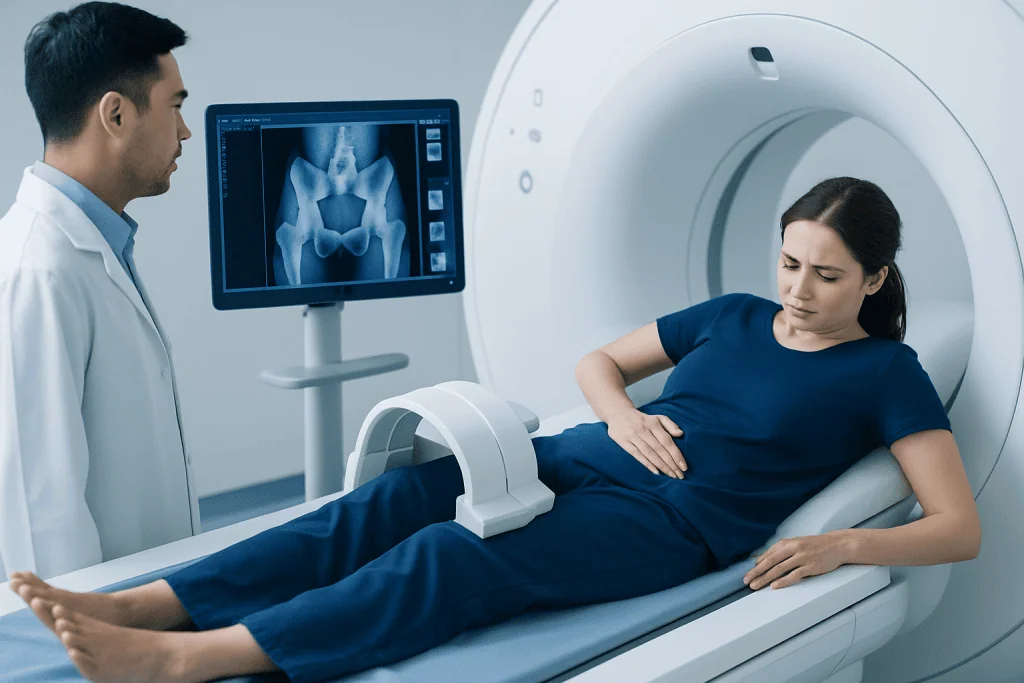
The main symptom of snapping hip syndrome is a noticeable pop, click, or snap with movement. People may feel it at the front of the hip, the outer side of the hip, or deep in the groin area. It may happen only during certain motions, such as rising from a seated position, swinging the leg, running, or rotating the hip outward.
For some, the snapping is painless and more of an annoyance than a medical problem. For others, the repeated friction can irritate nearby tissues and lead to pain, soreness, inflammation, or tenderness. There may also be stiffness, a feeling of tightness in the front or side of the hip, or mild weakness when the hip has been overused.
Symptoms that suggest a more complex problem include deep joint pain, locking, giving way, swelling, or reduced range of motion. These features can raise concern for conditions inside the joint, such as a hip labral tear, cartilage injury, or another structural issue. A doctor can help distinguish between a tendon-related snap and a joint-related cause.
- Snapping at the front of the hip may point to internal snapping.
- Snapping at the outer side of the hip may suggest external snapping.
- Groin pain, catching, or locking may indicate an intra-articular problem.
Why It Happens: Causes and Risk Factors

Snapping hip syndrome most often happens because a tendon or muscle repeatedly moves over a bony prominence. In internal snapping, the iliopsoas tendon may slide over structures in the front of the pelvis or femoral head. In external snapping, the iliotibial band or part of the gluteus maximus may move across the greater trochanter, the bony point on the outside of the hip.
Repetitive motion is one of the biggest contributors. Activities that involve frequent hip flexion, extension, or rotation can tighten the soft tissues around the hip and make snapping more likely. This is why the condition is common in running, dancing, gymnastics, soccer, and other sports that demand repeated hip movement.
Other risk factors include muscle tightness, imbalance between muscle groups, poor movement mechanics, sudden increases in training, previous hip injury, and underlying hip anatomy that changes how tendons glide. Sometimes snapping on the outer hip may happen alongside trochanteric bursitis, because repeated friction can irritate the bursa in that area. Less commonly, snapping is due to structures inside the joint, such as a labral tear, cartilage damage, or loose fragments.
Evaluation and Diagnosis
Diagnosis begins with a medical history and physical examination. The doctor will ask when the snapping occurs, whether it is painful, what activities trigger it, and whether there are symptoms such as locking, instability, swelling, or groin pain. During the exam, the hip may be moved in specific ways to reproduce the snap and help identify whether it is internal, external, or coming from inside the joint.
Often, the physical exam provides strong clues. The location of the snapping and the movements that trigger it are important. The doctor may also assess flexibility, muscle strength, gait, posture, and whether there is tenderness over the greater trochanter or the front of the hip. This helps guide treatment and identify factors such as tight hip flexors or iliotibial band tightness.
Imaging is not always needed for mild, typical cases, but it can be helpful when pain is significant, the diagnosis is unclear, or an intra-articular problem is suspected. X-rays can assess bone structure, while ultrasound can sometimes show tendons moving during hip motion. MRI may be used when doctors need a closer look at soft tissues or internal joint problems. In selected cases, treatment planning may involve hip arthroscopy if a structural problem inside the joint is suspected or confirmed.
Treatment Options: From Conservative Care to Procedures
Most people with snapping hip syndrome improve with non-surgical treatment. The first step is usually to reduce activities that trigger the snapping and allow irritated tissues to settle. Short-term rest, ice after activity, and general anti-inflammatory measures may help ease discomfort. A doctor may advise over-the-counter pain relief if appropriate for the individual, but treatment should be tailored to the person’s overall health.
Physical therapy is a central part of care. Therapy often focuses on stretching tight structures, improving hip and core strength, and correcting movement patterns that increase friction around the hip. This may include work on the hip flexors, gluteal muscles, iliotibial band, and surrounding stabilizers. A gradual return to activity is usually recommended once symptoms improve.
If pain continues, a doctor may consider image-guided injections to reduce inflammation and help confirm the source of symptoms. When conservative care fails and the snapping remains painful or functionally limiting, surgery may be discussed. The procedure depends on the underlying cause and may involve tendon release, correction of structural irritation, or treatment of intra-articular pathology using orthopedic rehabilitation afterward to support recovery. Some patients with associated hip joint damage may also be evaluated in a broader orthopedics and traumatology program.
Daily Management, Prevention, and Self-Care
Self-care for snapping hip syndrome focuses on reducing irritation and improving how the hip moves. A gradual warm-up before exercise, consistent flexibility work, and strengthening of the core and hip muscles may lower strain on the tendons. Avoiding sudden increases in training intensity or duration can also help prevent symptoms from returning.
Technique matters, especially for athletes and dancers. Small changes in movement patterns, footwear, training surfaces, or exercise selection may reduce repetitive stress on the hip. People who sit for long periods may benefit from regular movement breaks and stretching to reduce hip flexor tightness.
It is important not to force painful stretching or continue activities that repeatedly trigger sharp pain. Painless snapping alone may simply be monitored, but painful snapping should not be ignored if it persists. For international patients who need specialist assessment, Acibadem International’s multidisciplinary teams at JCI-accredited hospitals diagnose and treat hip conditions, including snapping hip syndrome, with individualized care plans.
When to Seek Medical Care
A person should consider medical evaluation if snapping hip syndrome becomes painful, happens often, interferes with walking or sport, or does not improve with rest and basic self-care. Professional assessment is also important if symptoms follow an injury or if there is increasing stiffness, weakness, or limited range of motion.
Prompt evaluation is especially helpful when the hip locks, gives way, feels unstable, or causes deep groin pain. These symptoms may suggest a problem inside the joint rather than simple tendon snapping. Ongoing outer hip pain with tenderness may also need assessment to look for related conditions such as bursitis or tendon irritation.
Early diagnosis can help prevent prolonged irritation and support a more targeted treatment plan. A qualified doctor, ideally one experienced in sports medicine, orthopedics, or rehabilitation, can determine whether symptoms are likely to settle with therapy or whether further tests are needed.
Frequently asked questions
Is snapping hip syndrome serious?
Snapping hip syndrome is often not serious, especially when it is painless. Many people simply notice a click or pop without damage to the joint. It becomes more important to evaluate when it is painful, frequent, or linked with locking, weakness, or loss of mobility.
Can snapping hip syndrome go away on its own?
Yes, mild cases may improve with rest, avoiding triggering movements, and a gradual return to activity. Tight or irritated tissues often settle when overuse is reduced. If symptoms continue or return often, a doctor or physical therapist can help identify the cause.
What is the difference between internal and external snapping hip?
Internal snapping hip usually happens at the front of the hip and is often related to the iliopsoas tendon. External snapping hip is felt on the outer side of the hip and commonly involves the iliotibial band or gluteal tendon moving over bone. The exact location of the snap helps guide diagnosis and treatment.
Do all cases of snapping hip syndrome need imaging?
No, imaging is not always necessary when the history and examination clearly suggest a simple tendon-related snapping hip. However, X-rays, ultrasound, or MRI may be helpful if pain is significant, the diagnosis is uncertain, or a joint problem is suspected. Imaging is chosen based on the symptoms and exam findings.
Can exercise help snapping hip syndrome?
Yes, targeted exercise is often one of the most helpful treatments. Stretching tight tissues and strengthening the hip and core can improve movement and reduce tendon friction. Exercise plans are most effective when they are individualized and progressed gradually.
When is surgery considered for snapping hip syndrome?
Surgery is usually considered only after conservative treatment has not provided enough relief. It may be an option when painful snapping continues to limit daily activities, work, or sports. The type of surgery depends on whether the problem is caused by an external tendon, an internal tendon, or a condition inside the hip joint.
References
- American Academy of Orthopaedic Surgeons
- National Institute of Arthritis and Musculoskeletal and Skin Diseases
- American College of Sports Medicine
- Radiological Society of North America
- OrthoInfo
This article is for general information only and is not a substitute for professional medical advice. Please consult a qualified doctor about your individual situation.
Joint and spine care in Turkey — expert assessment & treatment
JCI-accredited · board-certified surgeons · reply within 24h
Add us as a Preferred Source to see more of our trusted health content across Google Search, AI Overviews and Discover.

More from the Health Library



Related Specialists

Dr. Doğuş Durmuş
General Surgery
Ody. Elifnur Sevinç
Audiology
Prof. Dr. Fuat Demirkıran
Gynecology & Obstetrics
Embriyolog Firuze Sönmez
Vitro Fertilization and Reproductive Medicine Center