Sore When Breathing — Explained by Medical Evidence, Not Myths

A sore feeling when breathing can arise from muscles, ribs, the airways, the lungs, or the lining around the lungs. Common causes include viral infections, muscle strain, pleurisy, asthma flare-ups, and pneumonia.
Key Takeaways
- A sore feeling when breathing can arise from muscles, ribs, the airways, the lungs, or the lining around the lungs.
- Common causes include viral infections, muscle strain, pleurisy, asthma flare-ups, and pneumonia.
- Sudden severe pain, shortness of breath, blue lips, fainting, or coughing blood need urgent medical evaluation.
- Doctors diagnose the cause by combining symptom history, examination, and tests such as chest imaging or blood work.
- Treatment depends on the cause and may include rest, pain relief, inhaled medicines, antibiotics, or hospital care for more serious problems.
Sore when breathing is a symptom, not a diagnosis. It often comes from irritation of the chest wall, airways, or the lining around the lungs, but it can also signal conditions that need prompt medical attention.
Overview: what “sore when breathing” usually means
Feeling sore when breathing usually means that something is being irritated or strained as the chest expands and contracts. The discomfort may come from the muscles between the ribs, the rib joints, the airways, the lining around the lungs, or the lungs themselves. In some people it feels like a sharp stab on a deep breath; in others it is more of an ache, tightness, or burning feeling.
This symptom is often grouped under “painful breathing” or “pleuritic chest pain,” but those terms do not all mean exactly the same thing. Pleuritic pain is classically sharp and worse with a deep breath because the pleura, the thin lining around the lungs, is inflamed. A sore sensation can also happen with coughing, chest wall strain, or conditions affecting nearby organs, so the pattern of the pain matters.
Many causes are minor and self-limited, such as a viral respiratory infection or muscle strain after coughing or exercise. However, breathing-related chest pain should never be dismissed automatically, because pneumonia, a blood clot in the lung, a collapsed lung, or heart-related problems can sometimes begin this way. The safest approach is to consider the symptom in context: where it hurts, how long it lasts, what triggers it, and whether there are other symptoms such as fever or shortness of breath.
Symptoms that can happen alongside painful breathing
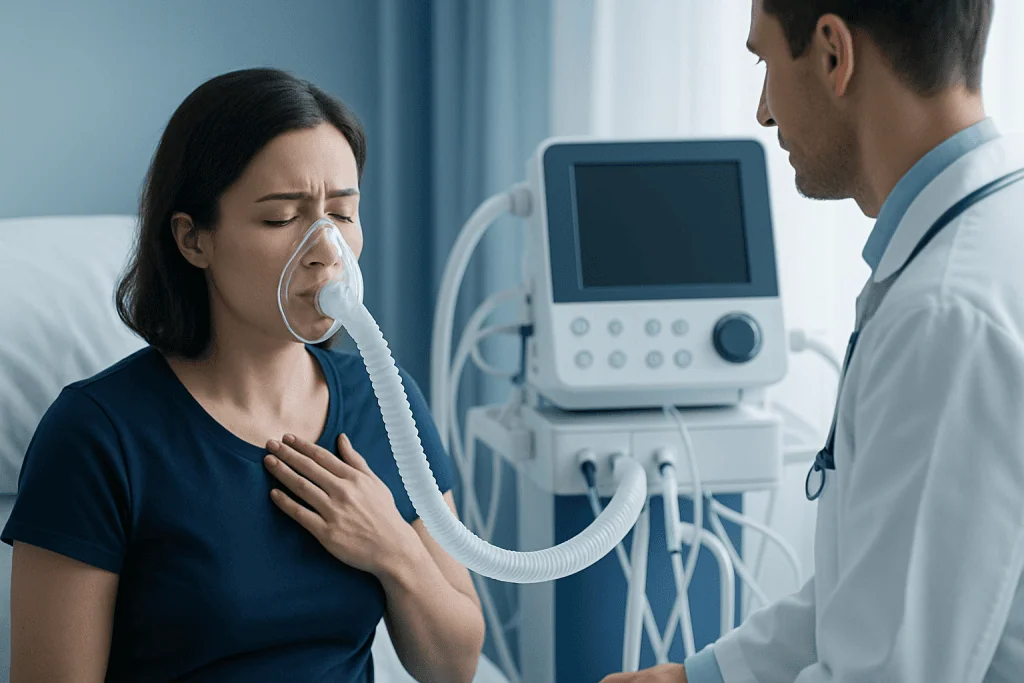
People who are sore when breathing may notice pain with deep breaths, coughing, sneezing, or certain movements such as twisting the torso. The pain can be one-sided or central, constant or intermittent, and mild or severe. Some people can point to a specific tender spot on the chest, which often suggests a chest wall source, while others feel a deeper pain that is harder to localize.
Associated symptoms can help narrow down the cause. A cold, sore throat, runny nose, wheezing, or cough may point to a respiratory infection or an airway condition such as asthma. Fever, chills, tiredness, and productive cough can suggest pneumonia, while sudden shortness of breath or dizziness raises more concern for an urgent problem.
Doctors also ask whether the symptom is linked to exercise, injury, prolonged immobility, recent surgery, or known medical conditions. Helpful details include whether the pain improves at rest, worsens when lying down, radiates to the back or shoulder, or is accompanied by palpitations, nausea, or sweating. These clues help separate ordinary chest soreness from a condition that may need rapid testing.
Common causes and risk factors

One of the most common explanations is chest wall pain. This includes muscle strain after heavy lifting, exercise, repeated coughing, or awkward movement. Inflammation where the ribs attach to the breastbone, often called costochondritis, can also make breathing feel sore because the chest moves with every breath. These causes are often more painful with pressing on the area or with specific motions.
Respiratory causes are also frequent. Viral infections can inflame the airways and chest lining, leading to discomfort on deep breaths. Bronchitis, asthma flare-ups, and pneumonia may all cause painful breathing, especially if coughing is prominent. Pleurisy, an inflammation of the pleura, can occur with infections, autoimmune conditions, or sometimes after viral illnesses and often causes sharp pain with inhalation.
Less common but more urgent causes include a pulmonary embolism, which is a blood clot in the lung, and a pneumothorax, or collapsed lung. Risk factors for pulmonary embolism include recent surgery, prolonged travel or immobility, pregnancy, smoking, estrogen-containing medications, active cancer, and a personal or family history of clots. A collapsed lung may happen spontaneously, after chest injury, or in people with underlying lung disease.
Not all pain with breathing starts in the lungs. Sometimes pain from the upper abdomen, the spine, or even the heart can seem worse during deep breaths or position changes. Because several body systems can produce similar symptoms, persistent or severe sore breathing deserves professional evaluation rather than self-diagnosis.
How doctors find the cause
Diagnosis begins with a careful history. A clinician will ask where the pain is, when it started, whether it is sharp or dull, and whether coughing, exercise, lying down, or pressing on the chest changes it. Questions about fever, trauma, wheezing, recent infections, travel, smoking, medications, and clotting risk help identify patterns that point to a likely cause.
The physical examination often includes listening to the lungs and heart, checking oxygen levels, and gently examining the chest wall for tenderness or swelling. If the findings suggest an infection, chest wall strain, asthma, or pleurisy, the next steps may differ. If warning signs are present, doctors may act quickly to rule out emergencies.
Tests may include a chest X-ray, electrocardiogram, blood tests, or pulse oximetry. Depending on the situation, a doctor may recommend a chest X-ray to look for pneumonia or a collapsed lung, or a CT scan if there is concern for a clot or another serious chest condition. In people with wheezing or suspected airway disease, lung function assessment and evaluation for conditions such as asthma may also be useful.
The goal is not only to label the symptom but to distinguish between causes that can be watched, causes that need medication, and causes that require urgent care. That is why the timing, pattern, and associated symptoms matter as much as the pain itself.
Treatment options depend on the underlying problem
There is no single treatment for being sore when breathing, because the symptom has many possible causes. If the problem is muscular or related to chest wall inflammation, treatment may include temporary rest, avoiding heavy strain, posture support, and pain-relieving medicines recommended by a doctor. Symptoms often improve as the irritated tissues heal.
If an infection is responsible, treatment depends on whether it is viral or bacterial and how severe it is. Viral illnesses are usually managed with rest, fluids, fever control, and symptom relief, while bacterial pneumonia may require antibiotics and monitoring. Some patients benefit from specialist assessment in pulmonology when lung symptoms are ongoing, recurrent, or unexplained.
For asthma or other airway narrowing, inhaled medicines may reduce inflammation and open the airways, making breathing more comfortable. If pleurisy is present, treatment focuses on the underlying cause and pain control so the person can breathe deeply enough to avoid further complications. If a blood clot, collapsed lung, or severe infection is diagnosed, emergency or hospital treatment may be necessary.
Self-treating chest pain without knowing the cause can delay needed care. If symptoms are unusual, strong, or not improving, a qualified doctor should guide the next steps rather than relying on myths, internet checklists, or leftover medication at home.
Prevention and self-care at home
Not every cause can be prevented, but some practical habits may lower risk. Gentle stretching, proper lifting technique, and a gradual return to exercise can help reduce chest wall strain. Treating coughs appropriately, staying hydrated, and avoiding smoking or secondhand smoke can also reduce irritation of the airways and lungs.
At home, it may help to rest, take slow comfortable breaths, and avoid activities that sharply worsen the pain until a clinician has advised it is safe to resume them. Good indoor air quality, hand hygiene, and staying up to date with recommended vaccines can help reduce respiratory infections that sometimes lead to painful breathing. People with known asthma should follow their action plan and use prescribed medicines as directed.
Prevention is especially important for blood clots in higher-risk individuals. Moving regularly during long trips, following post-surgical advice, and discussing clot risk with a doctor during pregnancy, cancer care, or hormone treatment can be helpful. If painful breathing appears suddenly despite these measures, it should still be assessed promptly.
When to seek medical care
Prompt medical care is important if sore breathing starts suddenly, becomes severe, or comes with shortness of breath, fainting, blue lips, confusion, a rapid heartbeat, or coughing up blood. These features can signal a serious problem affecting oxygen levels, the lungs, or circulation. New chest pain after an injury also needs timely assessment.
Medical review is also advised if the pain lasts more than a few days, keeps returning, or is accompanied by fever, worsening cough, wheezing, or reduced ability to do normal activities. Even when the cause turns out to be minor, an examination can help rule out conditions that should not be missed. If symptoms feel severe or rapidly progressive, emergency care is the right choice.
For international patients who need coordinated evaluation, Acibadem International’s multidisciplinary specialists and JCI-accredited hospitals diagnose and treat respiratory and chest-related conditions using modern imaging and specialty care. Depending on the findings, doctors may involve services such as cardiology or respiratory medicine to clarify the cause and guide treatment safely.
Frequently asked questions
Is it normal to feel sore when breathing deeply?
It can happen with common issues such as muscle strain, coughing, or a viral infection, so it is not always a sign of a serious illness. However, deep-breath pain should be assessed if it is severe, sudden, or associated with shortness of breath, fever, or dizziness.
Can anxiety cause pain or soreness when breathing?
Anxiety can contribute to chest tightness, fast breathing, and heightened awareness of normal chest sensations. Even so, chest pain or painful breathing should not automatically be blamed on anxiety until a clinician has considered physical causes.
How can someone tell whether the pain is from the muscles or the lungs?
Pain that is reproducible by pressing on the chest or twisting the torso often suggests a muscle or rib-related source. Lung-related pain is more often linked to coughing, fever, shortness of breath, or sharp pain with deep breaths, but the distinction is not always clear without an examination.
Should someone exercise if they are sore when breathing?
It is usually best to avoid strenuous exercise until the cause is understood, especially if activity worsens the pain. Light movement may be acceptable for minor muscle soreness, but chest discomfort with breathing should be reviewed by a doctor before returning to normal workouts.
Can a cold or cough make breathing feel sore?
Yes. Repeated coughing can strain the chest muscles, and viral infections can irritate the airways or the lining around the lungs. If the discomfort is worsening, lasts longer than expected, or comes with fever or breathing difficulty, medical advice is important.
When is sore breathing an emergency?
It should be treated as urgent if it starts suddenly, is intense, or occurs with severe shortness of breath, blue lips, fainting, confusion, coughing blood, or chest injury. These symptoms can be linked to conditions that need immediate diagnosis and treatment.
References
- American Lung Association
- Centers for Disease Control and Prevention
- National Heart, Lung, and Blood Institute
- Mayo Clinic
- Merck Manual Consumer Version
This article is for general information only and is not a substitute for professional medical advice. Please consult a qualified doctor about your individual situation.
Joint and spine care in Turkey — expert assessment & treatment
JCI-accredited · board-certified surgeons · reply within 24h
Add us as a Preferred Source to see more of our trusted health content across Google Search, AI Overviews and Discover.

More from the Health Library

What is traumatology? A Doctor-Reviewed Answer

Black Tea Benefits — Explained by Medical Evidence, Not Myths

Eyelid Exercises: What Patients Need to Know

Facet Injections — Explained by Medical Evidence, Not Myths

Indomethacin: What Patients Need to Know