Speech Language Pathologist: What Patients Need to Know

A speech language pathologist helps with speech, language, voice, fluency, cognitive-communication, and swallowing concerns. Speech-language evaluation can benefit both children and adults after developmental, neurological, structural, or medical problems.
Key Takeaways
- A speech language pathologist helps with speech, language, voice, fluency, cognitive-communication, and swallowing concerns.
- Speech-language evaluation can benefit both children and adults after developmental, neurological, structural, or medical problems.
- Treatment is individualized and may include exercises, communication strategies, caregiver coaching, and swallow safety guidance.
- Early assessment can support better daily communication, school participation, work function, and nutrition.
- Medical review is important when symptoms are sudden, worsening, linked to stroke signs, or causing choking or weight loss.
A speech language pathologist is a licensed healthcare professional who evaluates and treats problems with speech, language, voice, fluency, communication, and swallowing. They work with children and adults, often as part of a wider care team, to improve safety, function, and quality of life.
Overview: what a speech language pathologist does
A speech language pathologist is a trained clinician who assesses and treats difficulties related to communication and swallowing. Despite the name, their role goes beyond speech alone. They may help with understanding and using language, speaking clearly, producing voice safely, managing stuttering, and handling problems with memory, attention, or social communication that affect everyday interactions.
They care for people across the lifespan. In children, concerns may include delayed language development, unclear speech, feeding challenges, or communication differences linked to hearing loss or developmental conditions. In adults, common reasons for referral include stroke, brain injury, neurological disease, head and neck surgery, voice strain, or swallowing problems.
A speech language pathologist usually works alongside other professionals such as pediatricians, neurologists, ENT specialists, rehabilitation physicians, dietitians, psychologists, teachers, and occupational or physical therapists. This team approach helps match therapy to the person’s medical condition, goals, environment, and daily routine.
What problems can a speech language pathologist help with?
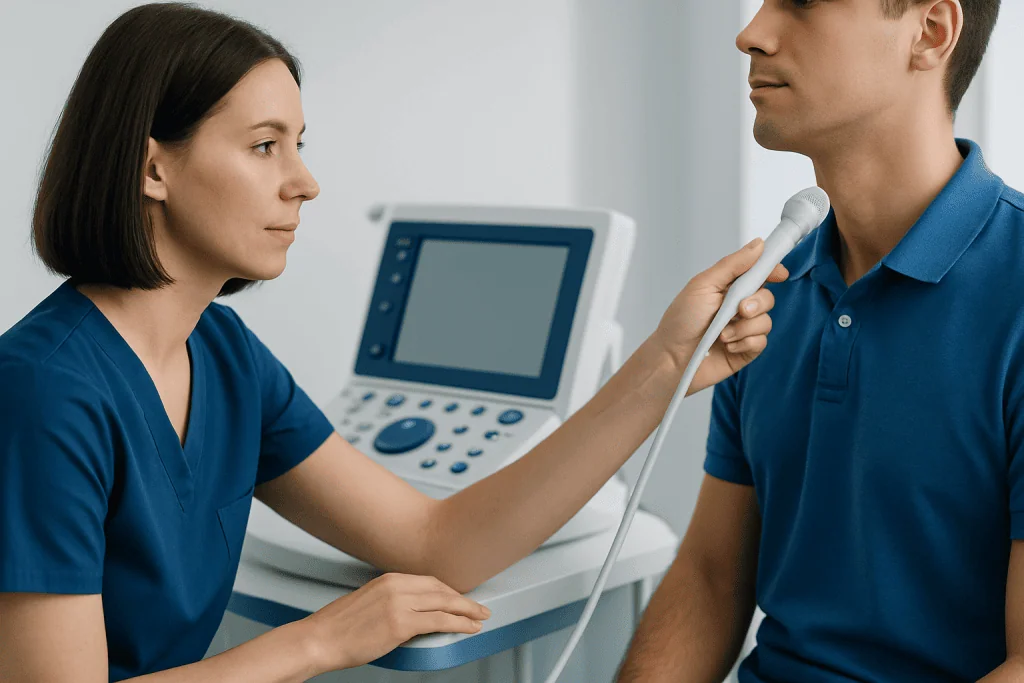
Their scope of care is broad. Some patients need help being understood when they speak, while others need support understanding language, finding the right words, or communicating after an illness. A speech language pathologist also helps people who cough, choke, or feel food is sticking when swallowing.
Common areas of assessment and treatment include:
- Speech sound problems: difficulty producing sounds clearly
- Language disorders: trouble understanding or expressing words, sentences, or ideas
- Fluency disorders: stuttering or disrupted flow of speech
- Voice disorders: hoarseness, vocal strain, weak voice, or changes after surgery or illness
- Cognitive-communication problems: difficulties with attention, memory, planning, reading, or problem-solving that affect communication
- Swallowing disorders: also called dysphagia, where eating or drinking is difficult or unsafe
- Social communication difficulties: trouble using language appropriately in conversation or social settings
Some of these issues happen on their own, while others are linked to underlying medical conditions. For example, speech and swallowing changes may follow stroke, and voice changes may need assessment together with an ENT specialist if there is concern about the vocal folds or throat.
Signs in children and adults

Symptoms vary by age and by the type of problem. A child may have fewer words than expected, struggle to combine words into phrases, be hard to understand, or become frustrated when trying to communicate. Some children avoid speaking in groups, have trouble following directions, or show feeding difficulties such as coughing with liquids or refusing textures.
Adults may notice slurred speech, word-finding difficulty, reduced voice volume, hoarseness, frequent throat clearing, stuttering, or trouble following conversation after a neurological event or illness. Swallowing symptoms can include coughing while eating, food sticking, a wet or gurgly voice after drinking, long mealtimes, or repeated chest infections.
Communication problems do not always mean low intelligence or lack of effort. Many people understand much more than they can express. A careful evaluation helps identify what is happening and what kind of support is most useful at home, school, work, or during recovery.
When symptoms begin suddenly, especially with facial drooping, arm weakness, confusion, or severe difficulty speaking, urgent medical care is needed because these can be warning signs of stroke.
Why these problems happen: common causes and risk factors
Speech, language, voice, and swallowing problems can develop for many reasons. In children, they may be related to developmental differences, hearing loss, prematurity, neurological conditions, structural differences such as cleft palate, or reduced opportunities to practice communication in a meaningful way. Sometimes no single clear cause is found.
In adults, common causes include stroke, traumatic brain injury, Parkinsonian syndromes, dementia, multiple sclerosis, head and neck cancers, prolonged intubation, vocal overuse, reflux-related irritation, and age-related changes. Difficulty swallowing may also happen after surgery, radiation treatment, or muscle and nerve disorders.
Risk factors depend on the problem. Smoking, chronic throat clearing, dehydration, heavy voice use, and unmanaged reflux can contribute to voice symptoms. Neurological disease increases the risk of both communication and swallowing difficulties. Hearing loss can affect speech and language development in children and communication success in adults.
Because symptoms may reflect a larger medical issue, a speech language pathologist does not work in isolation. For example, a person with swallowing difficulty may need a broader evaluation for Parkinson’s disease or another neurological condition, while a person with persistent hoarseness may need examination by an ENT doctor.
How evaluation and diagnosis work
An evaluation starts with listening to the patient’s concerns and reviewing medical history, development, medications, daily activities, and goals. The speech language pathologist then uses structured tasks and observation to assess communication, voice, speech clarity, fluency, and, when appropriate, swallowing.
For children, assessment may include play-based interaction, language samples, speech sound testing, feeding history, and input from parents and teachers. For adults, the clinician may evaluate word finding, comprehension, reading, writing, attention, memory, and problem-solving in addition to speech and voice.
Swallowing assessment often begins with a bedside or clinical exam. If more detail is needed, the patient may be referred for instrumental testing to see how swallowing works and whether food or liquid is entering the airway. Depending on the situation, related testing such as MRI scan or CT scan may help doctors understand the underlying cause, especially after neurological symptoms or structural concerns.
The goal of diagnosis is not simply to assign a label. It is to understand strengths, limitations, safety risks, and practical treatment priorities. Clear findings also help families, teachers, and caregivers support communication more effectively.
Treatment options and what therapy may involve
Treatment is tailored to the person’s age, diagnosis, symptoms, and goals. A speech language pathologist may use exercises to improve sound production, breath support, voice use, or swallowing coordination. Therapy may also focus on strategies rather than exercises alone, such as slowing speech, organizing thoughts, modifying food textures, or using visual supports and memory tools.
For children, therapy often includes play, repetition, parent coaching, and routines that can be practiced at home. For adults, sessions may address return to daily conversation, safer eating and drinking, clearer speech, stronger voice, or compensatory techniques after neurological injury. Some patients benefit from communication aids, writing supports, or digital devices when spoken communication is limited.
Medical or surgical treatment may be part of care when there is an underlying condition affecting communication or swallowing. Examples include ENT treatment for vocal fold problems, rehabilitation after neurological illness, or broader physical therapy and rehabilitation when communication issues happen alongside movement and functional recovery needs.
Progress is often gradual. Regular practice, caregiver involvement, and realistic goals help therapy work better. A good plan focuses on meaningful outcomes, such as being understood on the phone, participating in class, returning to work meetings, or eating more safely with less fear.
Self-care, family support, and everyday strategies
Daily habits can make a real difference. Families can support communication by giving the person time to respond, reducing background noise, using short clear sentences when needed, and confirming understanding without correcting every mistake. Children usually do best when practice is built into everyday routines such as mealtimes, reading, and play.
Voice care may include staying hydrated, avoiding shouting, limiting throat clearing, and resting the voice when it feels strained. People with swallowing problems should follow individualized advice from their clinician, especially if texture changes or specific safety strategies have been recommended. These changes should not be made casually without professional guidance, particularly in medically complex patients.
It is also helpful to track triggers and patterns. Families may notice that communication is harder when the person is tired, rushed, or in noisy environments. Keeping notes about symptoms, meals, coughing episodes, or voice demands can make follow-up visits more productive.
Near the end of treatment planning, some patients seek multidisciplinary review in larger centers. Acibadem International’s multidisciplinary specialists and JCI-accredited hospitals evaluate and treat speech, voice, and swallowing problems for international patients when coordinated medical care is needed.
When to seek medical care
Medical review is important if speech, language, voice, or swallowing difficulties are persistent, worsening, or affecting safety, nutrition, school, work, or social life. An assessment can clarify whether the issue is mild and manageable or part of a condition that needs broader treatment.
Urgent medical care is needed for sudden trouble speaking or understanding speech, new facial drooping, sudden weakness, severe confusion, or abrupt swallowing difficulty. These symptoms can signal a medical emergency. Prompt treatment matters.
A doctor should also be consulted if there is choking, frequent coughing with meals, unexplained weight loss, repeated chest infections, ongoing hoarseness, or symptoms after head injury or surgery. Early referral to the right specialist can improve comfort, communication, and safety.
Frequently asked questions
Is a speech language pathologist only for children with speech delay?
No. A speech language pathologist treats both children and adults. They help with many issues, including language, voice, stuttering, cognitive-communication changes, and swallowing problems after illness or injury.
What is the difference between speech and language?
Speech refers to how sounds are produced and how clearly a person speaks. Language refers to understanding and using words, sentences, and meaning in spoken, written, or other forms of communication.
Can a speech language pathologist help with swallowing problems?
Yes. Swallowing assessment and treatment are a major part of the profession. The clinician may evaluate swallow safety, suggest strategies for eating and drinking, and coordinate further testing if needed.
How do families know if a child needs an evaluation?
An evaluation may help if a child is hard to understand, has delayed talking, struggles to follow directions, or becomes frustrated when trying to communicate. Feeding difficulties, persistent drooling, or coughing with meals also deserve medical attention.
How long does speech therapy take?
The length of therapy varies widely. It depends on the cause of the problem, how severe it is, the person’s health, and how often strategies are practiced between visits.
Do adults recover communication skills after stroke or brain injury?
Many adults improve with time, rehabilitation, and targeted therapy, although recovery differs from person to person. Early assessment can help identify strengths, set realistic goals, and support safer, more effective communication.
This article is for general information only and is not a substitute for professional medical advice. Please consult a qualified doctor about your individual situation.
Explore treatments in Turkey — costs, top hospitals & a free quote
JCI-accredited · board-certified surgeons · reply within 24h
Add us as a Preferred Source to see more of our trusted health content across Google Search, AI Overviews and Discover.

More from the Health Library

Mesomorph Body Type: A Complete Medical Overview

Apneic: A Complete Medical Overview

Subcutaneous Injection: An Evidence-Based Guide for Patients

Dislocated Jaw: A Complete Medical Overview

Noxzema Pads — Explained by Medical Evidence, Not Myths