Spine — Explained by Medical Evidence, Not Myths

The spine supports posture, movement, and protects the spinal cord. Common spine symptoms include pain, stiffness, numbness, and weakness.
Key Takeaways
- The spine supports posture, movement, and protects the spinal cord.
- Common spine symptoms include pain, stiffness, numbness, and weakness.
- Many spine problems improve with posture changes, exercise, and guided treatment.
- Persistent pain, nerve symptoms, or bowel and bladder changes need medical attention.
- Diagnosis may include a physical exam, imaging, and sometimes nerve testing.
- Treatment depends on the cause and can range from self-care to rehabilitation or surgery.
The spine is the body’s central support structure, helping with movement, balance, and protection of the spinal cord. Most spine symptoms are related to strain, age-related changes, or treatable conditions, but some signs need prompt medical evaluation.
What the Spine Is and Why It Matters
The spine is the body’s main structural column. It keeps the head and trunk supported, allows bending and twisting, and protects the spinal cord, which carries signals between the brain and the rest of the body. When people ask about the spine, they are usually asking both about its anatomy and about why back or neck symptoms happen. In simple terms, the spine works well when its bones, discs, joints, nerves, and muscles function together in balance.
The spine is not a single rigid pole. It is a flexible system made of vertebrae stacked one above another, cushioned by discs and connected by ligaments, joints, and muscles. Its natural curves help absorb force during walking, lifting, and everyday movement. Because the spine is involved in almost every posture and motion, even minor strain or inflammation can lead to discomfort.
A common myth is that all spine pain means serious damage. In reality, many episodes of neck or back pain are mechanical, meaning they relate to muscles, joints, or discs and often improve with time and appropriate care. At the same time, persistent symptoms, nerve-related changes, or problems after injury should not be ignored, because they may point to a more specific spinal condition.
How the Spine Is Built
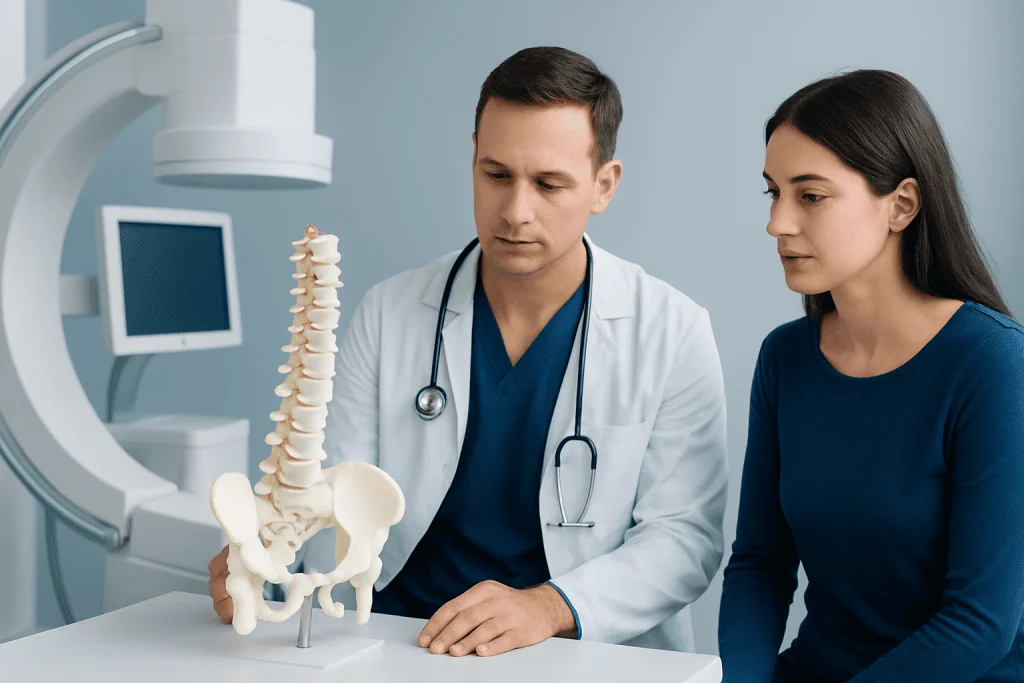
The spine has five main regions. The cervical spine is the neck, the thoracic spine is the upper and mid-back, the lumbar spine is the lower back, the sacrum sits at the base of the spine, and the coccyx forms the tailbone. Each region has a different role. The neck allows a wide range of motion, the thoracic spine helps stabilize the chest, and the lumbar spine carries much of the body’s weight.
Between most vertebrae are discs, which act like shock absorbers. Each disc has a softer center and a tougher outer layer. Small joints at the back of the spine guide movement, while ligaments hold structures together. Muscles around the spine and core provide stability and help control motion. If any part of this system becomes strained, inflamed, compressed, or worn down, symptoms can appear.
Nerves exit the spinal canal at different levels and travel to the arms, chest, abdomen, and legs. This is why a spine problem can sometimes cause symptoms away from the back itself, such as tingling in an arm, pain down a leg, or muscle weakness. Understanding this nerve pathway helps explain why doctors ask detailed questions about where symptoms start and where they spread.
- Cervical spine: supports the head and enables neck motion
- Thoracic spine: provides stability and connects with the rib cage
- Lumbar spine: bears weight and allows bending and lifting
- Sacrum and coccyx: support pelvic alignment and sitting balance
Common Spine Symptoms and What They Can Mean
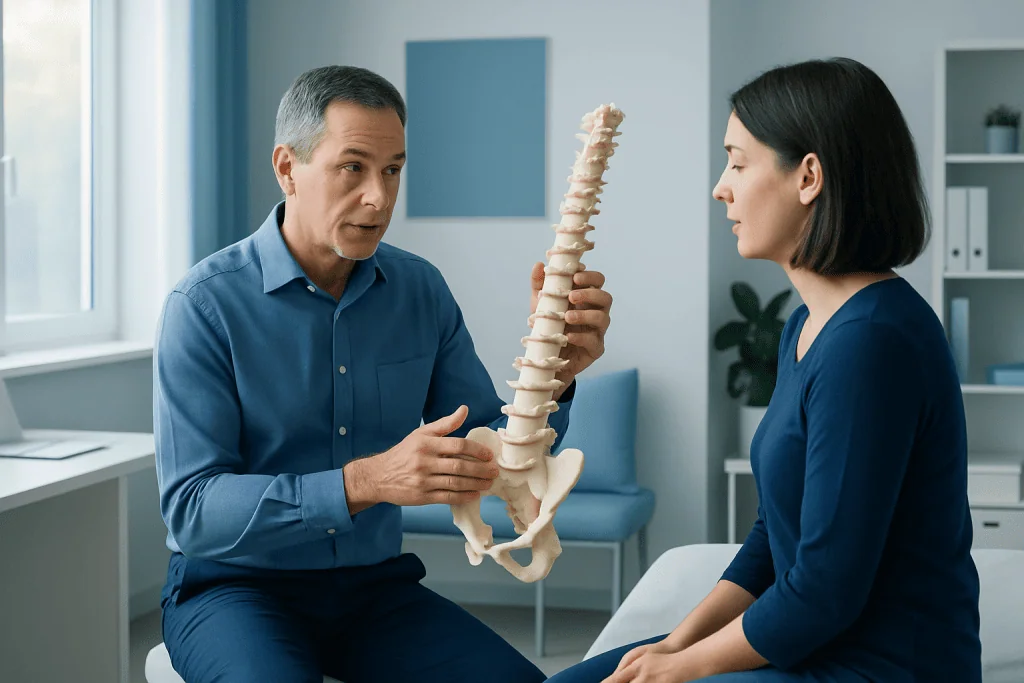
Spine symptoms vary depending on which part is affected and whether the issue involves muscles, joints, discs, or nerves. Pain may feel dull, sharp, burning, or aching. Some people mainly notice stiffness, reduced movement, or soreness after long periods of sitting. Others describe pain that worsens with lifting, twisting, coughing, or certain sleeping positions.
Nerve-related symptoms can include numbness, tingling, electric-shock sensations, or weakness in an arm or leg. For example, a problem in the lower spine may cause pain that travels down the buttock and leg, often referred to as sciatica. A problem in the neck may lead to arm pain or hand tingling. These patterns help doctors identify which nerve roots may be irritated or compressed.
Symptoms do not always match the severity of findings on imaging. Some people have visible age-related spine changes on scans but little or no pain, while others have significant symptoms with only modest imaging findings. That is why treatment decisions are based on the whole clinical picture rather than a scan alone.
Important warning signs include recent significant trauma, fever with back pain, unexplained weight loss, worsening weakness, difficulty walking, or new bowel or bladder problems. These symptoms are less common, but they need timely medical assessment because they may indicate infection, fracture, severe nerve compression, or another serious condition.
What Causes Spine Problems and Who Is at Risk
Many spine problems develop from a combination of daily stress, natural aging, and physical conditioning. Muscle strain, poor lifting technique, repetitive bending, prolonged sitting, and sudden awkward movements are common triggers for short-term pain. Over time, discs can lose hydration and flexibility, and joints can develop age-related wear. These changes are often part of normal aging, though they do not always cause symptoms.
Specific conditions may also affect the spine. These include disc herniation, spinal stenosis, scoliosis, inflammatory conditions, osteoporosis-related fractures, and degenerative disc disease. In some cases, pain is related more to surrounding muscles and posture than to structural disease. In others, nerve compression plays the main role. Depending on the symptoms, a doctor may evaluate for conditions such as herniated disc or scoliosis.
Several factors can increase risk. These include older age, sedentary habits, weak core muscles, obesity, smoking, physically demanding work, vibration exposure, and previous spine injury. Emotional stress, poor sleep, and low physical activity can also make pain more persistent by increasing muscle tension and changing how the nervous system processes discomfort.
- Strain or overuse from work, sport, or daily activities
- Age-related disc and joint changes
- Poor posture or prolonged sitting
- Weakness or imbalance in core and back muscles
- Previous injury, smoking, or osteoporosis
How Doctors Diagnose Spine Conditions
Diagnosis starts with a careful history and physical examination. A doctor will ask when symptoms began, what makes them better or worse, whether they spread into the arms or legs, and whether numbness or weakness is present. They may also ask about injury, infection risk, cancer history, or bowel and bladder changes. These details often provide more useful guidance than imaging alone.
During the physical exam, posture, movement, muscle strength, reflexes, and sensation are checked. Special maneuvers may help identify nerve irritation or joint-related pain. The goal is to decide whether symptoms are most likely mechanical, inflammatory, or neurologic and whether urgent warning signs are present.
Imaging is not always needed right away. X-rays can show alignment, fractures, and some degenerative changes. MRI is often used when nerve compression, disc problems, spinal stenosis, infection, or tumors are suspected because it shows soft tissues in detail. CT may be helpful for bone anatomy, especially after trauma or when surgery is being planned. Some patients may also need blood tests or nerve studies, depending on the suspected cause.
This stepwise approach helps avoid unnecessary testing while still identifying conditions that need specific treatment. In many straightforward cases of recent back pain without red flags, doctors may begin with conservative care and reassess if symptoms persist.
Treatment Options for Spine Problems
Spine treatment depends on the cause, the severity of symptoms, and whether nerves are affected. Many people improve with conservative measures such as staying gently active, short-term activity modification, supervised exercises, posture correction, and physical therapy. Heat, ice, and nonprescription pain relief may also be recommended when appropriate. Rest can help briefly, but prolonged bed rest often slows recovery.
Physical therapy is often central to treatment because it can improve flexibility, muscle control, and support around the spine. A personalized program may focus on core strengthening, movement patterns, balance, and gradual return to normal activity. For people with ongoing symptoms, doctors may consider more targeted options, including physical therapy and rehabilitation or image-guided pain procedures in selected cases.
When there is significant nerve compression, spinal instability, progressive weakness, or pain that does not respond to appropriate conservative care, surgery may be considered. The type of surgery depends on the problem and can include procedures to remove pressure from nerves or stabilize the spine. In carefully selected patients, options may include spine surgery or neurosurgical treatment when the spinal cord or nerve roots are involved.
Treatment should be individualized rather than based on myths, fear, or imaging findings alone. A balanced plan aims to reduce pain, improve function, preserve mobility, and help the person return safely to daily life. Near the end of the care pathway, some patients may benefit from multidisciplinary assessment; Acibadem International’s specialists in JCI-accredited hospitals diagnose and treat spine conditions for international patients when advanced evaluation is needed.
Prevention and Self-Care for a Healthier Spine
Good spine care is usually built on regular movement rather than rigid posture rules. The spine generally benefits from varied positions, breaks from prolonged sitting, and consistent strengthening of the trunk, hips, and back muscles. Walking, swimming, and low-impact exercise can support general conditioning without placing excessive stress on the spine.
Everyday habits matter. Lifting with control, keeping objects close to the body, adjusting workstations, and avoiding long periods in one position can reduce strain. Sleep quality also affects pain perception, so supportive sleep habits are important. Smoking cessation and maintaining a healthy weight can improve blood flow to tissues and reduce mechanical stress on the spine.
Self-care should be sensible, not extreme. Most people do not need to avoid all bending or fear every movement after a pain flare. Gradual return to activity is often better than complete inactivity. However, repeated or severe episodes should be discussed with a qualified doctor or rehabilitation professional to rule out an underlying condition and create a safer plan.
- Move regularly and break up long sitting periods
- Strengthen core, hip, and back muscles
- Use safe lifting techniques
- Maintain a healthy weight and avoid smoking
- Seek guidance if symptoms keep returning
When to Seek Medical Care
Many mild spine symptoms improve within days to weeks, especially when caused by strain or overuse. Medical care is appropriate if pain is severe, keeps returning, lasts longer than expected, or begins to interfere with sleep, work, walking, or daily activities. Persistent neck or back pain should be assessed if home measures are not helping.
Prompt medical evaluation is especially important when symptoms include numbness, tingling, weakness, pain spreading down an arm or leg, or trouble with balance. These features may suggest nerve involvement. It is also important to seek care after a fall, accident, or sports injury, even if symptoms seem manageable at first.
Urgent assessment is needed for new bowel or bladder dysfunction, numbness in the groin or saddle area, rapidly worsening weakness, fever with back pain, or unexplained weight loss. These findings are uncommon, but they can point to serious spinal or systemic problems that should not be delayed. A qualified clinician can determine whether symptoms are mechanical, neurologic, or related to another illness.
Frequently asked questions
What does the spine do?
The spine supports the body, helps maintain balance and posture, and allows movement such as bending and twisting. It also protects the spinal cord, which carries nerve signals between the brain and the rest of the body.
Is all spine pain a sign of serious disease?
No. Many episodes of neck or back pain are caused by strain, overuse, posture-related stress, or age-related changes and improve with conservative care. Still, persistent pain or symptoms such as weakness, numbness, or bowel and bladder changes should be evaluated by a doctor.
What is the difference between back pain and a nerve problem?
Back pain often stays in one area and may feel sore, stiff, or aching. A nerve problem may cause pain that radiates into the arm or leg, along with tingling, numbness, burning, or weakness.
When is imaging needed for the spine?
Imaging is not always necessary for new, uncomplicated spine pain. Doctors may recommend X-ray, MRI, or CT when there are red flags, significant injury, suspected nerve compression, or symptoms that do not improve as expected.
Can exercise help the spine?
Yes. Appropriate exercise can improve flexibility, muscle support, posture, and confidence with movement. Programs work best when they are tailored to the person’s symptoms, fitness level, and diagnosis.
When should someone worry about spine symptoms?
Medical attention is important if symptoms are severe, keep returning, limit daily life, or include weakness, numbness, balance problems, or pain after trauma. Urgent care is needed for bowel or bladder changes, saddle numbness, fever with back pain, or rapidly worsening weakness.
References
- World Health Organization
- National Institute of Arthritis and Musculoskeletal and Skin Diseases
- American Academy of Orthopaedic Surgeons
- National Institute of Neurological Disorders and Stroke
- North American Spine Society
This article is for general information only and is not a substitute for professional medical advice. Please consult a qualified doctor about your individual situation.
Joint and spine care in Turkey — expert assessment & treatment
JCI-accredited · board-certified surgeons · reply within 24h
Add us as a Preferred Source to see more of our trusted health content across Google Search, AI Overviews and Discover.

More from the Health Library

Anti-parasitic Medicine: What Patients Need to Know

Best Posture Correctors: A Complete Medical Overview

Boil Under Armpit — Explained by Medical Evidence, Not Myths

Purple and Nails: What Patients Need to Know

Paranoidness — Explained by Medical Evidence, Not Myths
Medical Records: A Complete Medical Overview
Orthopedic Surgery & Traumatology Specialists at Acibadem

Fzt. A.Sercan Soyarslan
Physical Medicine & Rehabilitation
Dr. Abdullah Yener İnce
Orthopedic Surgery & Traumatology
Dr. Adnan Abbasoğlu
Orthopedic Surgery & Traumatology
Prof. Dr. Ahmet Alanay
Orthopedic Surgery & Traumatology